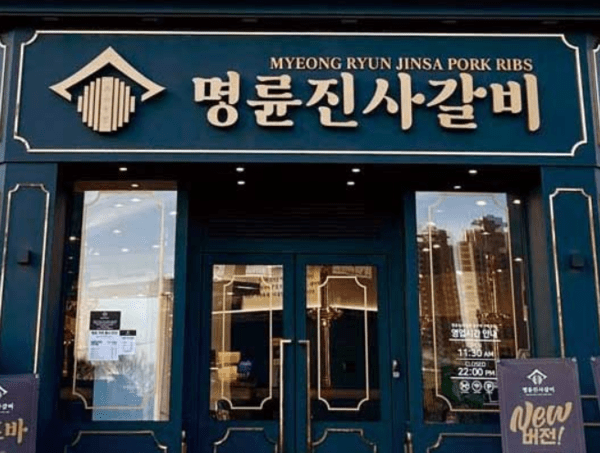
The operating company of Myeongnyun Jinsa Galbi, a popular restaurant chain, has been slapped with a massive fine of 14.9 billion won by the Fair Trade Commission (FTC) for engaging in a scheme to siphon off funds at below-market rates to line the pockets of the chairman’s family. It turns out that the company funneled money through shell loan companies owned by the chairman’s relatives, borrowing at significantly lower interest rates than market standards and then lending to franchisees at high interest rates to generate enormous profits. To make matters worse, it was revealed that even low-interest policy funds provided by the government were misused in this illegal financial maneuvering, sparking widespread public outrage. Today, we will thoroughly investigate the ugly reality of the entrenched power imbalance and unfair support practices in the franchise industry. We will also examine in detail what ripples this sanction will send through the restaurant startup market.
=
Myeongnyun Jinsa Galbi Hit with 14.9 Billion Won Fine: The Full Story of Illegal Loans via Chairman’s Family Loan Companies
1. The FTC’s Hammer: Background on the 14.9 Billion Won Fine Imposed on Myeongnyun Jinsa Galbi
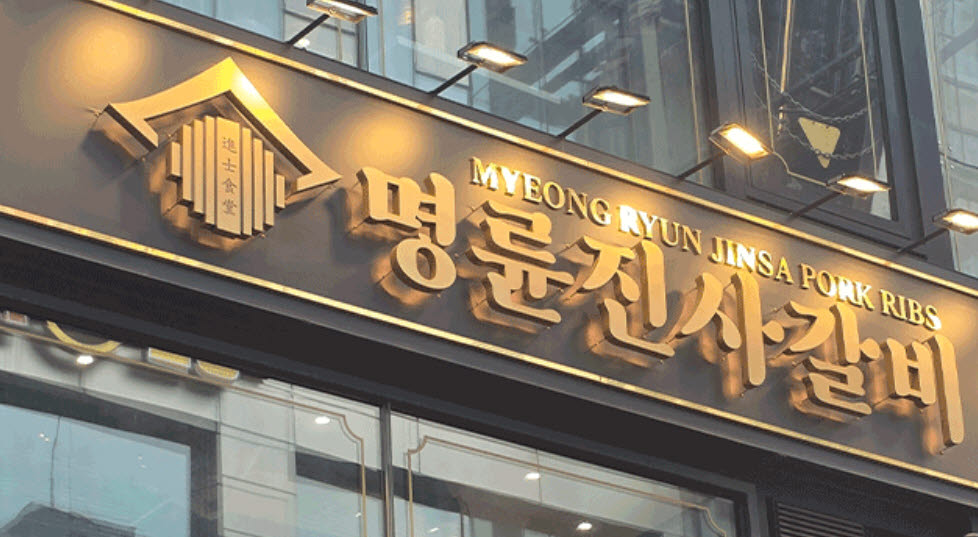
The Fair Trade Commission recently decided to impose a corrective order and a provisional fine totaling 14.9 billion won on Myeongnyundang, the parent company of Myeongnyun Jinsa Galbi. The core of this action is that the parent company provided substantial funds to 14 loan companies owned by the chairman’s family at absurdly low interest rates, constituting unfair support. Along with this, the FTC decided to refer both Myeongnyundang and Chairman Lee Jong-geun to the prosecution. The sanction also covers the act of providing false information regarding important loan details to prospective franchisees. Many people were shocked to learn that such illegal financial transactions were taking place behind the scenes of a beloved popular dining brand. The total fine consists of 10.472 billion won for unfair support and 4.4 billion won for providing false information. Criticism is growing over the fact that the franchise headquarters was more focused on pursuing the private interests of the chairman’s family than on its primary duties of managing franchisees and fostering mutual prosperity. In particular, the industry is in an uproar after it emerged that the hard-earned money of franchisees was ultimately used to sustain this abnormal financial structure. The FTC’s decision is expected to serve as a crucial wake-up call for unfair practices across the entire restaurant franchise sector, going beyond the misconduct of a single company.
The FTC imposed a 14.9 billion won fine and referred the Myeongnyun Jinsa Galbi headquarters to the prosecution for providing unfair financial support to loan companies owned by the chairman’s family.
2. The Identity of the Chairman’s Family Loan Companies: The Secret of the 1-Pyeong Office
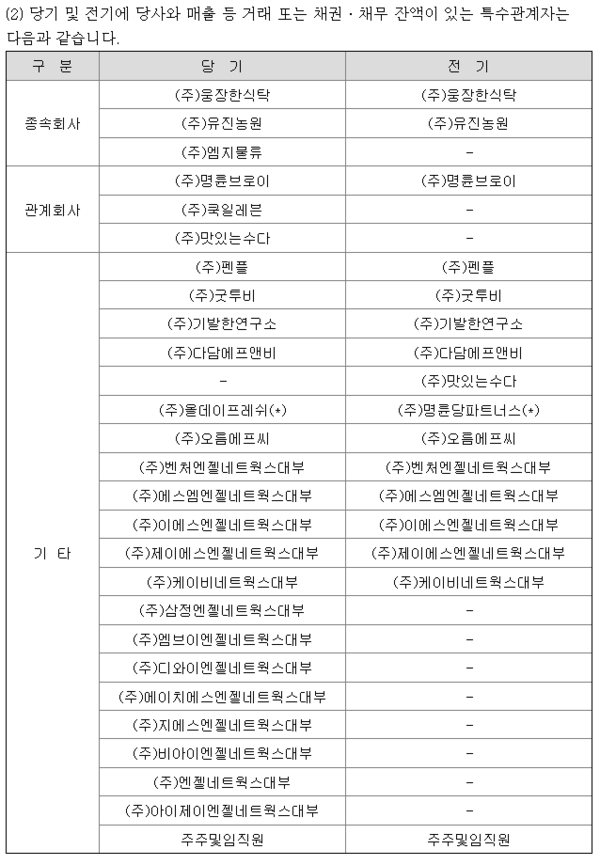
It has been revealed that the 14 loan companies that received funds from Myeongnyundang are all special relationship companies owned by Chairman Lee Jong-geun or his relatives, sparking significant controversy. These loan companies did not possess the form of normal financial institutions and were largely shell companies with no resident employees. The representatives were filled with current or former employees of the headquarters or affiliated companies, and the actual offices were merely shared office spaces of about 1 pyeong (approx. 3.3 sqm). Investigations showed that the chairman was deeply involved, overseeing even the detailed operational matters of these poorly run loan companies. The true purpose of establishing these paper companies was solely to easily siphon off funds from the headquarters to generate interest income. The structure involved securing large amounts of cash based on the credit and financial strength of the massive Myeongnyundang headquarters and then lending it to franchisees at high interest rates. The total outstanding loan receivables of the 14 loan companies surged to rank 27th among all domestic loan companies in Korea. This effectively funneled enormous profits, unattainable through normal means, directly into the personal pockets of the chairman’s family.
The 14 loan companies owned by the chairman’s family, operating out of 1-pyeong shared offices with no resident staff, fattened their profits by receiving funds from the headquarters.
3. Shameless Financial Maneuvering: Even Policy Funds Were Misused
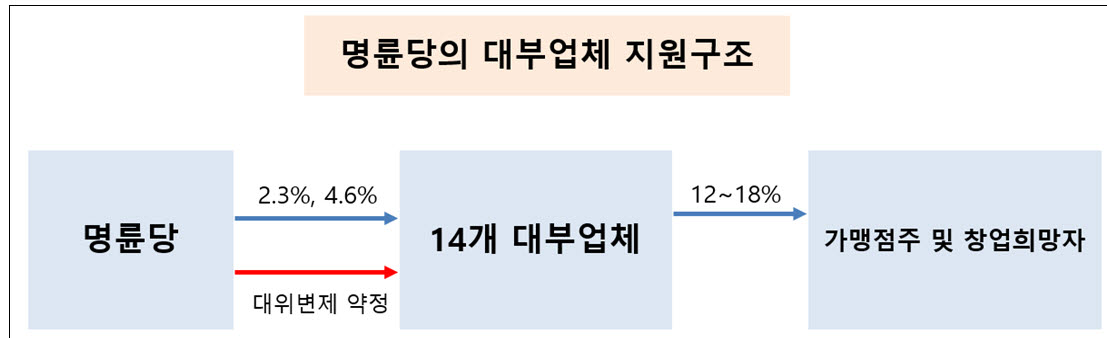
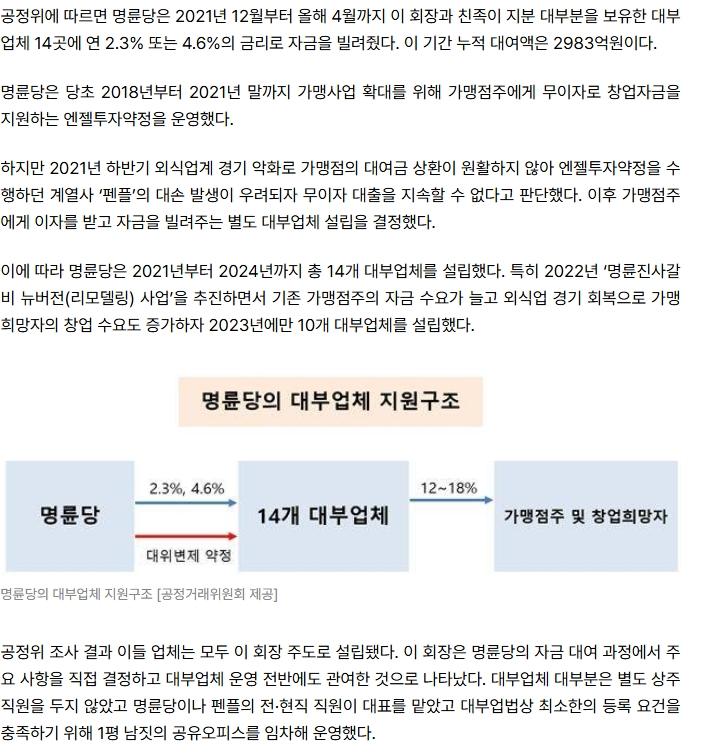
The methods Myeongnyundang used to provide funds to the chairman’s family loan companies were bold enough to provoke public anger. From December 2021 to April this year, the headquarters funneled a total of 298.3 billion won to the 14 loan companies at shockingly low interest rates ranging from 2.3% to 4.6% per annum. A more serious issue is that this massive amount included national policy funds borrowed from the Industrial Bank of Korea at interest rates of 3% to 4% per annum, intended to support small and medium-sized enterprises. Essentially, low-interest funds provided by the state to help small businesses and companies were misused to fill the private pockets of the chairman’s family. It is estimated that if these loan companies had borrowed from independent financial institutions, the interest they would have had to pay would have amounted to a staggering 31.6 billion won. However, by borrowing from the headquarters, they paid only about 9.9 billion won in interest, saving a massive 21.7 billion won in financial costs. This completed a perfect cartel for private gain, where the headquarters used its large-corporate-level financial power to procure funds at rock-bottom prices, and the chairman’s family received these funds to resell them to franchisees at high interest rates. Critics point out that the moral hazard reached its peak by misusing national policy support funds as a resource for such unfair illegal loans.
The headquarters even tapped into low-interest policy funds from the Industrial Bank of Korea, lending them at rock-bottom prices to the chairman’s family loan companies, thereby helping them save 21.7 billion won in interest.
4. Multi-Tiered Loans and the 90% Trap That Squeezed Franchisees

The primary targets of these loan companies, which secured funds at low costs from the headquarters, were prospective entrepreneurs and store owners who wanted to open Myeongnyun Jinsa Galbi franchises. To store owners who desperately needed funds for startup or renovation costs, these loan companies lent money at high interest rates ranging from 12% to 18% per annum. While this might be slightly lower than the rates of general loan companies, it was undeniably a high-interest loan that placed an enormous burden on small self-employed individuals. As of January this year, with approximately 566 franchise stores operating nationwide, over 90% of them had borrowed money from the headquarters’ loan companies at the time of startup. Examining the flow of this financial structure clearly reveals how the sweat and blood of store owners were exploited. Franchisees had to pay the loan principal and interest on top of the cost of goods whenever they purchased meat or essential ingredients from the headquarters. The headquarters collected the principal and interest from the money paid by store owners and passed it directly to the loan companies, ensuring safe recovery of the receivables. Even if a store owner failed to repay the loan due to poor business performance, there was a risk-sharing agreement where the headquarters would repay the debt on their behalf. Ultimately, the structure was designed so that the risk was not borne by the headquarters or the chairman’s family at all, but was shifted entirely to the vulnerable franchisees.
Over 90% of startup franchisees took out high-interest loans from the headquarters’ affiliated loan companies, and the headquarters safely recovered these by adding the loan payments to the cost of goods.
5. Deceiving Prospective Entrepreneurs: The False Information Disclosure Document
The FTC investigation also revealed that Myeongnyundang thoroughly concealed or provided false information regarding the loan structure to prospective franchisees. In the official Information Disclosure Document, which must be provided to prospective store owners, the section on credit provision and brokerage was falsely marked as “Not Applicable.” While they naturally induced loans through loan companies with special relationships, they failed to properly disclose the exact nature of these relationships, the unfavorable loan terms, or the repayment methods. This was judged to be a clear act of deceiving and hindering the rational decision-making of prospective entrepreneurs regarding contract signing. After such illegal lending practices came to light during last year’s National Assembly audit, drawing fierce criticism, the headquarters finally moved to cut its losses. It is reported that they have now stopped new loans through the loan companies and uniformly lowered the interest rates for existing borrowers to 4.6%. However, the fact that they have long been collecting unfair interest profits from franchisees remains a fatal and unerasable mistake. The FTC warned that it will keep a vigilant eye on unfair support and false information provision in the franchise business sector that threatens livelihoods in the future.
The headquarters omitted the fact of loans from special relationship loan companies in the Information Disclosure Document, seriously hindering prospective entrepreneurs’ contract decisions.
6. The Shadows of the Franchise Industry and the Challenge for Fair Mutual Prosperity
This Myeongnyun Jinsa Galbi incident is a representative case that starkly reveals how the South Korean franchise industry still lingers in a pre-modern and unfair structure. The headquarters cannot escape criticism for viewing franchisees not as partners in mutual prosperity who should contribute to brand growth, but merely as tools for easy profit generation. The FTC’s imposition of a 14.9 billion won fine and referral to the prosecution sent a very strong warning message to headquarters that ignore the tears of small business owners. Going forward, to survive in the market, it has become more important than ever to build a transparent and fair management system rather than obsessing solely over external expansion. Prospective entrepreneurs also need the wisdom to carefully scrutinize the headquarters’ hidden loan conditions and transactions with special relationship companies when signing franchise contracts. Only by thoroughly verifying whether there are unfair contract terms hidden behind the glamorous brand advertising and the number of franchise stores can they prevent potential damages. We sincerely hope that this incident will serve as a catalyst for the entire domestic restaurant franchise market to undergo a painful reflection and move toward a path of true mutual prosperity. Transparent information disclosure and fair competition are the only solutions that can enhance brand value in the long run and ensure the survival of both franchisees and the headquarters.
This incident sounded the alarm on unfair practices in the franchise industry and strongly suggests the need for transparent and fair mutual prosperity management.
Frequently Asked Questions
=