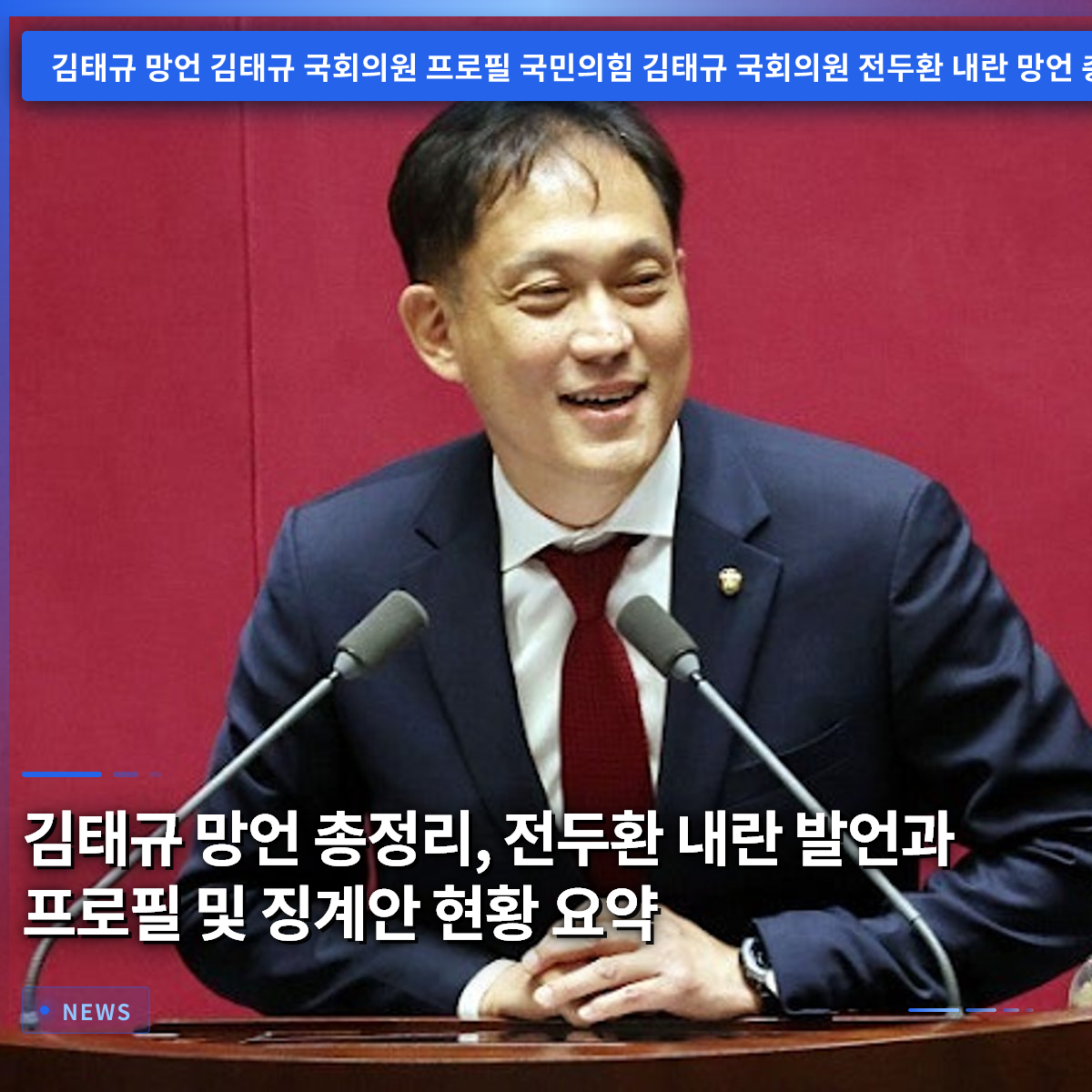
On September 30, 2026, Representative Kim Tae-gyu sparked intense political controversy during a YouTube broadcast by stating, “The actions of Jeon Du-hwan’s New Military Council and former President Yoon Suk-yeol do not constitute a coup d’état.” As a legal professional who has served as a judge, a constitutional researcher, and the Deputy Chair of the Korea Communications Commission, Representative Kim’s remarks have escalated into a significant debate surrounding the constitutional order. Many readers are curious about the representative’s exact personal background and how this statement has risen to become a major social issue. In particular, the dissonance between his image as an elite legal figure from the 28th Judicial Training Institute and his current political judgment has drawn sharp focus. This article comprehensively details Representative Kim Tae-gyu’s profile, the specific content of the recent controversial remarks, and the basis for criticisms raised by major media outlets and opposition parties. It also includes the status of the motion to expel and disciplinary proposals submitted by the Democratic Party of Korea on October 1, 2026, aiming to provide insights and the latest information on domestic and international political figures. By reading this article, readers will be able to quickly grasp the multifaceted nature of Representative Kim Tae-gyu and the core of the debate currently shaking South Korean politics.
Key Point: An introduction summarizing the political controversy caused by Representative Kim Tae-gyu’s denial of the Jeon Du-hwan coup and his background as an elite legal professional.
Kim Tae-gyu’s Controversial Remarks: A Summary of His Statements on the Jeon Du-hwan Coup, His Profile, and the Status of Disciplinary Actions
1. The Reality of Kim Tae-gyu’s Remarks and the Course of His Denial of the Jeon Du-hwan Coup
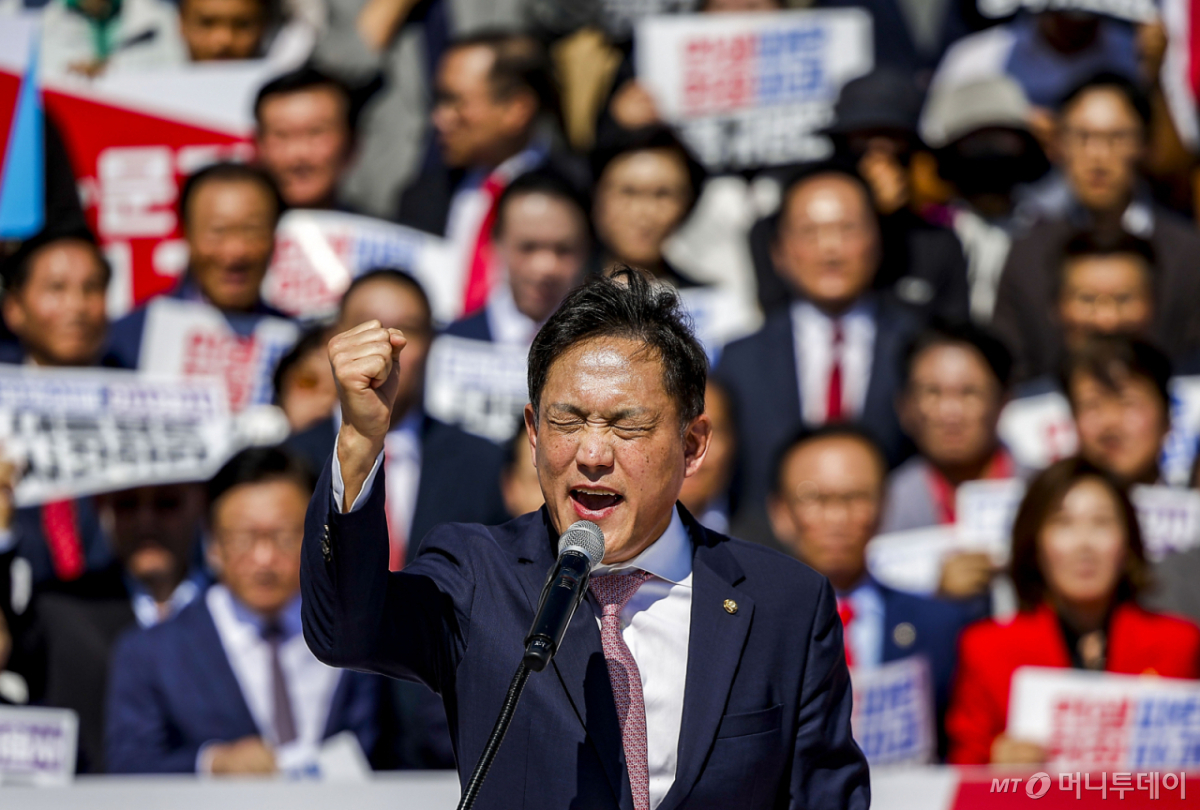
Representative Kim Tae-gyu recently appeared on a YouTube broadcast and failed to provide a clear answer to a viewer’s question: “Do former President Yoon Suk-yeol’s declaration of martial law and Jeon Du-hwan’s New Military Council coup constitute a coup d’état?” He answered “No” to both, maintaining his legal and political judgment by stating, “I personally do not consider it a coup,” regarding matters where final court judgments have already been rendered. These remarks caused significant shock across various sectors of society, as they relate to cases already deemed guilty in modern Korean history and constitutional law. This is particularly notable because former President Jeon Du-hwan is a historical figure whose conviction as the ringleader of a coup and 20-year prison sentence was finalized by the Supreme Court’s full bench in 1997. Representative Kim’s statements were perceived not merely as an expression of personal opinion, but as a firm stance backed by the authority of a legal professional. Following these remarks, searches for “Kim Tae-gyu’s outrageous remarks” surged, sparking heated debates in political circles and civil society regarding the truthfulness and appropriateness of his statements.
The representative maintained an unwavering attitude even when the questioner referenced court rulings and requested reconfirmation. Reports indicate that he refused expressions such as “I think differently” and attempted to judge the matter solely from his own perspective. This has been interpreted not just as a matter of political leaning, but as an issue that questions the final judgments of the judiciary, placing him under intense criticism. Many legal scholars have pointed out that expressing personal views on cases with final criminal convictions can cause legal confusion. However, supporters of Representative Kim Tae-gyu have countered that he was simply stating his legal interpretation without reservation. As this opposing structure formed, the keyword “Kim Tae-gyu’s outrageous remarks” has become a vehicle for fundamental questions about the constitutional order, rather than mere mockery.
Key Point: This section discusses the specific flow of the conversation and the legal repercussions of Representative Kim Tae-gyu’s insistence on denying the coup despite final court judgments.
This explains the specific situation and background of Representative Kim Tae-gyu’s statement on a broadcast that the actions of Jeon Du-hwan and Yoon Suk-yeol cannot be viewed as a coup.
2. Detailed Profile and Background of Elite Legal Professional Representative Kim Tae-gyu
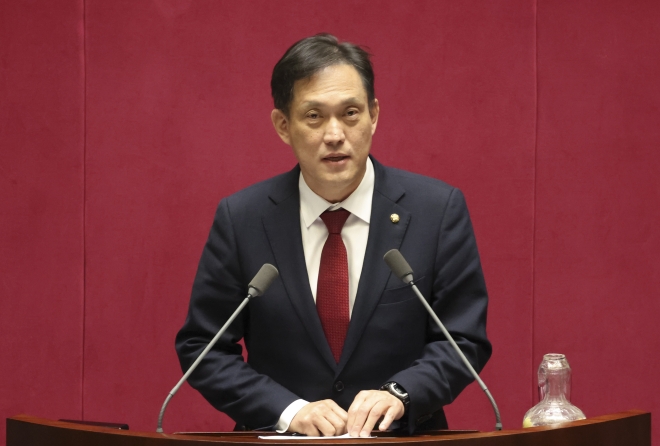
Representative Kim Tae-gyu was born in Gyeongju, Gyeongbuk, in 1967, and demonstrated academic excellence by graduating from Ulsan Hakseong High School and the Department of Law at Yonsei University. He subsequently completed a Master’s degree in Law at Yonsei University’s Graduate School and a Doctoral program in Maritime Law at the Korea Maritime and Ocean University, following an elite path that equipped him with both legal theory and practical skills. Notably, he also completed a Master of Laws (LL.M.) program at the Indiana University School of Law in the United States, gaining international perspective and experience with Western legal systems. As a graduate of the 28th Judicial Training Institute, he has experience directly handling judicial duties as a judge at the Ulsan District Court and the Daegu District Court. As the author also observes from past legal dramas and news, his statements carry more weight than those of a typical politician because he is a former judge who has handled real cases. Currently, as a member of the 22nd National Assembly, he represents the Ulsan Nam-gu Gap district and is active in key committees such as the Judiciary Committee.
Beyond his legal career, he served as the Deputy Chair of the Anti-Corruption and Civil Rights Commission during the Yoon Suk-yeol administration, where he was involved in formulating anti-corruption and ethics policies in the public sector. He later served as the Deputy Chair of the Korea Communications Commission, effectively acting as the acting chair during the suspension of then-Chair Lee Jin-sook. During this period, he was noted within the industry for his deep involvement in key decision-making processes regarding the deregulation of the broadcasting and telecommunications industries. Thanks to this experience in high-ranking administrative positions, Representative Kim Tae-gyu showcases the dual role of a legal expert and a policy executor. In particular, in the Ulsan region, he is highly regarded for the combination of his skilled problem-solving abilities as a legal professional and his experience in key central government positions. However, this controversy has dealt a significant blow to his past image as a diligent civil servant, and it remains to be seen what impact this will have on his future political career. His career is classified as that of a career politician, and he is analyzed to have pursued a strategy of competing on expertise and experience rather than a regional base.
Key Point: This section discusses his experience serving in high-ranking administrative positions, such as Deputy Chair of the Anti-Corruption and Civil Rights Commission and the Korea Communications Commission, and the significance of that history.
This introduces the detailed profile of Representative Kim Tae-gyu as an elite legal professional, including his education, judicial career, and completion of a foreign law school program.
3. The Process of Winning the Ulsan Nam-gu Gap By-election and Current Legislative Activities
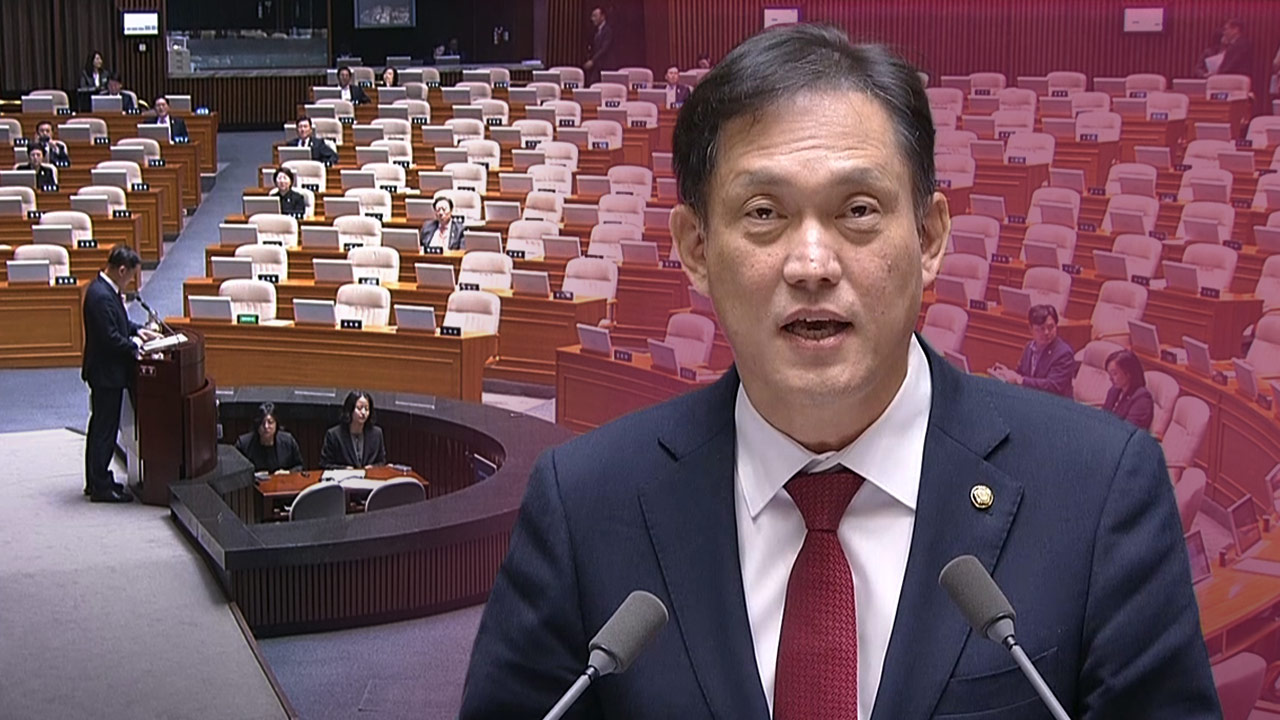
Representative Kim Tae-gyu won the by-election for the Ulsan Nam-gu Gap National Assembly seat held on June 3, 2026, as a candidate for the People Power Party. According to official data from the National Election Commission, he secured victory with 46,543 votes, achieving an overwhelming 51.16% vote share. This indicates that he defeated his competitors by a large margin and secured high trust from local voters. Since his election, he has been engaged in legislative activities as a member of key committees, including the Committee on Government Operations, the Judiciary Committee, and the Special Committee on Budget and Accounts. Leveraging his background as a legal professional, he has been seen voicing specific opinions on legal amendments in the Judiciary Committee. Prior to this controversy, he was actively working to fulfill specific regional pledges, such as supporting the Ulsan Tram Line 1, renovating aging residential areas, and establishing foundations for new industries. He also selected and promoted long-term regional development projects, such as hosting the 2028 Ulsan International Garden Expo and building a National Carbon Neutrality Science Museum.
Currently, Representative Kim Tae-gyu has filed bills to amend four major economic laws: the Labor Standards Act, the Electric Power Business Act, the Income Tax Act, and the Tax Special Measures Act. This is not merely a local political step but a declaration of legislative will regarding national labor and tax policies. His legislative direction focuses on resolving complex economic and labor issues based on the analytical capabilities of a professional legal expert. Strengthening the competitiveness of the automotive and shipbuilding industries, which are the core of the Ulsan regional economy, through legal and institutional adjustments is also a major area of his interest. However, due to this controversy over his remarks, his expertise-based legislative activities are at risk of escalating into a political trust issue. This is because local residents, while valuing his expertise, have begun to question his political morality. Going forward, overcoming his issues of political judgment will be his top priority, rather than the outcomes of his legislative activities.
Key Point: This explains the current situation where his expertise-based legislative activities, including the status of bills he has filed as a representative, are being shaken by the controversy.
This summarizes the results of the 2026 by-election, his vote share, and the status of his committee memberships and fulfillment of regional pledges.
4. The Democratic Party of Korea’s Call for Expulsion and Political Follow-up Measures
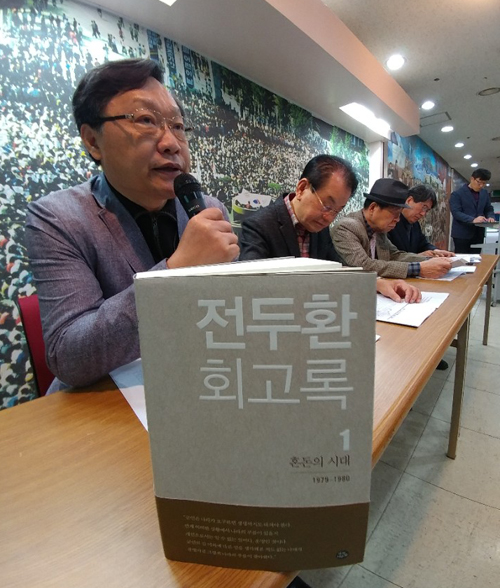
Following Representative Kim Tae-gyu’s remarks, the Democratic Party of Korea immediately formulated response measures and took legal and political actions. On October 1, 2026, Democratic Party members announced that they had officially submitted a resolution urging the expulsion of Representative Kim Tae-gyu to the National Assembly. Additionally, they simultaneously submitted a disciplinary proposal to the Special Committee on Ethics, demanding punishment that could lead to the revocation of his status as a National Assembly member. A Democratic Party legislative affairs official strongly condemned the act, stating, “For a constitutional expert to deny the final judgment of the judiciary is an act that directly negates the constitutional order of the Republic of Korea.” They pointed out that Representative Kim Tae-gyu, who is in a position to teach the law, should not display contradictory behavior by ignoring the law. In response to these measures, the People Power Party has expressed backlash and prepared to defend itself through legal procedures. The conflict between the two parties has escalated beyond personal attacks into a firm clash of values regarding the strengthening of National Assembly functions and the maintenance of the constitutional order.
Political analysts explain that for this disciplinary procedure to be actually executed, it must go through three stages: an investigation by the Special Committee on Ethics under the National Assembly Act, a vote in the full committee, and a passage in the plenary session. Currently, the People Power Party, as the largest party, holds a majority of seats in the National Assembly, making it realistically difficult for the Democratic Party to force expulsion on its own. However, the mere opening of the voting process could place a significant political burden on Representative Kim Tae-gyu. Furthermore, critical views have begun to emerge within his own party, arguing that his remarks have damaged the party’s image. Some first-term members have raised self-reflection, stating, “His political insincerity has been exposed more significantly than his reputation as a legal professional.” Therefore, it is expected that changes in public opinion polls by local government and party sentiment will act as more important variables than the outcome of the upcoming National Assembly plenary vote.
Key Point: This analyzes the subtle flows of the political situation, including the realistic limitations of expulsion under National Assembly procedures and changes in the atmosphere within the party.
This discusses the status of the motion to expel and disciplinary proposals submitted by the Democratic Party of Korea against Representative Kim Tae-gyu and their legal basis.
5. The Conflict Between Final Judicial Rulings and Legal Interpretation
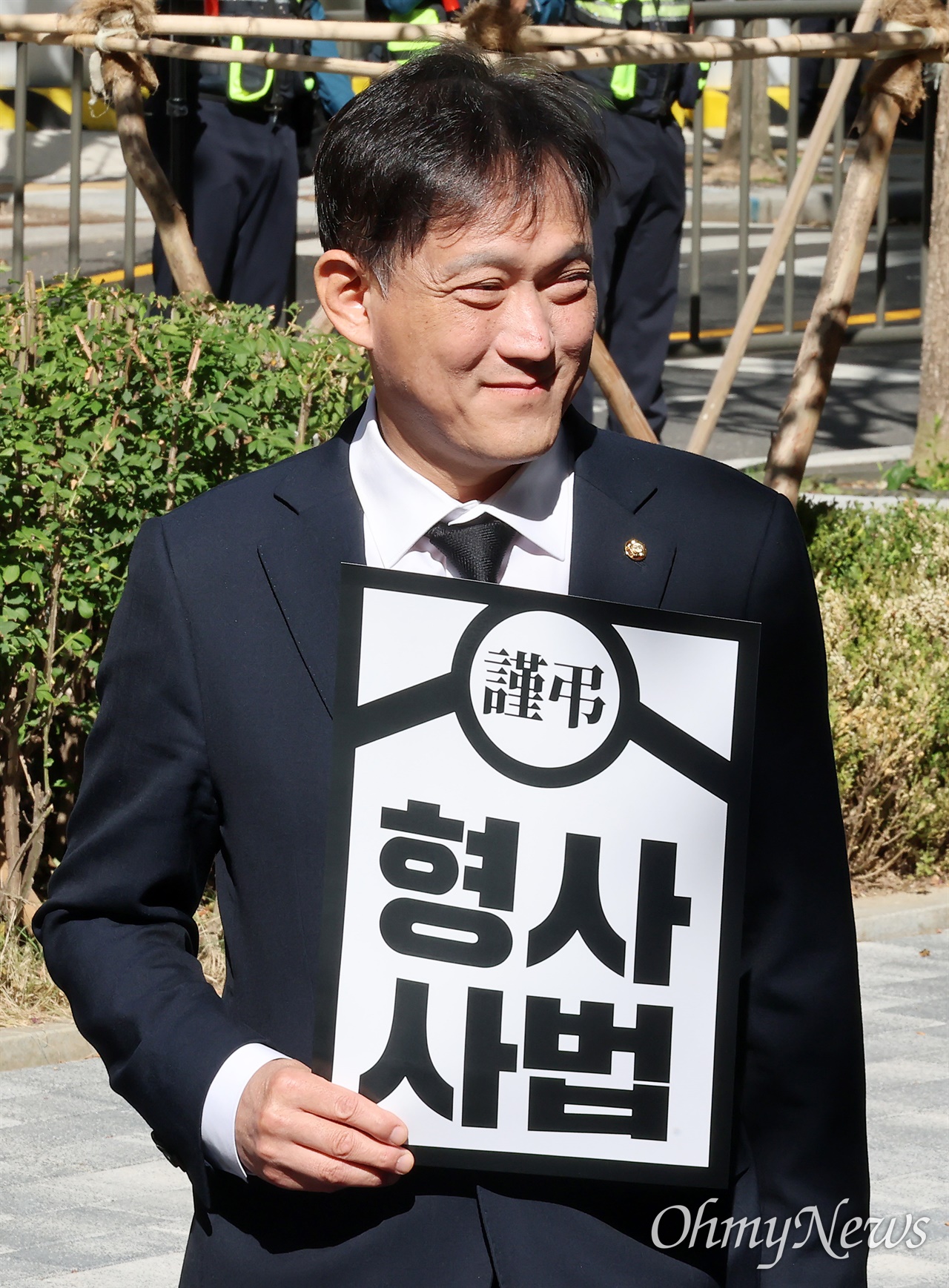
From a legal perspective, the Supreme Court’s full bench in 1997 ruled Jeon Du-hwan guilty as the ringleader of a coup, and the sentence has been finalized. This is a final, valid judgment that has resolved a legal issue for the entire Republic of Korea. Representative Kim Tae-gyu’s claim that it “is not a coup” appears to be a simple expression of political stance without presenting legal grounds. Legal experts warn that denying a final judgment is an act that undermines the authority of the law and poses a significant risk of causing social confusion. Furthermore, regarding the situation of former President Yoon Suk-yeol, related criminal trials are either in progress or entering the final stages. Maintaining a consistent claim that it is “not a coup” in this context can be perceived as an attitude that does not respect legal proceedings. Citizens are not tolerant of the dual attitude of a person who handles the law denying the results of the law.
This legal conflict could also impact the education of modern Korean history in the post-war era. There is a risk that the nature of the May 18 Gwangju Uprising and the December 12 military coup, which have already been reflected in history textbooks and civic education materials, could be thrown into confusion by a politician’s remarks. This could cause confusion for students and citizens in grasping the correct historical truth, leading to serious concerns from the education sector. When asked if he held the same position, Representative Kim Tae-gyu answered, “I think it is not [a coup],” maintaining his firmness. However, rather than the flexibility required for public communication, his rigid attitude in the name of adhering to legal principles is backfiring. Ultimately, this has become a case showing how the unilateral interpretation of an individual legal expert can shake public interest or social consensus.
Key Point: This discusses the negative impact of political remarks on social consensus and educational values, as well as concerns from the education sector.
This criticizes the contradiction between the judiciary’s final ruling and Representative Kim Tae-gyu’s legal interpretation from a legal perspective.
6. Conclusion, Future Outlook, and Guidelines for Reader Action
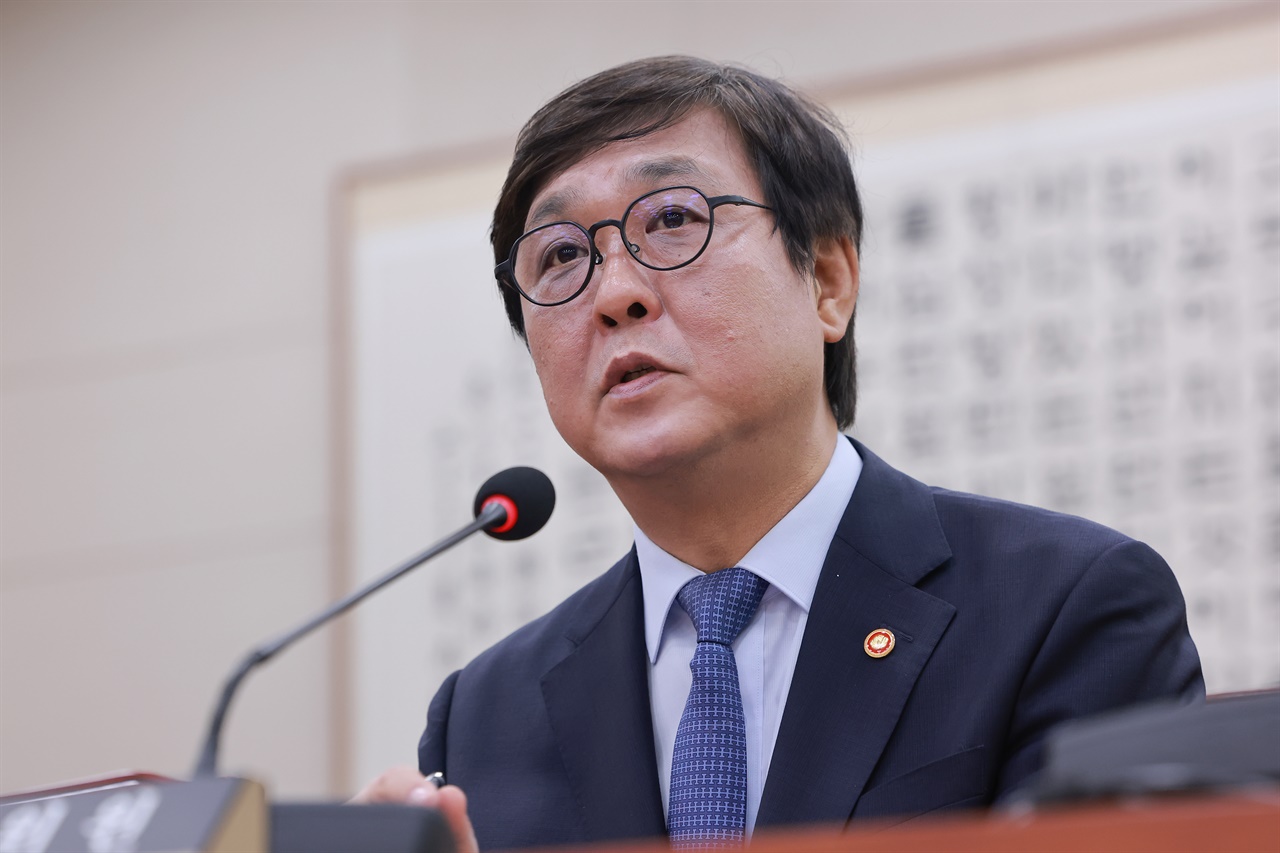
The controversy over Kim Tae-gyu’s remarks is evaluated not as a simple mistake by a single politician, but as a provocative event standing at a critical juncture in the history of South Korean constitutionalism. To minimize the social confusion that arises when the legal judgment of a legal elite conflicts with his political stance, a more mature civic consciousness is needed. When encountering such political debates, readers should prioritize legal and historical facts over the bias of media outlets. Furthermore, when evaluating politicians, one should examine descriptively whether their actual statements and actions are consistent with their background. Representative Kim Tae-gyu’s future actions are expected to influence the restructuring of values within the South Korean conservative camp. We need to continue monitoring and participating to determine which principles should be upheld in the shifting political landscape.
The schedule of the National Assembly’s Special Committee on Ethics meetings and plenary sessions over the next few weeks will be a major test for Representative Kim Tae-gyu and the entire People Power Party. Even if the motion for expulsion is rejected in the vote, the sense of social isolation may last a long time. Conversely, if the controversy is naturally resolved, his influence as a professional faction may be restored. Readers should cultivate the habit of checking primary sources, such as the judiciary’s website or official press releases, rather than the polarized opinions in news comment sections. The ability to accurately pinpoint facts amidst a flood of information is an essential quality for a healthy democratic citizen. We hope this article serves as a starting point for a clear understanding of the controversy surrounding Kim Tae-gyu.
Key Point: This concludes by presenting the importance of upcoming National Assembly schedules and guidelines for fact-based information seeking for readers.
This emphasizes the legal and social lessons from the current situation and the importance of an objective attitude that readers should adopt.
Frequently Asked Questions
=