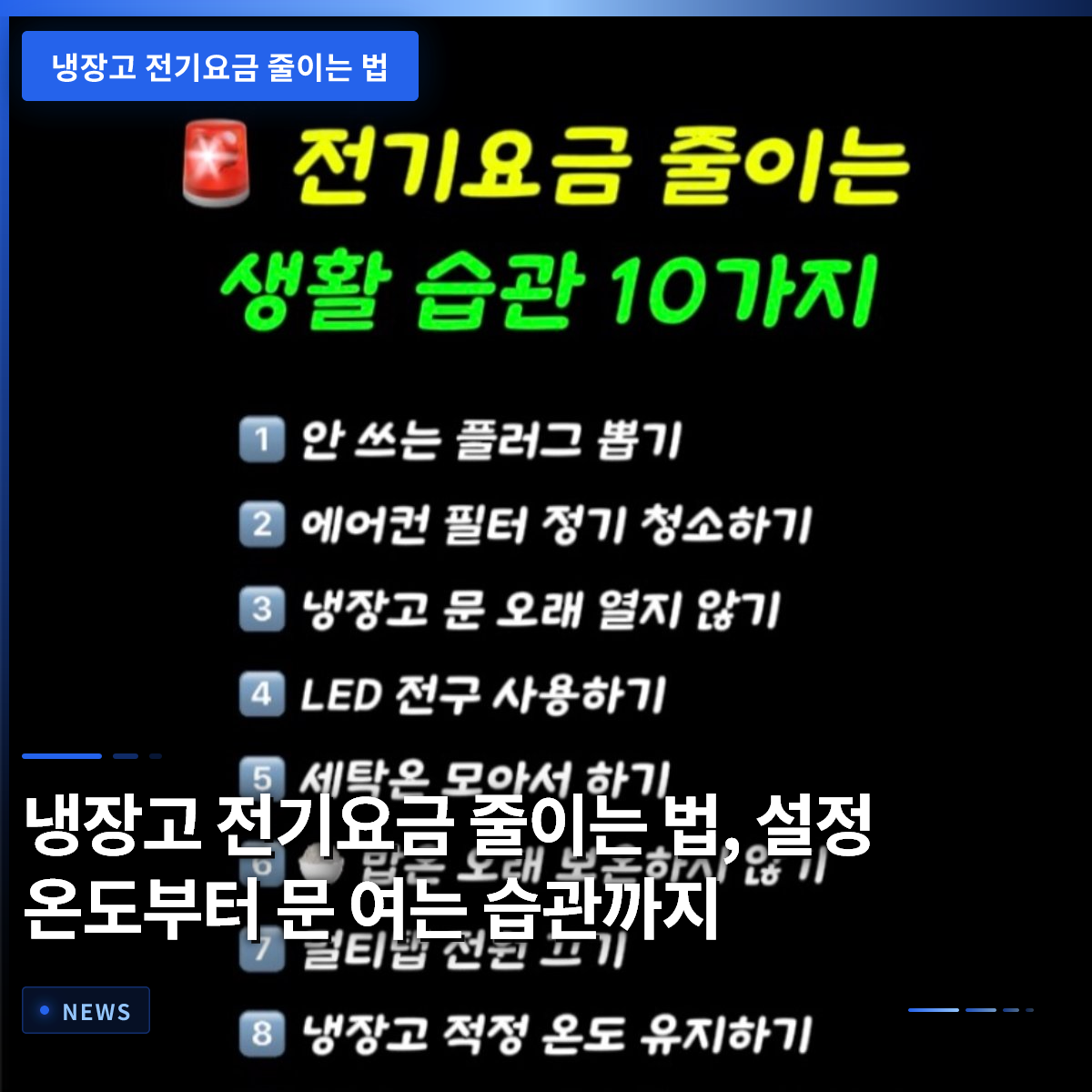
You can reduce your refrigerator’s electricity bill without buying a new unit simply by adjusting the temperature settings and changing your usage habits. Since refrigerators run 365 days a year, even small differences in habits can add up to noticeable changes on your monthly bill.
How to Lower Your Refrigerator Electricity Bill: From Temperature Settings to Door Habits
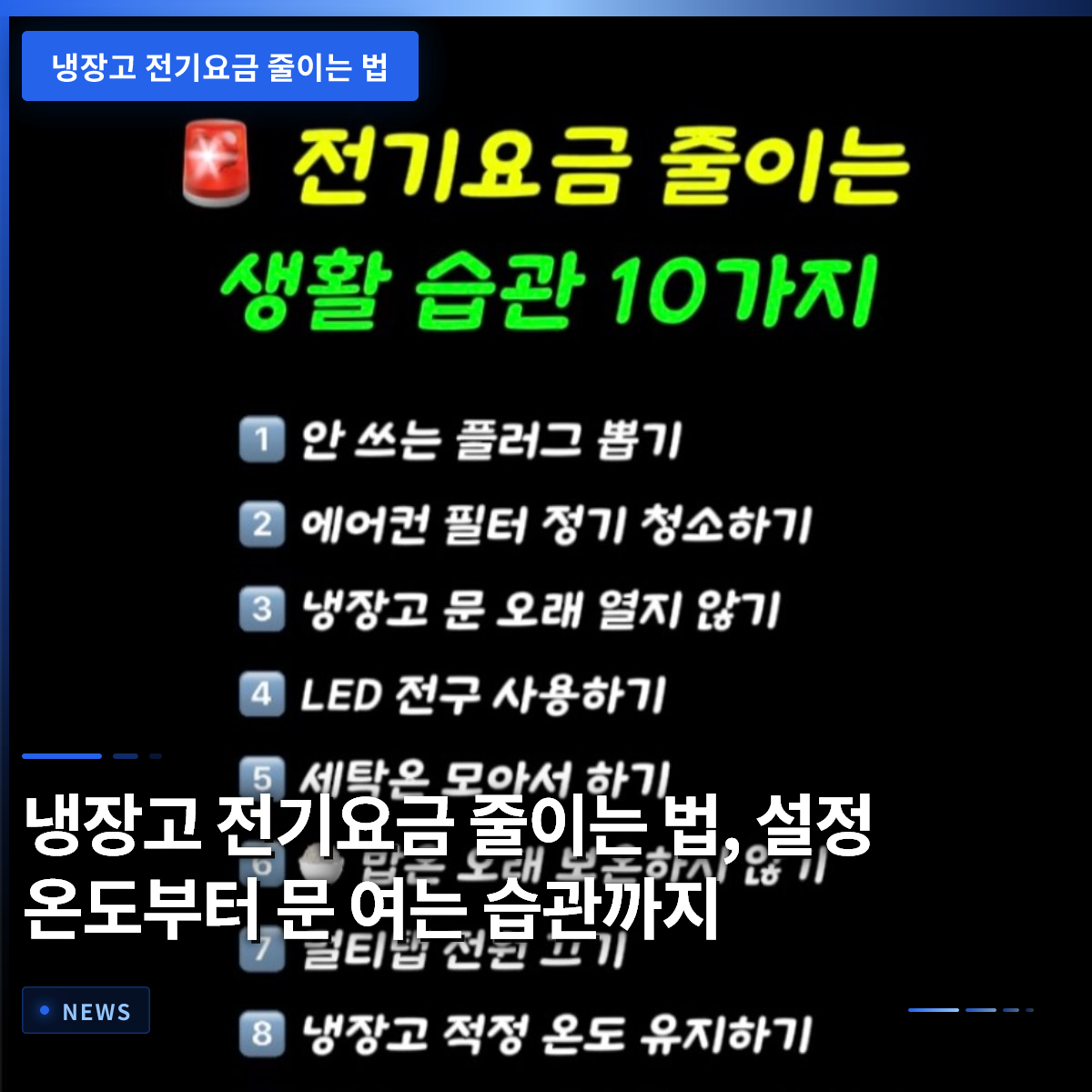
1. The Standard Settings: 3–4°C for the Fridge, -18°C for the Freezer

A general standard for keeping food fresh while minimizing energy use is 3–4°C for the refrigerator compartment and around -18°C for the freezer. Setting the temperature colder does not necessarily make food last longer. If you set it too low, the compressor runs continuously, consuming more electricity. Many people switch to a stronger setting in summer and a weaker one in winter, but modern refrigerators often adjust internal temperatures automatically. Once you set the appropriate temperature, you likely won’t need to adjust it seasonally. Since display methods vary by model, please check your manual.
2. Fill the Fridge to 70%, but Pack the Freezer Full

It is best to fill the refrigerator compartment to about 70% of its capacity to allow cold air to circulate properly from the inside. If packed too tightly, airflow is blocked, causing temperature differences between the inside and outside, which can actually lead to longer running times. The freezer is the opposite. Frozen foods help maintain each other’s coldness, so filling it up is more efficient. If there is empty space, fill it with ice packs or frozen water bottles to prevent the internal temperature from rising when the door is opened.
Keep the refrigerator compartment spacious, but fill the freezer to the brim.
3. Door Opening Frequency and Duration Matter More Than You Think
Every time you open the door, cold air escapes, and the compressor has to work to cool it back down. Deciding what you need before opening the door and reducing the time you spend hesitating with the door open can make a difference. Let hot food cool down slightly before putting it in. If you put in steaming soup directly, the internal temperature rises, forcing the compressor to work continuously for a while. Also, occasionally check if the rubber gasket on the inside of the door has become loose. If a piece of paper slips out easily when you close the door on it, it’s time to consider replacing the gasket.
4. Don’t Forget the Rear Spacing and Dust Cleaning
Refrigerators release heat from the back and sides. If placed flush against the wall, heat gets trapped, reducing efficiency. Install it according to the recommended spacing in the product manual, which usually advises leaving a few centimeters of space from the wall. Dust accumulation on the heat dissipation areas is also a problem. Unplug the refrigerator or turn off the power, and clean the dust with a vacuum cleaner or a soft brush. Once or twice a year is sufficient. Cleaning locations vary by model, so check the manual first.
5. When Is It Time to Replace?
If you have been using your refrigerator for more than 10 years, switching to a model with a higher energy efficiency rating may reduce your electricity bill. However, given the high cost of new appliances, if your old unit has no noise or cooling issues, we recommend trying the habits mentioned above first. If you are considering a replacement, compare the energy efficiency rating and monthly power consumption labels of different models before purchasing. It becomes easier to decide if you consider not just the price, but also how many years you plan to use it.