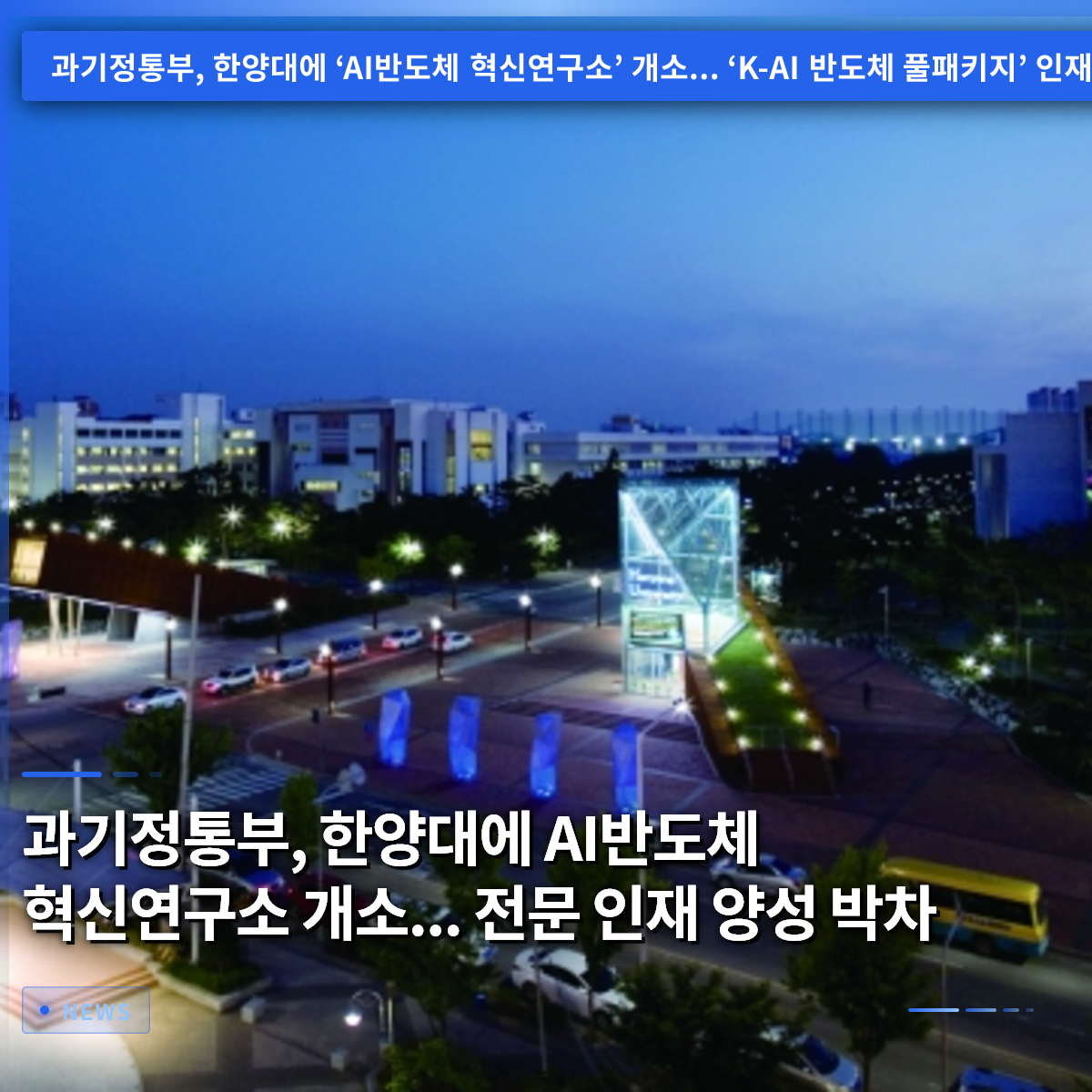
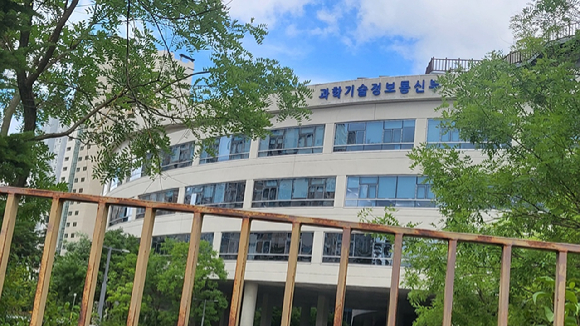
The Ministry of Science and ICT (MSIT) has officially opened a new AI Semiconductor Innovation Research Institute at Hanyang University, marking the beginning of a full-scale effort to cultivate the core talent needed to lead South Korea’s semiconductor industry into the future. As artificial intelligence technology advances rapidly worldwide, the importance of developing specialized hardware to support these advancements is growing day by day. Through the establishment of this institute, the government plans to provide an integrated educational curriculum covering the entire process from design to device fabrication and application. While education in the past was primarily theory-based, there is now an urgent demand for talent equipped with practical skills that can be immediately applied in the field. At this critical juncture, the innovation institute opening at Hanyang University holds significance beyond a mere educational facility, serving as a forward base for domestic technological self-reliance. In this article, we will take a detailed look at the key roles of this newly launched institute and its expected impact on South Korea’s semiconductor ecosystem.
=
MSIT Opens AI Semiconductor Innovation Research Institute at Hanyang University to Accelerate Specialized Talent Development
1. Background of the Launch of Hanyang University’s AI Semiconductor Innovation Research Institute
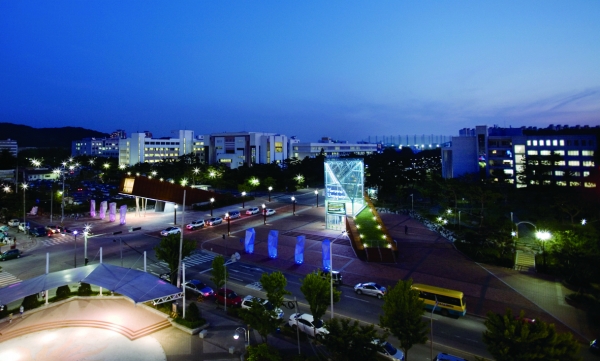
The AI Semiconductor Innovation Research Institute recently opened at Hanyang University was established as an extension of the government’s core national agenda to foster advanced industries. As countries around the world engage in a full-scale battle to secure semiconductor supremacy, South Korea stands at a critical crossroads where it can no longer afford to retreat. In particular, with generative AI reshaping the landscape of every industry, the performance of the computing devices that drive it has become a determining factor in national competitiveness. Based on this sense of urgency, MSIT has joined forces to build a system for securing fundamental technologies and supplying high-level talent centered around universities. Hanyang University, which has long boasted excellent engineering research achievements and a robust network of industry connections, was selected as the optimal location for this significant responsibility. The institute will serve as a hub for industry-academia-research collaboration, leading field-oriented R&D and driving a new leap in South Korea’s technological capabilities. The establishment of the institute is a major turning point in preparing the nation’s future economic engine, going beyond simply expanding research space within a university. In the rapidly changing technological environment, it is clear that private companies alone face limitations in cultivating talent and securing fundamental technologies. This is precisely why the government is partnering with universities while sparing no fiscal or policy support. The numerous young engineers who will emerge from this institute are expected to grow into sturdy pillars supporting South Korea’s semiconductor industry.
The innovation institute established by MSIT at Hanyang University serves as a core base for strengthening national semiconductor competitiveness.
2. K-AI Semiconductor Full-Package Talent Development Strategy
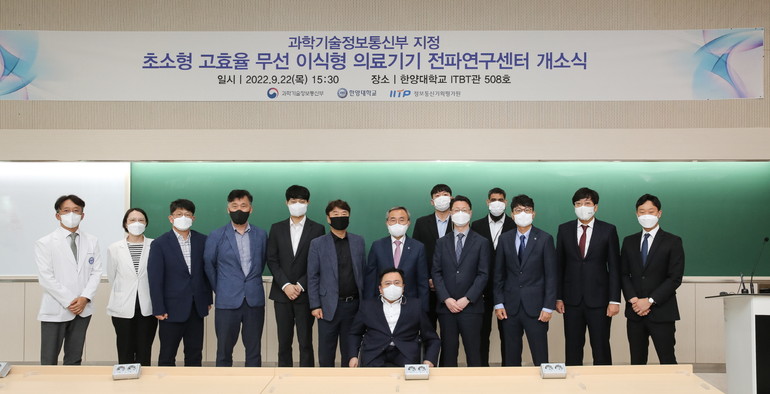
The core keyword of this talent development project, jointly pursued by the government and Hanyang University, is the “full-package” system, which signifies integrated education covering the entire process. Traditional semiconductor education was often skewed toward specific fields such as circuit design or manufacturing processes, making it difficult to fully meet the demands of the rapidly changing industrial field. However, the newly introduced curriculum organically connects all stages, from materials and device research to circuit design and software integration. For example, students can experience the entire process of designing circuits specialized for AI computation and implementing them into actual chips. Talent with this kind of integrated thinking can reduce trial and error and demonstrate immediate problem-solving abilities when deployed in the field. The industry is already experiencing a severe shortage of such convergent talent. Companies are looking for engineers who understand both hardware and software, not just those with theoretical knowledge. The innovation institute plans to significantly increase practical projects involving direct participation from industry experts, in addition to regular coursework. It aims to focus all its efforts on helping students develop the practical sense needed to adapt perfectly to the workplace immediately upon graduation.
Cultivating field-oriented talent through full-package education that covers all processes from design to devices and applications.
3. Presenting a New Model for Industry-Academia Collaboration
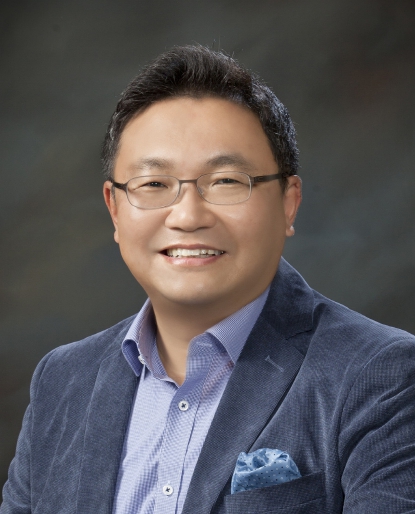
The Hanyang University AI Semiconductor Innovation Research Institute plans to implement an innovative industry-academia collaboration model that breaks down the barriers between universities and companies. From the institute stage, it will communicate closely with major domestic and international semiconductor companies to identify the technical challenges the industry currently needs most. It will also introduce a method where company researchers and graduate students form joint research teams to work together on projects aimed at actual commercialization. This allows students to learn living technology rather than staying confined to textbook knowledge, while companies can discover excellent talent early on. The government has also pledged unwavering administrative and financial support for these industry-academia collaboration sites, thereby enhancing the effectiveness of its policies. This creates a virtuous cycle where excellent fundamental technologies born in university laboratories are not left unused but directly lead to corporate product development. In fact, many advanced countries maintain technological supremacy through industry-academia clusters centered around universities. South Korea is also expected to elevate the quality of its industry-academia collaboration to the next level, taking this Hanyang University institute as a starting point.
Companies and universities conduct joint research to simultaneously achieve field-centric technology development and early talent recruitment.
4. Challenges in Securing Leadership in Future Technologies
The field of AI semiconductors is highly dynamic, with new technologies emerging day by day. A characteristic of this market is the extremely short cycle of technological generation shifts, where yesterday’s top technology becomes obsolete today. Therefore, the Hanyang Innovation Institute must not be preoccupied with short-term results but must also strive to secure long-term fundamental technologies with a 10-year outlook. It needs to break away from the existing industry structure centered on memory semiconductors and secure unique technological capabilities in next-generation computing devices and neural network processing units. To this end, the government and the institute plan to activate joint research with excellent overseas research institutions and significantly expand global talent exchange. It is paramount to create an environment where world-renowned scholars and our young researchers can pool their brains together. Of course, achieving these grand goals requires continuous and stable budget support. In addition to the government’s initial investment, efforts must also be made to build self-sufficiency through long-term commercialization of the technology itself.
Beyond short-term results, it is essential to secure next-generation fundamental technologies and expand the global research network.
5. Opportunities for Young Engineers
The opening of this innovation institute is extremely welcome news for the many young people in South Korea who are nurturing dreams of becoming semiconductor engineers. This is because an environment has been created where they can freely experiment and research in a space equipped with top-level research equipment and infrastructure. In the past, it was common for students to have ideas but be unable to implement them due to difficulty accessing the latest equipment. However, thanks to the government’s full support, students can now test their capabilities in a world-class research environment. Young people should actively utilize these opportunities to enhance their expertise and grow into the protagonists of the future industry. They should view this not merely as a chance to build their resume for employment, but as an opportunity to transform into innovators who lead technology themselves. The government and universities must also serve as a sturdy fence, allowing young people to continue bold challenges without fearing failure. The sweat they shed will become the foundation for South Korea to firmly establish itself as a true technological powerhouse.
A platform has been established for young engineers to grow into global talent in an environment equipped with cutting-edge research infrastructure.
6. Future Outlook for South Korea’s Semiconductor Ecosystem
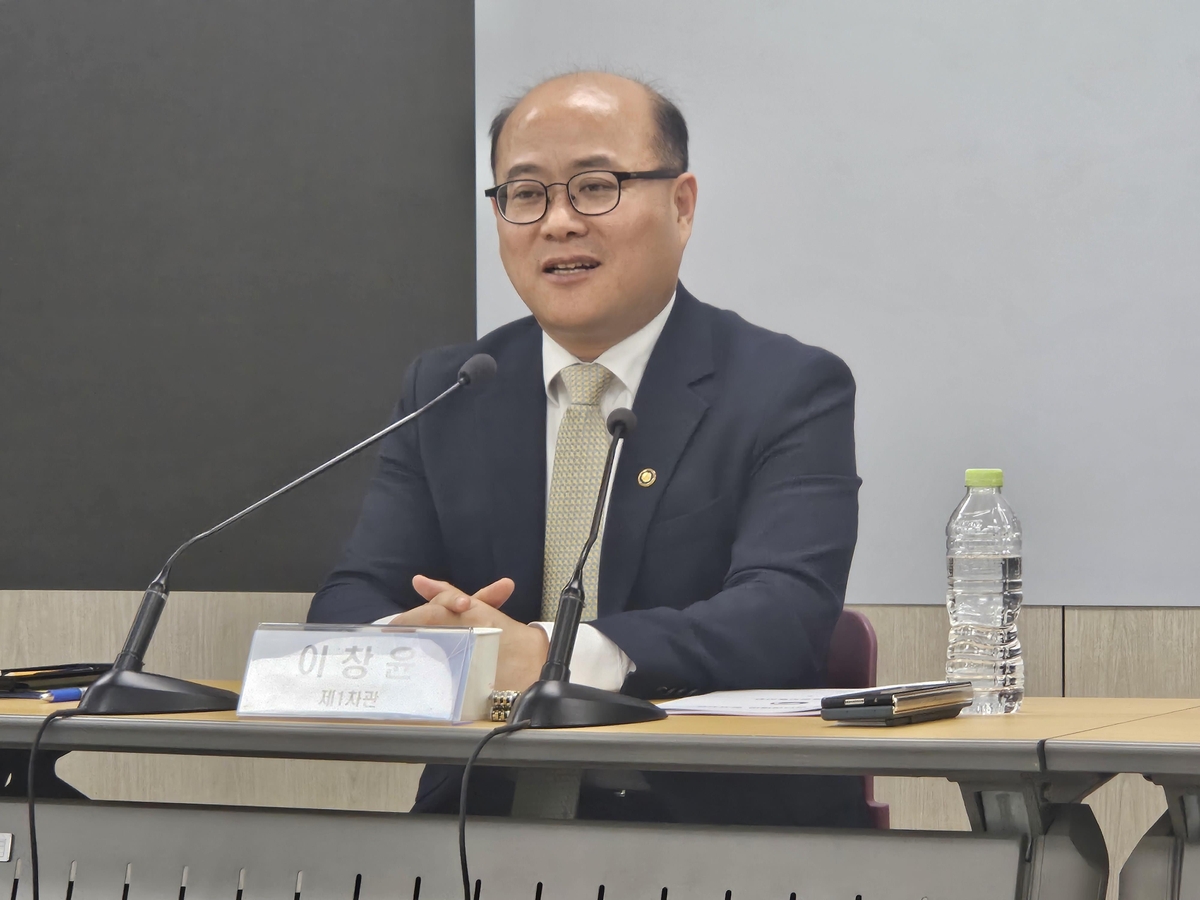
The AI Semiconductor Innovation Research Institute, jointly launched by the Ministry of Science and ICT and Hanyang University, is a crucial stopover that illuminates the blueprint for our country’s future industries in the 21st century. It will play a decisive role in securing system semiconductor competitiveness worthy of the AI era, rather than resting on the title of a memory semiconductor powerhouse. I am confident that the numerous convergent talents to be produced here will inject vitality into every corner of the industrial field. Readers, please send your interest and support so that our country’s advanced technology can leap higher on the global stage. We look forward to the dazzling results that will be created by the harmony of the government’s wise policies, the university’s passion, and corporate participation. Please continue to pay attention to the journey of innovation that South Korea’s semiconductor industry will take in the future.
The synergy created by the cooperation of the government, universities, and companies opens the door to a sustainable future for South Korea’s semiconductor industry.
Frequently Asked Questions
=