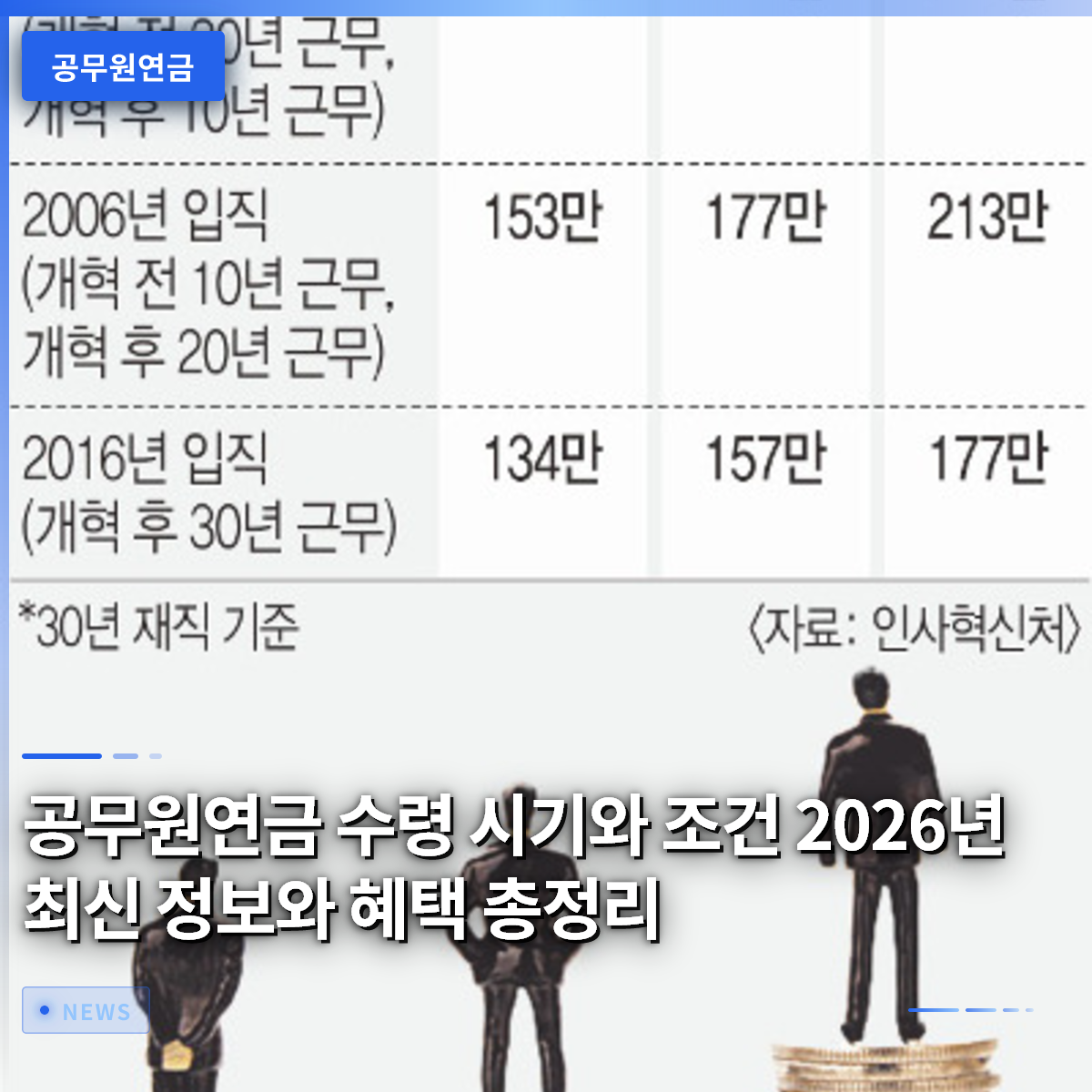
To prepare for a stable life after retirement, it is essential to understand the current age requirements and eligibility conditions for receiving the civil servant pension in 2026. Once considered the epitome of a stable career and a symbol of old-age security, this system has been continuously refined to keep pace with social changes. It is common to see senior colleagues who served for many years feeling relieved as they watch their monthly pension deposits hit their bank accounts. However, when the time for one’s own retirement approaches, many find it confusing to determine exactly when and how much they will receive. In this article, we will clearly explain everything from the timing of benefits and eligibility criteria to recent news about pension increases.
=
Civil Servant Pension: Eligibility, Timing, and Benefits – 2026 Update
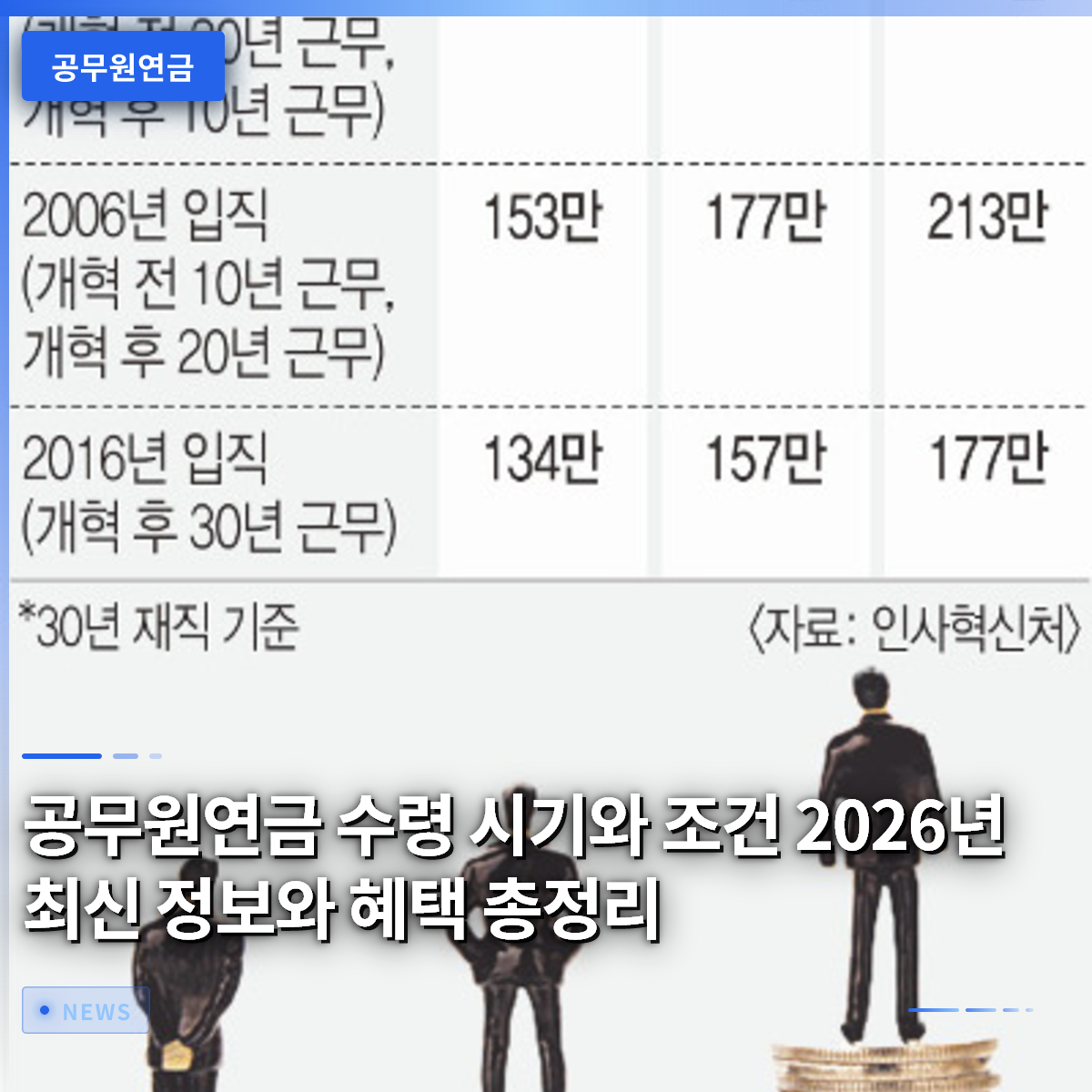
1. Timing of Civil Servant Pension Receipt and Starting Age by Year

The age at which one can actually begin receiving the civil servant pension is gradually increasing based on the timing of retirement and length of service. While it was previously possible to receive benefits immediately after reaching the mandatory retirement age, the starting age is now being raised incrementally, requiring a careful check of one’s birth year. For example, those retiring after a certain year may face an income gap between their retirement and the start of pension payments, necessitating special attention. Consequently, more employees are considering personal pensions or other asset management strategies to prepare for this gap. When speaking with colleagues, many cite the interruption of income after retirement as their biggest concern. Therefore, it is wise to calculate your exact start year for benefits in advance and plan your retirement funds accordingly. Civil servants approaching retirement must verify the starting age table corresponding to their birth year. Some mistakenly believe that funds will be deposited into their accounts simultaneously with their retirement, but payments only begin once the statutory age is reached. To ensure a smooth start to receiving your pension, you must apply during the correct period, so it is advisable to regularly check guidance from relevant agencies. Since retirement planning is a race against time, a proactive approach to early preparation is paramount.
The starting age for civil servant pension payments varies by birth year, so you should check your specific eligibility timing in advance.
2. News of a 2.7% Increase and the Perceived Change in Actual Payments
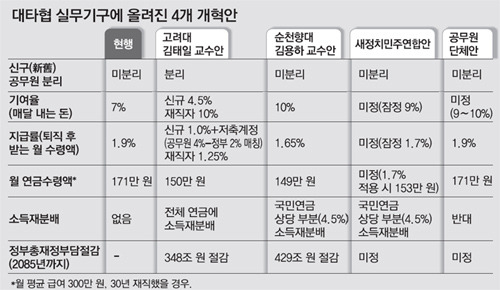
Recent news that the civil servant pension has been increased by 2.7% has drawn significant attention from retirees amidst rising prices. While the percentage figure alone may not seem significant, calculating the actual monthly deposit reveals a tangible difference. For seniors who dedicated many years to public service, this cost-of-living adjustment provides substantial support for their livelihood. However, even non-civil servant employees often show interest in such news, comparing it to the broader welfare system. In times of steep inflation, even a small pension increase has a non-negligible impact on household finances. In fact, one acquaintance mentioned that the increased pension helped alleviate the burden of rising grocery bills to some extent. Nevertheless, voices continue to emerge stating that benefits are not as generous as in the past due to adjustments in the overall pension structure. Efforts to balance fiscal soundness with the stability of retirees’ lives are ongoing. While there are criticisms that the increase does not fully reflect the inflation rate, the trend of regular annual adjustments is being maintained.
Periodic increases in the civil servant pension serve as a response to inflation, but the perceived effect varies from person to person.
3. Does Parental Leave Count Toward the Pension? Checking the Conditions
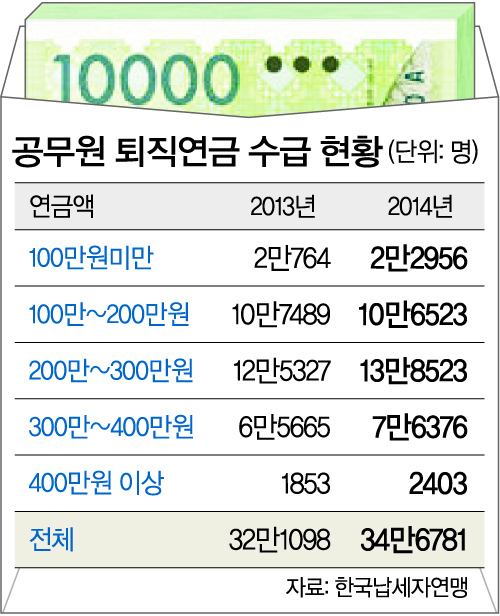
Many young civil servants are curious about how parental leave taken during their tenure is reflected in the calculation of their civil servant pension. It is not the case that all leave periods are automatically calculated in the same way; specific conditions must be examined. The amount received later depends on whether the individual paid the required contribution fees during the parental leave period. One colleague who took leave to raise a child was surprised to learn about this aspect only when calculating their pension later on. Therefore, if financially feasible, diligently paying contribution fees during leave is a strategically advantageous choice. Failing to understand the specific regulations of the system can lead to unexpected losses at retirement, so caution is advised. The most reliable method is to directly inquire with the HR department or the relevant pension fund to check your payment history. For those who continue their public service careers while raising children without career breaks, this pension calculation method is crucial information. To enjoy legally granted rights while protecting your old-age assets, you need the wisdom to carefully examine the details of the system.
Whether parental leave periods are included in pension calculations depends on contribution payments and regulations, so verification is necessary.
4. Diverse Social Contributions and Welfare Benefits by the Civil Servant Pension Fund
The Civil Servant Pension Fund actively engages in various public interest activities alongside supporting retirees’ lives. For instance, they practice warm sharing by providing “happiness bundles” containing daily necessities to vulnerable households before major holidays. These activities involve multiple public institutions joining forces to deliver practical help to neighbors in need within the region. Additionally, the fund demonstrates social responsibility by holding campaigns to raise awareness about the importance of information protection for the next generation. Many retirees who have left public service find fulfillment by participating in community volunteer activities, leveraging their professional expertise. Programs such as “mobile hobby classes” conducted in cooperation with local governments contribute significantly to improving the quality of life after retirement. Many retirees regain vitality in their daily lives through cultural lectures that are rarely accessible otherwise, such as making traditional sweets or craft classes. This role, which cares for overall life welfare beyond simple financial payments, is a crucial mission of public institutions. If you have acquaintances approaching retirement, sharing information about these partnership welfare benefits and cultural programs is a good way to help them.
The Civil Servant Pension Fund conducts various activities for social contribution and retiree welfare in addition to pension payments.
5. Utilizing Preferential Financial Products for Public Pension Recipients
You can receive various preferential benefits by designating a specific financial institution as the account for receiving public pensions such as the civil servant pension or the National Pension. Banks offer practical services, such as cashback campaigns and fee waivers, to attract pension-receiving customers. For example, simply setting up your account to receive monthly pension deposits can earn you points that can be used like cash. During the post-retirement period when stable income is precious, these small financial benefits can be a great help to the household. While changing your primary bank may seem troublesome, it can yield substantial rewards if the conditions are met properly. When choosing a financial product, you should carefully compare long-term preferential interest rates and additional services, not just the cashback amount. You can apply by visiting a bank branch or through a mobile app, so those unfamiliar with digital devices can seek help from their children. Retirement planning is a comprehensive process that includes not only the pension itself but also how to manage and grow the incoming funds. Use your financial wisdom to safely protect and grow your assets after retirement through smart financial management.
Designating a public pension receiving account allows you to enjoy various financial preferential benefits such as cashback and fee waivers.
6. Final Advice for Successful Old-Age Preparation
While the civil servant pension is a sturdy pillar for a stable old age, it is not safe to rely on it alone amidst rapidly changing economic conditions. Considering the trend of delayed benefit start dates and gradual system adjustments, you must plan personal savings and additional asset strategies alongside the pension. Looking around, it is easy to see seniors who are actively preparing for a second life and continuing various challenges even after retirement. The most important attitude is to consistently manage pension payment records and pay attention to system changes from a young age. Based on the eligibility conditions and welfare benefit information reviewed today, we encourage you to carefully envision your post-retirement future. Since policies related to the civil servant pension will continue to change in line with the times, you must regularly check for the latest news. If you have questions, it is best to refer to official guidance from the relevant fund or inquire directly to grasp the accurate facts. Retirement is not an end but a new beginning, so we support you in enjoying a comfortable and happy life through thorough preparation. Take the first step toward a solid old age by checking your estimated benefit amount and conditions right now.
Instead of relying solely on the civil servant pension, you need to plan your retirement diversely and stay updated on the latest systems.
Frequently Asked Questions
=