Rep. Yoon Han-hong is a senior member of the People Power Party (PPP) who has won three consecutive elections in the Masan Hyeonin district of Changwon, South Gyeongsang Province. Recently, he has taken center stage in the political world by delivering unfiltered, harsh criticism toward the party leadership. As a career bureaucrat with a solid administrative background and a strong regional base, his sudden confrontation with the party mainstream has sparked various interpretations both inside and outside the political establishment. Voters are divided on whether these remarks are simply expressions of personal conviction or a highly calculated political strategy tied to the upcoming local elections. In fact, a merchant at a traditional local market last week expressed mixed feelings, noting that it feels somewhat strange to see a senior figure who has supported the party for so long suddenly raising his voice. It is crucial to examine in depth whether these moves will serve as a catalyst for the party’s renewal or a fuse that accelerates internal division. This article will detail Rep. Yoon’s career path and the clues behind the recent intra-party conflicts.
=
Profile of Rep. Yoon Han-hong: Analysis of Recent Political Moves and Controversial Issues
1. Subheading

Rep. Yoon Han-hong’s Career and Political Background
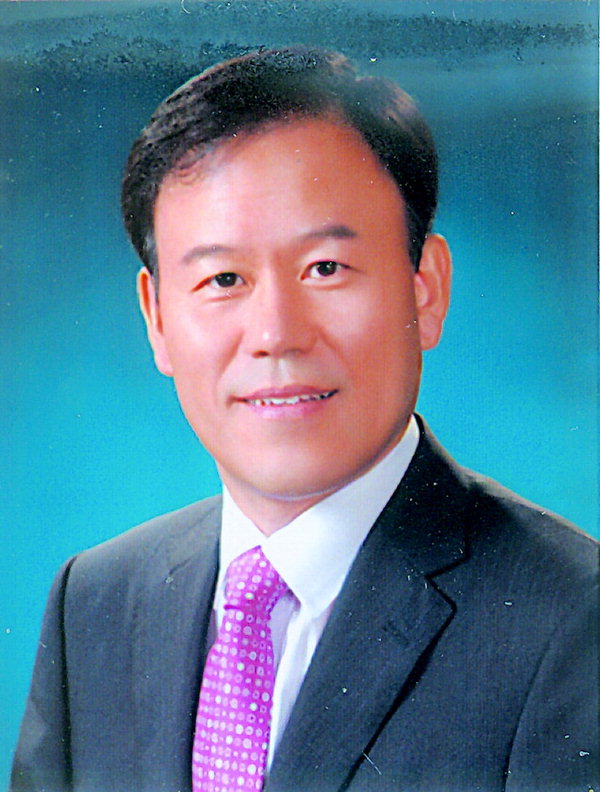
Rep. Yoon Han-hong is a politician with a solid background as a career bureaucrat. After graduating from the Seoul National University Graduate School of Public Administration, he spent many years in public service, building robust administrative capabilities. His experience serving as the Deputy Governor of South Gyeongsang Province, where he coordinated regional issues and oversaw administrative operations, forms the foundation of his current legislative activities. Leveraging this experience, he entered the 20th National Assembly and has since won three consecutive elections, establishing himself as a senior representative of the Masan Hyeonin district. He has primarily served on committees such as the Committee on Industry, Trade, and Resources, focusing on revitalizing the regional economy and drafting industrial policies. His meticulous policy analysis, derived from his long bureaucratic career, is well-regarded among his colleagues and has often led to the introduction of substantive legislation.
However, his impressive bureaucratic career and status as a multi-term legislator have not always been met with positive evaluations; at times, he has been criticized for embodying the image of entrenched interests within the conservative party. Having consistently played key roles at the center of the party since entering politics, his recent harsh criticism comes across as particularly radical. In conversations with local constituents, while there is general trust in his administrative abilities, many question the true intent behind his recent political statements. Voters feel a subtle discomfort seeing a figure who once held significant power in a previous administration now calling for change. Ultimately, his past history both enhances the credibility of his current political statements and paradoxically imposes a burden of responsibility on him. The kind of leadership he demonstrates based on this background during his remaining term will be a key factor determining his political fate.
Rep. Yoon Han-hong, a graduate of the Seoul National University Graduate School of Public Administration and former Deputy Governor of South Gyeongsang, is a three-term senior legislator from Masan Hyeonin with a solid administrative foundation.
2. Subheading
The True Intent and Background of Recent Criticism Toward Party Leadership
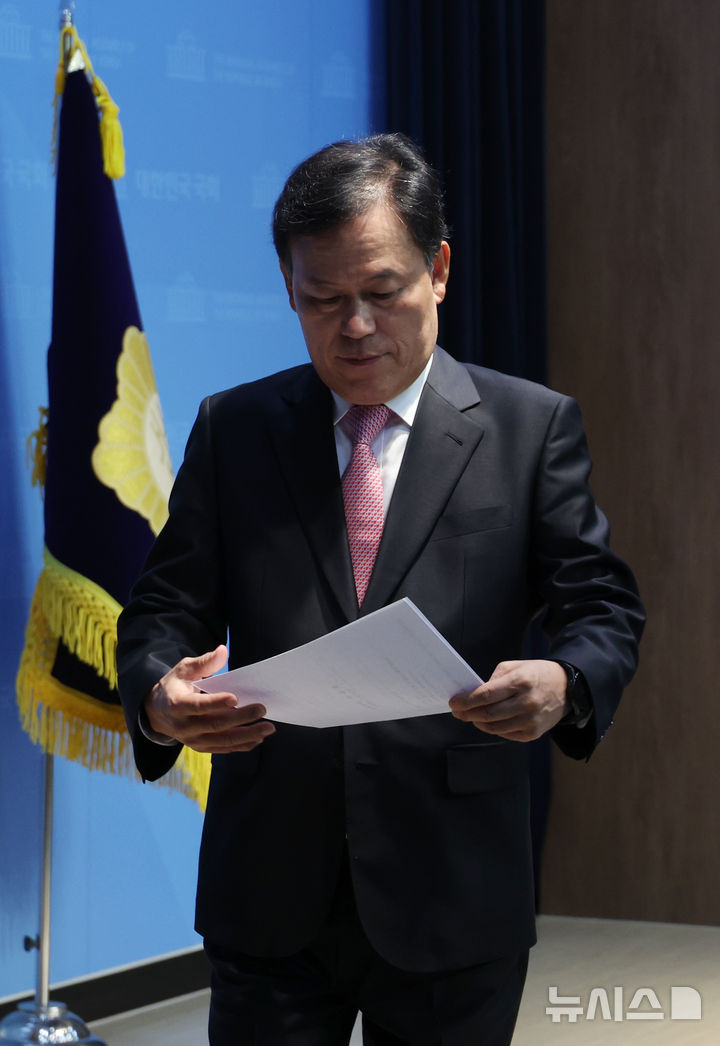
The surface reason for Rep. Yoon Han-hong’s recent daily sharp criticism of party leaders, including the Supreme Council members, stems from deep dissatisfaction with the party’s operational methods. In particular, he points out a lack of communication in critical decision-making processes and a wavering party identity, consistently clashing with the current leadership on every issue. The sight of a figure who played a central role in the previous administration pressuring the leadership based on his identity as a member of the “Yoon faction” has delivered a fresh shock and a sense of bewilderment to many. Both inside and outside the party, the prevailing analysis is that these moves go beyond a simple expression of personal conviction and are a strategic setup to seize intra-party leadership in the future. Indeed, at a time when the party’s internal power dynamics are in flux, the voice of a senior legislator is bound to act as a political weapon with destructive power, rather than just a mere opinion.
Some argue that this criticism is a highly strategic choice to secure a favorable position in the nomination process ahead of upcoming elections. There are indications that he is riding the wave of calls for renewal while the party’s approval ratings are stagnant to ensure his own political survival. Even in recent discussions with political commentators, opinions were sharply divided on whether the current criticism stems purely from love for the party. While some praise it as tough love to save the party, others coldly dismiss it as merely an extension of a power struggle. The reason each of his remarks causes such massive ripples lies in the combination of his political stature and his past actions. Understanding the true intent behind the blade aimed at the leadership—who it is ultimately directed at—is the key to reading the current political landscape.
Rep. Yoon’s criticism of the party leadership is interpreted as dissatisfaction with decision-making methods and a strategic move to secure future intra-party leadership.
3. Subheading
Criticism and Controversy Over Self-Interest from Within and Outside the Party
In response to Rep. Yoon’s unfiltered remarks, some within the party have sharply criticized him, arguing that it is cowardly for those who have enjoyed power in the past to now speak out. The image of former key power brokers who enjoyed all the benefits and authority of the previous administration now trying to differentiate themselves as the party faces difficulties is actually backfiring with the support base. A quick look at internet communities or comments on political articles reveals cynical reactions to senior figures who had been silent suddenly raising their voices. I, too, often question who benefits from such changes when politicians rapidly shift their stances during crises. Even local residents are divided, with some feeling disappointed that he is speaking out only now, while others are relieved that someone is finally pointing out the wrongs.
This controversy clearly shows that voter evaluation depends on the timing of a politician’s words and the degree to which their sincerity is guaranteed. Even within the support base, there is a coexistence of hardline views that refuse to pardon past actions and moderate views that advocate accepting the tough love of senior members for the sake of party change. Opponents within the party characterize his actions as “self-politics” aimed solely at his own political survival. In response, Rep. Yoon’s camp argues that it is unavoidable advice necessary to save the party, but winning back the gaze of a turned-away public opinion is no easy task. Since politicians must ultimately speak through the results of their actions, the only solution to quell this controversy is to demonstrate specific legislative activities and practical actions. As the voices of criticism grow louder, his political burden increases accordingly, drawing attention to his future response strategy.
The attempt by a figure who enjoyed power in the previous administration to now differentiate himself is facing criticism from both inside and outside the party as cowardly self-politics.
4. Subheading
Conflict with the Jang Dong-hyuk Regime and Prospects for Intra-Party Power Struggles
The subtle tension between the current PPP regime led by Chairman Jang Dong-hyuk and senior members is escalating into a significant conflict that will determine the party’s operational direction, going beyond mere personnel dissatisfaction. On the surface, the clash is over issues such as party audits and the restructuring of decision-making processes, but underneath lies a battle for leadership in the upcoming local elections for regional governors. While the leadership attempts to strengthen party unity and discipline, senior members are putting the brakes on the unilateral operational style and persistently demanding a change in leadership. This clash between new and old forces has brought both the strengthening of party member rights and the issue of leadership accountability to the surface, plunging the party into significant chaos. It is widely predicted that the rift will not be easily healed, as emotions have run so deep that shouting matches have occurred in party meetings.
In this conflict, Rep. Yoon Han-hong stands at the forefront of the senior group, meticulously pointing out the leadership’s mistakes to assert his presence. However, the leadership also has reasons not to back down easily, and this standoff appears as internal strife, fueling disappointment among the support base. A party member who attended a party association meeting a few days ago expressed deep frustration, sighing that the party is fighting every day when it should be uniting its strength. The longer the intra-party conflict lasts, the more the momentum for reform is lost, and the greater the risk that the damage will fall squarely on the entire conservative camp. How the Jang Dong-hyuk regime breaks through this pressure from senior members and leads party harmony will be the biggest turning point in future political management. If the two sides fail to find a compromise and reach extremes, it could lead to an irreversible party split or a major political reshuffle.
The conflict between the Jang Dong-hyuk regime and senior members is not just a minor party friction but a fierce power struggle to seize leadership for future elections.
5. Subheading
Local Election Strategy and Rep. Yoon Han-hong’s Political Future
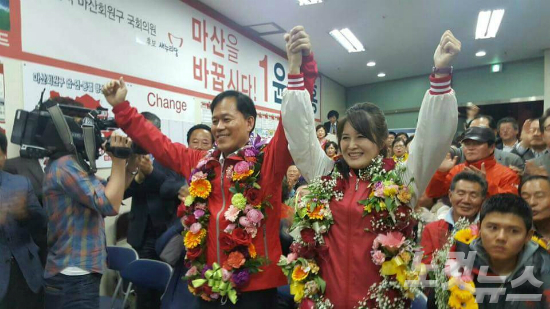
The upcoming local elections are certain to be a massive trial that will determine the political survival of senior PPP members, including Rep. Yoon Han-hong. Senior members unanimously argue that the current leadership regime has its limits and that major changes are essential to secure victories in key hubs, including South Gyeongsang Province. While Rep. Yoon is raising his voice to stabilize local public opinion and lead to electoral victory, it remains uncertain whether these moves will translate into intra-party cohesion. If criticism within the party intensifies, claiming that he is fomenting internal discord, it could have a significant negative impact on his future political prospects, including speculation about his potential run for Governor of South Gyeongsang. Conversations with local residents reveal a coexistence of voices calling for capable workers to drive regional development and concerns about politicians being preoccupied with central political battles.
Since a politician’s fate is always determined by the strict judgment of voters, whether his current moves are a gain or a loss must be proven by election results. Although his support base in South Gyeongsang has been solidly built over many years, the recent rough intra-party conflict is sufficient to act as a new variable. His advisors advise that he should now present a concrete blueprint for electoral victory and show alternatives that go beyond mere criticism. Having covered the political scene, I have witnessed countless times how politicians who invite intra-party discord ahead of elections ultimately cannot escape the voters’ harsh judgment. For Rep. Yoon to successfully expand his political future, he must produce tangible results by resolving the party’s chaos and leading to victory in South Gyeongsang. All eyes in the political world are focused on what results his strategic moves will yield in the upcoming nomination process and election phase.
Rep. Yoon’s moves, citing the need for local election victory, are expected to have a decisive impact on his political future, including a potential run for Governor of South Gyeongsang.
6. Subheading
Voter Perspectives and Future Political Outlook
Voters possess the wisdom to place far greater value on the precise timing of a politician’s words and the sincerity behind them than on flashy rhetoric. For Rep. Yoon Han-hong’s series of radical moves to be recorded in history as genuine advice for the party’s renewal, he must demonstrate responsible leadership in the remaining election process. Only when his actions serve as a foundation to rebuild the collapsed conservative camp, rather than a means for personal survival, will voters give him their true applause. I sincerely hope that instead of endless intra-party chaos, the process evolves into a vision that offers new hope to the people through productive debate and intense reflection. Politics must ultimately be a process that benefits the lives of the people, and only politicians who do not forget this essence can survive in the long run.
The current political situation is like a crucial litmus test that gauges the direction Korean conservative politics should take, going beyond the rise and fall of specific politicians. If senior members, including Rep. Yoon, remain complacent in the past and focus solely on power struggles, voters are prepared to deliver a cold judgment at the polls. Conversely, if this conflict serves as a catalyst for the party to undergo a complete transformation, it could provide a stepping stone for a new leap. A regular office worker I met a few days ago expressed a humble wish, saying he is tired of seeing politicians fight and asking them to please prioritize people’s livelihoods. We must not forget that what the people truly desire is not the winner of a power struggle, but capable workers who will create a better world. It will be worth watching to the end whether Rep. Yoon Han-hong can listen to these voices of the voters and reinvent himself as a true leader during his remaining political career.
Voters value timing and sincerity over a politician’s words, and Rep. Yoon must prove his results through responsible leadership.
Frequently Asked Questions
=