The Ministry of Culture, Sports and Tourism is comprehensively designing the support direction for the 2027 government budget by actively reflecting the vivid voices from the field in theater, classical music, Korean traditional music, and dance. This reflects a strong will to move away from the conventional practice of making decisions behind closed doors and to establish effective support measures based on the difficulties artists directly experience. An environment is being created where the hidden efforts of artists who sweat behind the scenes receive fair compensation and can focus solely on their creative activities. This policy shift will serve as an opportunity to strengthen the foundation of South Korea’s culture and arts, going beyond mere financial investment. Let’s take a detailed look at what kind of support artists in the field truly desire and what blueprint the government is drawing. We hope this will be a time for our readers to consider together the right direction for our cultural and artistic community.
=
2027 Government Budget: Shaping Direction Through Voices from Theater, Classical, Traditional Music, and Dance Scenes
1. The Need for a Field-Centered Budget
Although the government’s budget for cultural and artistic support has increased over time, the reality felt by artists in the field has remained quite cold. Complaints have been constant about being overwhelmed by paperwork, leaving little time for actual creation, and about the high barriers to accessing funding. For example, small theater troupes and unknown classical musicians often give up on applying for budgets due to complex documentation procedures. To address these issues, the Ministry of Culture, Sports and Tourism has arranged sessions to visit the field directly and listen to the true feelings of artists. The realistic hardships that can never be understood from behind a desk are serving as a valuable compass for designing this budget.
The process of reflecting the voices from the field goes beyond simply listening to opinions; it is leading to actual institutional improvements. The experiences of failure and success directly encountered by artists are forming the framework of a new support system. As communication broadens, there is a positive effect of increased transparency and efficiency in budget execution. In the future, an environment will be created where artists are not burdened by unnecessary administrative tasks and can focus solely on the quality of their work. These changes are expected to play a significant role in raising the overall quality of South Korea’s culture and arts.
Through field-centered communication, the actual hardships of artists are being identified to establish substantial support measures.
2. Vivid Voices from the Theater Sector
The theater industry is facing severe financial difficulties due to rising venue rental fees and insufficient production costs. It is a sad reality that young directors and actors, who struggle even to secure opportunities to perform, are forced to work part-time jobs to make a living. Theater professionals involved in the design of this budget strongly demanded the securing of stable rehearsal spaces and the expansion of basic production support. The prevailing opinion was that long-term support is essential to ensure that a single work can consistently meet with audiences, rather than relying on one-off assistance.
There was also a strong call for urgent budget allocation to activate regional performances, allowing high-quality theater to be enjoyed in small local cities as well. Criticism has been constant that audiences in the regions have very few opportunities to experience good theater as culture becomes concentrated in Seoul. Responding to these field demands, the Ministry of Culture, Sports and Tourism plans to allocate the budget in a direction that fosters the self-sufficiency of the regional theater ecosystem. A world is coming where theater artists can perform freely without economic worries and audiences can feel moved in their nearby communities.
Effective budget allocation is being discussed to resolve the chronic burden of venue rental fees and regional disparities in the theater sector.
3. Mutual Growth Strategies for Classical and Traditional Music
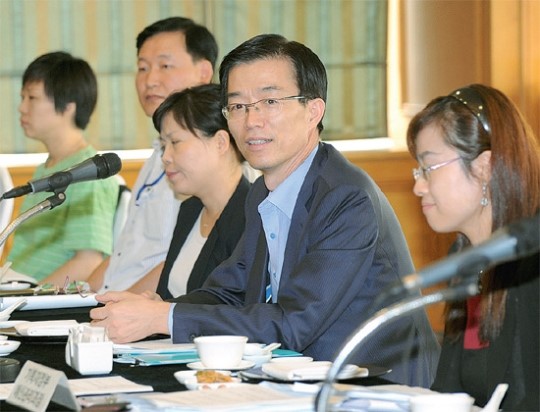
The classical and Korean traditional music sectors are also pooling their heads with the government to find new breakthroughs within their unique environments. Classical musicians expressed the pressure of costs for establishing and maintaining orchestras and requested support for expanding performance opportunities. On the other hand, traditional musicians unanimously called for the expansion of specialized production grants needed for the modernization and popularization of traditional music. Since both genres face existential threats if they lose public interest, budget for programs that increase contact with the audience is essential.
Based on these opinions, the government is conceptualizing an integrated support program that allows classical and traditional music to collaborate and create synergy. This is because when different genres meet to present new forms of music, they can elicit an explosive response from the public. In fact, joint performances of traditional Korean instruments and Western instruments have previously given audiences a fresh shock and received great acclaim. Careful design is underway to ensure that budget support serves as a stepping stone for artistic experimentation and challenge, going beyond mere livelihood maintenance.
Budget for collaboration programs that leverage the characteristics of classical and traditional music while broadening contact with the public is expected to be expanded.
4. The Creative Environment Desired by the Dance Community
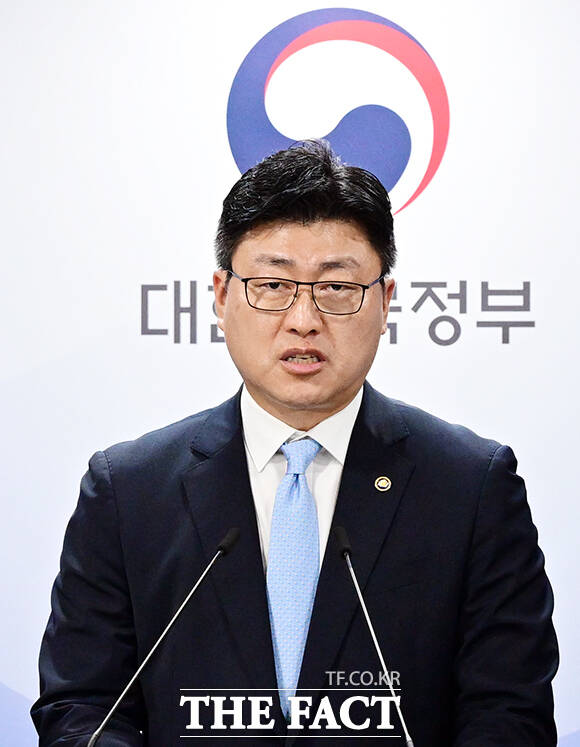
The dance community has always suffered from budget shortages due to the heavy burden of rehearsal room rental costs and professional stage equipment fees. As an art expressed through the body, the risk of injury is high, yet there has been significant dissatisfaction over the lack of appropriate medical support or welfare systems. At this consultation, dancers requested the expansion of dedicated rehearsal spaces where they can practice with peace of mind and the resolution of welfare blind spots. It is pointed out that delicate policy consideration is needed to care for the bodies and minds of artists who are bruised and exhausted behind the glamorous stage.
The Ministry of Culture, Sports and Tourism is significantly revising related budgets to create a safe environment where dancers can dance with confidence. It is coordinating to expand the rehearsal room rental support program and lower the threshold for artist welfare benefits to provide substantive help. Since technical elements such as stage sets and lighting are very important in dance performances, the method of production cost support will also be reformed to fit reality. The government is directly building a sturdy fence so that artists do not have to give up their dreams for economic reasons.
Support for dedicated rehearsal spaces and strengthened welfare systems for dancers are being implemented to boost creative motivation.
5. Core Strategies of the 2027 Budget
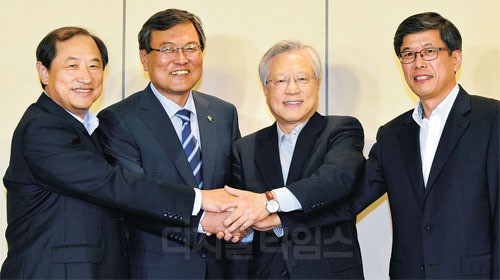
The most significant feature of the 2027 government budget is that it moves away from uniform support and adopts customized strategies for each genre. This approach involves accurately understanding the specific characteristics of each field—such as theater, classical, traditional music, and dance—and investing substantial funds accordingly. For example, administrative procedures will be significantly simplified to prioritize creating an environment where artists can focus solely on creation instead of dealing with complex paperwork. Additionally, performance-based evaluation criteria will be supplemented to enhance the transparency of funding while maximizing the autonomy of artists.
This budget allocation is not about short-term performance metrics but is a grand blueprint looking ten years ahead for South Korea’s culture and arts. It will be a critical turning point in establishing a virtuous cycle where the voices from the field become law and policy. The process of continuous dialogue and feedback between the government and artists is already achieving a massive innovation. It is expected that in 2027, all our citizens will be able to enjoy a more abundant and diverse range of pure arts in their daily lives.
The future of culture and arts is being designed through customized support that leverages the characteristics of each genre and administrative simplification.
6. A Bright Future for Culture and Arts and Our Role
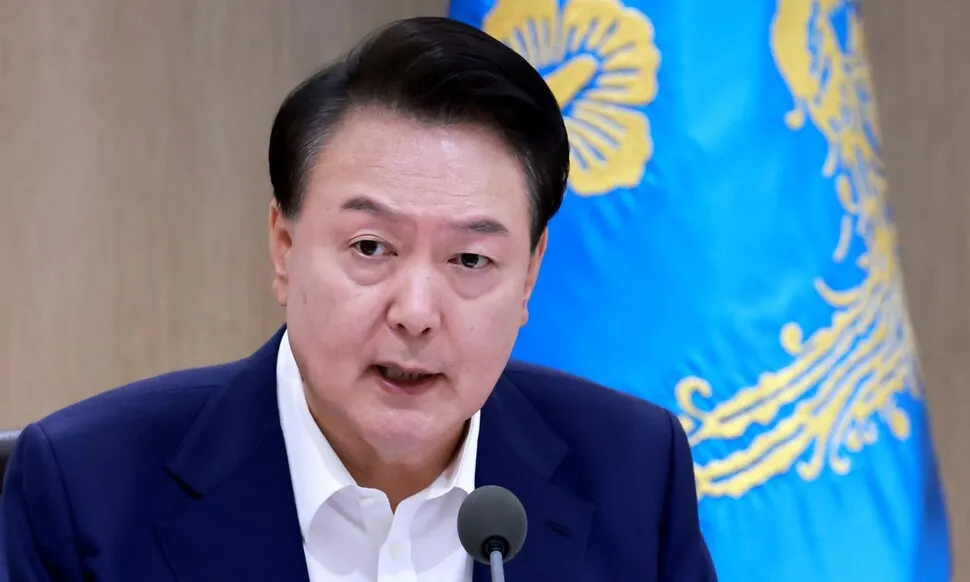
These government efforts will ultimately become the driving force to fundamentally change the nature of our cultural and artistic community and enhance competitiveness on the world stage. Budget allocation that listens to the voices of field artists is a solid foundation for South Korea to leap forward as a true cultural powerhouse. For our readers, frequently visiting performance halls and showing warm interest in pure arts is the best way to cheer them on. Please keep a close eye on what kind of changes the 2027 cultural and artistic budget will bring to the field. The small interest and love of us all can gather to make the future of South Korean art bloom even more brilliantly.
Field-tailored budgets are a stepping stone to becoming a cultural powerhouse, and continuous interest and participation from the public are important.
Frequently Asked Questions
=