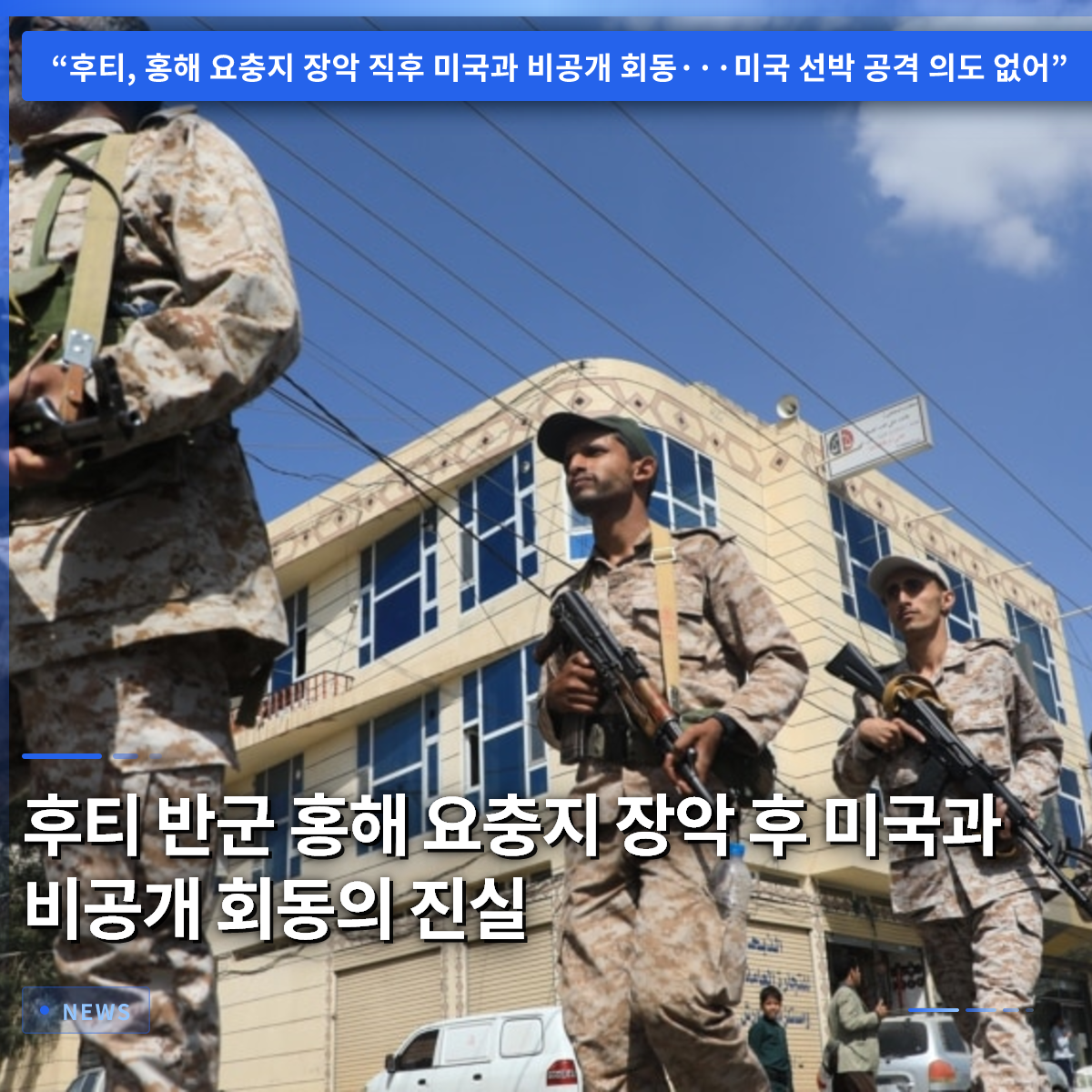
International attention is focused on reports that Yemen’s Iran-aligned Houthi rebels held secret meetings with the United States shortly after seizing strategic strongholds along the Red Sea coast. It is reported that during these meetings, the Houthis clearly conveyed that they have no intention of attacking US vessels and intend to continue honoring the ceasefire agreement reached in the past. Top US officials, including President Donald Trump and Vice President JD Vance, have directly or indirectly acknowledged the fact of direct contact between the two sides, appearing to seek a diplomatic solution. Behind the armed conflicts in the Middle East that we see in the news every day lie such intense behind-the-scenes diplomatic contacts and interests. We must carefully examine whether this meeting will be a signal for long-term Middle East peace or merely a temporary tactical gesture. From here, we will take a close look at the Houthis’ recent moves, the background of their secret contact with the US, and the reactions of neighboring countries, including Saudi Arabia.
=
The Truth Behind Secret US-Houthi Talks After Houthi Seizure of Key Red Sea Strongholds
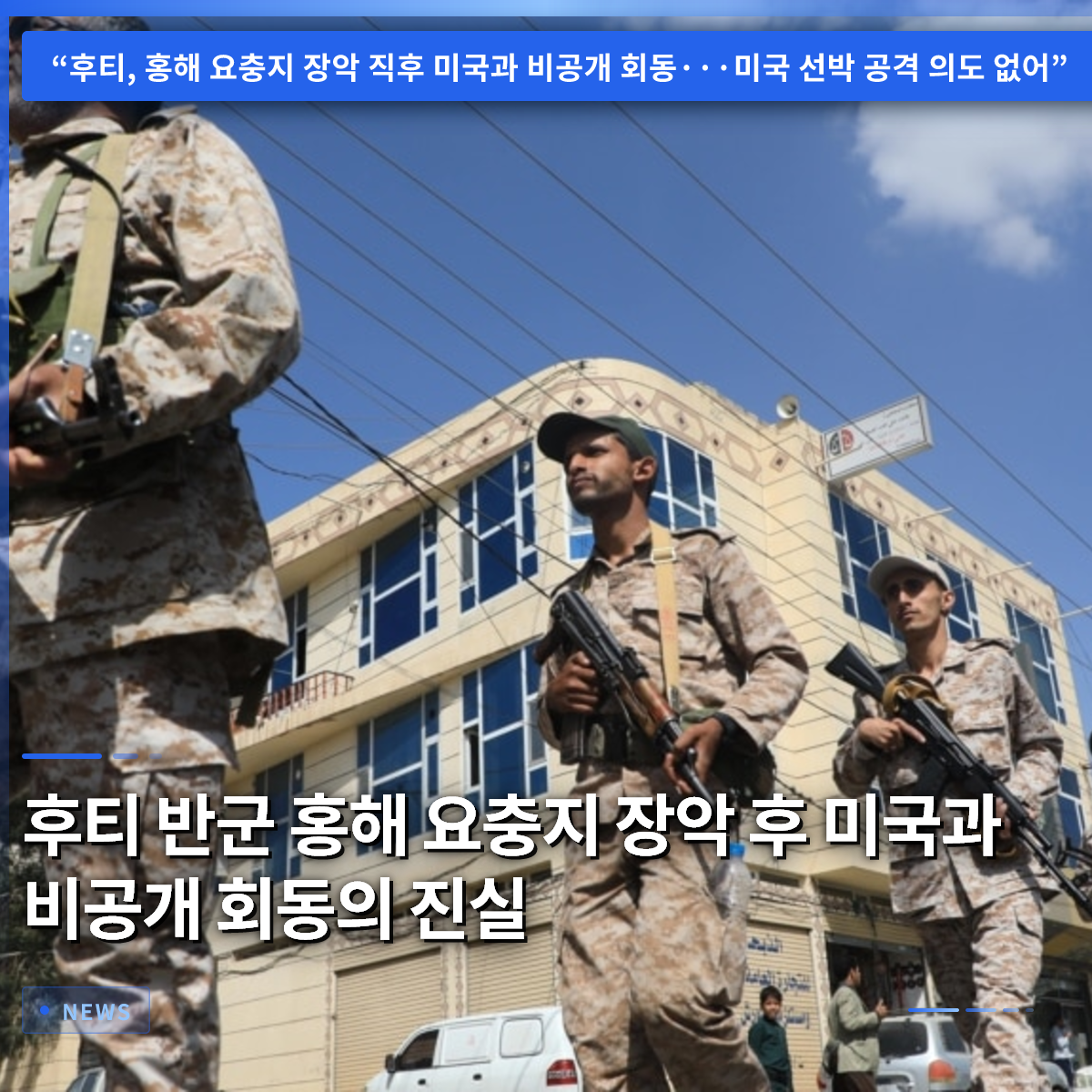
1. A Secret Meeting Brokered in Oman
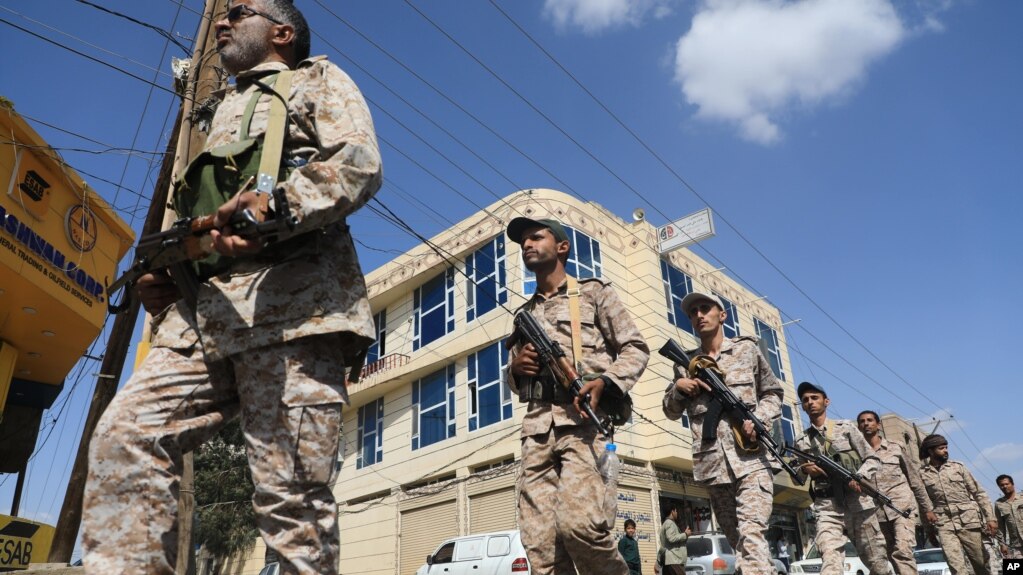
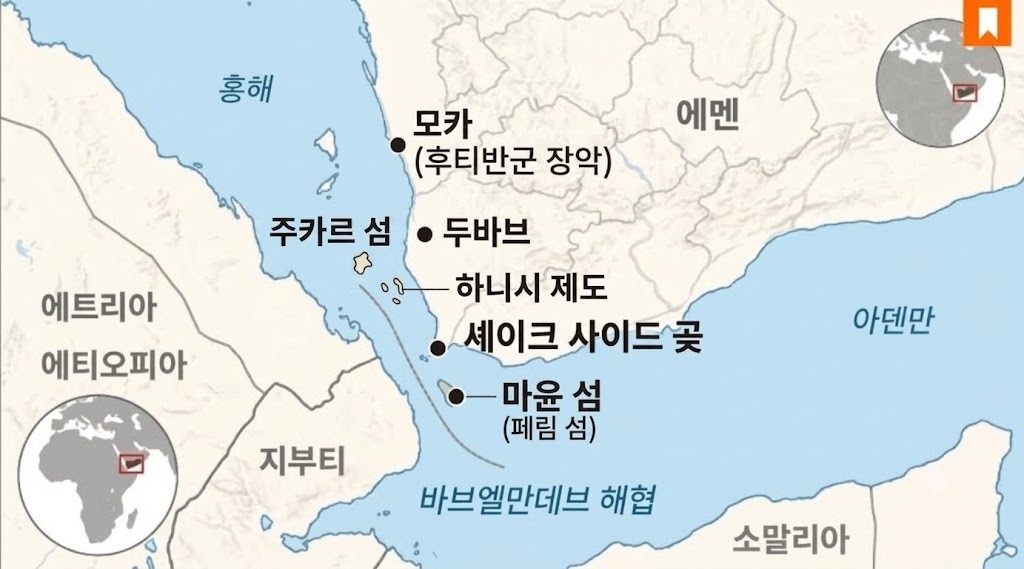
According to multiple diplomatic sources, US officials held an impromptu meeting with a Houthi delegation at the US Embassy in Muscat, the capital of Oman, last weekend. This meeting took place just days after the Houthis completely expelled Saudi-backed forces and seized key strongholds along the Red Sea coast, including the port city of Mokha and Perim Island in the Bab el-Mandeb Strait. It is reported that the Omani government, which has long played the role of mediator in the Middle East, brokered this meeting, raising the possibility of de-escalation between the two sides. On the US side, operational officials from the US Embassy in Oman attended, while on the Houthi side, senior figures listed on US sanctions lists, such as Mohammed Abdul-Salam and Abdulmalik al-Houthi, were present. In particular, Mohammed Abdul-Salam is known for having used Muscat as a base to oversee various external negotiation tasks. The US State Department, while refusing to officially confirm the meeting, stated only the fundamental position that maintaining freedom of navigation in the Red Sea and preventing the spread of terrorism are core US interests.
The Houthis’ sequential seizure of key Red Sea bases posed a significant threat to global maritime logistics networks. Nevertheless, their immediate move to extend a hand for dialogue to the US suggests a calculation to avoid reckless escalation. Using Oman as a safe third-party zone to open a direct communication channel with the US is a strategy to secure a favorable position in future diplomatic battles. In fact, on the international diplomatic stage, it is not uncommon for working-level meetings to be held behind the scenes before official announcements to gauge each other’s intentions. This can be compared to the logic of resolving misunderstandings through quiet conversation rather than public quarrels when we face conflicts in daily life.
The Houthis held secret talks with the US, brokered by Oman, immediately after seizing key Red Sea strongholds, attempting behind-the-scenes communication.
2. The True Intent Behind the Message of No Intent to Attack US Vessels
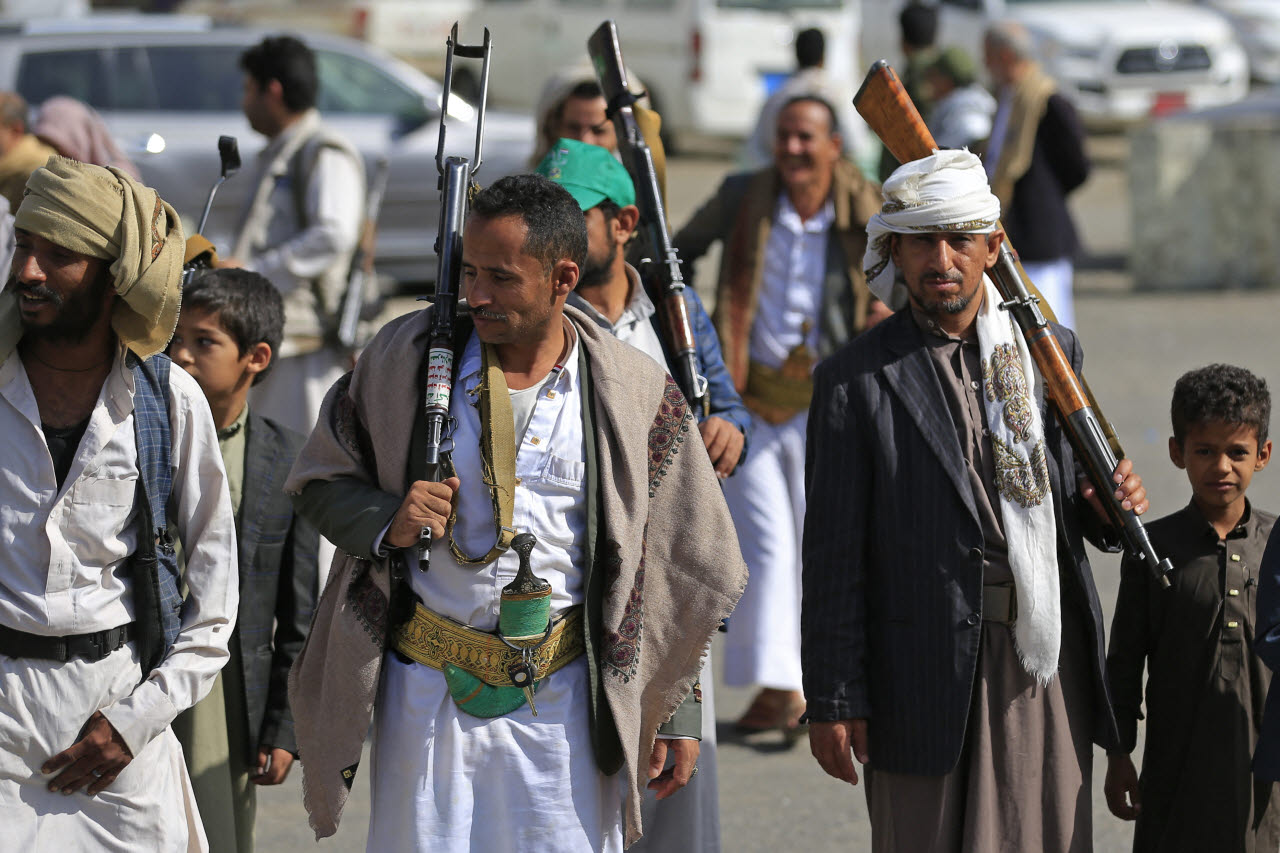
The core message conveyed by the Houthi delegation to US officials during this secret meeting was that they have no intention whatsoever of attacking US vessels. They repeatedly emphasized their stance of strictly adhering to the ceasefire agreement signed with the US in 2025, demonstrating a will to refrain from escalation. According to local sources, the Houthis hinted that they could exclude Israeli vessels and general merchant ships from their attack targets, with the exception of Saudi-flagged vessels. These remarks are interpreted as an attempt to alleviate the international community’s anxiety regarding the safety of civilian vessels passing through the Red Sea. US President Trump also recently revealed that the Houthis had contacted the administration, requesting that the US not directly intervene in the Yemeni civil war or their domestic issues. Vice President Vance also publicly acknowledged the fact of direct contact between the US and the Houthis, lending support to this diplomatic trend.
The Red Sea, where attacks on merchant ships have been frequent, serves as a major artery for global trade and has been cited as a primary cause of rising logistics costs. If the threat to US vessels and general merchant ships actually decreases, as the Houthis claim, it would greatly help restore stability to global supply chains. However, considering the Middle East’s characteristic of numerous ceasefire agreements being easily broken, there are many uncertainties in taking their words at face value. Just as merchants in a neighborhood alley might make promises to attract customers but fight whenever interests are at stake, international agreements can also be reversed at any time depending on national interests. Therefore, US intelligence agencies and diplomats are meticulously analyzing whether the Houthis’ current peace gesture is a tactical disguise to buy time or a sincere change in attitude.
The Houthis stated they would not attack US vessels and would honor the ceasefire, but the international community is wary of their true intentions and monitoring the situation closely.
3. Saudi Arabia’s Dilemma and the US Response
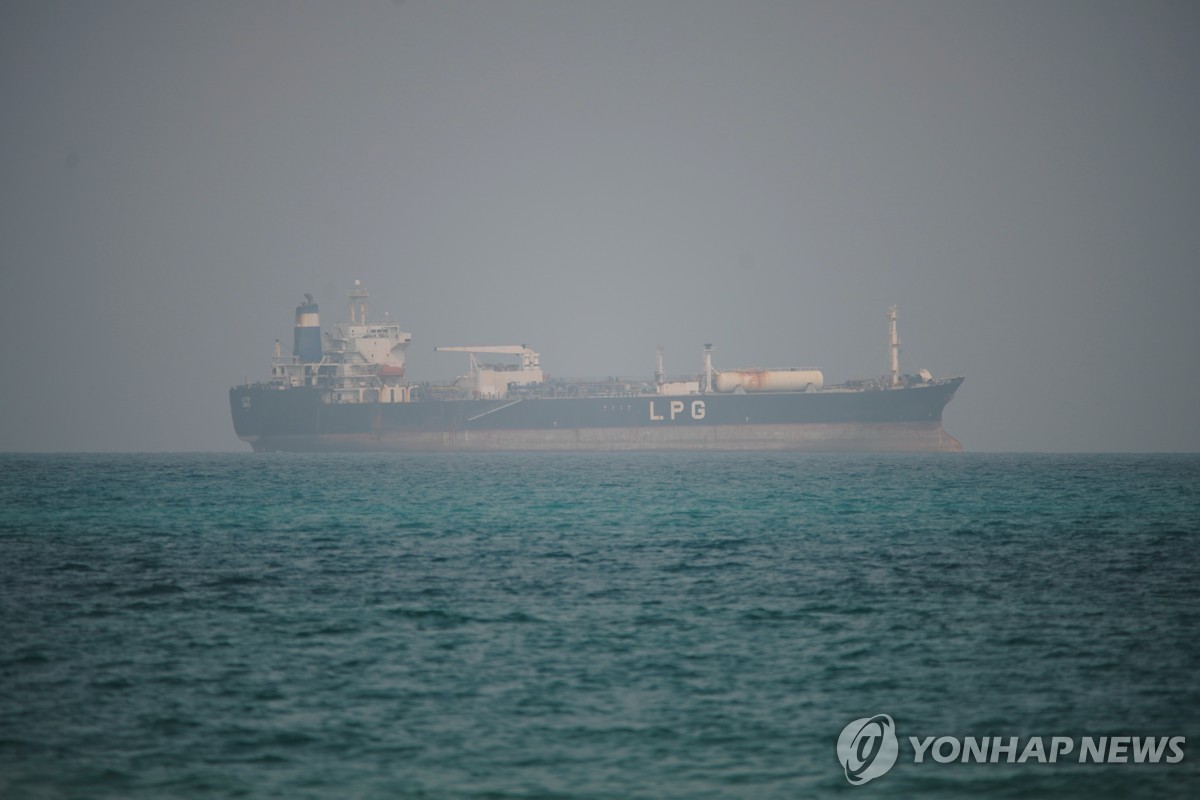
As the Houthis’ recent offensive has intensified, Saudi Arabia, which has been in conflict with them, urgently requested military support from the US. It is reported that Mohammed bin Salman, the de facto ruler of Saudi Arabia, pleaded for active military intervention during a phone call with President Trump. However, the Trump administration is reported to have clearly conveyed its policy of not directly intervening in the Yemeni civil war in response to Saudi Arabia’s request for support. In the past, the US conducted intense airstrikes against the Houthis for about two months under the pretext of protecting merchant ships in the Red Sea. As a result, having barely secured a ceasefire agreement in May 2025, the US is extremely reluctant to get bogged down in another quagmire.
As the Middle East landscape shifts rapidly, subtle changes in the atmosphere are being felt even between traditional allies, the US and Saudi Arabia. From Saudi Arabia’s perspective, the expansion of power by the Houthi rebels on its border is an imminent security threat, making a reliable US military umbrella essential. On the other hand, the US has completely shifted its course toward diplomatic negotiations and economic pragmatism rather than recklessly intervening in overseas conflicts that could cost American lives. This is similar to a company executive choosing to induce an autonomous agreement between departments rather than getting directly involved in their fight and suffering losses. This passive US attitude may lead to a sense of betrayal or diplomatic isolation for Saudi Arabia and will become a variable in shaping a new diplomatic order in the Middle East.
Saudi Arabia requested US military support, but the US refused direct intervention and maintained distance.
4. The Houthis’ 10-Year War and Designation as a Terrorist Organization
The Houthi rebels, who seized Yemen’s capital Sanaa in 2014, have fought a bloody civil war against the Saudi-led coalition for over 10 years. In the process, countless civilians were sacrificed, and Yemen has become one of the countries facing the most severe humanitarian crises in the world. The Trump administration officially designated the Houthis as a Foreign Terrorist Organization in March 2025, taking a tough pressure line. However, even after the terrorist designation, they did not stop behind-the-scenes negotiations, employing a so-called two-track strategy of combining military strikes with diplomatic dialogue. The airstrikes conducted to block Houthi attacks on Red Sea merchant ships ultimately became the decisive factor in bringing the Houthis to the negotiating table. The US has opened a pragmatic channel for dialogue, recognizing the realistic limitation that military force alone cannot completely eliminate the rebels.
Historically, negotiations with rebel forces have always been accompanied by numerous political controversies and criticisms. Leaders are always tormented by the tension between the long-standing diplomatic principle of never negotiating with terrorists and the need to compromise with reality for practical benefits. This can be compared to the bitterness felt when we are forced to cooperate with an unwanted person as a business partner in daily life. The Houthi rebels, exhausted by the long war, would have desperately needed dialogue with the US to break through the economic crisis within Yemen. Ending the destructive civil war of the past 10 years requires a fundamental peace agreement that goes beyond simply halting armed conflict.
The US, after combining terrorist designation and airstrikes in the past, reached a ceasefire agreement with the Houthis and is currently continuing negotiations.
5. Global Maritime Logistics and the Importance of the Red Sea Route
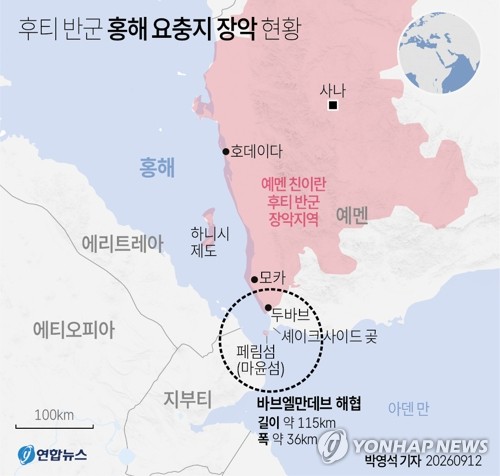
The Red Sea and the Bab el-Mandeb Strait are the shortest sea route connecting Asia and Europe, serving as an absolute strategic chokepoint and the main artery of global logistics. If this route is blocked, one must take a detour around the African continent, causing transportation time and costs to snowball. When the Houthis began unauthorized control of the region or attacking ships, countless companies worldwide trembled at the fear of supply chain paralysis. The Houthis’ recent statement that they have no intention of attacking US vessels or general merchant ships stems from their understanding of this sensitive global logistics ecosystem. If the Red Sea route regains complete safety, delayed product deliveries and soaring ocean freight rates could find stability.
From a consumer’s perspective, the prices of numerous imported products we buy at the supermarket are directly linked to the stability of such maritime logistics. When logistics costs rise, they are directly reflected in product prices, pressuring household economies, so peace in the Red Sea is not someone else’s story. Even the gas prices for our cars or the delivery delays of packages we order daily are closely tied to maritime security in the Middle East. This is why global distribution giants and economic experts are holding their breath, watching the outcome of this secret meeting between the Houthis and the US. Only when the main artery of logistics flows smoothly can the global economy breathe and continue stable growth.
The Red Sea route is the core artery of global logistics, and the safety of this region directly impacts the global economy and prices.
6. Future Middle East Outlook and Our Response
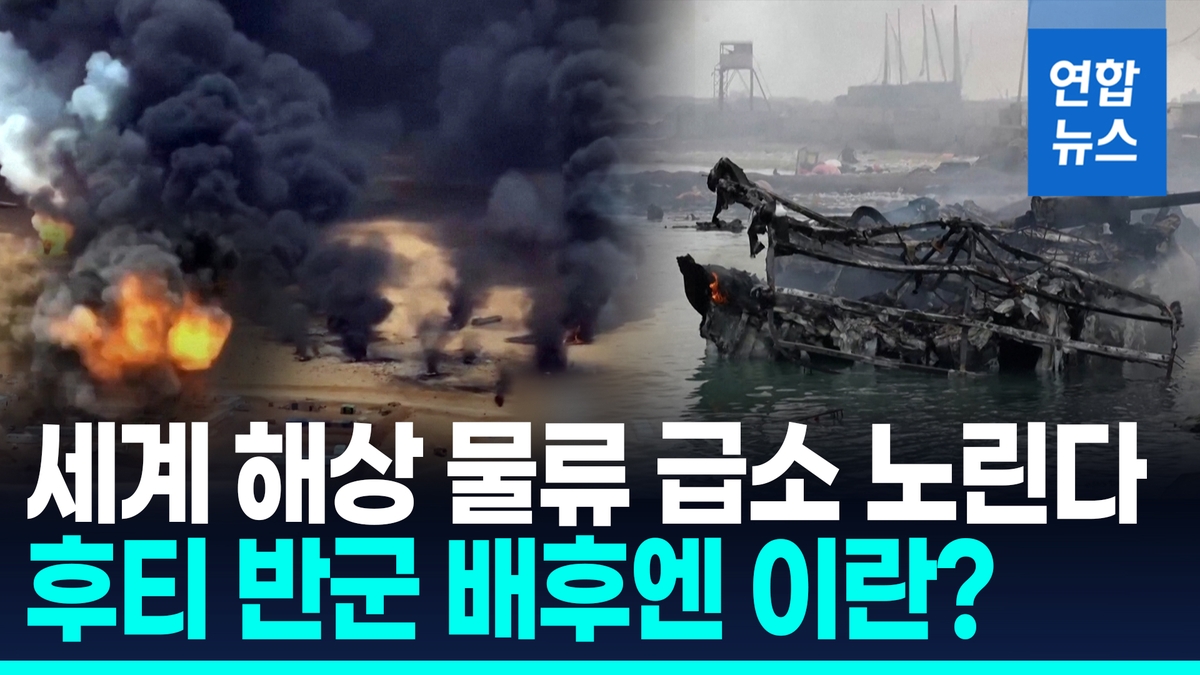
Opinions are divided among experts on whether this secret meeting between the Houthis and the US will bring sustainable peace to the Middle East. On one hand, it can be interpreted as a positive signal that the two sides have formed a pragmatic consensus to avoid the worst-case scenario of escalation through dialogue. On the other hand, a cynical view persists that the Houthis are buying time to reorganize their military forces and could provoke again at any time. If the US refrains from direct intervention while the anxieties of neighboring countries like Saudi Arabia remain unresolved, the power vacuum in the Middle East could widen. In the rapidly changing international situation, our country’s export companies and shipping industry must also closely monitor the safety of the Red Sea route and prepare thorough contingency plans.
In conclusion, this incident is like a giant puzzle where complex international diplomatic interests are intertwined, going beyond a simple rebel armed provocation. We must continue to watch how the US administration will steer negotiations with the Houthis and whether the Yemeni civil war can move toward an end. It is important to cultivate the insight to read not only the surface conflicts in the news but also the hidden diplomatic movements and economic repercussions behind them. In a global economic environment full of uncertainty, readers should always pay attention to the flow of world news and respond wisely. We will continue to quickly summarize and report on the progress of peace settlement in the Middle East and trends in maritime logistics.
The meeting between the Houthis and the US carries both the possibility of peace and continued uncertainty, requiring a thorough grasp of the situation.
Frequently Asked Questions
=