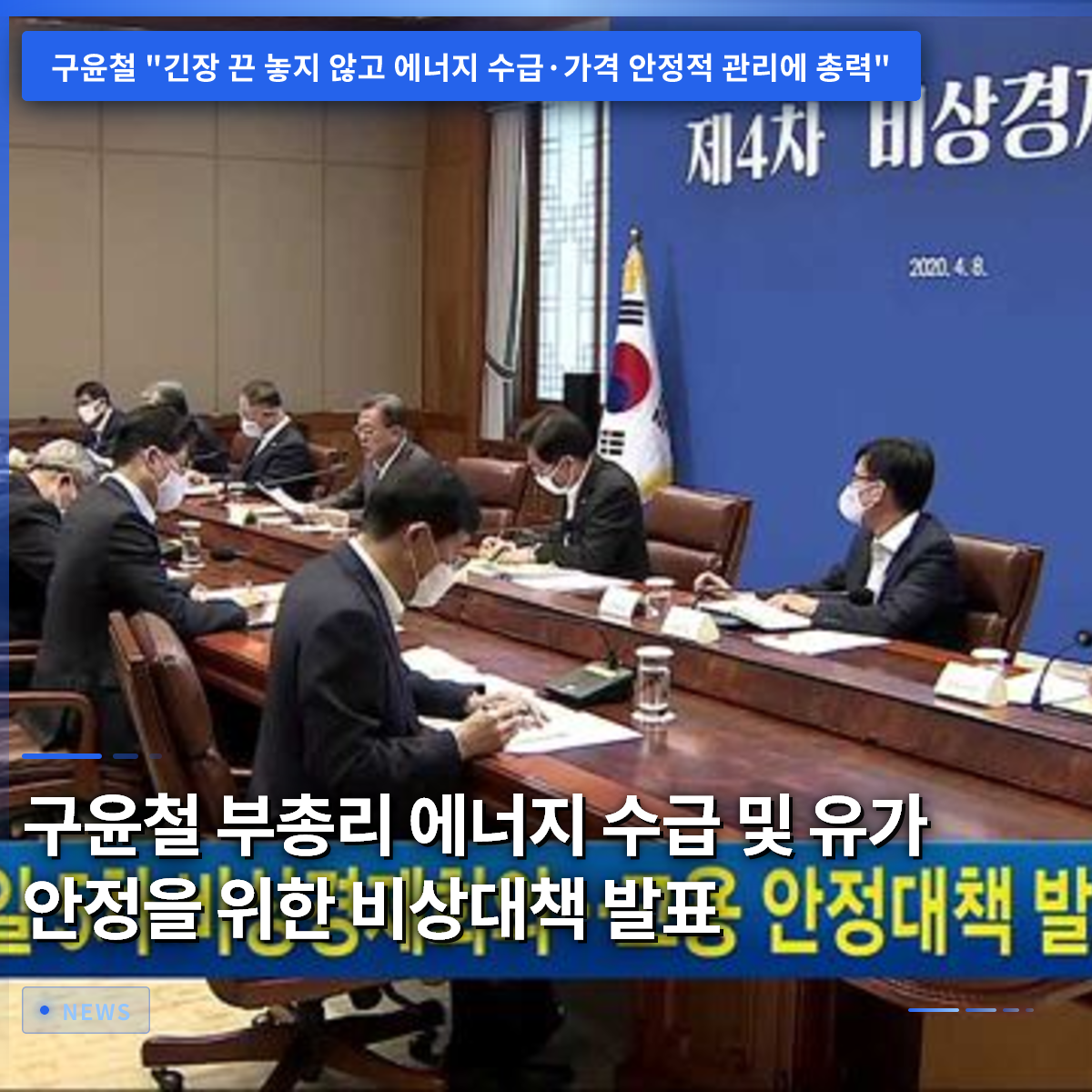
The government has launched an all-out effort to manage energy supply and prices stably in response to the recent intensification of conflicts in the Middle East and the rising trend in international oil prices. Deputy Prime Minister and Minister of Finance and Economy, Koo Yoon-cheol, chaired an Emergency Economic Headquarters meeting at the Government Sejong Complex and unveiled specific livelihood stabilization measures to alleviate the burden of living costs on citizens. Despite the unstable external economic environment, South Korea continues to maintain positive trends in both exports and domestic demand, underpinned by its solid economic fundamentals. However, soaring oil and energy costs can directly impact low- and middle-income households, prompting the government to intervene proactively to support price stability. This initiative is not merely a one-off measure; it involves close cooperation with the oil refining industry to monitor daily oil prices and supply conditions. Let us take a detailed look at how the various detailed support measures to be announced will be felt in our daily lives.
=
Deputy PM Koo Yoon-cheol Announces Emergency Measures for Energy Supply and Oil Price Stability
1. Rising International Oil Prices and Activation of the Government’s Emergency Response System
As geopolitical tensions surrounding the Middle East deepen, international oil prices are on a steep upward trajectory, triggering an economic emergency. To minimize the negative impact of this external uncertainty on domestic inflation and the energy supply chain, the government is tightening its emergency response system. Deputy Prime Minister Koo Yoon-cheol expressed a strong resolve to concentrate all efforts to ensure no disruptions in energy supply, as conveyed through a meeting with relevant ministers. Based on lessons learned from past crude oil supply crises, the government is pursuing measures to diversify import sources and flexibly utilize strategic petroleum reserves. In particular, to safeguard energy security, the government is in close communication with private enterprises and is monitoring crisis response levels in real time. The government is committed to acting as a sturdy barrier to rigorously defend against energy price volatility, allowing citizens to work with peace of mind. Even with solid domestic economic fundamentals, a sudden spike in energy prices immediately becomes a burden on the livelihood economy, making early response paramount. The government has established a posture to flexibly handle unexpected supply disruptions by monitoring daily crude oil import situations and inventory levels.
In response to the rising trend in international oil prices, the government has activated its emergency response system and is making every effort to stabilize energy supply.
2. Decision to Extend Fuel Tax Reduction Measures by Two Months
To alleviate the burden of soaring fuel prices, the fuel tax reduction measures, originally scheduled to end at the end of this month, will be extended by two months until the end of November. This plan aims to simultaneously reduce the cost of automobile fuel used by office workers for their daily commutes and the fuel costs for trucks essential for logistics. The 15 percent reduction rate applied to gasoline will be maintained as is, while a higher 25 percent reduction benefit will continue for diesel, a means of livelihood for many, and butane, used in small trucks. These measures will help reduce fixed expenses for small business owners and self-employed individuals in the transportation industry, contributing to suppressing overall inflationary pressure. This decision, which prioritizes livelihood stability even at the cost of reduced government tax revenue, will provide practical assistance to many citizens. For drivers who have been sighing every time they visit a gas station, this extension news is a welcome relief, like rain in a drought. To ensure that the fuel tax reduction benefits are fully reflected on the ground, relevant ministries plan to strictly monitor for any price cartels or illegal price hikes.
The fuel tax reduction measures have been extended by two months until the end of November, alleviating the price burden for gasoline, diesel, and butane.
3. Fuel Price Discounts at Expressway Gas Stations During the Chuseok Holiday
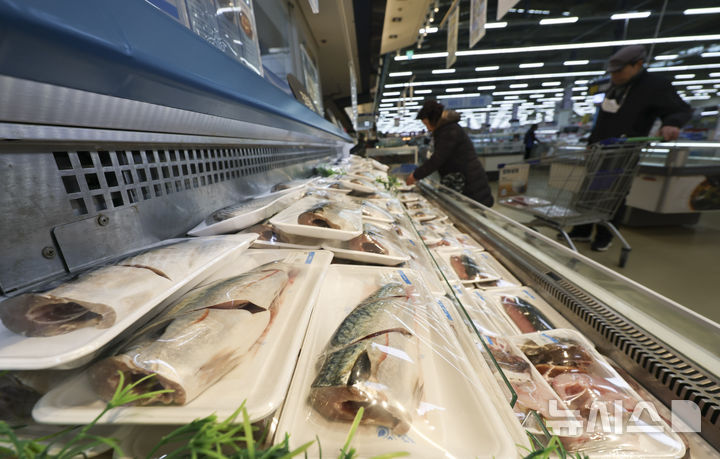
Ahead of the Chuseok holiday, a major traditional festival, fuel prices at expressway gas stations will be significantly discounted to reduce travel costs for those returning home. The government has decided to lower fuel prices at gas stations located on national expressways by 100 won per liter during the Chuseok holiday period. This initiative aims to share the economic burden of high fuel prices, with the public sector taking the lead to make the journey home lighter for travelers. During a time when holiday price increases expand household spending, this direct discount will significantly reduce essential travel expenses. The tangible discount effect felt when refueling on the way to meet family will greatly contribute to a warm holiday for everyone. The government plans to not only treat this as a one-time event but also monitor supply conditions at gas stations with concentrated traffic during the holiday period to minimize inconvenience. This fuel cost support measure is considered one of the most direct livelihood stabilization measures that citizens can feel, and it is receiving a warm response.
Fuel prices at national expressway gas stations will be reduced by 100 won per liter during the Chuseok holiday to alleviate the burden on travelers.
4. EV Charging Fee Discounts and Renewable Energy Benefits
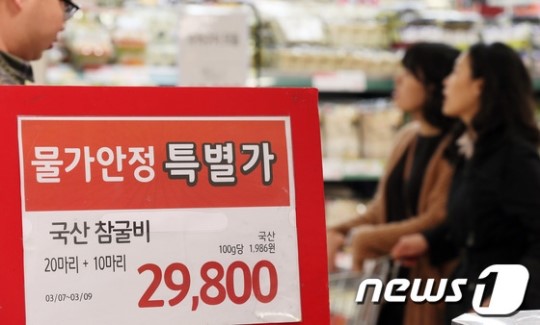
During the Chuseok holiday, EV charging fees will be significantly discounted during daytime hours when renewable energy supply, such as solar power, is abundant. This measure is designed to return economic benefits to drivers of eco-friendly vehicles while fostering a positive perception of renewable energy expansion. It is structured to allow savings on charging costs by utilizing time slots when electricity demand is relatively dispersed and green energy production is high. For EV owners who need to drive long distances, this charging fee discount is a very practical benefit that alleviates concerns about charging costs. The government’s plan to simultaneously achieve eco-friendly policies and livelihood stability sends a positive signal toward achieving carbon neutrality goals. If various pricing schemes utilizing energy-rich time slots become established in the future, public participation in energy conservation will naturally increase. In line with the rapidly increasing trend of EV adoption, practical fee benefits linked to charging infrastructure are expected to be very popular among drivers.
EV charging fees will be discounted during daytime hours with abundant renewable energy supply during the Chuseok holiday to provide benefits.
5. Setting Maximum Petroleum Prices and Real-Time Supply Monitoring
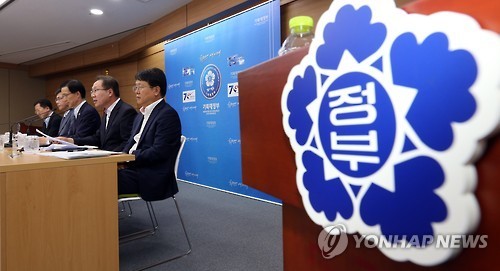
To prevent market chaos caused by the surge in international oil prices, the government is carefully reviewing the plan to set the 10th maximum petroleum price. Based on the results of the Economic Ministers’ Meeting held today, the final policy will be determined by comprehensively considering international market prices and the economic burden felt by citizens. The new maximum petroleum price standard to be announced will be immediately applied to the oil refining industry and gas station market, serving as a safety device to prevent excessive price hikes. The government has established a permanent communication network with oil refiners and is strictly tracking the entire process from crude oil import to domestic distribution on a daily basis. It is prepared to respond swiftly in accordance with laws and principles if any movements are detected that disrupt market order or seek unfair gains. To create a transparent energy market that citizens can trust, the government’s supervisory eyes will remain vigilant for the time being. As the government’s strong will to stabilize energy prices is conveyed to the market, an atmosphere is forming where the oil refining industry also participates in price stabilization.
The 10th maximum petroleum price is under review and will be announced, while the government monitors crude oil supply conditions daily in cooperation with the oil refining industry.
6. Outlook for Future Economic Policies for Livelihood Stability
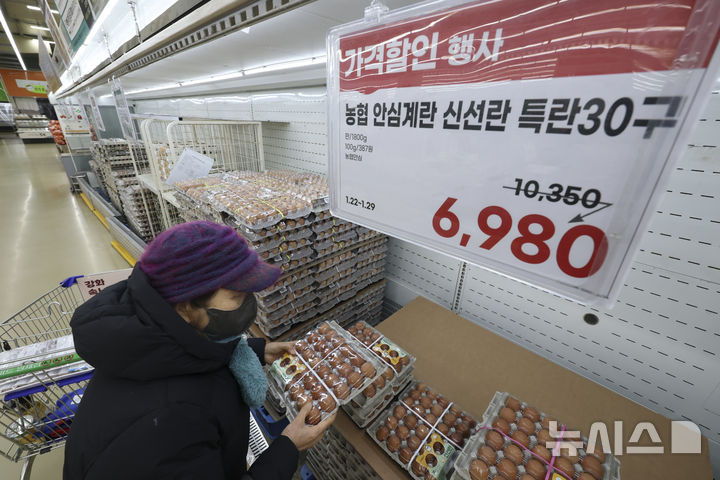
The government plans to mobilize all administrative resources to ensure that the various energy and price stabilization measures announced this time are implemented smoothly on the ground. Since it is unclear when factors of international instability may resurface, no complacency is allowed, and a constant monitoring system will be maintained. Additional support measures from various angles will also be continuously developed to ensure that every citizen can clearly feel the drop in prices in their daily lives. We hope that readers will carefully take advantage of the fuel cost discounts and EV charging benefits provided by the government during the upcoming Chuseok holiday to make practical expenditures. Our attention and cooperation are needed for the government’s efforts toward price stability to bear fruit and for the livelihood economy to regain vitality. We will continue to deliver useful news related to economic trends quickly, so please keep your interest and visits. It is expected that the government’s proactive and bold market intervention will serve as a sturdy support for low- and middle-income households, helping them wisely overcome this economic wave.
The government is expected to stabilize the livelihood economy and increase the tangible impact on citizens through continuous monitoring and livelihood measures.
Frequently Asked Questions
=