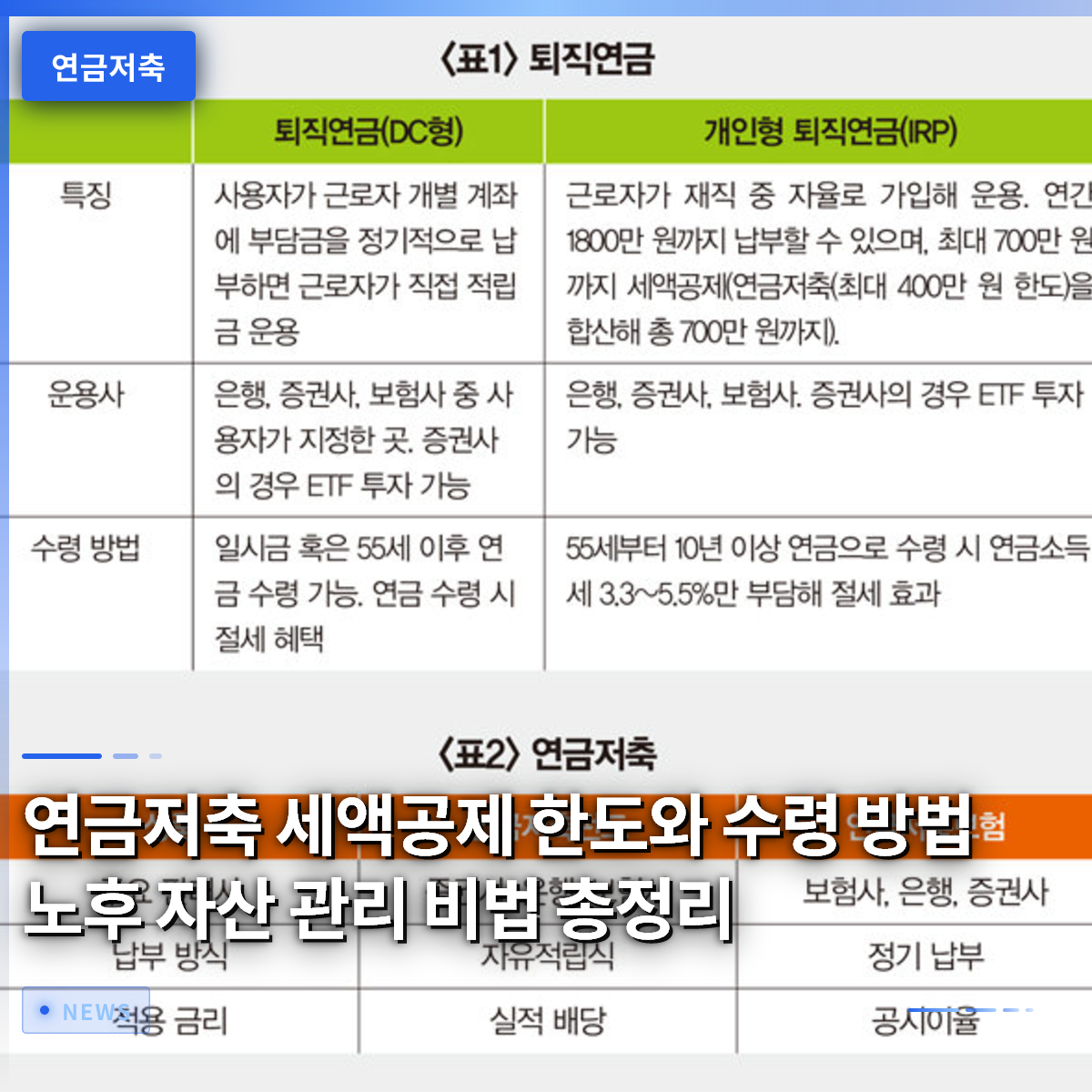
If you want a stable life in your retirement, managing your assets through a pension savings account is essential. Many office workers understand the importance of retirement preparation but often hesitate because they don’t know where to start. This is especially true as cases where traditional retirement formulas are disrupted by rising care costs or unexpected expenses are increasing, making systematic preparation even more critical. It is also worth paying attention to the various events and asset management programs currently offered by securities firms. In this article, we will look in detail at everything from the tax deduction benefits of pension savings to efficient investment methods and how to wisely withdraw funds after retirement. You will realize that securing retirement funds, which may have sounded like someone else’s story, is actually closer than you think.
=
Complete Guide to Pension Savings Tax Deduction Limits, Withdrawal Methods, and Retirement Asset Management Secrets
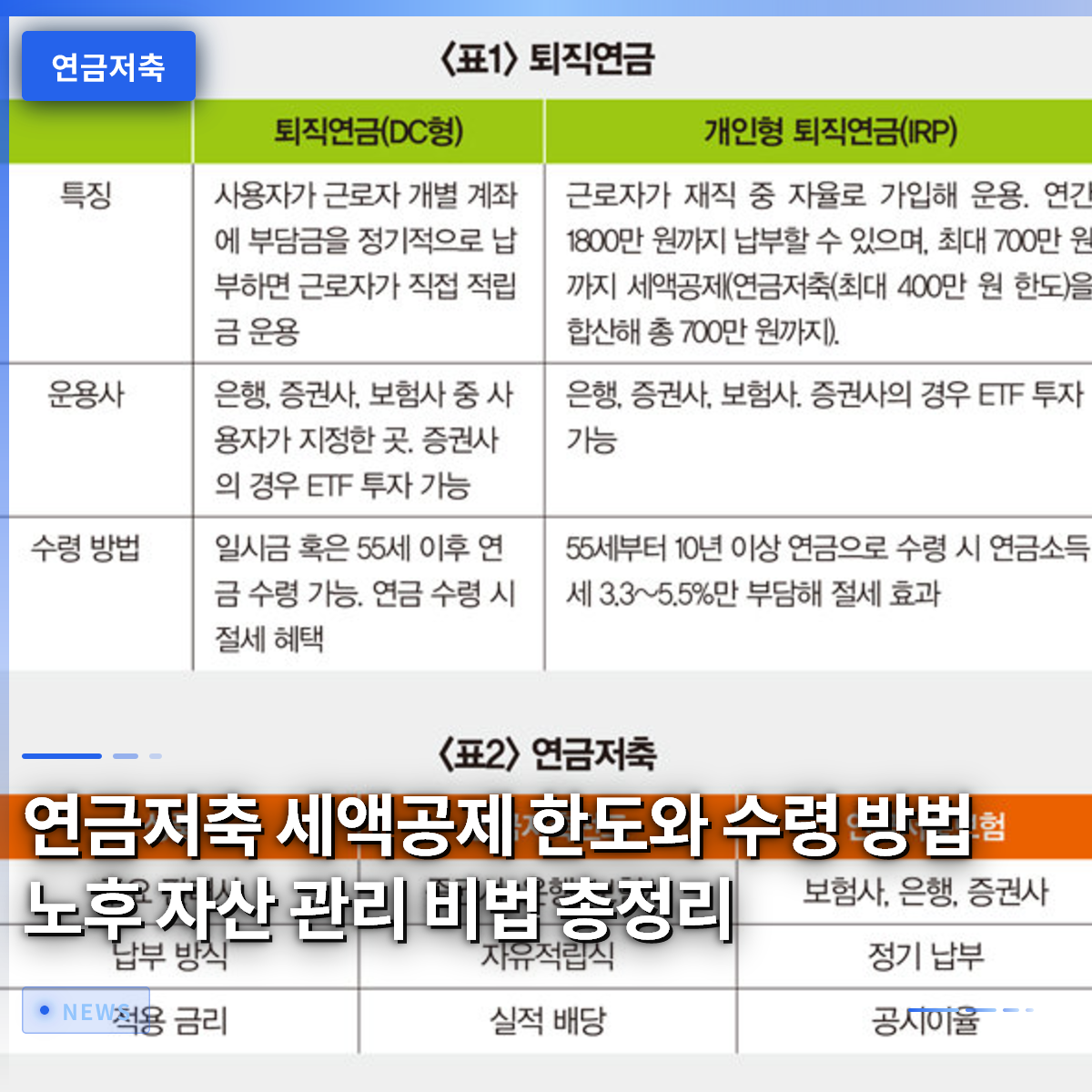
1. The Truth About Tax Deduction Limits for Pension Savings and IRP

The combined tax deduction limit for pension savings and retirement pensions is up to 9 million KRW per year. Many people mistakenly believe they can receive separate tax deductions of 9 million KRW each from pension savings. However, since the limit is calculated based on the total of both accounts, it is wise to adjust the allocation according to your contribution capacity. For example, you can structure your portfolio by contributing 6 million KRW to pension savings and 3 million KRW to an Individual Retirement Pension (IRP).
You must accurately understand this limit structure to maximize the tax refund effect. It is important to note that simply contributing more money does not automatically increase the deduction. During the year-end tax settlement season, this tax deduction benefit is often the biggest concern for office workers. Experts advise calculating your monthly contribution amount in advance, taking into account your income level and future cash flow.
The annual tax deduction limit for the combined pension savings and retirement pension is up to 9 million KRW, and it should be allocated according to your individual circumstances.
2. Self-Directed Asset Management and Utilization of Investment Products

In today’s environment, directly investing pension assets rather than simply keeping them in deposits has become the mainstream approach. Investing in various Exchange-Traded Fund (ETF) products through a securities account can help defend against inflation in the long term. A strategy of allocating a fixed amount each month to high-quality assets helps reduce risk in volatile markets.
It is common to see people around you frequently moving their assets according to stock market trends. However, it is crucial to maintain a steady, long-term perspective for retirement assets. Referring to asset allocation reports and investment guidelines provided by securities firms can be very helpful. Developing the ability to build and manage your own portfolio is the key to a successful retirement.
You should directly allocate funds to various investment products, such as ETFs, through your pension savings account to improve long-term returns.
3. Pension Withdrawal Order and Tax-Saving Strategies After Retirement

After retirement, the amount of tax you pay depends on which account you withdraw from first. This is because different tax rates apply depending on the nature of the funds, such as tax-exempt principal or deferred retirement income. Rather than simply withdrawing money, it is advantageous to consider the order that minimizes your tax burden.
In practice, many people seek expert assistance to avoid a tax bomb when withdrawing funds. You can flexibly change the pension withdrawal period or method even after retirement to match your living expenses. Designing a system that generates a fixed monthly cash flow can reduce the anxiety of retirement life. You must remember that small differences can completely change the scale of funds you can accumulate years later.
When withdrawing pension funds, you should carefully consider the nature and order of the funds to reduce the tax burden and maintain a stable cash flow.
4. How to Check Expected Payouts and Run Simulations
To accurately determine how much you will receive each month in the future, it is best to utilize integrated inquiry services. If it is difficult to check the expected amount of your personal pension separately from the National Pension at a glance, try using digital platforms. You can check your entire retirement assets with just a few touches through smartphone apps or services like Naver Pay.
You can run simulations that add a fixed amount annually to your current assets over the next 10 years. Calculating in advance the amount you and your spouse can receive combined decades later can provide significant motivation. First, it is essential to accurately identify the surplus funds remaining after deducting living expenses and personal pension contributions. You should realistically calculate the amount you can save each month to restore your retirement savings account.
You should actively use digital platforms and inquiry services to regularly check the expected payouts from both the National Pension and personal pensions.
5. Securities Firm Events and Practical Account Utilization
Many securities firms continuously run various events offering benefits to both new and existing customers. By making good use of promotions like the “Pension Savings Jump-Up Event,” you can receive small gift certificates or investment support funds. You should choose a securities firm not just for the benefits, but by carefully comparing fee conditions and the convenience of their mobile applications.
Choosing a financial institution that matches your investment style, whether a bank or a securities firm, is the secret to winning the long race. It is also useful to manage your funds by linking them with accounts that offer preferential interest rates to customers receiving salaries or pensions. Organically connecting a parking account, where surplus funds are temporarily held, with your pension savings account can improve fund turnover.
You should compare various sign-up events and preferential benefits from securities firms to select the financial institution most advantageous to you.
6. Final Advice for Successful Retirement Preparation
Retirement may feel far away right now, but you must remember that time passes faster than you think. Only the habit of saving consistently each month and investing in the right direction guarantees a prosperous future. Even if care costs or unexpected expenses arise, keep your emergency funds and pension assets strictly separated so you do not waver.
Starting today, please open your pension savings account and check your contribution limits and portfolio. Small actions will accumulate to return as tremendous financial freedom and stability decades later. Start the most certain and wise investment for your future self right now. Consistent attention and review are the completion of successful retirement asset management.
You must build unshakeable retirement assets and prepare for the future through thorough advance planning and consistent action.
Frequently Asked Questions
=