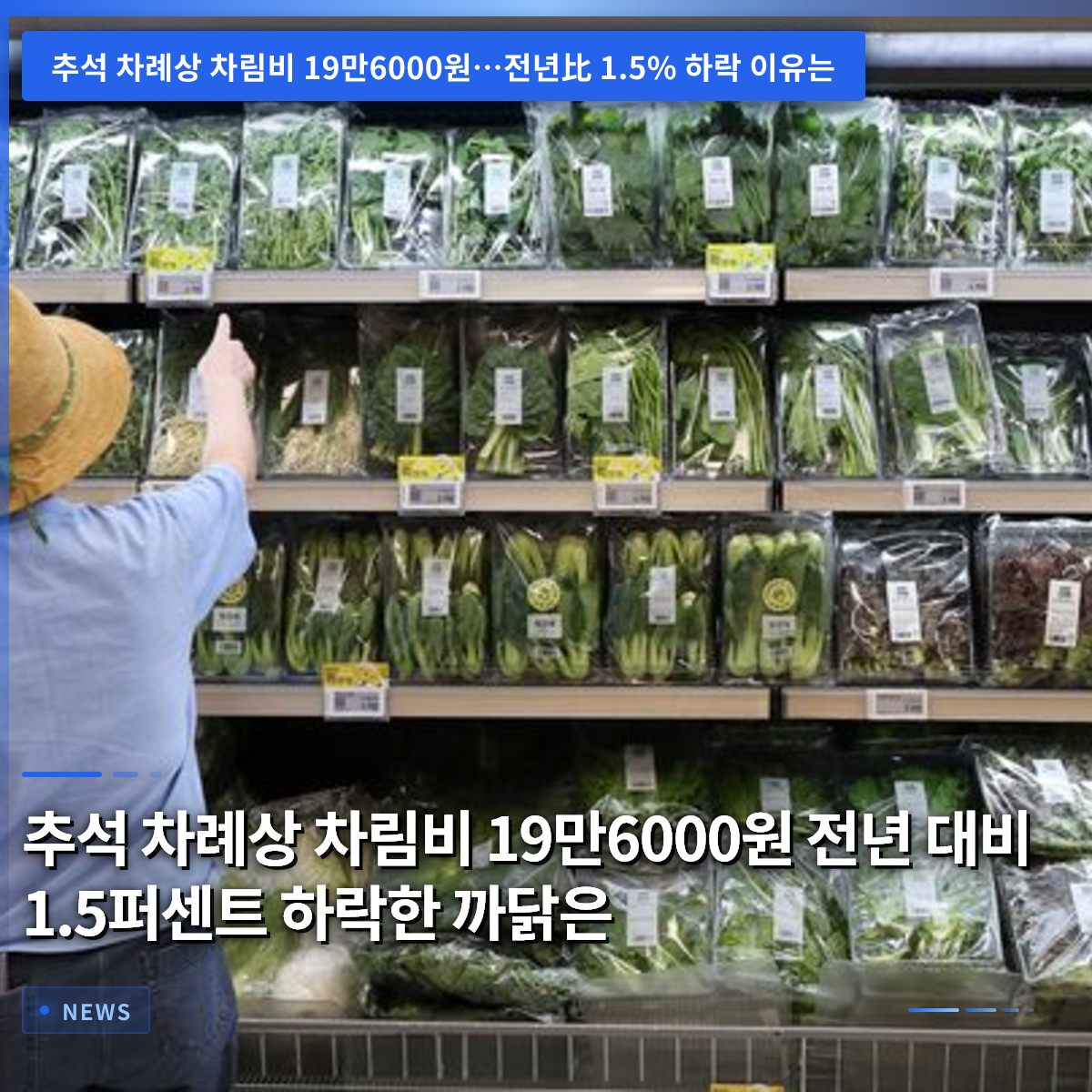
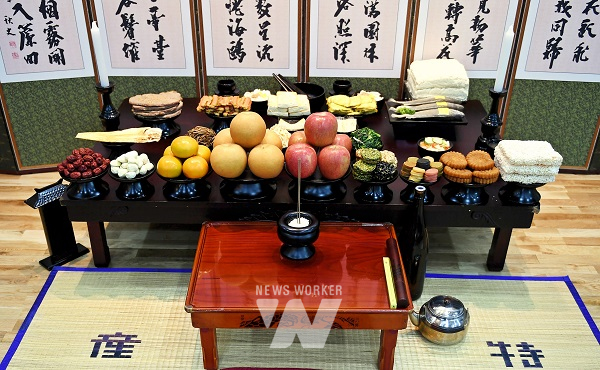
The average cost of setting a Chuseok ancestral ritual table this year has been calculated at 196,630 won, a 1.5% decrease compared to the same period last year. Despite widespread concerns that grocery prices would surge with the holiday just around the corner, prices for certain seasonal items have fortunately stabilized. According to a survey conducted by the Korea Agro-Fisheries & Food Trade Corporation (aT) targeting traditional markets and large retailers nationwide, increased supply of fruits and seafood drove the overall cost down. Additionally, various government-supported discounts and the National Agricultural Cooperative Federation’s (Nonghyup) “half-price ritual table” event have significantly eased the financial burden on consumers. Indeed, housewives shopping at traditional markets report feeling the relief of lighter wallets in the fruit sections, particularly for apples and pears. In this article, we will examine the specific price trends for each item and the background behind the reduction in grocery costs in detail.
=
Why the Cost of Setting a Chuseok Ancestral Ritual Table Dropped 1.5% to 196,000 Won
1. Item-Specific Price Fluctuations and Total Shopping Costs
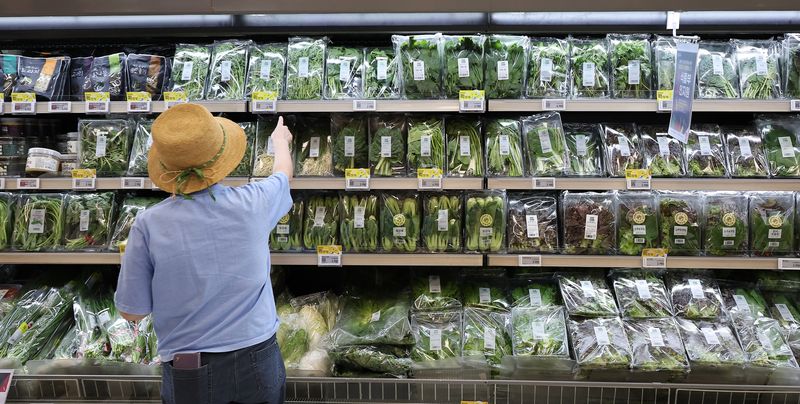
A detailed review of the 24 items typically placed on the ritual table revealed that the overall average cost was 196,630 won, a slight decrease from last year. For a family of four, when shopping for a variety of vegetables, fruits, and livestock products, several items are at similar levels to previous years or even cheaper. This is welcome news for housewives beginning their holiday preparations, making the task of filling the shopping basket a bit lighter. However, not all prices have dropped, and it is easy to see a mix of winners and losers among the items. Some ingredients have become more expensive while others have become cheaper, making it more important than ever to understand these trends before shopping. The survey, conducted simultaneously at traditional markets and large retailers, found slight differences in discount rates depending on the distribution channel. In particular, large retailers significantly lowered the cost of the ritual table compared to last year by running extensive in-house discount events. It is widely assessed that the perceived price burden was even lower when combined with government-supported discount coupons for agricultural and livestock products. For example, items that were previously too expensive to consider can be purchased at much more reasonable prices by taking advantage of these opportunities. If you are preparing to set the ritual table, checking these retailer-specific discount events in advance is a wise consumption strategy.
The average cost of the ritual table decreased to 196,630 won compared to the previous year, with government support and discount events playing a major role.
2. Falling Fruit Prices and Supply Stabilization
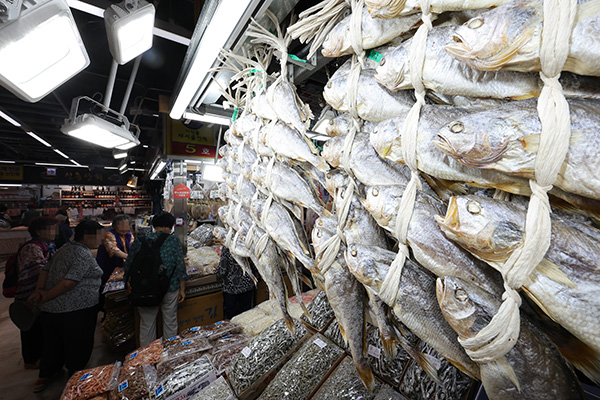
Fruits are undoubtedly the primary factor that stabilized grocery prices for this year’s Chuseok. The price of five apples dropped significantly by 13.4% to 11,468 won compared to the same period last year, eliciting cheers from housewives. Last year, apples were as expensive as gold due to a poor harvest, but this year, improved weather conditions and increased harvest volumes have brought prices back to normal. However, the price of three pears rose slightly by 1.8% to 9,274 won, a level that does not significantly impact the overall fruit budget. Jujubes, chestnuts, and dried persimmons, which are essential for the ritual table, also saw price decreases of 10.7%, 9.8%, and 23.8%, respectively. Thanks to this stabilization in fruit prices, the worry about the most burdensome cost of setting the ritual table has been greatly alleviated. Unlike previous years when there was concern about insufficient quantities, this year allows for a generous and abundant display on the table. Vendors at traditional market fruit shops also agree that customers are hesitating less when looking at price tags while selecting fruits. With fruit supply expected to increase further as Chuseok approaches, the stable price trend is expected to continue until the day of the holiday. The ability to enjoy fresh and delicious new fruits at affordable prices is the biggest advantage of this year’s holiday.
Increased supply of major fruits such as apples and chestnuts led to significant price drops compared to the previous year, reducing household burdens.
3. Mixed Price Trends for Livestock Products and Vegetables
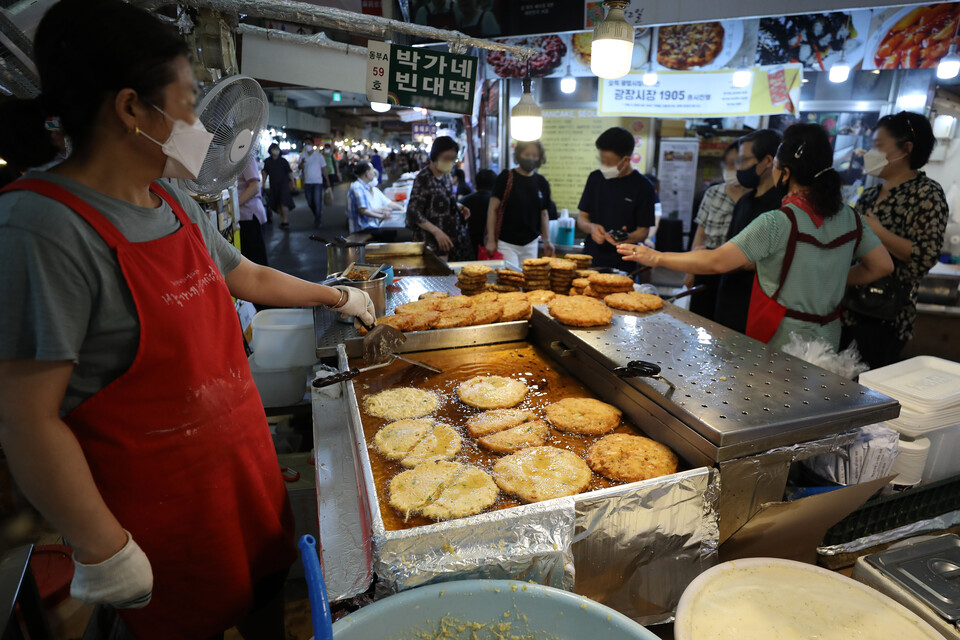
While fruits showed a pleasant downward trend, livestock products and some vegetables saw price increases or remained stagnant. The price of 900 grams of beef shank rose by 3.2% to 37,053 won, and beef brisket and pork shoulder also saw slight increases. In particular, the price of 10 eggs jumped by 11.3% to 2,370 won, causing sighs from housewives preparing meals. Among vegetables, napa cabbage and spinach prices dropped slightly, but radish and zucchini prices rose by 8.0% and 18.6%, respectively, creating a contrast. Given the significant price fluctuations in essential ingredients for side dishes and soups, careful price comparison is essential. The rise in livestock product prices is analyzed as being due to a combination of factors, including increased feed costs and adjusted shipment volumes. Due to the nature of holiday demand surges, meat prices tend not to drop easily, so caution is required when budgeting for shopping. Vegetables were also directly affected by poor growth in some items due to the aftermath of heavy rains and heatwaves during the summer. However, the government’s release of reserve stocks and focused discount support helped suppress the sharp rise in prices to some extent. Since price fluctuations vary by item, the wisdom of comparing flyers from traditional markets and marts to shop frugally is necessary.
Prices for livestock products and some vegetables rose, but the government’s release of reserve stocks prevented a sharp spike.
4. Trends in Seafood, Forest Products, and Processed Foods
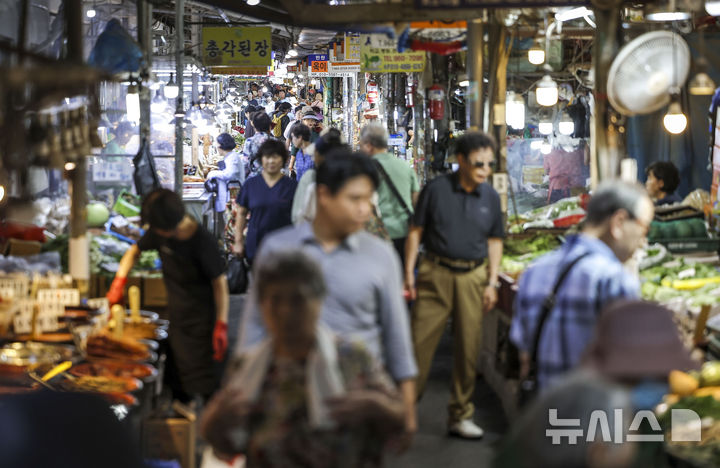
Prices for seafood and forest products, which are indispensable for ritual offerings, also showed a mixed pattern depending on the item. The price of 800 grams of pollock dropped by 0.8% to 10,493 won, and three yellowtail fish dropped by 23.2% to 4,926 won. Conversely, the price of one dried pollock rose by 8.5% to 6,061 won, and the price of bracken ferns increased by 4.9%, creating a contrast. Thanks to the significant drop in prices for forest products such as jujubes, chestnuts, and dried persimmons, the total shopping cost for seafood and forest products remains relatively stable. Because the items on the holiday table are so diverse, if one item rises in price while another falls, the overall balance is maintained. For processed foods, the prices of tofu, cheongju (rice wine), and songpyeon (rice cakes) were found to have increased by 2% to 10% compared to last year. On the other hand, the prices of flour, sikhye (sweet rice drink), and yakgwa (honey cakes) decreased slightly, keeping the average price of processed foods at a moderate level. Although the price increase for songpyeon, a key food that sets the holiday mood, is slightly disappointing, the burden can be reduced by buying freshly made ones from traditional markets or using discount events. If the proportion of processed foods in holiday meal preparation is not high, the impact on the overall budget is minimal. If various discount benefits are applied, the actual amount spent can be significantly lower than the survey results.
Prices for yellowtail and fruit-based processed goods fell, but some seafood and songpyeon rose slightly, requiring careful comparison.
5. How to Utilize Discount Support and Onnuri Gift Certificate Rebates
The most powerful weapon that actually lowered the cost of the ritual table was the large-scale discount event launched by the government and retailers working together. Discount coupons allowing agricultural, livestock, and forest products to be purchased at up to 40% off are being issued until September 30. Large retailers are also launching numerous half-price discount events to capture the holiday special, reducing their own margins. As these government support measures and retailer efforts combine, the grocery prices perceived by consumers have become noticeably lighter. As the holiday approaches, the discount competition among retailers becomes more intense, so timing your shopping well is advantageous. For consumers who frequently use traditional markets, actively utilizing the Onnuri gift certificate rebate event is a very wise method. By bringing receipts for purchases of domestic agricultural, livestock, and forest products from traditional markets to the rebate booth, you can receive up to 30% of the purchase amount back. Since this rebate event continues until just before Chuseok, it is best to check the schedule in advance before visiting the market. If you make full use of government subsidies and the gift certificate rebate system, the actual cost of shopping for the ritual table can be much lower than the 190,000 won range. Do not miss this opportunity for holiday shopping that is a win-win, helping local small businesses while saving on household expenses.
You can save more on shopping costs by utilizing up to 40% discounts and the Onnuri gift certificate rebate event at traditional markets.
6. Outlook for Chuseok Holiday Shopping and a Commitment to Frugal Consumption

With the supply of seasonal products expected to continue increasing ahead of this year’s Chuseok, grocery prices are projected to maintain a downward stabilizing trend. This is because new harvests will flood the market as the holiday date approaches, and retailers’ clearance and discount events will reach their peak. Therefore, a strategy of purchasing items in small batches as needed is far more advantageous than shopping all at once in advance. Since the government has stated it will continue to release reserve stocks to stabilize prices, the burden on the livelihood economy is expected to be significantly reduced. We should take this opportunity to cultivate a habit of frugal, waste-free shopping and prepare to celebrate a warm holiday with our families. Even if prices are stable, impulsive purchases of unnecessary items can easily exceed the budget. It is most important to make a list of only the necessary items before going shopping and purchase according to that list. It is necessary to understand the pros and cons of prices at traditional markets and large marts in advance and carefully compare online discount events as well. Since Chuseok is a precious holiday for families and relatives to gather and share affection, please reduce the burden on your wallet through wise consumption and add more smiles. Please make full use of the various discount benefits available during the remaining period to complete a rich and abundant Chuseok ritual table.
A stable price trend is expected as new harvest supply and discount events continue until just before the holiday, making a frugal consumption strategy necessary.
Frequently Asked Questions
=