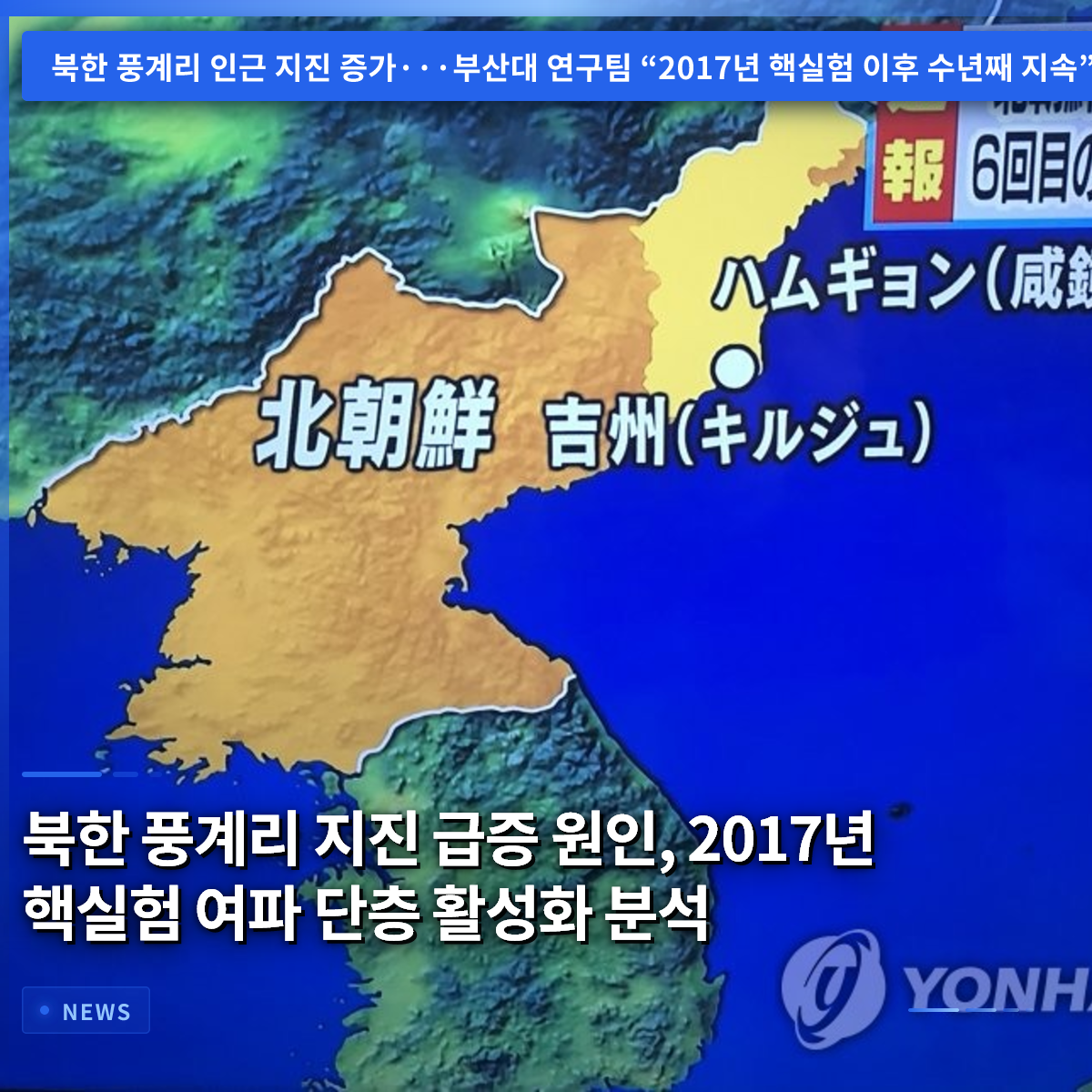
A startling analysis has revealed that North Korea’s sixth underground nuclear test in 2017 reactivated faults in the area around Mantap Mountain in Punggye-ri, causing earthquakes in the region for several years. Generally, scientific consensus holds that a powerful underground explosion typically causes initial small tremors or collapses that subside within days or weeks. However, a joint research team comprising domestic and international researchers meticulously analyzed decades of seismic records and found results that were completely different. Long after the nuclear test ended, the underground shaking in the area did not subside but instead became more pronounced. This serves as crucial evidence that the massive impact inflicted by humans has permanently disrupted the structure of the underground rock. In this article, we will examine in detail the scientific principles and hidden implications behind this increase in seismic activity. Readers will also discover fascinating facts about the connection between natural disasters and man-made events that will leave them in awe.
=
Cause of Increased Earthquakes in North Korea’s Punggye-ri: Analysis of Fault Reactivation Due to the 2017 Nuclear Test
1. Nuclear Tests Awakening Faults

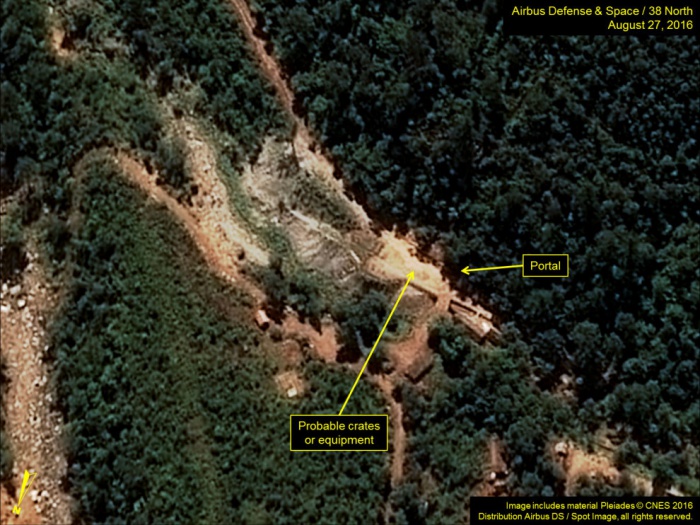
Underground nuclear tests do not end with a single massive explosion; they leave enormous physical scars deep within the earth. The multiple underground nuclear detonations forcibly carried out by North Korea in the past have accumulated numerous micro-fractures and damages in the solid rock around Mantap Mountain. This continuously damaged underground ground has reached an unstable critical state where it is bound to undergo significant changes soon. The immense pressure and stress generated during the explosions completely altered the crustal stress state of the surrounding area. As a result, pre-existing underground faults that had been dormant for a long time were stimulated and began to slip again. The massive rock fragments underground, unable to hold each other in place, grind and move, generating continuous seismic activity. This process continues silently in the underground world for a long time even after the sound of the explosion has faded. The damage accumulated in the underground rock by the nuclear explosion is ultimately the main cause of fault reactivation. Changes in crustal stress stimulate dormant faults, inducing slipping for several years.
2. Characteristics of Earthquakes in the Mantap Mountain Area
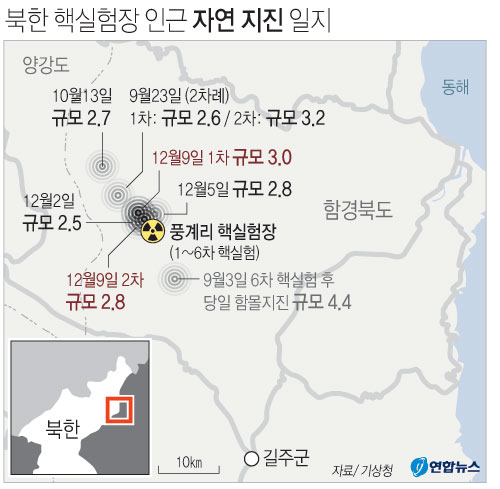
The results of the research team’s precise examination of long-term seismic wave data observed in Korea and surrounding regions are very interesting. There were areas where no significant seismic activity was observed prior to the sixth nuclear test conducted in 2017. However, from this point onward, earthquakes began to occur intensively along two specific fault zones that had previously been dormant. While small-scale aftershocks from a simple explosion should naturally subside within days, this case exhibited a unique pattern of continuing for several years. This clearly proves that the underground explosion acted as a trigger causing long-term crustal instability, rather than just a short-term shock. Like setting fire to a pile of dry wood, once the fault starts to shake, it continues to tremble as it dissipates its own energy. This phenomenon fully demonstrates the characteristics of artificially induced earthquakes, which are completely different from natural seismic cycles. Characteristics of Earthquakes in the Mantap Mountain Area Since 2017, earthquakes have been occurring intensively centered on fault zones that had no previous activity. Unlike natural earthquakes, the artificial shock of the nuclear test has left lingering effects for several years.
3. What Are Induced Earthquakes?
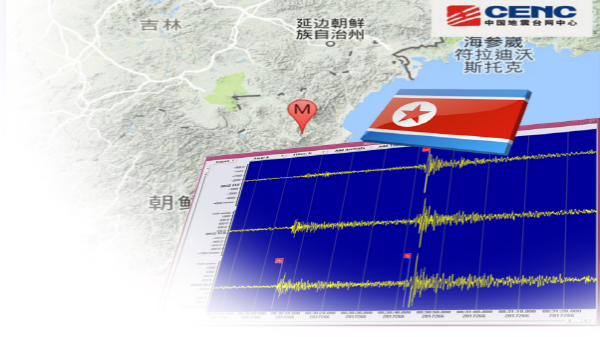
The phenomenon where specific human activities disrupt the delicate balance of forces underground, triggering earthquakes, is technically known as induced seismicity. The research team leading this study previously identified that the Pohang earthquake in Korea was also an induced earthquake caused by fluids injected during underground geothermal power generation. Similarly, human actions such as resource development or applying massive energy underground can seriously threaten crustal stability. This is because stress states that should naturally change slowly over thousands of years can cross the critical point in an instant due to human intervention. Injecting water underground or causing massive explosions is a dangerous act akin to poking a sleeping lion. Therefore, it is of utmost importance to accurately predict the potential risks these activities pose to the ground in advance. In the deep underground, which we cannot see, even a slight stimulus can trigger a chain reaction of massive responses. What Are Induced Earthquakes? The phenomenon where human activities disrupt the balance of forces in the crust, causing earthquakes, is called induced seismicity. Applying energy underground can stimulate the dormant crust, potentially bringing about unexpected disasters.
4. The Need for Long-term Safety Assessments
When conducting large-scale human activities that completely alter the state of crustal stress, thorough preliminary review must always precede the action. Focusing solely on short-term economic benefits or objectives and recklessly disturbing underground spaces can lead to uncontrollable natural disasters. The results of this study warn that long-term safety assessments are essential not only for nuclear tests but also for various industrial activities involving underground fluids. A systematic system must be established to precisely analyze the distribution of faults and changes in underground rock stress with a forward-looking perspective of several decades. If such preliminary review processes are omitted, the probability of destructive earthquakes occurring at unexpected times and places increases. Governments and relevant experts should use this case as a mirror and apply stricter standards to all actions that induce artificial crustal changes. Safety should always begin with thorough prevention, rather than being a post-hoc remedy like mending the pen after losing the sheep. The Need for Long-term Safety Assessments When conducting activities that alter crustal stress, long-term and systematic safety reviews are mandatory. Neglecting preliminary assessments can result in a boomerang effect of large-scale earthquakes at unexpected times.
5. International Verification and Challenges
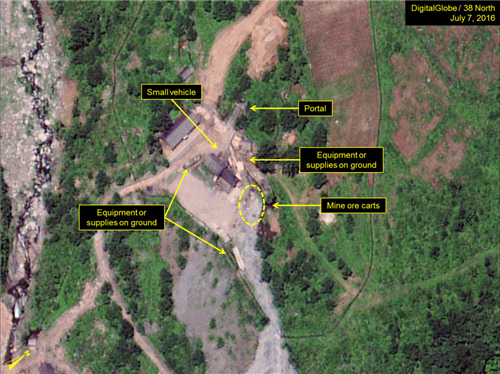
The results of this study also provide important implications for the international verification process that monitors and regulates underground nuclear tests. The process of verifying and implementing the Comprehensive Nuclear-Test-Ban Treaty should not be limited to detecting acoustic waves or radioactive materials at the time of the explosion. Precise analytical techniques that comprehensively cover fault movements and stress changes in surrounding areas lasting for several years after the explosion must be introduced. To accurately grasp the signs and aftermath of clandestine nuclear tests conducted in closed-off regions like North Korea, the scientific monitoring network must be woven more tightly. This is why scientists around the world are pooling their resources to analyze the long-term patterns of artificial seismic waves. If one only chases immediate, short-term phenomena, they are likely to miss the danger of massive crustal changes progressing slowly deep underground. Based on these scientific research outcomes, the international community must build a more robust and sophisticated nuclear test monitoring system. International Verification and Challenges The nuclear test verification process should not remain limited to measurements at the time of the explosion but must include long-term fault changes. The scientific monitoring network must be advanced to thoroughly detect signs of clandestine changes occurring underground.
6. The Direction We Should Head
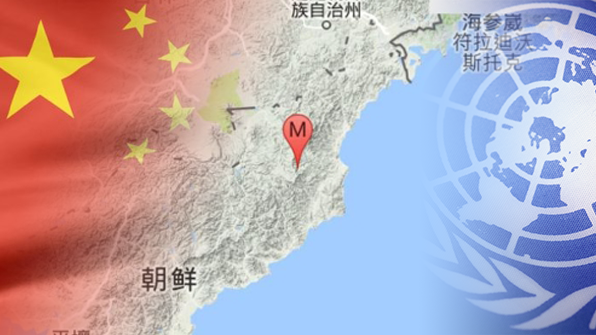
The Earth is like a massive, sensitive, and organically connected living entity, far more so than we might think. Just as a small shock can trigger a chain of earthquakes over several years, human indiscriminate actions will eventually come back to us. The continuous research and efforts of the scientific community serve as a reliable shield that warns us of dangers in the invisible underground world and prevents greater disasters. Continued unwavering support and interest in geological research are essential to safeguard the safety of our planet. Dangerous acts such as nuclear tests, which threaten peace and safety, must be eradicated through thorough scientific monitoring and international cooperation. Readers are also encouraged to use this opportunity to deeply reflect on the relationship between humans and nature and to pay a bit more attention to environmental changes around them. The path to creating a safe and peaceful future truly begins by facing the rigorous scientific truth and fulfilling the corresponding responsibilities. The Direction We Should Head Human indiscriminate actions will eventually return as the risk of long-term crustal changes. We must firmly protect the safety of the planet based on thorough scientific research and international cooperation.
Frequently Asked Questions
=