The employment insurance unemployment benefits system is a core component of the social safety net, helping workers who have lost their jobs maintain a stable life while preparing for re-employment. In recent years, as the structure of the domestic labor market has shifted dramatically, the number of foreign enrollees and the amount of unemployment benefits paid have reached all-time highs. In fact, looking around, it is no longer unusual to see colleagues of various nationalities working together, a stark contrast to the past. Amidst these changes, voices are growing louder, urging a thorough examination of the system’s weaknesses and the need to maintain its soundness. Today, we will take a detailed look at the overall status of the employment insurance system, including the specific conditions that daily workers and special employment workers need to know. By reading this article to the end, you will be able to grasp the flow of complex labor policies at a glance.
=
A Complete Guide to Employment Insurance Unemployment Benefits and the Surge in Foreign Enrollees
1. Surge in Foreign Employment Insurance Enrollees
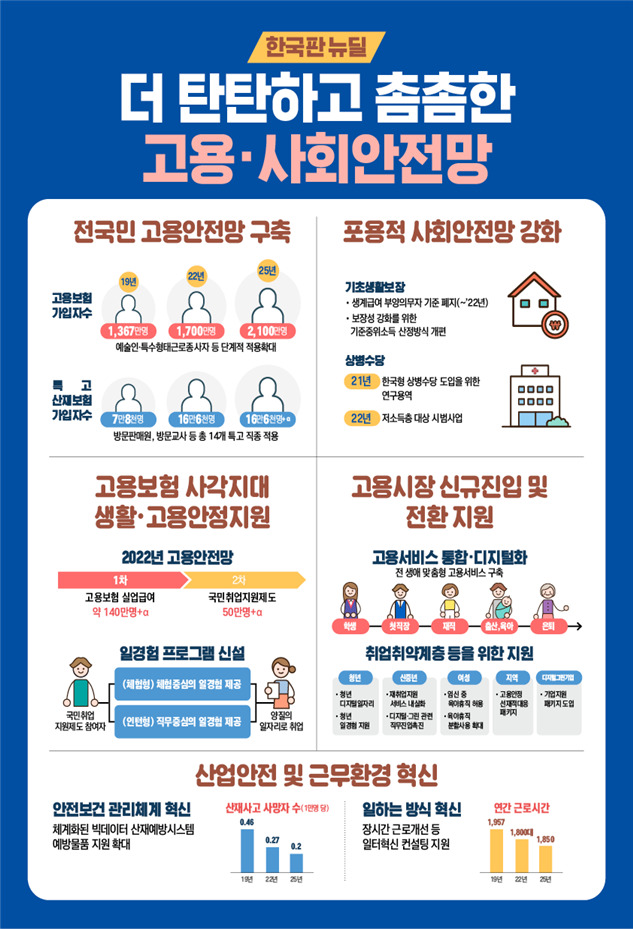
As the proportion of foreign workers in the domestic labor market has increased sharply year after year, the scale of employment insurance enrollment has also exploded. According to relevant data, the number of foreign employment insurance enrollees has surged by 2.6 times in just a few years, becoming a significant pillar of the economy. It is said that factories cannot operate without foreign laborers, not only in small and medium-sized enterprises or manufacturing sites but also in various service industries. As the number of enrollees has grown, the scope of protection within the system has expanded, but concerns about fiscal soundness have also increased simultaneously.
In the past, there were many criticisms that foreign workers only enrolled in the insurance but did not receive proper benefits, but the situation has changed completely now. The number of foreigners receiving unemployment benefits has set a new record, and related budget expenditures are accelerating. In workplace communities and online spaces, voices questioning whether the insurance premiums we diligently pay every month are being used correctly are constant. It is time to carefully examine whether the system is protecting diligent enrollees as intended and whether there is any room for abuse.
The number of foreign employment insurance enrollees and the scale of unemployment benefits have surged by more than 2.6 times in five years, establishing them as a significant variable in the labor market.
2. Concentration of Chinese Nationality Among Unemployment Benefit Recipients

Pointers have been raised that institutional supplementation is needed as the proportion of recipients from a specific country is unusually high among foreign unemployment benefit recipients. Statistics show a clear phenomenon where the majority of foreign recipients are concentrated among those of Chinese nationality or Chinese descent. Analysis suggesting that the unemployment benefit receipt rate is disproportionately high compared to the proportion of Chinese nationals among all foreign enrollees is gaining credibility. For example, a manager at a staffing office in Guro-gu, Seoul, reported that they often see cases of people utilizing the system by repeating cycles of short-term employment and unemployment.
This concentration is interpreted as a complex result of the employment forms of workers from specific nationalities and the domestic residency system. The high proportion of workers in simple labor or manufacturing, and the frequent job changes due to contract expirations, directly lead to unemployment benefit receipt. However, some argue that fairness issues with domestic workers must be addressed, advocating for stricter management of enrollment periods and receipt conditions. The government and relevant agencies are closely monitoring this phenomenon and exploring multi-faceted ways to supplement the system’s weaknesses.
About 8 out of 10 foreign unemployment benefit recipients are concentrated among Chinese nationals and those of Chinese descent, increasing demands for institutional improvement.
3. Unemployment Benefit Conditions for Daily and Special Employment Workers

Not only regular employees but also daily workers and special employment workers can receive unemployment benefits if they meet certain conditions. For daily workers to qualify for benefits, their cumulative employment insurance enrollment period must be at least 180 days within the 18 months prior to the date of job separation. Additionally, the number of days worked as a daily worker during the reference period prior to the final date of job separation must meet a certain standard, so it is crucial to thoroughly verify work history reports. Mr. Kim, who works as a daily worker on construction sites, advises that checking whether his monthly work days are accurately registered in the system is the most important thing.
Special employment workers, such as learning material teachers and insurance agents, are also included in the mandatory employment insurance enrollment targets, thickening the safety net. However, they can only enjoy the benefits if they meet strict conditions such as involuntary job separation reasons and minimum enrollment periods. People working as freelancers easily assume that the company will handle everything, but it is essential to develop the habit of personally checking their enrollment records. As employment forms become diverse, accurately knowing the receipt conditions for one’s own field is the shortcut to overcoming the crisis of unemployment.
Daily and special employment workers must meet strict conditions, such as a designated enrollment period and involuntary resignation, to receive unemployment benefits.
4. Support Measures for Small Business Owners and Small Workplaces
As the economy worsens, various support policies, such as deferring employment insurance premium payments for self-employed individuals and small business owners, are being implemented. According to recently announced holiday fund support plans, small businesses with fewer than 30 regular employees can defer insurance premium payments for a specific period. This is welcome news that eases the burden for small business owners who find the fixed monthly four major insurance premiums burdensome. Mr. Park, who runs a small restaurant in Busan, said that the premium deferral system has been a great help during a difficult time when labor costs and ingredient prices have risen.
Such premium deferral systems serve as a minimal defense line to prevent business owners experiencing temporary cash flow problems from being forced to close their businesses. Employment insurance provides a mechanism for self-employed individuals to protect themselves through voluntary enrollment. Although the enrollment rate for self-employed employment insurance remains low, interest is gradually increasing because it allows recipients to receive unemployment benefits upon business closure. For the government’s financial support and deferral measures to yield practical results on the ground, meticulous execution without blind spots must be supported.
Small business owners and workplaces with fewer than 30 employees can actively utilize the employment insurance premium deferral benefit to reduce their financial burden.
5. Foreign Employment Contracts and Compliance Requirements
Business owners hiring foreign workers in rural areas or manufacturing sites must thoroughly know the compliance requirements to avoid penalties. When hiring seasonal workers, they must not only prepare a standard employment contract but also fulfill the obligations of providing adequate housing and enrolling in insurance. For example, in the fishing industry, where labor is short seasonally, such as oyster shucking workplaces in Tongyeong, on-site education is being conducted to encourage compliance with relevant regulations. Business owners must pay special attention, as violating the raft real-name system or foreign employment management standards can result in administrative penalties.
On the ground, small and large conflicts can arise in the management of foreign workers due to cultural differences or language communication issues. If adequate living conditions are not provided or employment insurance enrollment is omitted, the foreign employment permit itself may be revoked. To secure diligent foreign personnel stably, it is essential to understand the relevant system transparently and strictly adhere to legal standards. Labor authorities are also working to prevent illegal employment and create an environment for mutual benefit through regular on-site inspections and education.
Business owners must strictly comply with standards such as providing adequate housing, enrolling in employment insurance, and signing standard employment contracts when hiring foreign workers.
6. Sustainability of the System and Future Tasks
For the employment insurance system to faithfully perform its original role as a social safety net, continuous reform tailored to the rapidly changing labor environment is necessary. We have reached a point where realistic tasks such as the surge in foreign recipients and concerns about deteriorating fiscal soundness can no longer be ignored. Experts advise increasing the transparency of receipt conditions and more precisely linking the domestic residency and employment history of foreign workers. We must keep a sharp eye on management and supervision to ensure that the valuable insurance premiums we diligently pay every month are not wasted.
Going forward, changes in population structure and the inflow of foreign labor will accelerate, and the importance of employment insurance is expected to grow further. Only by quickly supplementing institutional weaknesses and applying fair rules to both domestic and foreign workers can trust be restored. Readers, please pay attention to the changes in the labor market around you and carefully manage your rights and obligations. A healthy and sustainable employment system will be completed when the government, civil society, and workers work together.
To ensure the sustainability of the employment insurance system, transparent management and supervision and the adjustment of fair receipt conditions are urgent.
Frequently Asked Questions
=