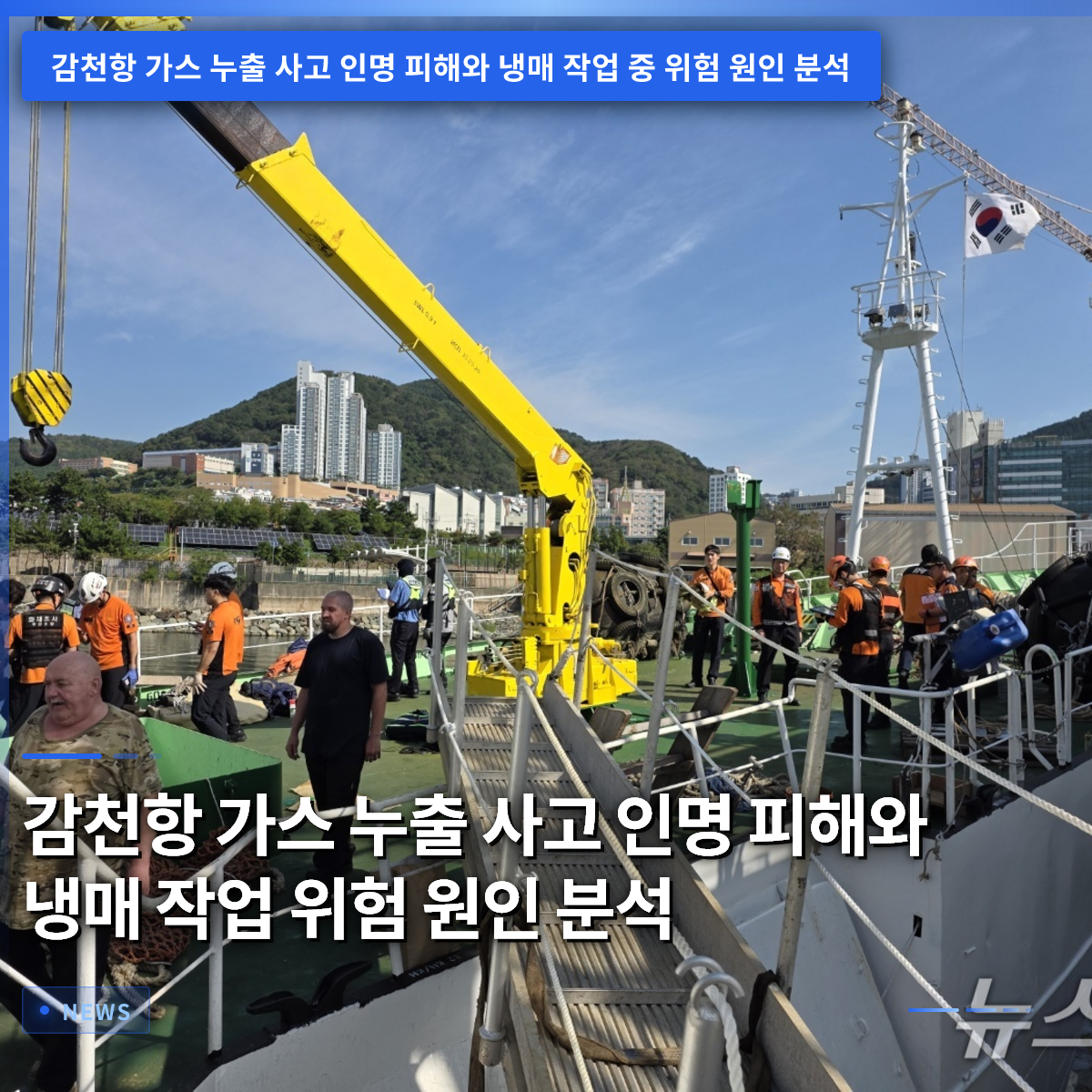
A tragic loss of life occurred due to a gas leak inside a Russian fishing vessel docked at Gamcheon Port in Saha-gu, Busan, on the morning of the 15th. The incident happened while crew members were performing a refrigerant replacement task, resulting in a leak of Freon gas. The foreign crew members on site suffered greatly. The confined nature of the space exacerbated the damage, bringing the issue of safety negligence in the workplace back into the spotlight. I personally have a harrowing memory of feeling dizzy from a faint gas smell while repairing pipes in a poorly ventilated underground workshop in the past. I was able to survive because a colleague quickly pressed the emergency bell and activated the ventilation fan, which is why this news feels deeply personal and painful. In this article, we will examine the details of the accident at Gamcheon Port, why refrigerant work is dangerous, and measures to prevent similar tragedies.
=
Analysis of Casualties and Refrigerant Work Hazards in the Gamcheon Port Gas Leak Accident
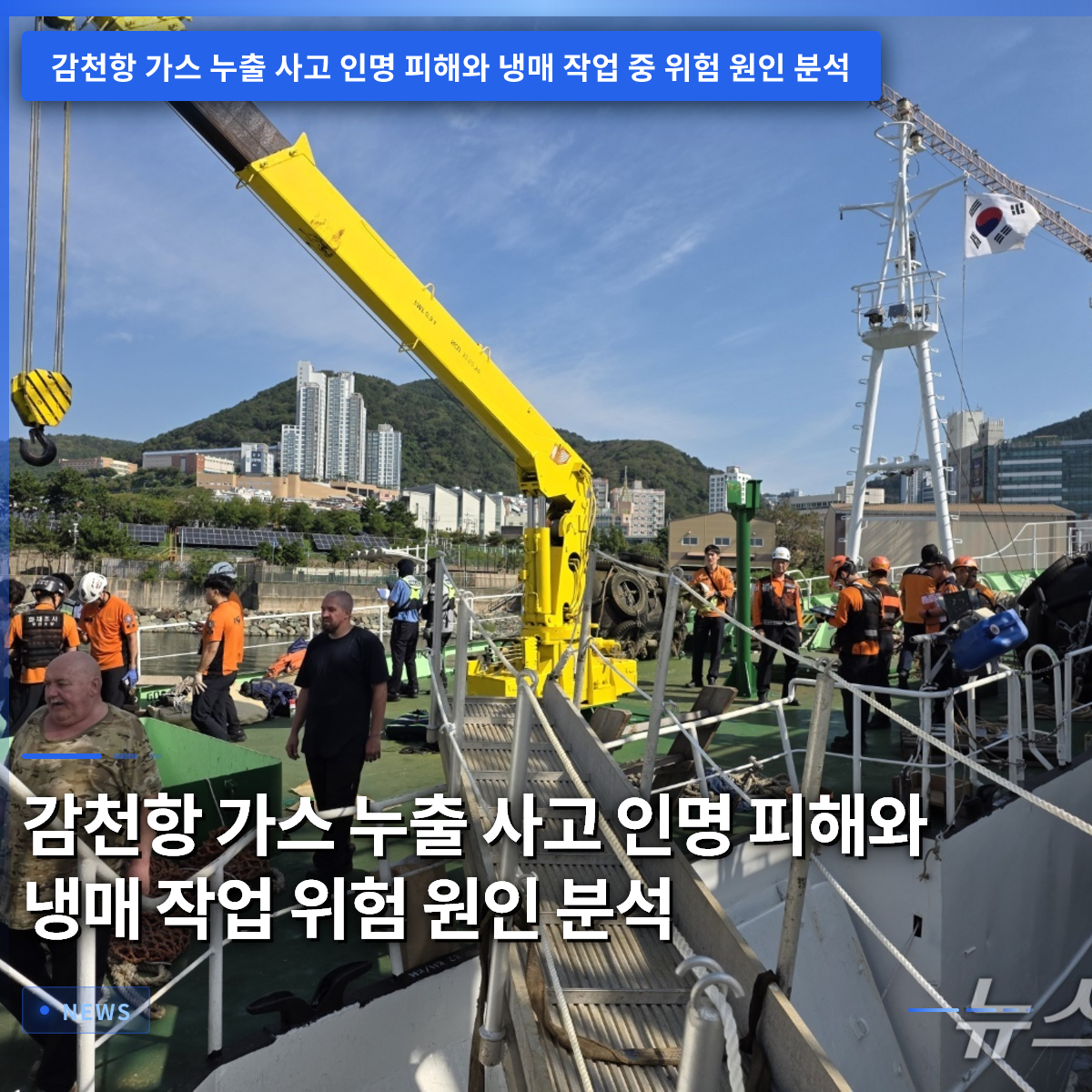
1. Specific Circumstances of the Gamcheon Port Gas Leak Accident
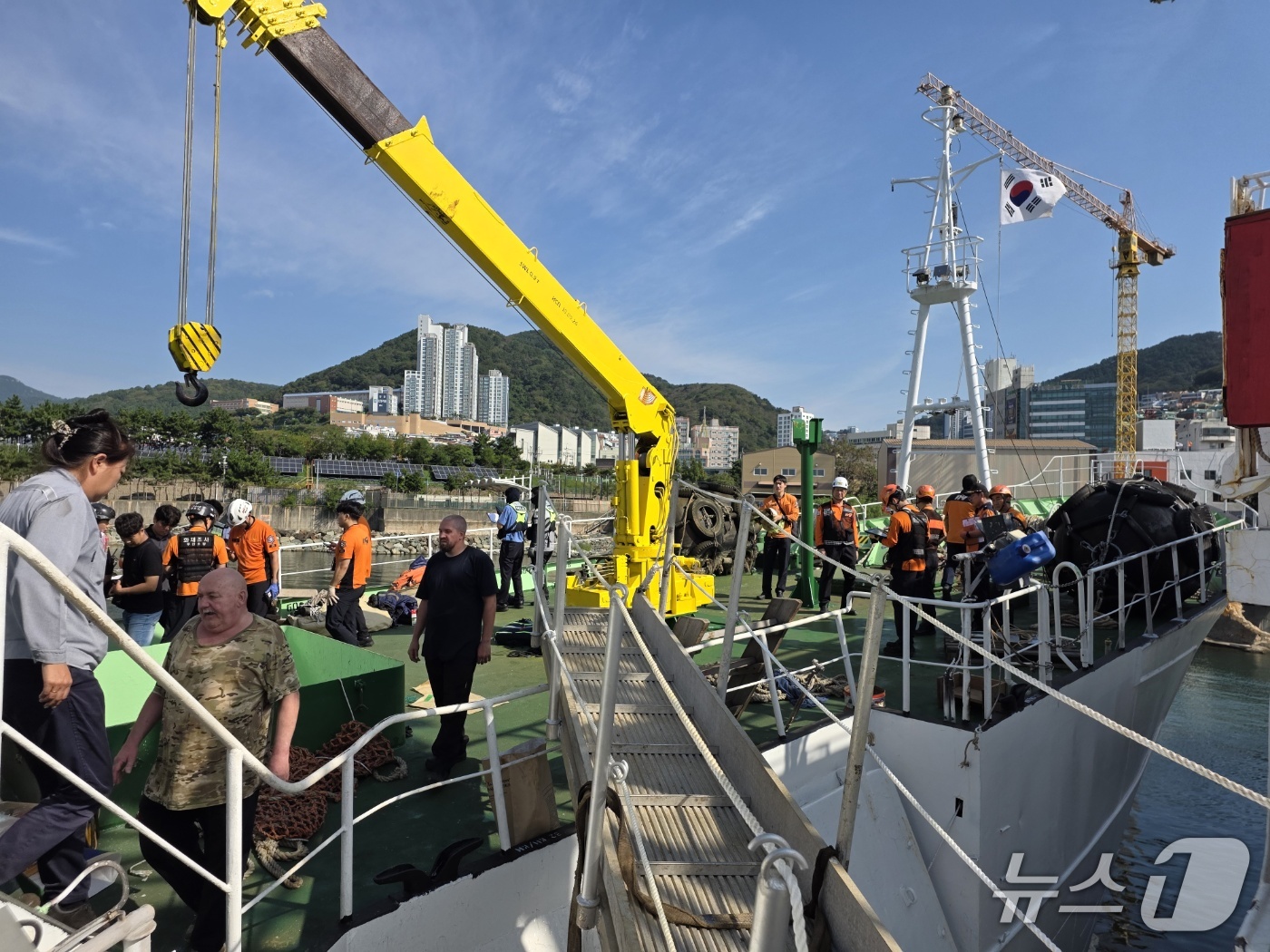
This tragedy began around 8:37 AM on the 15th inside a 769-ton Russian fishing vessel docked at a shipyard in Gamcheon-dong, Saha-gu, Busan. While crew members were engaged in a refrigerant replacement task for vessel maintenance, an unidentified gas leaked, causing several workers to collapse instantly. When firefighters arrived on the scene after receiving the report, the majority of the 15 crew members were found to have been exposed to toxic substances. In particular, four suffered serious injuries and were transported to the hospital, two of whom were in cardiac arrest, causing great distress to those around them. The remaining 11 crew members managed to evacuate on their own and survived, but they are reportedly suffering from severe psychological shock.
Vessels navigating the sea differ from ordinary land buildings in that their structure is very complex and access points are limited. In particular, areas such as the lower hull or engine rooms are constructed with confined structures where outside air does not circulate freely. In such places, even a small gas leak can instantly contaminate the internal air, often leading to major casualties. Fire authorities report that the accident vessel also suffered increased damage because work was being done inside a cabin where ventilation was very difficult. It is a great regret that this was a man-made disaster that could have been prevented if thorough ventilation equipment had been operated during the work.
A gas leak during refrigerant work on a Russian fishing vessel docked at Gamcheon Port resulted in multiple casualties.
2. Why Freon Gas Leaks Pose a Lethal Danger
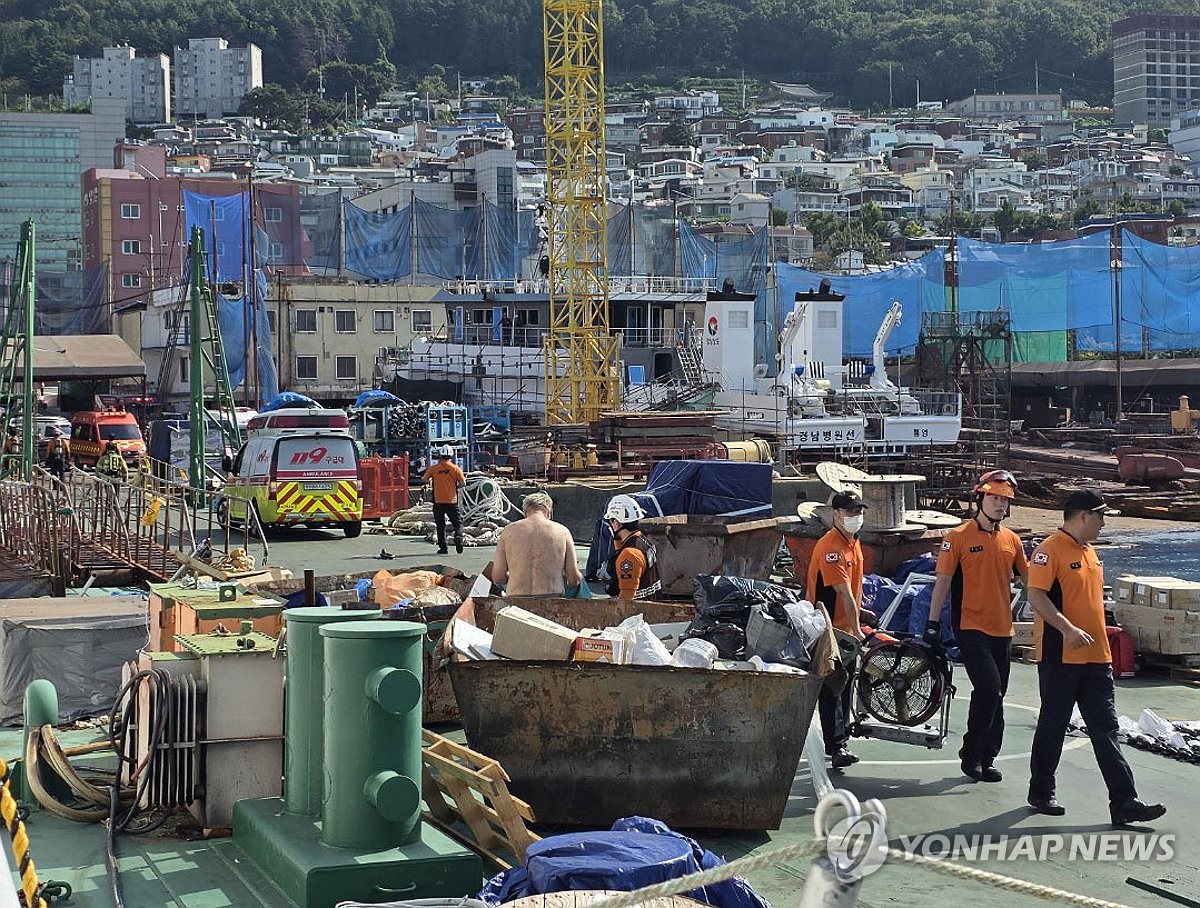
Freon gas, identified as the primary cause of this accident, is a substance widely used in everyday appliances such as air conditioners and refrigerators. This substance is known as a safe gas that is colorless, odorless, and non-flammable at room temperature. Its chemical toxicity is not particularly high, so it appears not to cause significant harm in general environments. However, due to its physical property of being heavier than air, it exhibits a completely different behavior in narrow, confined spaces.
In places with poor ventilation, such as ships or underground warehouses, if Freon gas leaks out in large quantities, it rises from the bottom. The gas lingers in the lower part of the space, displacing the oxygen essential for human breathing. Consequently, workers end up in a state of oxygen deficiency and may lose consciousness and suffocate without realizing it. Since it is difficult to detect leaks by smell or color, it is a situation where one is helpless without an alarm system. Therefore, stricter monitoring equipment is needed for field workers operating under such invisible threats.
Although Freon gas is colorless and odorless, it is heavier than air and displaces oxygen in confined spaces, causing suffocation.
3. Guidelines for Prompt Emergency Response in the Event of Casualties
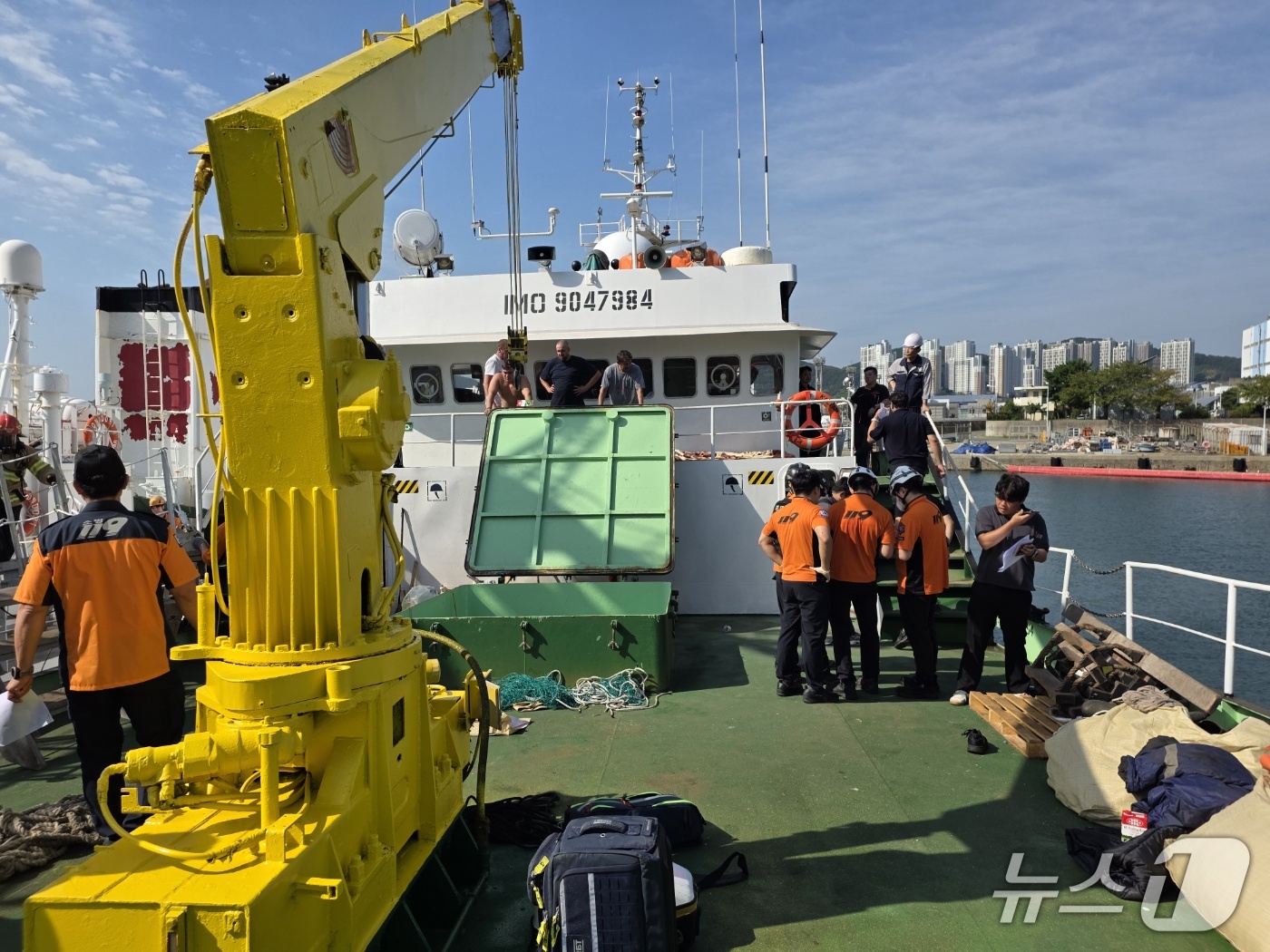
At the scene of this accident, critical moments continued, including the occurrence of two patients in cardiac arrest. Upon hearing the news, 119 emergency responders immediately rushed to the scene, moved the fallen crew members to a safe location, and administered first aid. For patients in cardiac arrest, immediate CPR and oxygen supply are essential to prevent brain damage and increase the chances of survival. Fortunately, prompt transport and medical treatment followed, but it is still too early to be reassured about the patients’ conditions.
Any worker on site must be familiar with basic first aid methods to preserve the golden hour. In the past, at a site where I worked, a colleague collapsed after inhaling gas, but he survived because those around him did not panic, ventilated the area, and called 119. If someone had rashly rushed in to rescue him without protective equipment and collapsed as well, the damage would have been uncontrollable. In confined space accidents, rescuers are also at high risk of exposure to harmful gases, so they must always wear safety equipment such as self-contained breathing apparatuses. When an emergency occurs, the wisest course of action is to alert those around you of the danger and quickly request assistance from professional rescue agencies.
In critical situations such as cardiac arrest, prompt response, accurate first aid, and wearing protective equipment are essential.
4. Safety Rules That Must Be Followed When Working in Confined Spaces in Shipyards
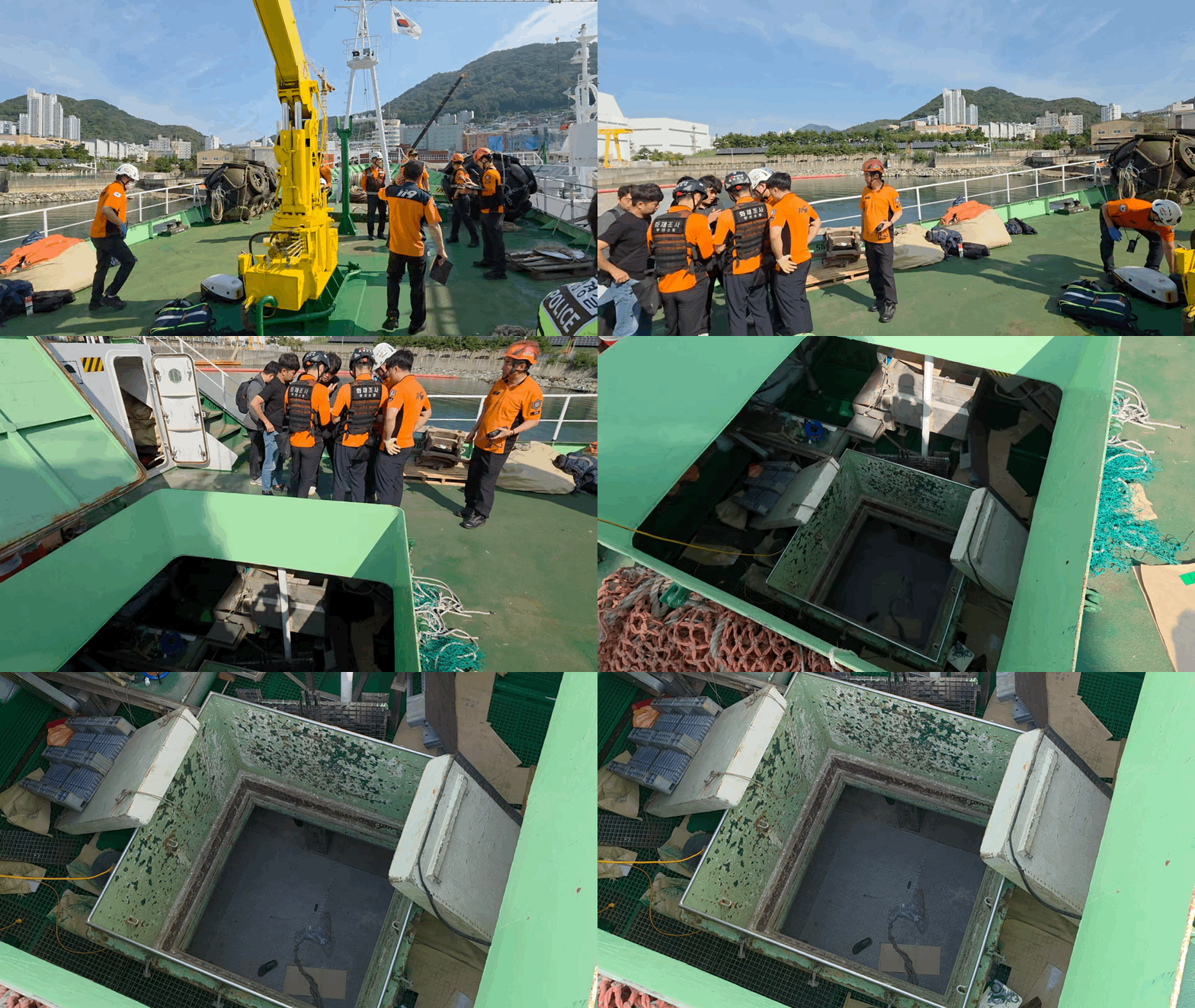
When working in places with poor air circulation, such as inside vessels or tanks, several strict rules must be followed. First, before starting work, one must carefully check the internal oxygen concentration and the presence of harmful gases using a measuring device. If the oxygen concentration is insufficient or harmful substances are detected, work must absolutely not begin, and thorough ventilation must be performed first. Additionally, ventilation fans must be kept running during the work to ensure a continuous supply of clean air.
In practice, there are many cases where neglecting these basic rules in the name of increasing work speed leads to major accidents. It is also very important to secure an emergency escape route so that workers can immediately exit to the outside when an emergency occurs. Furthermore, working alone is prohibited, and a system must be established where at least two people form a team to check on each other’s status. Placing a spotter outside who can immediately notice and help in the event of an emergency is also an indispensable rule. Only when a site culture is created that views safety as an investment rather than a cost can tragedies be prevented.
Before working in confined spaces, gas concentrations must be measured, and continuous ventilation and a two-person team system must be maintained.
5. Response and Challenges for Shipyards and Relevant Agencies After the Accident
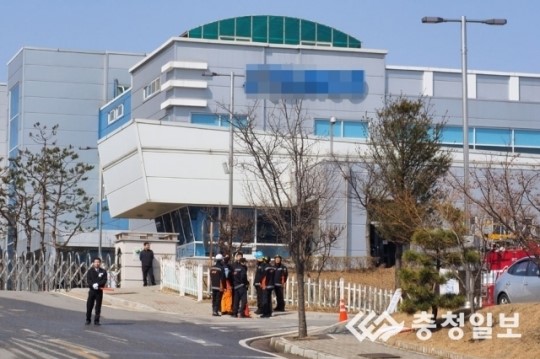
Immediately after the tragic accident, fire authorities and police are controlling the scene and conducting a thorough investigation to determine the exact cause. In particular, since the vessel involved is a foreign-flagged fishing boat, it is being pointed out that management and supervision of incoming vessels may have been inadequate. Relevant agencies, including the Ministry of Employment and Labor, are expected to conduct joint inspections to review the overall safety system of the shipyard. To eradicate recurring gas leak accidents in workplaces, fundamental measures that go beyond one-time inspections are urgently needed.
Due to the nature of fishing vessels with many foreign crew members, language barriers often lead to safety education becoming merely formalistic. If work manuals are only in Korean or are too complex, foreign workers may have difficulty recognizing danger signals. Therefore, work instructions translated into multiple languages should be distributed, and easy-to-understand education using pictures or audiovisual materials should be conducted regularly. Not only shipowners and shipyard operators but also managers directly commanding on site must approach safety management with a sense of responsibility. We hope that this incident will serve as a turning point for a culture that prioritizes the lives of workers above all else to take deep root in all industrial sites.
Joint inspections by relevant agencies, along with multilingual safety education and strengthened supervision for foreign crew members, are necessary.
6. Future Measures for Crew Safety and Challenges for Our Society
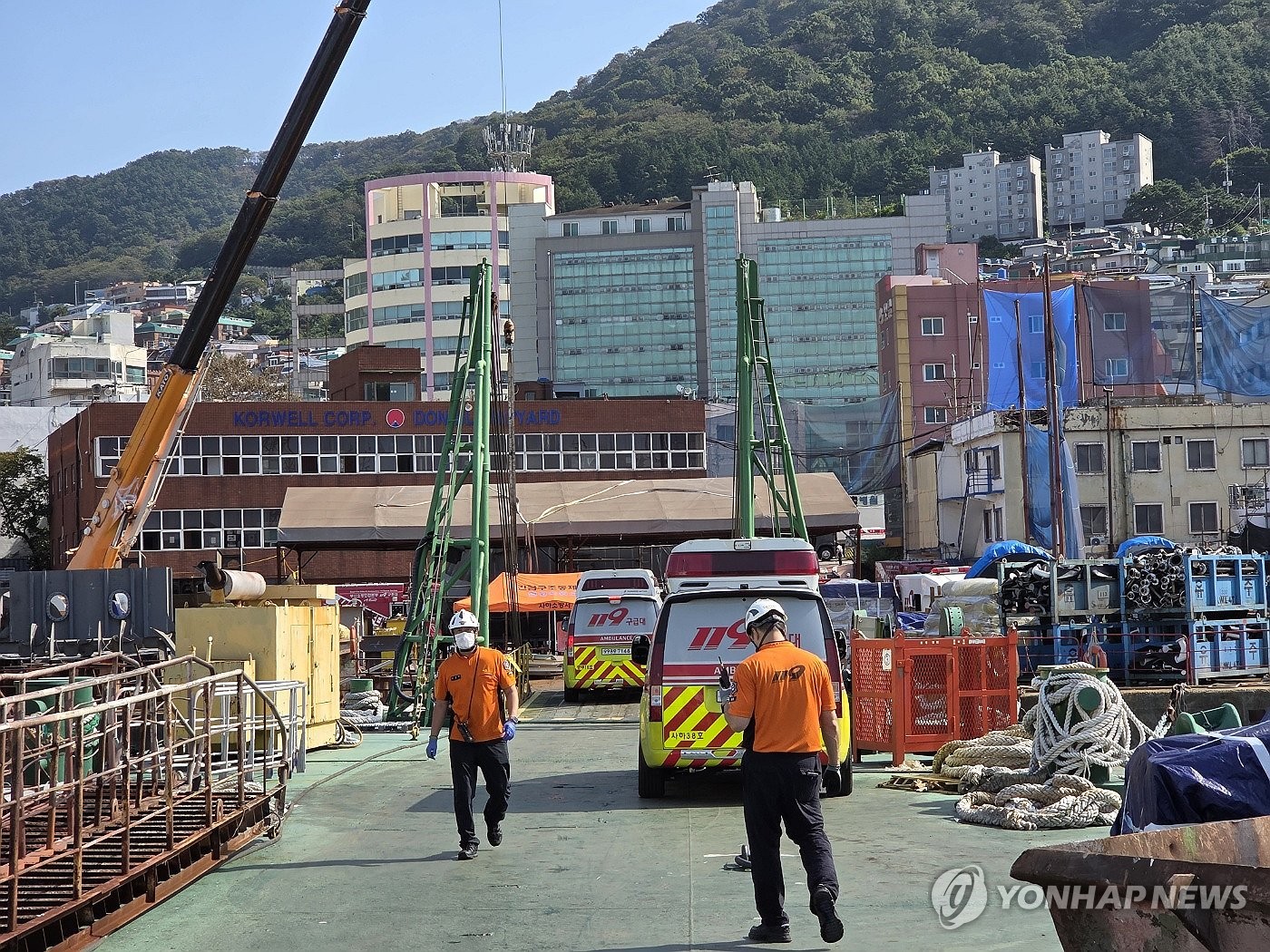
The gas leak accident at Gamcheon Port has painfully reminded our society of its persistent safety negligence and inadequate management systems. We sincerely wish for the speedy recovery of the injured crew members and must establish thorough measures to ensure that such man-made disasters are never repeated. The government and local authorities must strengthen monitoring of repair and maintenance work for all vessels entering the port. On-site managers must establish a management philosophy that treats worker safety as a top priority value rather than a target for cost reduction.
We ask our readers not to overlook small safety hazards in their surroundings, but to actively report them and demand improvements. If we all keep the importance of safety in our hearts and strictly follow basic rules in our daily lives and workplaces, there will be no more tragic sacrifices. We will continue to closely monitor safety news from industrial sites and provide accurate information and countermeasures. We ask for your warm interest and participation in creating a healthy workplace where everyone can work with peace of mind. Safety cannot be emphasized too much, and our small concern is the first step in protecting precious lives.
A safe workplace must be created through thorough prevention measures and continuous safety inspections.
Frequently Asked Questions
=