During this Chuseok holiday, an average of 8,294 clinics, hospitals, and pharmacies nationwide will remain open, operating a 24-hour emergency medical system to safeguard the public’s health. This is the result of joint efforts by the government and local authorities to ensure that people can find open facilities without panic in case of sudden emergencies, such as abdominal pain or minor injuries, during the holiday period. Recalling a neighbor’s frantic search for care when their child suddenly developed a fever during last year’s holiday, one can truly appreciate how reassuring and fortunate this emergency care system is. It is easy to let one’s guard down amidst the festive atmosphere, but medical professionals across the country are standing by day and night to prevent any gaps in medical care that could arise at any time. In this article, we will take a detailed look at how to wisely check for medical institutions that will be open during the upcoming Chuseok holiday and tips for handling emergencies. Let us share the wisdom of thorough preparation so that families can enjoy a peaceful and safe holiday.
=
24/7 Emergency Medical System During Chuseok: How to Find Open Hospitals and Pharmacies
1. Current Status of the Emergency Medical System During Chuseok
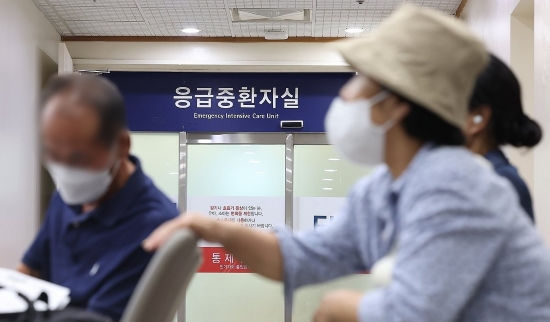
During this year’s Chuseok holiday, emergency medical institutions nationwide will operate a rigorous 24-hour emergency care system without a single day off. Since the number of patients may increase during the holiday period compared to usual times, health authorities are closely coordinating with medical institutions in each region. A significant number of 8,294 clinics, hospitals, and pharmacies on average are prepared to receive patients through shift work. Not only the emergency rooms of large hospitals, but also small local clinics and pharmacies will open on a rotation basis, meaning that minor symptoms can be addressed at local facilities. This densely woven emergency care network plays a crucial role in preventing emergency room overcrowding and ensuring that patients who truly need it receive prompt treatment. Careful measures have been put in place to fill any gaps in medical care, covering not only major cities but also small towns and rural areas. Local health centers and public medical institutions will conduct emergency care even on the day of the holiday, prioritizing the health of residents. Shift schedules are strictly managed to reduce medical staff fatigue and maintain efficient care. While we comfortably visit relatives and enjoy delicious food, countless medical professionals are quietly holding their posts. Thanks to their dedication, the holiday can be remembered as a safer and warmer time.
An average of 8,294 clinics, hospitals, and pharmacies will maintain 24-hour emergency care during the Chuseok holiday to prevent gaps in medical services.
2. How to Check for Open Hospitals and Pharmacies
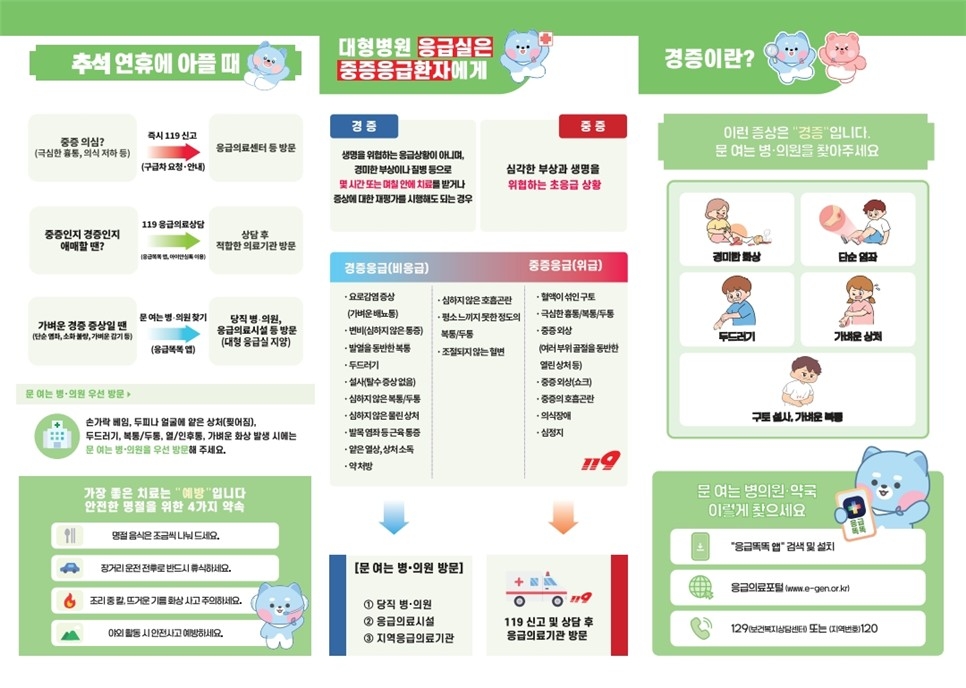
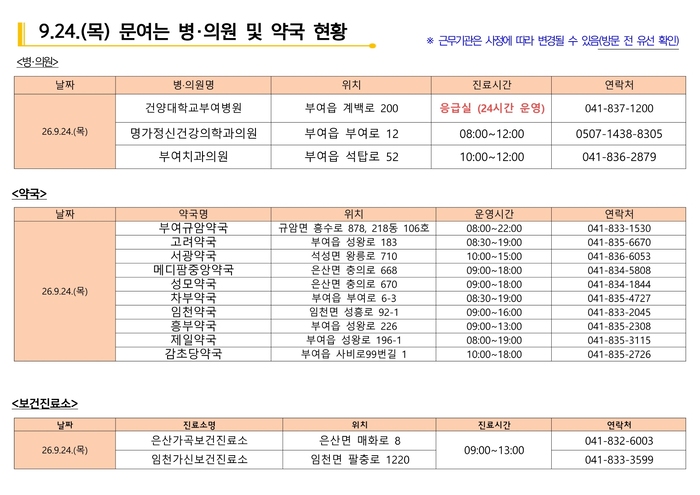
If you suddenly fall ill during the holiday, the first thing to do is accurately locate a nearby clinic, hospital, or pharmacy that is open. There is no situation more frustrating and disconcerting than stepping out of your home only to find yourself standing in front of a tightly closed metal door. To reduce such inconvenience, the government provides real-time information through the Emergency Medical Portal and various emergency care guidance channels. By typing “Emergency Medical Portal” into an internet search bar or accessing the relevant website on your smartphone, you can immediately find the nearest medical institution based on your current location. Since information is updated in real-time even during nights and holidays, this is one of the most reliable methods. Utilizing smartphone applications is also a very convenient and intuitive alternative. If you open a map app and search for holiday clinics or on-duty pharmacies, operating hours and detailed addresses will be displayed. If you prefer phone consultation, you can contact the Ministry of Health and Welfare Consultation Center or the 119 Emergency Situation Management Center for guidance. Operators will listen to the patient’s current symptoms and kindly guide you to the most appropriate emergency room or night clinic. It is a wise precaution to save these search methods to your smartphone or familiarize yourself with them before the holiday begins.
By using internet portals and phone consultations, you can easily check real-time information on open hospitals and pharmacies during the holiday.
3. Precautions When Using the Emergency Room
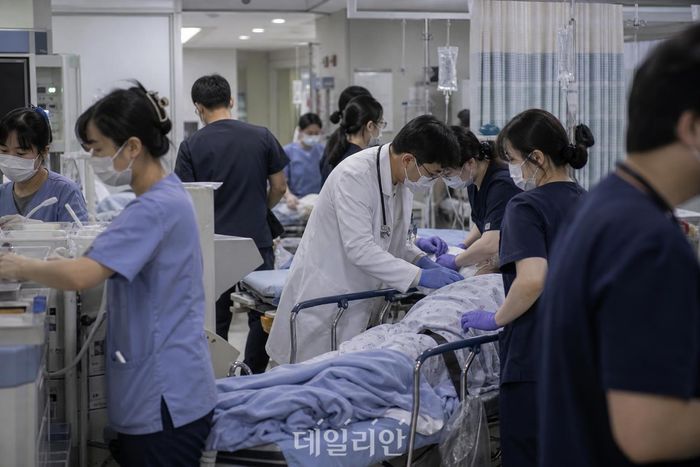
When symptoms are severe enough to require a large hospital’s emergency room, it is very helpful to know a few important rules in advance. During the holiday, there is a tendency for mild patients to flock to emergency rooms, which can delay treatment for critically ill patients. Therefore, if you have mild symptoms such as a fever or stomach upset, it is advisable to use a nearby on-duty clinic or night pharmacy instead of the emergency room. Remember that your wise choice can create a miracle by protecting the precious life of another critically ill patient. When visiting the emergency room, writing down the patient’s medical history and current medications in advance is the key to speeding up the consultation. It can be difficult to answer medical staff’s questions clearly in a state of confusion, so having notes can be a great help. Also, be aware that emergency room fees differ from general outpatient fees, and your out-of-pocket costs may be higher. Additional surcharges apply during nights and holidays, so costs may be higher than expected. A calm and composed attitude is the most essential virtue for both the patient and the caregiver.
To reduce emergency room congestion, use local clinics for mild symptoms, and prepare accurate patient information when visiting for critical cases.
4. Preparing and Taking Essential Medications Correctly
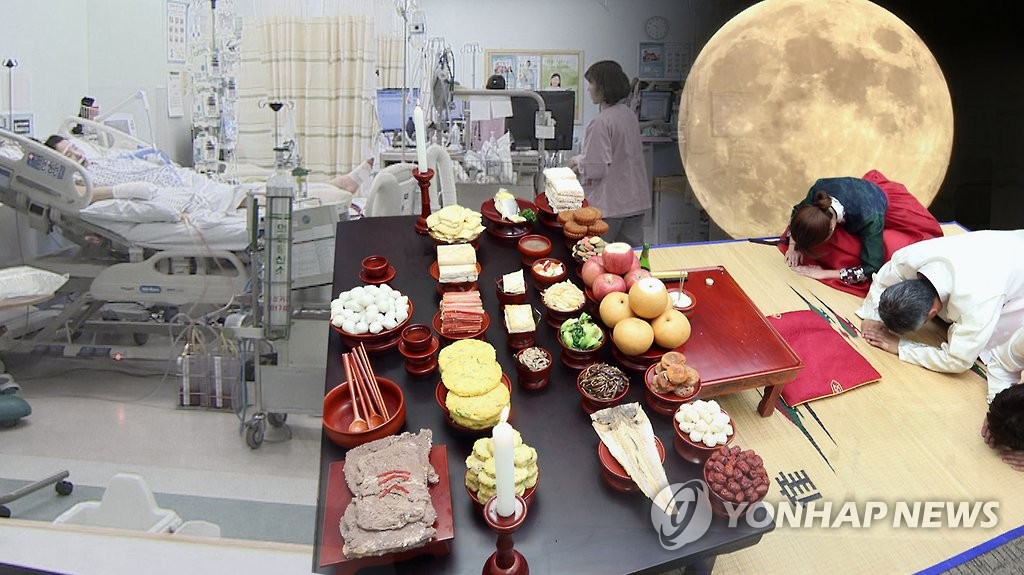
It is very important to carefully check if your home first-aid kit is sufficiently stocked with essential medications before the holiday begins. Antipyretic analgesics like Tylenol, digestive aids, band-aids, and disinfectants are essential items most commonly used during the holiday. If you have children, you must prepare children’s antipyretics and a thermometer to handle sudden fevers in the middle of the night. When pharmacies are closed late at night or early in the morning, essential medications become the only savior if you suddenly experience stomach pain or a fever. When storing medications, it is necessary to develop the habit of carefully checking for expiration dates and signs of deterioration. Essential medications should be stored in a cool, dry place to maintain their efficacy for a long time. Additionally, when taking multiple types of medication together, you must always read the instructions and strictly adhere to the dosage and administration methods. When giving medication to children, do not split adult medication; always use pediatric-specific medications appropriate for their weight. Minor negligence can lead to major accidents, so caution is always required when taking medication.
Prepare essential medications such as antipyretics and digestive aids before the holiday, and check expiration dates and correct usage instructions.
5. Holiday Food Safety and Preventing Food Poisoning
Special care is needed to prevent food poisoning or acute gastroenteritis incidents while preparing and sharing abundant holiday food. Leaving food at room temperature for long periods while chatting with family members who haven’t seen each other in a while creates an environment where bacteria can easily multiply. Especially when the weather is not yet cool, cooked food should be refrigerated or stored in airtight containers as soon as possible. Once food has spoiled, it may contain potent toxins even if it looks fine on the outside, so one needs the courage to discard it decisively. When cooking food, wash hands thoroughly and separate cutting boards and knives for meat and vegetables to strictly prevent cross-contamination. It is common to keep reheating food throughout the holiday, but it is safe to consume it only after heating it thoroughly until the center is fully cooked. Always boil water before drinking and disinfect cooking utensils regularly to maintain a hygienic kitchen environment. If someone falls ill from the food enjoyed together by the whole family, the rare holiday atmosphere can be ruined in an instant. Strict hygiene management is the most basic yet powerful defense line for spending a fun and healthy holiday.
Store holiday food quickly after cooking and strictly follow hygiene rules to prevent food poisoning and gastroenteritis.
6. Concluding a Safe and Healthy Holiday
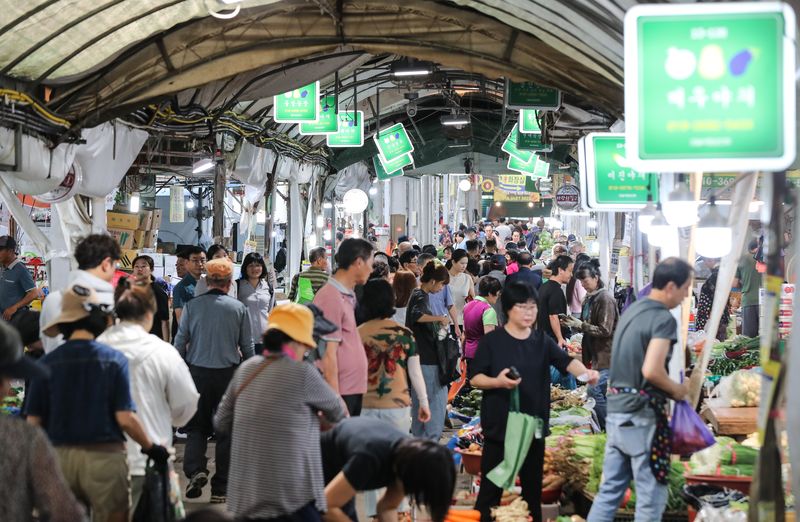
The Chuseok holiday is a precious period for relieving accumulated fatigue and spending valuable time with family, but it is easy to compromise one’s health if one lets their guard down. As we have seen today, since the emergency medical system operates 24/7 and various search methods are available, there is no need to worry even in unexpected situations. However, one must not forget that the best method is to stay healthy and get through the holiday safely without falling ill in the first place. Avoiding overeating, taking moderate rest, and strictly maintaining personal hygiene are the wisest ways to protect your health. When returning to daily life after the holiday, effort is needed to gradually restore the body’s biological rhythm. Get sufficient sleep, do light stretching to wisely overcome holiday syndrome, and welcome a vibrant daily life. I sincerely hope that this Chuseok, through thorough preparation and utilizing available information, every family will spend time filled with laughter. If there are any signs of health issues, do not hesitate to visit the guided medical institutions to receive appropriate help. I wish you a safe and healthy holiday, and I will end this article here.
Prepare for emergencies and conclude the holiday safely through thorough preparation and health management.
Frequently Asked Questions
=