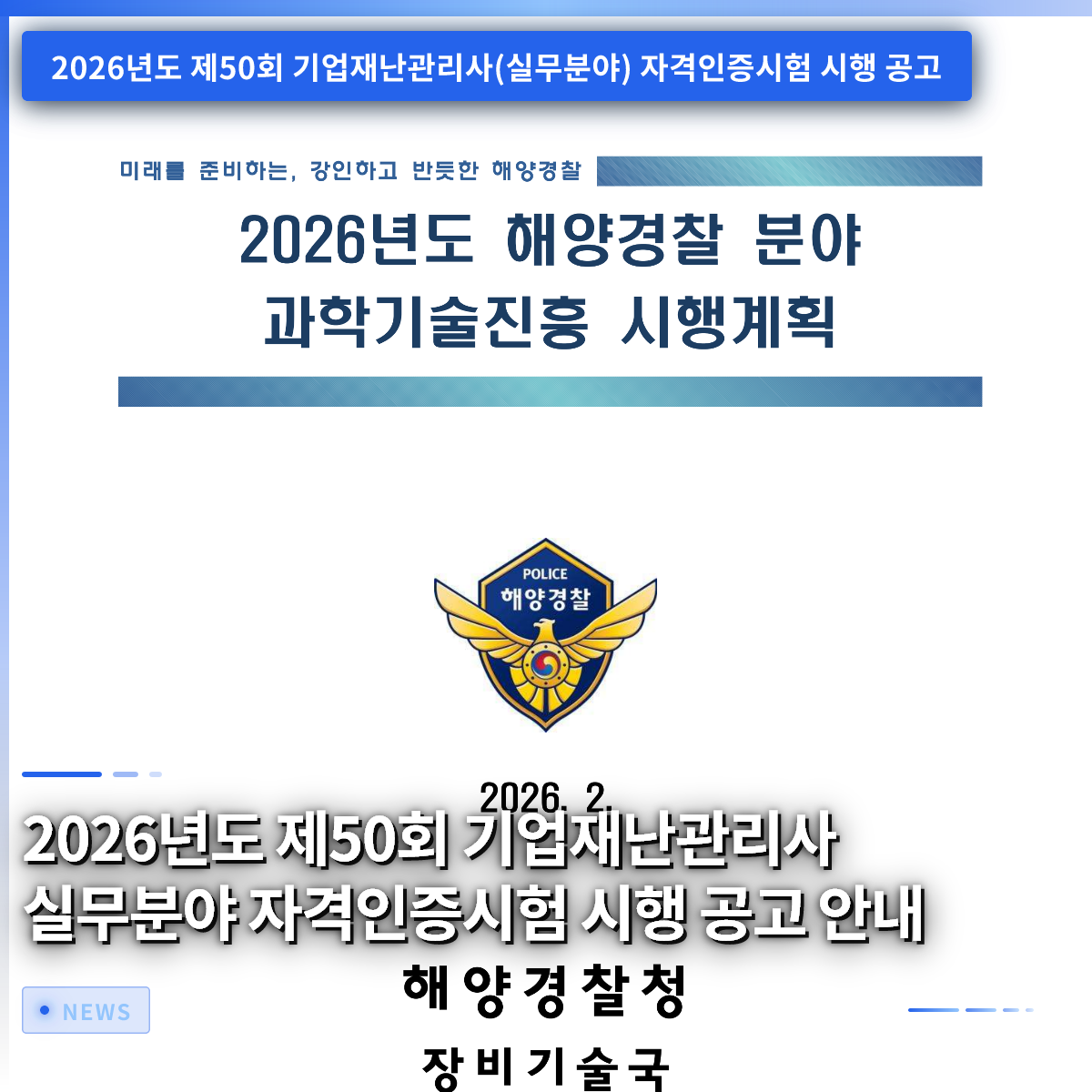
With the official announcement of the 50th Practical Field Certification Exam for Corporate Disaster Managers in 2026, candidates preparing for the test are stepping up their efforts. As various disasters and crisis situations have become more frequent recently, the role of experts in ensuring business continuity and managing safety at the corporate level has become more important than ever. Every year, numerous corporate professionals challenge this certification to demonstrate their disaster response capabilities, and fierce competition is expected this year as well. For instance, Manager Kim, who works at a small and medium-sized enterprise, felt the acute lack of specialized knowledge last year while trying to build an internal disaster safety network and has been aiming for this exam this year. In this article, we will cover everything from the key schedule and application methods to practical preparation tips for passing. If you have felt overwhelmed while preparing for the exam, following this content step by step will be of great help.
=
Notice on the Implementation of the 50th Practical Field Certification Exam for Corporate Disaster Managers in 2026
1. Exam Overview and Basic Information
1. Exam Overview and Basic Information
The Corporate Disaster Manager certification exam is one of the important indicators nationally recognized in the field of disaster management. The 50th exam, currently being implemented, focuses on the practical field, verifying abilities that can be immediately applied in the field. It evaluates how to maintain core corporate operations in actual crisis situations, going beyond simple memorization of theory. In the past, disaster management was centered around large corporations and public institutions, but it has now become an essential task in organizations of all sizes. Therefore, candidates taking this exam must possess a well-rounded knowledge of extensive laws and practical skills to pass. Systematic preparation can be seen as the most important factor determining success or failure.
The exam is held simultaneously at major testing centers nationwide according to a set annual schedule, and candidates must not miss the application period. In particular, carefully checking eligibility requirements and education completion status in advance is the fastest way to reduce trial and error. Since you must strictly adhere to the exam time and entry completion time, it is necessary to familiarize yourself with the testing center location in advance. According to advice from colleagues and successful predecessors, getting sufficient sleep the day before the exam is unanimously considered the most important factor. Thoroughly building a strong foundation is the most reliable weapon for achieving a high score.
💡 Key Point The 50th practical field exam evaluates on-site application abilities, and thorough prior preparation is essential.
2. Eligibility and Pre-Exam Education
2. Eligibility and Pre-Exam Education
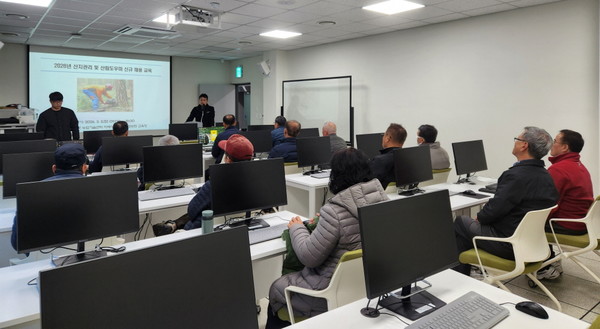
To take the 50th exam, candidates often need to first complete a designated educational course by the organizing body. Due to the specialized nature of the Corporate Disaster Manager qualification, simply submitting an application does not guarantee eligibility to take the exam. For example, if you reach the application period without completing the required educational course, you will be unable to apply, leading to a frustrating situation. Therefore, candidates must cross-check the Ministry of the Interior and Safety announcements to confirm whether they qualify and if there are any exemption clauses. While balancing work and education can be difficult, it is fully manageable by utilizing weekend or night courses.
Those who diligently complete the pre-exam education gain significant benefits by being exposed to various disaster cases encountered in the field in advance. In addition to theoretical lessons, the course includes practical sessions on formulating actual corporate business continuity plans, making it ideal for developing practical skills. The content covered in the education often directly relates to actual exam questions, so it is crucial to attend with focus. The habit of taking notes on the key points emphasized by instructors significantly increases the pass rate. Thorough completion of the education is the safest foundation for passing.
💡 Key Point You must complete the required educational course before taking the exam, which also directly contributes to improving practical skills.
3. Application and Schedule Management
3. Application and Schedule Management
The application period is conducted only for a short, designated time each year, so it must be clearly marked on your calendar. Since the server may not run smoothly on the first day of applications, it is wise to complete membership registration and identity verification in advance. You should also prepare photo files and other supporting documents in the correct format beforehand to complete the application without panic. It is not uncommon to hear sad news about people who mistakenly calculated the application period by one or two days and ended up wasting an entire year. You should set multiple alerts in your calendar or smartphone schedule app to prevent such mistakes in advance.
After completing the application, you must print your admission ticket and prepare to bring it along with your ID on the day of the exam. The testing center assignment results will be announced after the application deadline, so you must check the website for this information as well. You need to be meticulous about even minor details, such as booking transportation in advance and checking your route. Breaking down your study plan efficiently during the preparation period is also beneficial for your mental health. Only through systematic schedule management can you perform stably.
💡 Key Point You must thoroughly understand the designated application period and prevent missed applications through prior system checks.
4. Exam Subjects and Question Trends
4. Exam Subjects and Question Trends
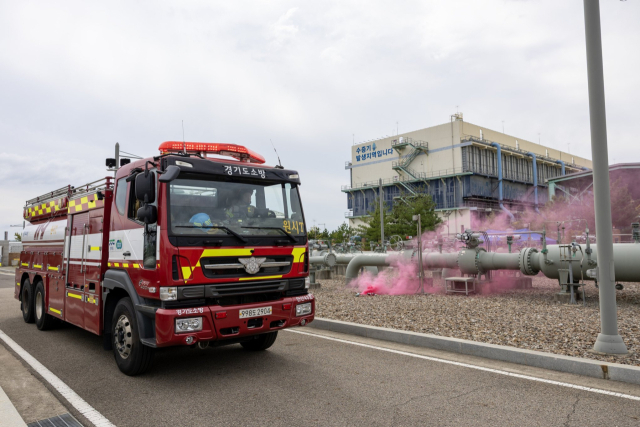
The practical field certification exam consists of core subjects such as establishing corporate disaster management systems, business continuity planning, and disaster risk assessment. Since the proportion of questions varies by subject, a strategy to focus on the core areas that are frequently tested is required. Recently, there is a trend of increasing application-type questions that present real-world cases and ask for correct response measures, rather than simple memorization-based questions. For example, a typical question asks candidates to list the process from initial response to recovery in the event of a factory fire or to identify problems. Therefore, when analyzing past exam questions, you should study by understanding the reasons why a specific answer is correct, rather than just memorizing the answers.
While reading textbooks thoroughly, creating summary notes and organizing them in your own words is very helpful. Do not skip unknown content; it is better to resolve your doubts by asking questions in study groups or internet cafes. You must repeatedly practice solving problems while timing yourself, as if in a real exam, so you are not rushed during the actual test. Since there is a minimum passing score system for each subject, you should not give up on subjects you are weak in but instead formulate a strategy to secure the minimum score. A solid understanding of each subject becomes a strong pillar for achieving the passing score.
💡 Key Point You need to analyze the question distribution by subject and engage in practical, real-world focused study to prepare for application problems.
5. Passing Criteria and Certification Utilization
5. Passing Criteria and Certification Utilization
To pass, you must achieve a certain score in each subject, and the average score across all subjects must meet the standard to be considered a final pass. On the day the results are announced, many candidates may access the website, causing congestion, so it is best to check the results with some buffer time. If you are honored with a final pass, you will be granted the qualification to work as an official Corporate Disaster Manager after going through the certificate issuance process. This certification is increasingly favored in hiring for corporate safety management departments and in personnel evaluations, making it a very attractive credential for working professionals. It is easy to find cases where individuals who obtained this certification were promoted to internal safety leaders or transferred to related departments.
Even after obtaining the certification, efforts to maintain expertise through continuous training or attending related seminars are necessary. Disaster management trends change frequently due to legal amendments or the emergence of new crisis factors, so complacency can lead to obsolescence. You can also actively encourage colleagues to obtain the certification and demonstrate leadership by leading internal study groups. The certification is not an end but a signal of a new beginning, and how you utilize it depends on your own will. The attitude of applying it to the practical field with pride as an expert is most important.
💡 Key Point You must understand the clear passing criteria and continue managing your expertise even after obtaining the certification.
6. Successful Exam Strategies and Outlook
6. Successful Exam Strategies and Outlook
You must keep in mind that a systematic study plan and persistent execution are most important for successfully passing the exam. Since many candidates balance work and study, how effectively they utilize spare time determines success or failure. For example, the habit of reading core summaries or listening to audio lectures during commuting on public transportation makes a big difference. You need the wisdom to steady your mind by imagining your wonderful future self after obtaining the certification whenever you feel like giving up. It is evident that the standards for evaluating corporate safety and crisis response capabilities will become stricter in the future.
In this social trend, the value of holders of the Corporate Disaster Manager certification is expected to soar over time. It is an opportunity to become a core talent that serves as a safety net for all companies in South Korea, going beyond just a bonus for job applications. The 50th exam is a prime chance for you to step up as an expert, so do not miss it. Read the announcement carefully right now, check the necessary documents and schedule, and take a strong first step. Effort never betrays you, and thorough preparation will surely be rewarded with the beautiful fruit of passing.
💡 Key Point You should challenge the path to becoming a future expert with thorough time management and a positive mindset.
Frequently Asked Questions
What are the eligibility requirements for the 50th Practical Field Corporate Disaster Manager Exam?
You must complete the required educational course designated by the organizing body in advance to apply and take the exam. Please check the announcement for detailed eligibility requirements.
Is additional application possible if I miss the application period?
Additional applications are generally not accepted, so you must complete your application within the designated period.
How long is the typical preparation period for the exam?
It varies depending on individual practical experience and study environment, but working professionals usually have an intensive preparation period of about two to three months.
How do I receive the certificate after passing?
After the final results are announced, you can receive the certificate via mail or in-person pickup by going through the application process on the website.