With the Chuseok holiday just around the corner, delivery sites across the country are experiencing days so hectic they resemble a battlefield. Workers on the front lines honestly confess that they don’t even have 10 seconds to catch their breath while trying to handle a volume that has surged by more than 50 percent compared to usual. As heavy holiday gift sets, such as apples and pears, pour in, the perceived intensity of the labor has skyrocketed to more than double the normal level. Let’s take a closer look at the stories of these individuals who are breaking a sweat to ensure packages are delivered on time, despite the grueling schedule that stretches from dawn to night. We will delve deeply into the intense labor hidden behind the glamour of the holiday peak and the hardships they endure. We hope this article serves as an opportunity for readers to reflect once again on the hard work of the precious workers in our communities.
=
The Chuseok Delivery Driver War: Hauling 230 Packages a Day with Less Than 10 Seconds of Rest
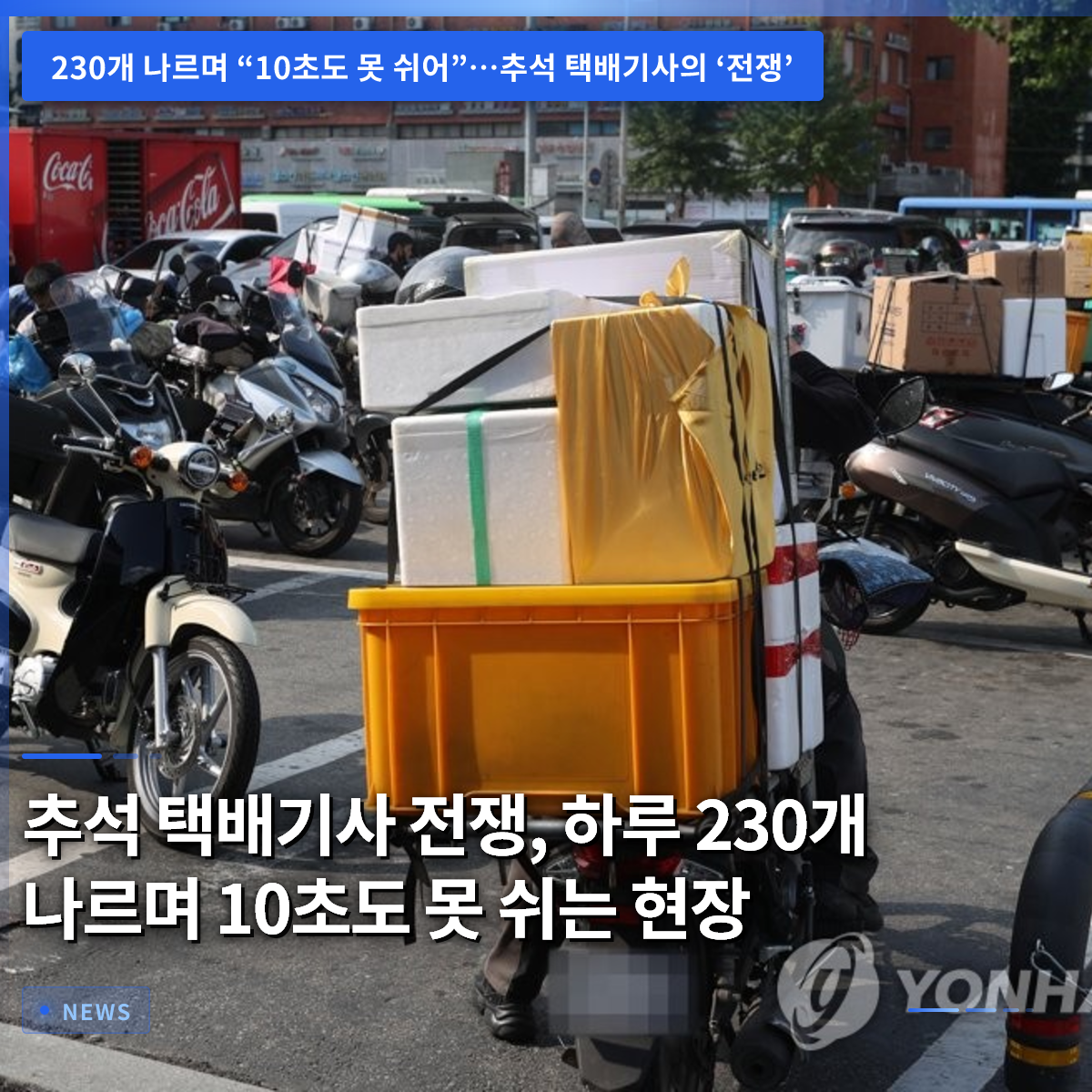
1. A Day Starting from the Early Morning
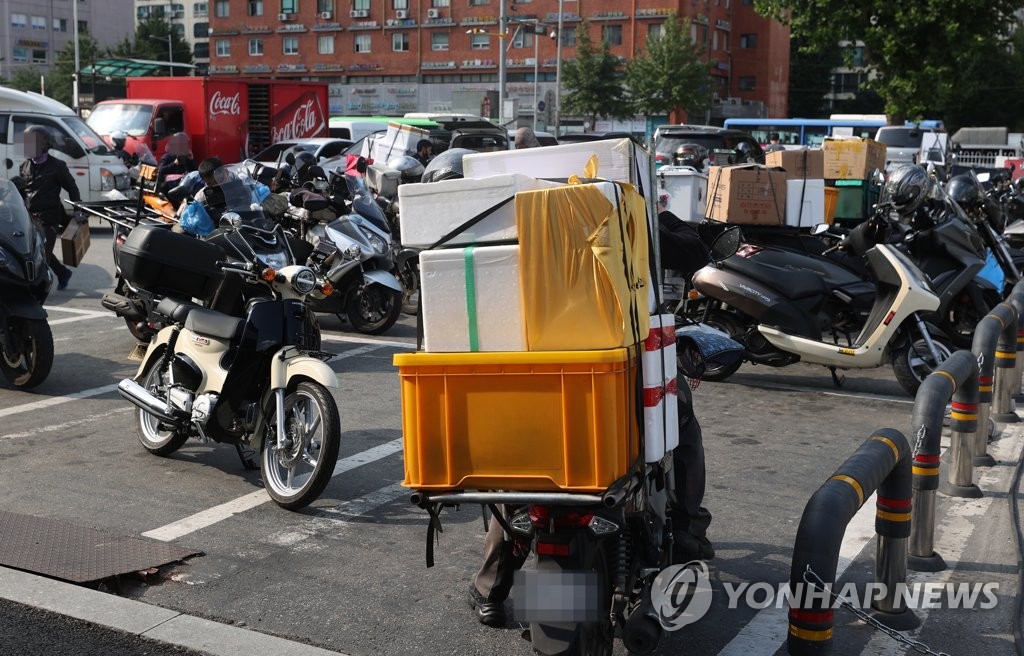
At 3:40 AM, the grueling day begins without fail, accompanied by the sound of an alarm. Before they are even fully awake, the drivers get up and diligently head to the post office in the early morning. It takes nearly two hours just to sort out the packages destined for their specific area from the countless boxes loaded onto large trucks. Piling these sorted boxes tightly into the vehicle is already akin to climbing a giant mountain. High-level skills are required to utilize the space efficiently, much like playing Tetris, just to barely fit the massive volume. Only after all the items are loaded can they finally prepare to start the actual delivery route. Thus, the mornings of those who begin their day before sunrise are always bustling and filled with tension.
2. Surging Volumes and Heavy Boxes
The average daily delivery volume, usually around 175 packages, surges to a maximum of 270 during the holiday peak. As heavy holiday gifts, including apples, pears, kimchi, and meat, flood in, the weight of a single box increases significantly. While the weight is typically around 5 kilograms, it often reaches 10 kilograms during the holidays, doubling the physical burden. Drivers complain that their joints ache so much that they involuntarily grunt every time they unload a box from the vehicle. The perceived intensity of the labor is far greater than what the numbers suggest when carrying heavy loads up and down steep stairs. Since they must keep moving without rest, they are not even allowed time to sit down and relieve the fatigue in their legs.
Due to the holiday rush, delivery volumes increase by more than 50 percent, and the weight of packages increases, pushing physical burden to its limit.
3. Breathless Movement with No 10-Second Break
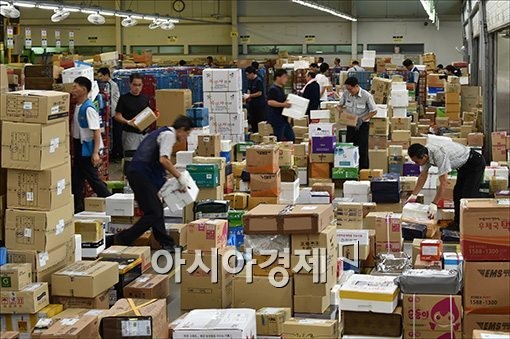
Once deliveries begin, every minute and second spent in the vehicle while moving to the next location must be cherished. Honestly, they would like to sit and rest for even 10 seconds, but the pressure to complete the assigned volume prevents them from even considering a break. Even if there are rest areas nearby, the extra time required to travel there makes them choose to finish their work quickly instead. Even during the few seconds spent riding the elevator, they are busy scanning barcodes and sending arrival notification texts to customers. As soon as the door opens, they hand over the box at lightning speed and immediately return to the vehicle to move to the next location. By the end of the morning alone, having handled dozens of boxes, their faces and bodies are usually drenched in sweat.
To process the assigned volume, drivers squeeze every moment, continuing an extreme schedule where they cannot rest for even 10 seconds.
4. The Double Burden of Address Errors and Unreachable Customers
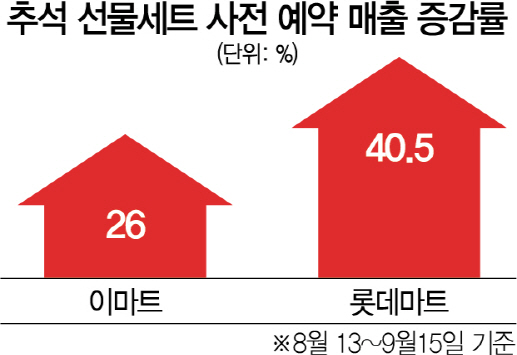
During the holiday season, people are exhausted not only by the high volume but also by unexpected variables such as address errors and unreachable customers. Cases where addresses are incorrectly written during gift exchanges or where old addresses are used after a move are much more frequent than usual. Since the recipients did not order the items themselves, inquiries surge as they ask who the package is for or make confirmation calls. If the address is wrong, drivers must contact both parties to identify the correct location, effectively doing the job twice. If a customer does not answer the phone despite repeated calls, the entire delivery schedule gets disrupted, pushing the end-of-work time significantly later. These small mistakes and lack of communication are another massive wall that increases the fatigue of drivers working on the front lines.
Address errors and unreachable customers force drivers to work double, significantly increasing mental stress.
5. A Continuous Series of Steep Hills and Stairs
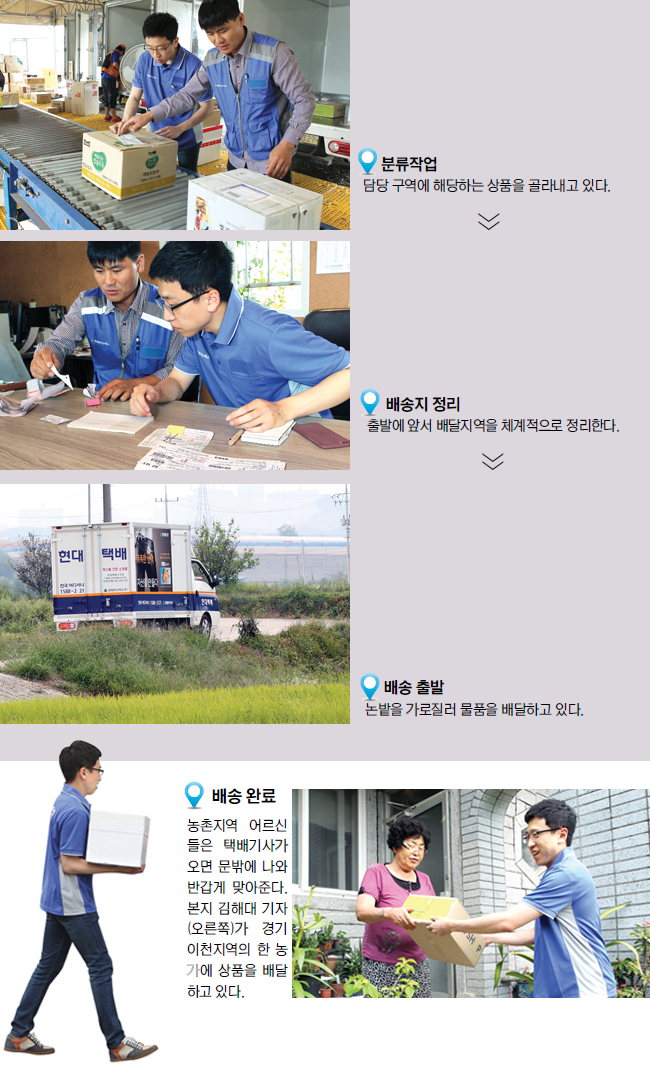
When leaving apartment complexes and heading to areas densely packed with old multi-unit houses, delivery drivers face geographical challenges that make their work even harder. Steep slopes without elevators and old buildings are among the delivery zones drivers most avoid. They must climb several flights of stairs, panting for breath, while holding heavy boxes of kimchi and fruit in both hands. Their legs feel as heavy as a thousand pounds and their breath is at their throat, but they cannot stop walking because they must finish as many deliveries as possible as quickly as possible. Repeatedly going up and down with heavy loads causes pain in their knees, lower backs, and every joint. The sight of them fulfilling their responsibilities to the end despite these harsh environments evokes sympathy from onlookers.
In steep multi-unit housing areas without elevators, the physical pain of climbing stairs with heavy loads is significant.
6. Mindset and Challenges in Overcoming the Holiday Peak
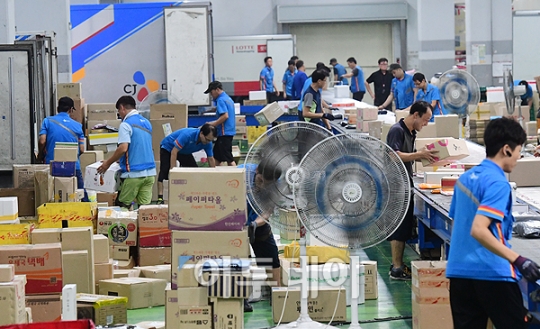
Despite enduring grueling schedules that start before sunrise and continue until late at night, they steel themselves again for the next day’s deliveries. To safely get through this special holiday period, delivery workers across the country are pushing themselves to their limits in their respective positions. To smoothly handle the increasing volume across society, both institutional improvements and mature civic awareness are urgently needed. Simply writing addresses accurately and responding a little faster to delivery drivers’ calls would be a great help. Our small acts of consideration and warm words can be the greatest comfort and strength for the workers breaking a sweat on the front lines. Our entire society must continue to pay attention to creating a safe and healthy working environment for them in the future.
Delivery drivers enduring the extreme holiday peak need social attention in the form of accurate address entry and warm consideration.
Frequently Asked Questions
=