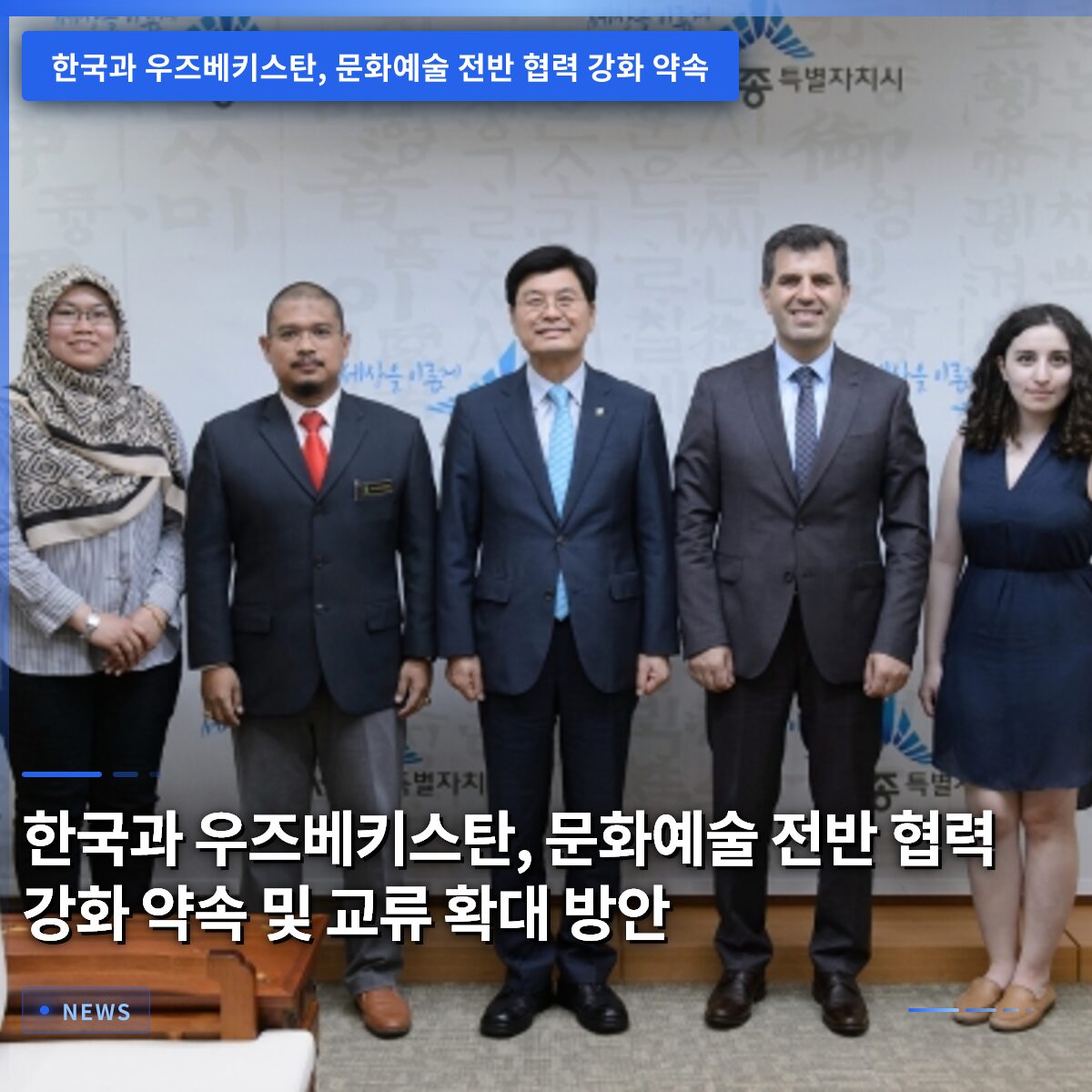
The governments of South Korea and Uzbekistan recently met to agree on further strengthening their practical cooperation across all areas of culture and the arts. This meeting holds great significance as it goes beyond a one-off event, serving as an opportunity to solidify a future-oriented framework for artistic exchange based on the historical bonds between the two nations. Recalling the legacy of the Koryo Theater, which once served as a cultural bridge to the Central Asian region, one cannot help but feel that this promise of cooperation is a natural and welcome development. Indeed, many cultural and artistic figures and professionals in related institutions are placing high hopes on the synergistic effects that the vibrant exchange of human and material resources between the two countries will bring. It is highly anticipated how this agreement will increase opportunities for us to encounter the diverse arts of Uzbekistan in our daily lives. From now on, we will carefully examine the specific vision of cultural partnership that the two countries are drawing and the meaning contained within it.
=
South Korea and Uzbekistan Pledge to Strengthen Comprehensive Cultural and Artistic Cooperation and Expand Exchange
1. A New Leap in Cultural and Artistic Exchange
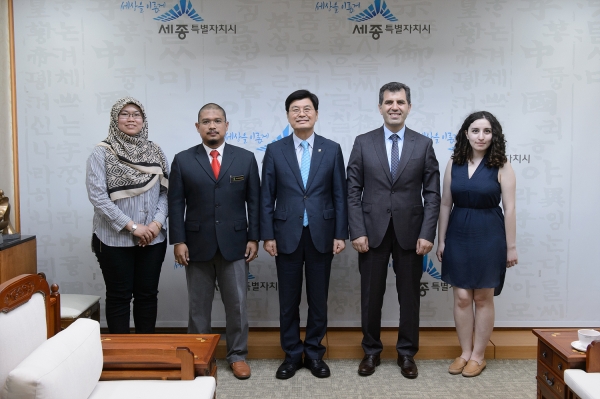
South Korea and Uzbekistan have long built a cultural partnership and strengthened trust through various channels. The core of the newly established pledge to strengthen cooperation lies in moving beyond sporadic exchanges to build a macro-level cooperation system encompassing all aspects of the arts. Delegates from both countries agreed to hold diverse joint art performances and academic symposiums in major hub cities, including the capital, Seoul, to deeply understand each other’s sentiments. Conversations with acquaintances reveal a widespread atmosphere of welcome regarding the prospect that opportunities to directly enjoy the unique traditional arts and contemporary art of Central Asia, which are rarely accessible to us, will become more abundant domestically.
In fact, practical discussions are actively underway at major cultural spaces in Seoul to host performances by the Uzbekistan National Art Troupe and exhibitions of traditional crafts. These movements will serve as an excellent catalyst, going beyond inter-state treaties, allowing ordinary citizens of both countries to share their lives and narrow the emotional distance through the common language of art. Artists are also expressing high satisfaction and anticipation, stating that this opportunity will allow them to broaden their creative horizons and gain new inspiration. The diverse artistic feasts that the two countries will present in the future will undoubtedly be a precious gift that enriches our cultural lives and broadens our perspectives.
The two countries have agreed to build a macro-level cooperation system encompassing all aspects of the arts, moving beyond one-off exchanges.
2. Historical Bonds and the Central Asian Network
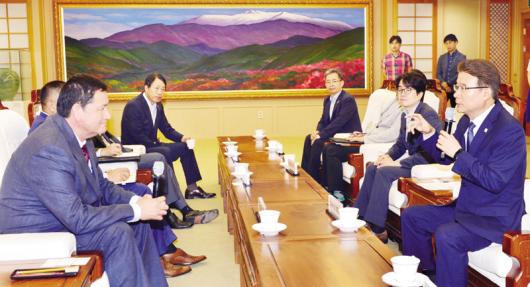
The strong connection between South Korea and Uzbekistan is not a recent development but is firmly rooted in a deep historical foundation that has continued for decades. The legacy of the Koryo Theater, established by compatriots settled in various parts of Central Asia to soothe the hardships of life, can be called a living history textbook of cultural exchange between the two nations. Thanks to this historical background, cultural and artistic exchanges between the two countries are characterized by a greater emotional resonance and intimacy compared to relations with other countries. Coupled with the recent trend of successive cultural agreements with neighboring Central Asian countries, including Kazakhstan, this cooperation with Uzbekistan serves as the finishing touch to complete a massive cultural network encompassing the entire region.
Historical researchers and cultural planners in the area unanimously state that this broad network will become a precious asset for future generations, going beyond mere nostalgia for the past. Indeed, as the frequency of visits by artists traveling between Seoul and Tashkent increases, works of art that heal historical pains and sing of a future of mutual prosperity are being produced one after another. Ordinary citizens also naturally come to realize how deeply intertwined the two countries are through special exhibitions on Central Asian history held at museums and libraries. This solid historical bond will serve as the strongest spiritual support, allowing the two countries to continue their cooperation unwaveringly even when facing cultural challenges in the future.
Historical bonds, represented by the Koryo Theater, are expanding into a massive cultural network connecting the entire Central Asian region.
3. Mutual Visits and Talent Development for Young Artists
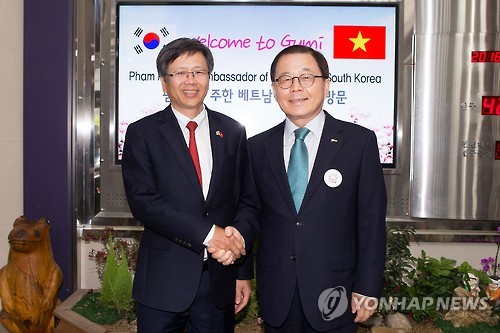
Creating an environment where young artists, the protagonists of the future, can exchange ideas and grow together across borders is one of the most shining aspects of this cooperation. The governments of both countries have agreed to significantly expand artist exchange programs that allow young musicians, painters, and theater artists to stay in the other country for a certain period to engage in creative activities. Students at nearby art universities and emerging artists are showing great interest, with eyes lighting up at the news of overseas training opportunities and joint workshops that will be provided to them. In fact, many young artists emphasize that the process of directly observing and learning each other’s working methods, overcoming language and cultural barriers, is an invaluable source of nourishment for enhancing artistic capabilities.
These talent development programs will not only focus on individual growth but will also serve as a solid driving force to elevate the overall level of the cultural and artistic sectors in both countries in the long term. At the government level, they are creating an environment where young people can focus solely on creation without economic burden by establishing scholarship systems and supporting living expenses. It will soon become a common sight in our surroundings for art university students from Tashkent to exhibit their works in Seoul and for young Korean traditional musicians to perform collaborations on Uzbekistan’s stages. This infusion of fresh blood across borders will blow a fresh breeze into the cultural sectors of both countries and serve as a solid cornerstone for a friendship that will last for decades to come.
Expanded exchange programs and scholarship systems for young artists are driving the practical growth of the future generations in both countries.
4. Organic Cooperation Between Public Institutions and Private Organizations
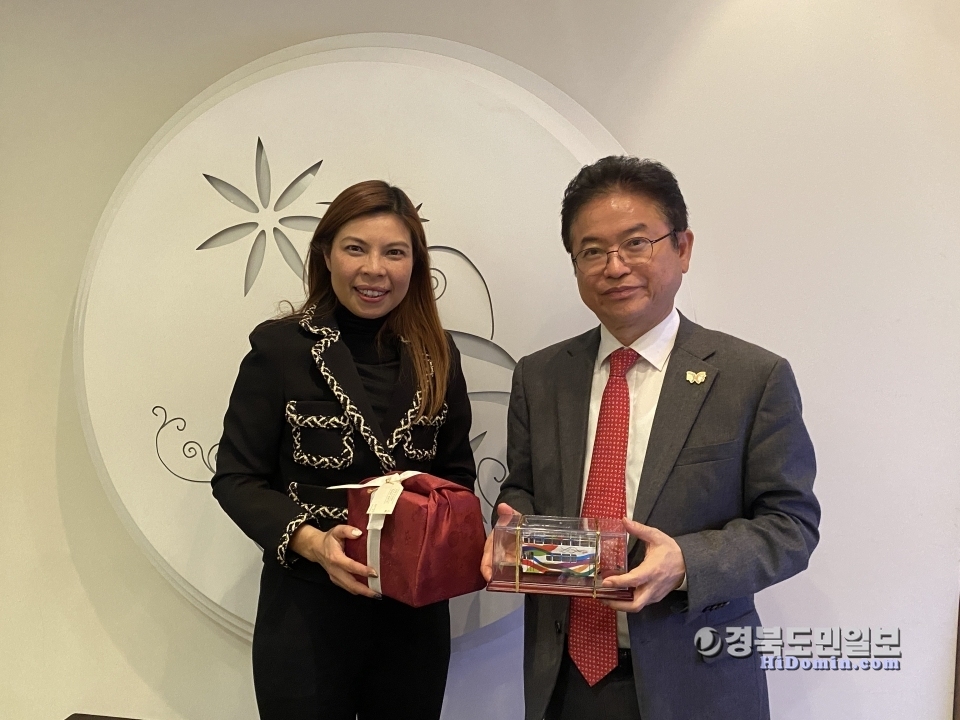
For grand inter-state declarations to bear concrete fruit in real life, close and organic cooperation between public institutions and private cultural organizations is absolutely necessary. In accordance with this agreement, not only the ministries of culture and sports of both countries but also national and public museums, art galleries, and cultural foundations across the country have formed practical consultation bodies to begin implementing specific projects. Interviews with cultural and artistic administrative practitioners reveal that this time, they are focusing all their efforts on discovering substantive cooperation projects that citizens can feel in their daily lives, rather than holding showy events. For example, a representative case of cooperation is the plan to digitize and mutually share rare ancient documents and art-related materials held by the national libraries of both countries and to conduct joint research.
Additionally, private performance planning companies are quickly moving to conduct preliminary surveys and sign contracts to bring Uzbekistan’s excellent traditional musical dramas and contemporary dance to domestic stages, in line with this policy trend. The government is playing the role of a solid fence, extending a helping hand in various ways to ensure that these voluntary efforts by the private sector are not frustrated by funding difficulties or administrative regulations. When the solid backing of the public sector and the creative planning power of the private sector mesh perfectly, citizens of both countries will be able to enjoy more diverse and high-quality artistic experiences in their daily lives. This tightly interlocked gear of cooperation will serve as an invisible but powerful force that will further weave the relationship between the two countries more tightly in the future.
The combination of policy support from public institutions and creative planning power from private organizations is yielding practical results in cultural exchange.
5. Composite Exchange Blending Tourism and Art
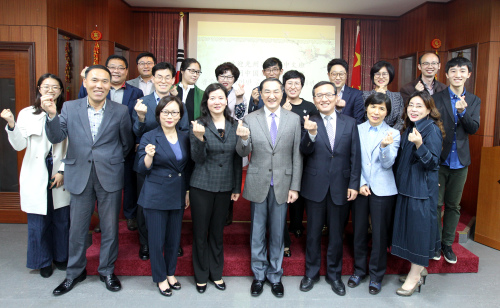
Beyond the realm of pure fine arts, composite exchange plans that organically combine the tourism industry and regional festivals also play an important role in this cooperation. The two countries have agreed to mutually dispatch cultural and artistic performance troupes to each other’s representative regional festivals to provide visitors with unique spectacles and promote tourism activation. Among travel enthusiasts and bloggers, expectations are spreading that this measure will lead to a significant increase in distinctive travel products linking Uzbekistan’s ancient cities, where the historical breath of the Silk Road still lives, with Korea’s traditional cultural heritage sites. In fact, major travel agencies in both countries have begun developing premium tour products combining art and history exploration, rushing to prepare for a great response.
At the local government level, there is a trend of establishing sister city relationships with major cities in Uzbekistan and actively facilitating opportunities for regional artists to perform on each other’s regional festival stages. This multi-faceted approach creates a mature exchange environment that goes beyond simply increasing the number of tourists, allowing for a deep understanding and respect for the cultural identities of both countries. The sight of Korean traditional mask dance performances unfolding in the sunny squares of Tashkent and the sweet folk music of Uzbekistan echoing in the night views of Seoul’s palaces is enough to fill one’s heart with emotion. The meeting of tourism and art will be the ultimate magical means to dramatically narrow the physical and psychological distance, allowing citizens of both countries to visit and experience each other’s countries directly.
Visits between the two countries are further activated through composite exchanges that organically combine art performances, regional festivals, and the tourism industry.
6. Sustainable Future and Remaining Tasks
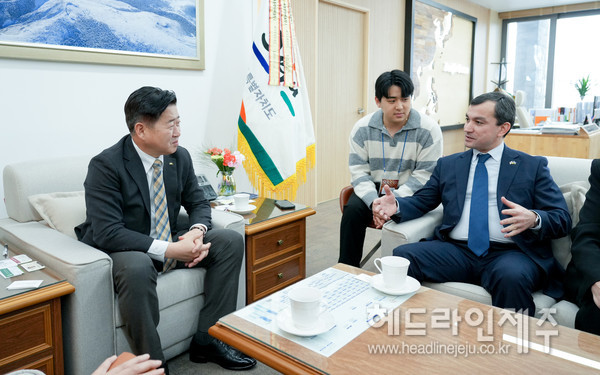
The pledge by South Korea and Uzbekistan to strengthen cooperation across all areas of culture and the arts will undoubtedly be a decisive turning point that elevates the relationship between the two countries to the next level. Of course, for this grand blueprint to bear concrete fruit, long-term efforts are essential to reduce subtle misunderstandings arising from linguistic and cultural differences and to maintain continuous communication. International relations experts and cultural policy researchers advise that this promise can only shine if it is supported by sustainable budget allocation and the systematic cultivation of professional personnel, going beyond one-off events. If the governments of both countries and private artists maintain their original intent and pool their wisdom, these large and small obstacles can be overcome wisely.
We strongly encourage readers to pay warm attention to the diverse cultural and artistic events that will unfold in the future and to visit the sites to enjoy them together. The more solidly the cultural bridge connecting Seoul and Tashkent is built, the more our daily lives will become abundant and our mental horizons will broaden. It will be a great joy simply to watch with affection what beautiful cultural habitat the two countries will create on the world stage while holding hands. We sincerely hope that every step of the two countries in cultivating the forest of sustainable exchange will be filled with fresh breezes and warm sunshine.
We must steadily build a sustainable future for cultural exchange based on long-term communication and consistent support.
Frequently Asked Questions
=