
The government has finally introduced practical measures to alleviate the repayment burden for small and medium-sized enterprises (SMEs) and small business owners who have faced severe financial difficulties due to the unsettled payment crisis involving Tmon and Wemart. The core of the plan announced by the Ministry of SMEs and Startups is to defer principal repayments on policy funds nearing maturity and adjust interest rates, helping businesses catch their breath. For instance, Mr. Kim, who runs a clothing online store, was in a desperate situation where he could not cover the immediate interest and principal payments on his policy funds because his accounts receivable were frozen. For business owners struggling on the ground like this, this support policy is expected to serve as a vital life jacket, helping them navigate the crisis of potential bankruptcy rather than just providing a simple cash injection. In this article, we will take a detailed look at the specific eligibility criteria, the benefits offered, and the practical procedures you must know to apply.
=
Easing the Repayment Burden for Tmon and Wemart Affected Businesses: A Complete Guide to Support Measures

1. Checking Eligibility and Selection Criteria

The primary beneficiaries of this policy fund repayment burden reduction measure are SMEs and small business owners who sold products through Tmon or Wemart but failed to receive their settlement payments on time, leading to operational difficulties. Businesses that have previously participated in government support programs or have obtained related confirmation letters may easily qualify for this measure. However, benefits are not automatically granted simply based on the fact of transactions; applicants must prove with objective documents that they are experiencing a sharp drop in sales or a liquidity crisis due to the unsettled payments. For example, it is advisable to prepare ledger records showing a significant decrease in sales compared to the same period last year or a surge in uncollected receivables from trading partners. The responsible departments, the Corporate Finance Division and the Small Business Management Stability Policy Division, plan to apply review criteria carefully to assess the actual situation of these affected businesses and ensure no one is left out of the support scope. Therefore, it is essential to review your documents in advance to ensure your business meets the specific requirements.
SMEs and small business owners affected by the Tmon and Wemart settlement crisis are eligible if they can provide objective proof of their business crisis.
2. Benefits of Policy Fund Maturity Extension and Repayment Deferral

The most tangible benefit of this measure is the significant extension of the maturity date for already disbursed policy funds and the deferral of principal repayments for a certain period. Companies that were required to repay tens of millions of won in principal starting next month can now postpone their repayment schedule, providing them with some breathing room. Mr. Lee, who runs a sauce manufacturing company, was worried about paying his employees’ salaries due to the imminent maturity of his policy funds, but thanks to this deferral measure, he was able to preserve the operating capital needed to secure inventory. The extension period and deferral conditions may vary depending on each company’s scale of damage and current loan balance, so individual verification is essential. The government has emphasized providing sufficient time for companies to recover sales and resume normal business operations, rather than imposing uniform repayment pressure. As a result, companies that have escaped the risk of short-term insolvency can now have the capacity to reorganize their collapsed supply chains and seek new sales channels.
Extending the maturity of policy fund loans and deferring principal repayments prevents short-term insolvency risks for businesses.
3. Interest Rate Burden Relief and Additional Support Measures

In addition to the deferral of principal repayments, interest rate adjustment measures are being implemented to reduce the interest burden on business owners suffering from high interest rates. This is welcome news for affected companies that found it difficult to feel the effects of base rate cuts or were struggling with the monthly interest payments due to high existing loan rates. This support scheme, closely linked with the Sales Channel Policy Division, is designed to help companies facing financial difficulties reduce interest costs and save on fixed expenses. For example, Mr. Park, a member of a furniture manufacturing cooperative, was considering halting factory operations because he could not afford the high loan interest, but with the reduced interest burden, he can now hear the machines running again. The government is also providing marketing support and distribution channel diversification programs as a package for companies struggling to open new sales channels. This indicates that the policy is evolving not just to postpone debt repayment, but to help companies build the resilience to recover on their own.
Interest rates are adjusted for affected businesses facing high interest burdens, and support for opening new sales channels is provided concurrently.
4. Application Procedures and Required Documents Guide
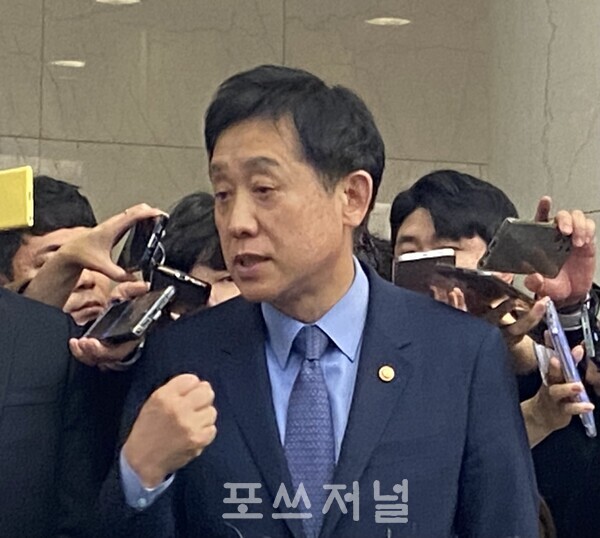
To receive the repayment burden reduction benefits, you must complete the application through the relevant institutions within the designated period. The first step is to check the official website of the Ministry of SMEs and Startups or the notices from the local SMEs Agency to understand the detailed submission schedule. When applying, you must prepare all necessary documents, including your business registration certificate, sales evidence proving the unsettled Tmon and Wemart payments, and the existing policy fund loan agreement. Mr. Choi, who runs a stationery wholesale business, nearly had his application delayed due to a missing document, but he successfully completed the submission by supplementing the paperwork in advance according to the preliminary guidance. Once the application is submitted, the responsible department will review the facts of the damage and the financial situation to make a final decision on support, so it is advisable to keep your contact information up to date. For small business owners unfamiliar with online applications, it is also a good idea to seek offline guidance through the regional SME Integrated Call Center or small business consultation desks.
Check the website notices and submit the application within the deadline with essential documents such as proof of unsettled payments and loan agreements.
5. On-Site Reactions and Challenges for Enhancing Effectiveness

As soon as this repayment burden reduction measure was announced, SME owners on the ground sighed in relief but also placed great expectations on the speed of actual execution. This is because, although numerous measures have been announced in the past, it often took a long time to receive actual benefits due to the heavy workload of counter staff and rigorous review procedures. Mr. Jeong, who runs a small home appliance brand, expressed a desperate hope for swift execution, stating that if the document review period is long, it remains difficult to endure the financial pressure. In response, the government is making every effort to ensure funds are supplied in a timely manner by simplifying the review process as much as possible and introducing a fast-track method, reflecting the voices from the field. Companies should also make self-help efforts, such as diversifying their trading partners and strengthening their financial structure, using this opportunity as a stepping stone rather than relying solely on government support. Only when the public and private sectors join forces to overcome the crisis will the true value of this policy shine.
The government is pushing for simplified reviews to meet the demand for rapid fund execution from the field, while companies must also make self-help efforts.
6. Future Outlook and Survival Strategies for Affected Businesses
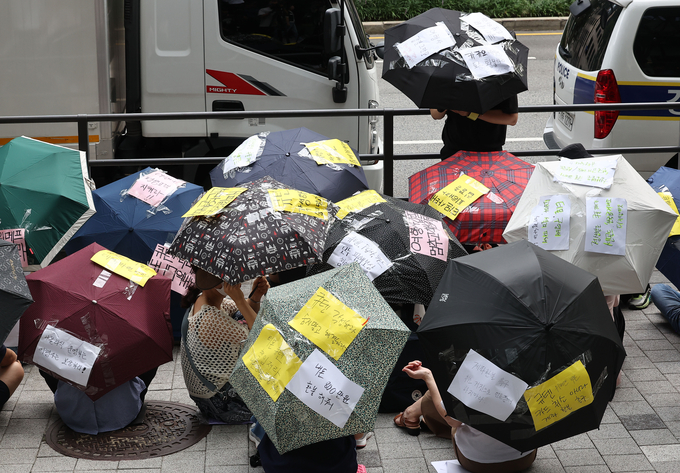
The liquidity crisis triggered by the Tmon and Wemart incident has exposed the vulnerable links in our economy, but it is also serving as an opportunity for the government and businesses to enhance their crisis response capabilities. Experts predict that, starting with the policy fund repayment burden reduction measure, affected businesses will gradually regain management stability and vitality. Mr. Kang, who distributes beauty products, realized the risks of relying on a single distribution channel through this crisis and is now dedicating all his efforts to building his own online store and diversifying his channels. The government also plans to weave a tighter institutional safety net to prevent similar platform settlement delays in the future, rather than limiting support to one-off measures. If you know of any business owners struggling due to this incident, please actively share this support information to help them navigate the crisis together. Ultimately, thorough preparation and swift action are the most reliable weapons for protecting your business in an uncertain economic environment.
Overcome the crisis and aim for long-term management stability based on thorough response and diversification strategies.
Frequently Asked Questions
=