To properly plan your financial future in retirement, it is essential to accurately understand the structure of the civil servant pension, which consists of monthly contributions and post-retirement benefits. Unlike the National Pension for general corporate employees, the civil servant pension involves a fixed amount deducted from your salary each month, and the amount you receive can vary significantly depending on your retirement date and length of service. With recent news surrounding the Civil Servant Public Pension Service (CPPS), you may have been curious about the meaning of the deduction items you see on your monthly pay stub. Rather than vaguely worrying about your old age, it is most important to check your estimated pension amount directly and understand the system. In this article, we will carefully go through essential practical information, from the deduction items on your pay stub to how to look up your estimated benefits and how to apply for pension splitting in the event of a divorce. Understanding the overall flow of the system will make planning your future much easier.
=
A Complete Guide to Civil Servant Pension Contributions, Estimating Your Retirement Benefits, and Applying for Pension Splitting
1. The Secrets Behind Civil Servant Pension Contributions and Net Pay on Your Pay Stub

The civil servant pension contribution deducted from your bank account each month accounts for a surprisingly large portion of your income, making it a common point of curiosity for many workers. This is because the pension contribution is withheld at the source along with various taxes from the total amount of your base salary and allowances listed on your pay stub. While similar to how general employees pay into the National Pension, civil servants are subject to higher rates under a structure where the state and the individual share the burden equally. In fact, when you receive your statement, you will see that health insurance premiums and long-term care insurance premiums are also deducted in addition to income tax and local income tax. On top of this, if you have deductions for employee union dues or loan repayments, the actual net pay may differ from what you expected, which can be disconcerting. This is why it is crucial to carefully examine how these contributions, which you diligently pay every month, will be returned to you in the form of retirement benefits.
Civil servant pension contributions are not money that simply disappears like taxes; they are a process of steadily building your future assets. As your length of service increases, the cumulative amount you pay also grows, but this simultaneously strengthens the foundation of the pension you will receive after retirement. When chatting with colleagues, some may complain that the deductions are too high, while others may view it as a natural investment for securing their old age. The key is to develop the habit of periodically checking whether the deductions are being calculated accurately based on your standard salary. Occasionally, errors in contribution calculations can occur due to mistakes by the HR department or omissions in reflecting salary grade promotions. Therefore, it is wise to carefully review your monthly pay stub and directly verify your deduction details.
The civil servant pension contribution deducted monthly is a savings for your retirement, and verifying the exact details is essential.
2. How to Check Your Estimated Retirement Benefits and Simple Verification Procedures
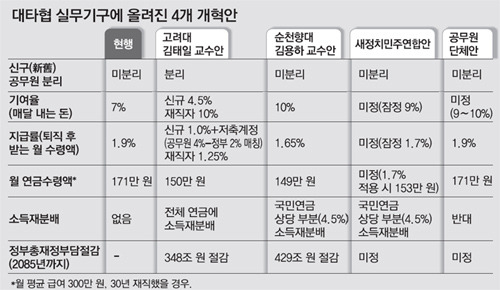
If you want to check your retirement pension, which is the fruit of your 10 or 20 years of civil service, you can access the Pension Welfare Portal. After logging in and completing a simple identity verification, you can check your estimated retirement benefit amount on the screen with just a few clicks. By directly specifying your expected retirement date and entering assumptions about future salary increases, you can prepare for unexpected retirement scenarios. In the past, you had to request documents directly from the service or go through complex procedures, but now it can be checked in a minute via the internet. When planning your retirement with your family during holidays or year-end, using this lookup function allows you to visualize the future with concrete numbers.
Many people find themselves torn between receiving a lump sum upon retirement or receiving monthly pension payments. While receiving a pension is naturally advantageous if you have served for more than 20 years, the choice can vary depending on individual health conditions and financial circumstances. The lookup screen displays a comparison of the estimated amounts for both the lump sum and the pension, which greatly aids in decision-making. In fact, there are cases where a senior colleague adjusted their retirement timing based on the estimated lookup results, resulting in a significant benefit. Do not dismiss this as a distant future concern; check your estimated amount right now to grasp the scale of your assets.
You can easily check your estimated retirement benefits through the Pension Welfare Portal and plan your retirement timing in advance.
3. Eligibility and Key Conditions for Applying for Civil Servant Pension Splitting Upon Divorce
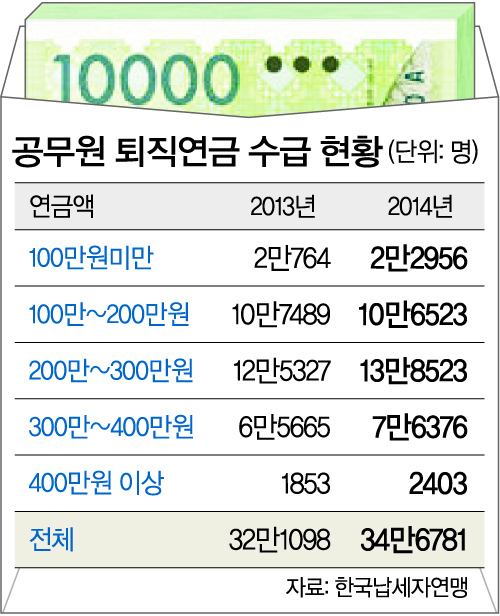
When going through the process of ending a marriage, it is important to know that your spouse’s future retirement pension is also included as a significant asset subject to division. Similar to the severance pay or defined contribution pensions of general workers, a spouse who has been married for at least five years can apply for pension splitting. In the past, it was considered the sole property of the individual who worked, but the system has been improved to recognize the value of contributions made within the household. If you are considering divorce, you must accurately calculate how much of your spouse’s period of service overlaps with the duration of the marriage. Before proceeding with legal procedures, you should consult with a lawyer or relevant agency to confirm that you meet the qualifications to fully assert your rights.
Even if you meet the eligibility requirements for civil servant pension splitting, the actual payment begins only when both parties meet the age requirements. The structure is such that the split amount is deposited into the account in line with the timing when the ex-spouse actually starts receiving the pension. If the pension splitting ratio is not clearly agreed upon when determining the asset division ratio during divorce proceedings, it can lead to major disputes later. In fact, one citizen experienced significant stress when their pension payment period arrived because they had omitted any mention of pension splitting during the divorce. Therefore, it is wise to carefully consider future pension rights and establish safety measures when legally dissolving a marriage.
You are eligible to apply for civil servant pension splitting upon divorce if you meet conditions such as a marriage duration of at least five years.
4. Recent Activities and Social Contribution News from the Civil Servant Public Pension Service
The Civil Servant Public Pension Service (CPPS) engages in various public activities that coexist with local communities, going beyond merely managing the welfare of retirees. Recently, to mark the Chuseok (Autumn Harvest Festival), the CPPS actively participated in a donation event for “Happiness Kits” for vulnerable groups, collaborating with several public institutions in the Jeju region. They demonstrated warmth and compassion by directly delivering boxes filled with daily necessities and food to neighbors in need within the province. To fulfill the social responsibility of public institutions, employees are voluntarily participating in fundraising activities and practicing on-site volunteering. The CPPS is fulfilling its role as a partner that breathes with the people, rather than just a bureaucratic agency that pays and manages pensions.
Additionally, the CPPS has also conducted a fun campaign on personal information protection, a topic that is easily overlooked in daily life, targeting children. Along with a famous ambassador, they met with children at a museum to inform them of the risks of personal information exposure and help them naturally learn preventive rules. Such public interest activities serve as a positive opportunity to increase the institution’s credibility and communicate familiarly with the public. The contributions we pay every month are not used solely for administrative costs but also contribute to creating various social values. If you see an event hosted by the CPPS in your community, it is good to take a moment to appreciate their efforts and warm actions.
The Civil Servant Public Pension Service fulfills its social responsibility not only through pension management but also through community donations and public interest campaigns.
5. The Importance of Fund Management and Changes in the Evaluation System for Public Institution Heads
With the massive national fund exceeding 1,200 trillion won, voices calling for improvement are growing, pointing out a bias toward short-term management. Opinions are gaining traction that, like overseas cases such as the Netherlands, portfolios for debt management and those for profit seeking should be separated to achieve both stability and profitability. Along with this, the performance bonus reform and management evaluation system for heads of public institutions, including the CPPS, are becoming stricter. Strong warnings are issued to institution heads who receive inadequate evaluations, and dismissal is proposed for those who receive very poor grades. As a system that strictly separates and evaluates the personal responsibility and performance of institution heads becomes firmly established, the transparency of fund management is being emphasized.
From the perspective of a general participant, it is only natural to worry about whether the fund built up over a lifetime is growing safely. Experts continue to advise that the weighting of detailed items in fund management evaluations should be expanded and that long-term comprehensive asset-liability management indicators should be strengthened. Because such vast funds are handled, a thorough and professional management strategy must be backed up to ensure that the retirement of retirees is not shaken. The government and the CPPS are also adjusting evaluation indicators to meet these contemporary demands and working to improve the fundamental nature of the fund. It is necessary to watch how the direction of fund management is established and to confirm whether the safety net for your pension is becoming more robust.
Efficient management of the massive fund and the introduction of a strict evaluation system for institution heads are key factors determining the stability of the pension.
6. Strategies for Utilizing the Civil Servant Pension for a Successful Retirement Plan
Since the civil servant pension is the most reliable pillar supporting life after retirement, systematic preparation is needed from now on. Rather than regretting the weight of the contributions deducted each month, you should recognize the value of the stable cash flow you will face after retirement. You should frequently access the Pension Welfare Portal to check your estimated benefits and develop a strategy to adjust your retirement timing and length of service. If there is any possibility of divorce or other legal disputes, it is wise to consult with an expert in advance to secure your rights. By paying attention to changing fund management trends and news from the CPPS, you can protect the soundness of your retirement assets yourself. Do not forget that retirement is not something that comes suddenly, but is completed as the fruit of preparations built up little by little starting today.
You can complete a successful retirement plan for old age through thorough checking of estimated amounts and understanding of the system.
Frequently Asked Questions
=