
With the management system for pharmaceutical sales representatives being significantly strengthened, the transparency and accountability of the entire distribution market are expected to improve dramatically. This measure aims to rectify the pharmaceutical sales environment, which has previously been criticized for certain opaque practices, and to establish a sound distribution order. The focus is on fundamentally blocking various illicit sales tactics occurring in the field and restoring trust in the healthcare environment. In this article, we will examine in detail why this strengthened management is necessary and what specific changes will occur. As these measures were developed through collaboration between the government and field experts, significant ripples are expected throughout the industry. Readers are encouraged to consider the broader impact these institutional changes will have on our society.
=
Strengthening Management of Pharmaceutical Sales Representatives to Enhance Accountability and Transparency

1. Background of Strengthened Management for Pharmaceutical Sales Representatives

While the role of promotional sales in the pharmaceutical market is crucial, it is a fact that blind spots in management have existed for some time. As the number of sales representatives acting as a bridge between pharmaceutical companies and medical institutions has grown, the need for transparent management has become urgent. In the past, illegal kickbacks and excessive promotional activities were conducted covertly, fostering distrust among patients and the public. The government has taken decisive action to fundamentally resolve these side effects and create a fair trading order. This is precisely why the Ministry of Health and Welfare has taken the lead in revising relevant laws and systems.
There have also been consistent arguments that unilateral regulations failing to reflect field voices could actually lead to adverse effects. Consequently, the authorities formed relevant consultative bodies and went through a process of directly listening to diverse voices from the practical field. They carefully examined the actual difficulties faced in sales operations and sought realistic alternatives. The strengthened management plan born from this communication process focuses on cultivating self-regulatory capabilities rather than mere punishment. A consensus has been formed that only when a transparent distribution structure is established can the competitiveness of the entire pharmaceutical industry rise together.
Management of sales representatives is being significantly strengthened to eradicate covert practices and establish a fair trading order.
2. The Importance of Field Communication and Expert Advice
Before implementing the system, the government went through a process of gathering opinions from various experts and field practitioners from multiple angles. This was to create effective measures that would work in the real world, rather than policies made only on paper. For example, they meticulously accumulated data on the hardships faced by frontline sales representatives and the realistic difficulties encountered by pharmaceutical companies. This effort to enhance policy effectiveness and minimize side effects is noteworthy. Experts unanimously advised that instilling a sense of autonomous responsibility is as important as strengthening enforcement.
The pharmaceutical distribution structure is very complex, with various interests intertwined, making it difficult to solve from a one-dimensional perspective. Therefore, without multi-faceted analysis and continuous communication, policies are bound to hit their limits quickly. The operation of this consultative body holds great significance in that it overcame such limitations and derived practical solutions. It is evaluated that the acceptance of the policy has increased significantly because the vivid voices from the field were reflected. For the sustainability of the system, such channels of communication must remain open at all times in the future.
Policy effectiveness has been maximized by actively reflecting the diverse advice of field experts and the voices of practitioners.
3. Specific Measures to Ensure Sales Accountability

The core of the strengthened management system is assigning clear accountability to sales activities. By clearly defining areas where responsibility was previously ambiguous, illegal sales practices are fundamentally blocked. For example, the code of conduct that sales representatives must adhere to has been specified, and penalty standards for violations have been significantly strengthened. This is expected to have the effect of preventing potential risk factors that may arise in the sales field in advance. Once a culture of responsible sales is established, patients will be able to receive prescriptions with greater peace of mind.
Additionally, measures to strictly manage the qualification requirements for sales representatives and introduce regular training programs are under consideration. It is necessary to maintain entry barriers at an appropriate level so that anyone can not indiscriminately enter the sales field. The strategy is to guide only experts who have completed systematic training to work in the field, thereby improving the quality of service. While these changes may be a burden on the industry in the short term, they will serve as an opportunity to gain recognition for the professionalism of the occupation in the long term. Ultimately, sales activities with accountability are the surest shortcut to creating a healthy pharmaceutical ecosystem.
By establishing clear codes of conduct and penalty standards, both the accountability and transparency of sales activities are enhanced.
4. Changes Brought by a Transparent Distribution Order

A pharmaceutical distribution market with increased transparency will trigger positive ripple effects across the entire pharmaceutical industry. Unnecessary costs will decrease, and a fair competitive environment will be created where success is determined solely by quality and performance. For example, pharmaceutical companies will be able to invest more of the resources previously poured into covert promotion into research and development. This can ultimately serve as a solid foundation for strengthening the global competitiveness of Korea’s pharmaceutical industry. From the perspective of the public, being able to use pharmaceuticals distributed transparently with confidence further strengthens health sovereignty.
In the past, due to opaque distribution structures, innocent victims were often produced, and social costs were wasted. However, if this system is successfully established, such chronic problems are expected to be naturally resolved. Transparent transactions provide trust to all participants and are the key to ensuring the sustainability of business in the long term. Companies that grow in a clean market environment will be more confidently recognized in overseas markets. The recognition that transparency is not a choice but an essential condition for survival must be deeply rooted throughout the industry.
A transparent distribution environment reduces unnecessary costs and promotes fair competition centered on research and development.
5. Future Challenges and Sustainable Management Measures

No matter how well a system is designed, its meaning will fade if it is not properly implemented in the field. Therefore, the government plans to establish a continuous monitoring system and respond strictly to illegal acts. For example, it will operate a permanent inspection team to constantly monitor illegal kickbacks and illicit sales practices. In this process, it is necessary to apply a zero-tolerance principle to companies or individuals caught to firmly instill a sense of warning. Only when laws and principles are upheld can a sound market order take firm root.
Furthermore, rather than stopping at one-time enforcement, an atmosphere must be created where the industry can make its own self-purification efforts. Pharmaceutical companies and sales representatives should be guided to recognize the importance of ethical management and voluntarily strengthen internal controls. It is also a good method to discover and widely disseminate exemplary cases where the government and the private sector can cooperate for mutual benefit. Flexibility to supplement the shortcomings of the system through continuous communication and feedback is also essential. Only when such multi-faceted efforts continue consistently will the era of truly responsible sales open.
The system can only be stably established if continuous monitoring and the industry’s self-purification efforts are pursued in parallel.
6. Recommendations and Outlook for Successful Establishment
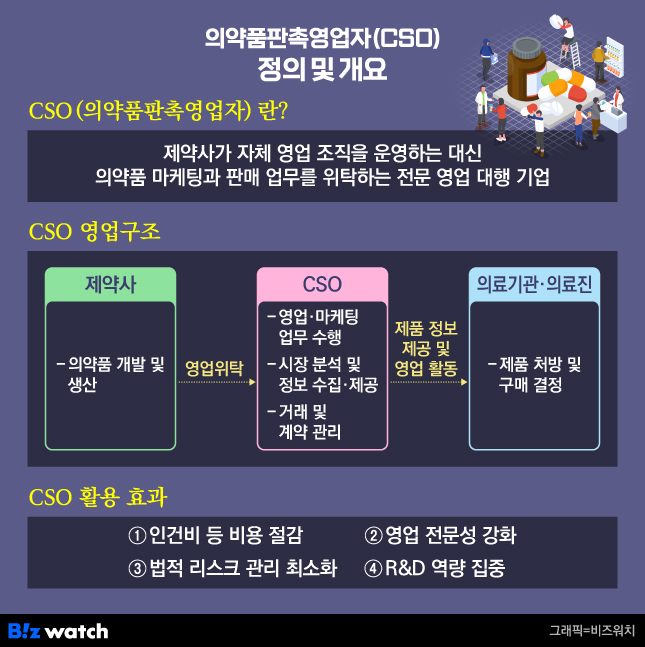
Strengthening the management of pharmaceutical sales representatives is an unavoidable task for our healthcare system to leap to the next level. A sales environment guaranteed by transparency and accountability ultimately creates a virtuous cycle that benefits both patients and the public. Going forward, pharmaceutical industry practitioners must transparently improve their sales methods to match the changing regulatory environment. The government, too, should build trust by listening to the voices of the field and executing policies rationally and flexibly. When mutual distrust is discarded and cooperation is pursued under fair rules, the future of Korea’s pharmaceutical industry will be bright.
Readers are asked to understand that this institutional improvement is not merely a regulation but a process of strengthening the safety net of our society. If you witness any irregularities related to pharmaceutical distribution around you, do not hesitate to report them to the relevant authorities to maintain a sound order. Small acts of concern and participation collectively become the greatest force in completing a clean, corruption-free medical environment. It is necessary to continue paying attention to such policy changes and listening to correct information in the future. Let us all work together to create a healthy society where a transparent and responsible sales culture is established.
A healthy pharmaceutical ecosystem is completed by the combination of the government’s rational policy execution and the industry’s voluntary participation.
Frequently Asked Questions
=