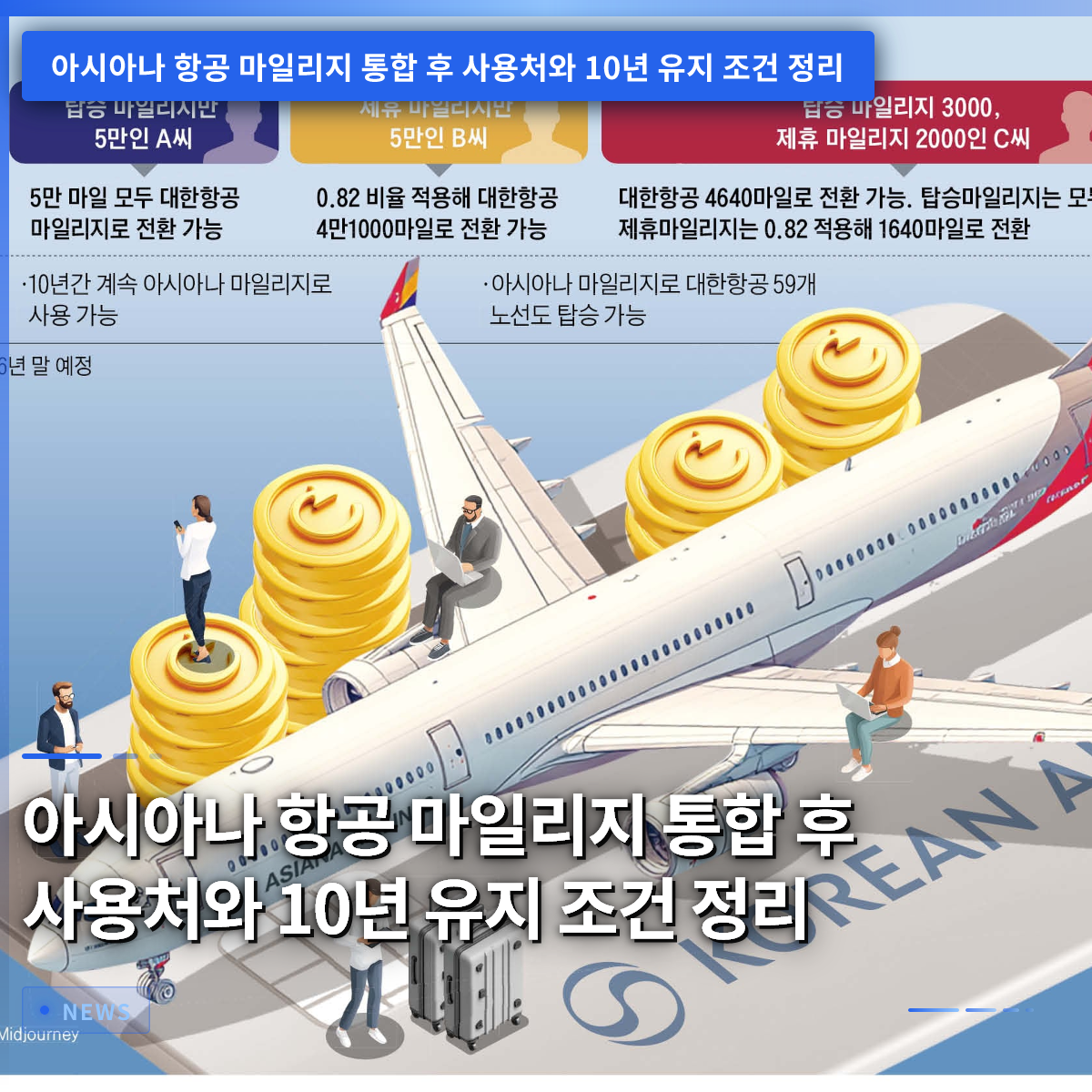
Asiana Airlines mileage will be managed separately and securely for the next 10 years following the merger of the two major airlines, with existing redemption standards and validity periods fully guaranteed. Many people have worried that their hard-earned points might lose value or disappear overnight, but this concern has been completely alleviated by the recent approval from the Fair Trade Commission. Without going through any complex procedures, you can now freely use your miles for bonus ticket bookings or seat upgrades on all routes operated by Korean Air. I, too, used to sigh every time I paid, feeling sorry for the countless points sleeping in my wallet, but now I can finally put that worry to rest. In this article, we will thoroughly cover everything you need to know, from the 10-year retention conditions to specific usage options and tips for maximizing your benefits. By reading this post to the end, you will learn the most effective ways to wisely redeem your valuable points.
=
A Guide to Asiana Airlines Mileage Usage and 10-Year Retention Conditions After Integration
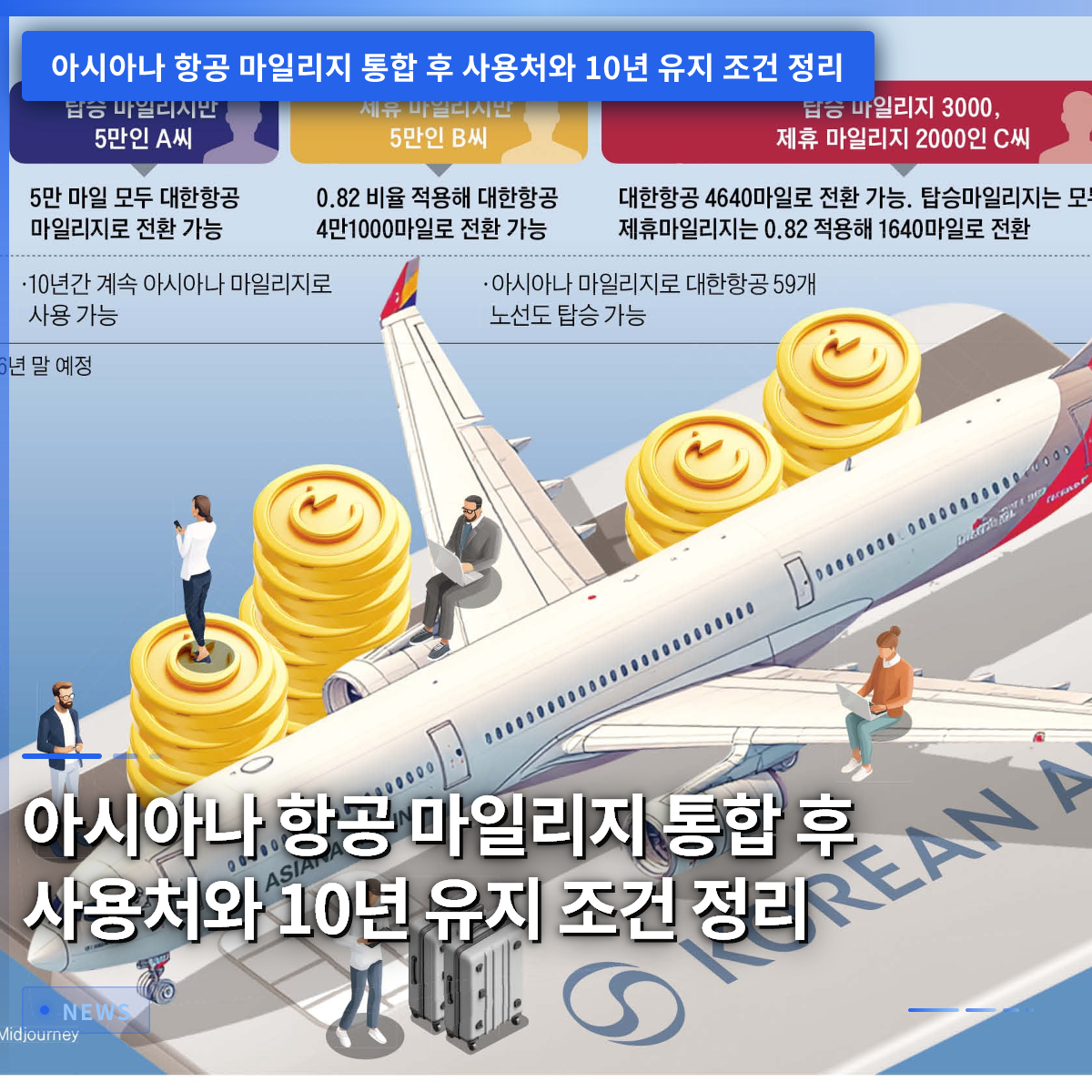
1. Asiana Mileage 10-Year Retention and Usage Scope
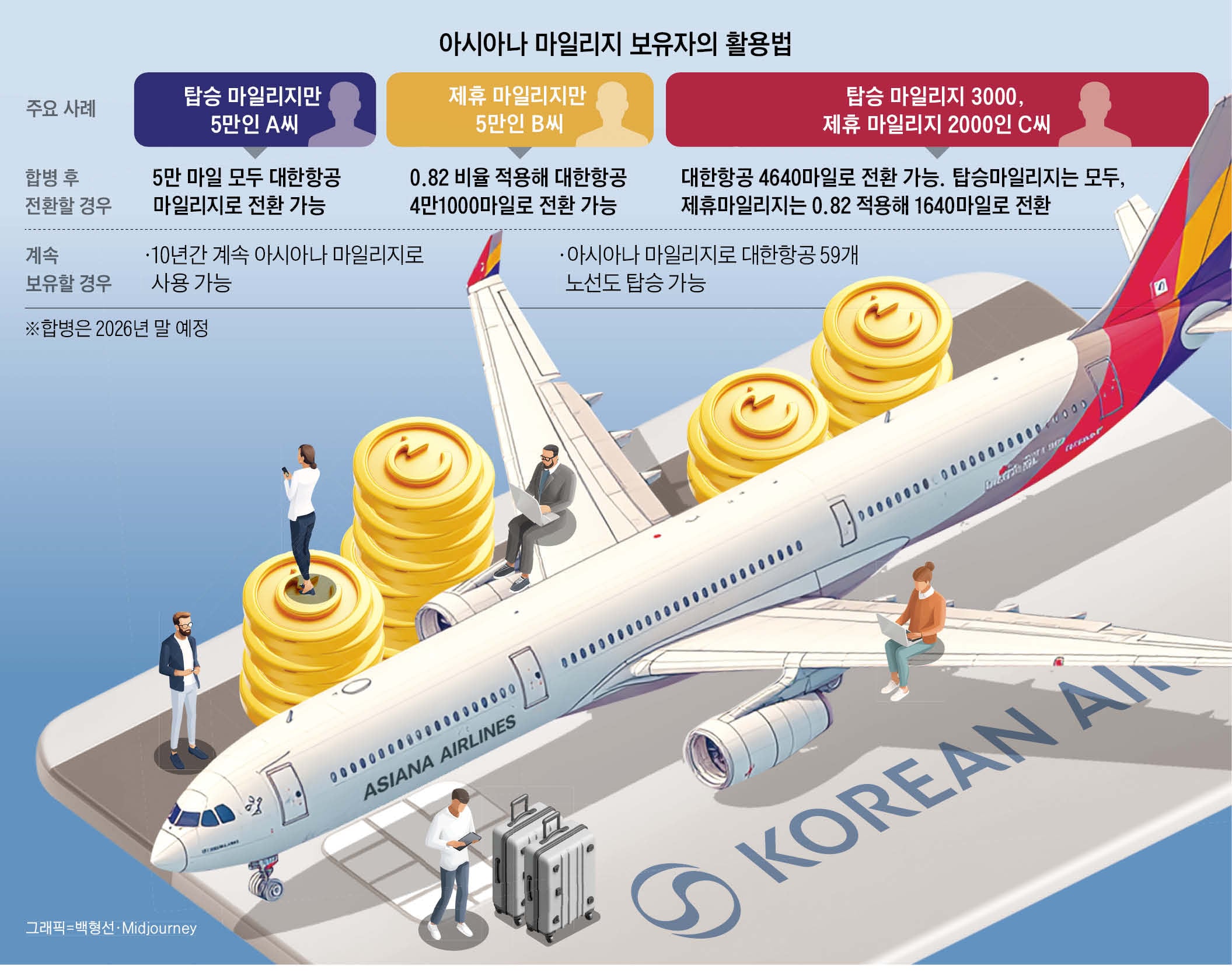
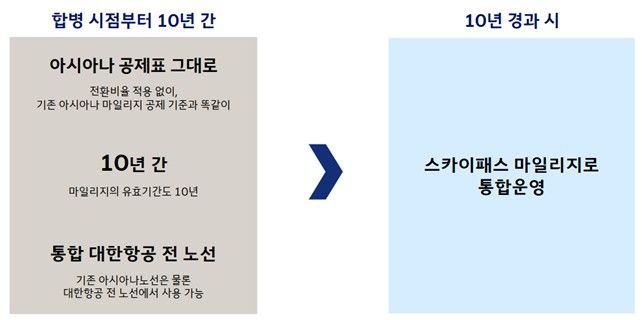
Asiana Airlines mileage will not expire for exactly 10 years from the date of the merger and will be managed independently and rigorously. You do not need to rush to convert your miles to Korean Air; your existing Asiana redemption standards and validity periods will be fully preserved. After the merger, you can use your miles to book bonus seats on any route operated by Korean Air worldwide or to purchase items in the online shopping mall. Furthermore, you can now widely utilize a mixed payment method, combining cash with miles when you are short on points, which significantly diversifies your options. This creates an environment where you have ample time over the next decade to plan and redeem your old points without leaving any behind.
The reason for providing such a long grace period is to protect customer rights and minimize confusion caused by sudden systemic changes. In reality, many people I know had points piling up because they couldn’t take proper vacations and were frantically searching for ways to use them. It is truly fortunate that we can now plan long-haul trips to the Americas or Europe with our families without such worries. Once the 10-year period finally expires, any remaining points will naturally be merged into your Korean Air account. Therefore, the key strategy to wisely handle this policy is to choose the most advantageous timing within the period, tailored to your personal circumstances, to make the most of your points.
Asiana miles are maintained independently for 10 years post-merger and can be freely used on all Korean Air routes under the existing conditions.
2. Conversion Rate to Korean Air Mileage
If you wish to directly transfer your existing Asiana points to a Korean Air account, the method by which you earned them is a crucial variable. Points earned from actual flight bookings are exchanged at a 1:1 ratio, so there is no risk of losing value. On the other hand, points accumulated through daily use of credit cards or partner merchants are converted at a 1:0.82 ratio. You can freely initiate the conversion on any date you choose within the 10-year validity period, giving you plenty of time.
However, there is a critical caveat you must not forget: once you decide to convert, you must transfer your entire Asiana point balance at once. It is not possible to transfer only a portion while keeping the rest. Therefore, you should carefully compare your total balance with the results of your status re-evaluation before making a decision. For example, a friend of mine hastily transferred all their points thinking it was best to merge quickly, only to regret it when their benefits ended up being lower than before. Thus, you must meticulously consider your remaining balance and the routes you frequently use. Understanding the differences in conversion rates and finding the optimal timing that suits your financial situation is the wisest approach.
Flight-earned points are exchanged at a 1:1 ratio, while partner credit card points are converted at a 1:0.82 ratio. Only full-balance transfers are permitted.
3. Elite Member Status Calculation and Morning Calm Select
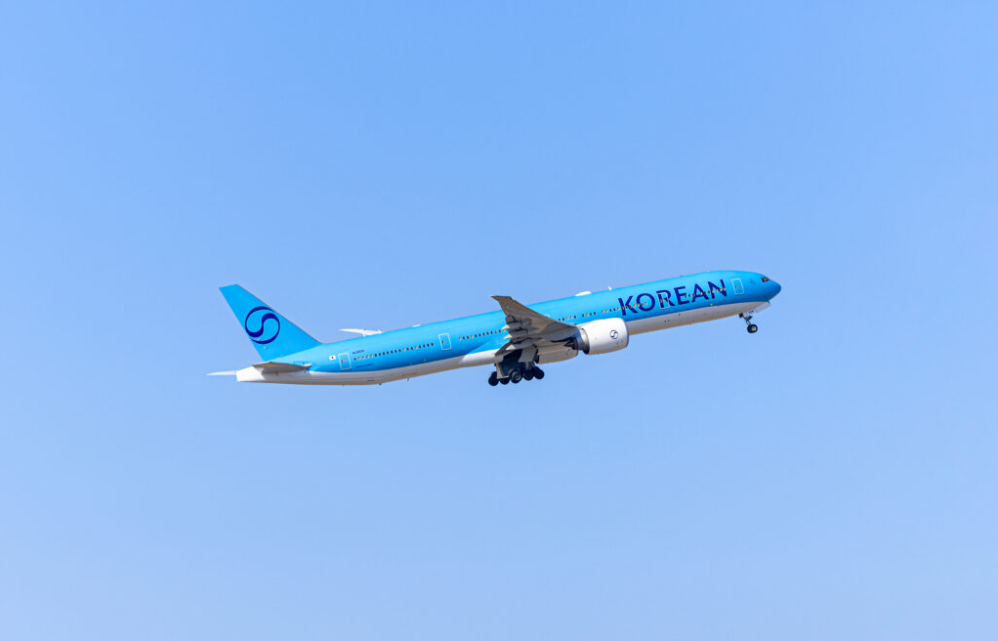
If you decide to move your points to an integrated account, your member status will be re-evaluated by combining the usage history from both airlines. The system will consider the history from both sides and grant you the more favorable status if applicable. In particular, Korean Air has introduced a new tier called “Morning Calm Select” to ensure that existing Asiana elite members can continue to enjoy their benefits. Elite customers who have already met the requirements for status maintenance long ago will have their qualifications fully protected for 24 months after the integration.
Thanks to these meticulous protective measures, loyal elite customers no longer need to worry about losing their status. I, too, was secretly anxious that the status I had maintained by flying diligently every year might vanish in an instant, but this measure has allowed me to breathe a deep sigh of relief. It is highly commendable that the company has established thorough safety nets to ensure that loyal customers do not feel alienated during the process of corporate expansion. If you want to check whether you are eligible, please regularly visit the official website or check email notifications to verify your updated status.
Status is granted based on combined history from both airlines to ensure the most favorable tier. The introduction of Morning Calm Select and maintenance protections strictly safeguard elite customer rights.
4. Expansion of Bonus Seat Supply and Peak Season Management
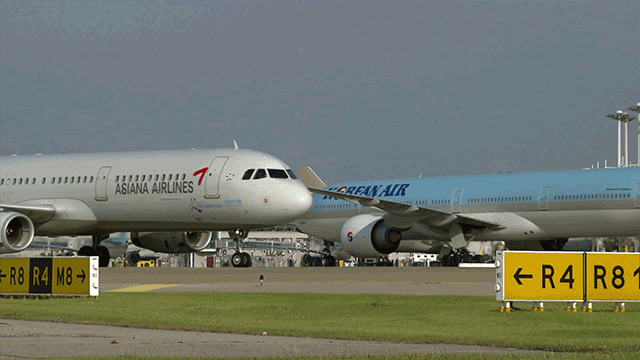
For a long time, the biggest complaint from passengers was the severe shortage of seats available for redemption, despite the points being earned through significant spending. To address this, Korean Air has set the 2023 performance—the highest bonus seat booking record among both airlines over the past decade—as the baseline. The company has firmly committed to maintaining this peak record as the lower limit for bonus seat supply for the next 10 years, ensuring a generous availability of seats. In particular, popular routes to the Americas and Europe, which often had no availability during holidays and vacation seasons, are expected to become much easier to book in the future.
If demand surges at a specific time and seats become insufficient, the company plans to immediately deploy additional flights to actively increase supply. Furthermore, to prevent tactics such as increasing seats only in off-peak seasons while closing them off during peak times, the company will thoroughly submit relevant data to the government’s Implementation Supervisory Committee every year. I still vividly remember the painful experience last year when I tried to use points for a European trip but had to pay in cash because there were no seats available. I sincerely hope that with this measure, we will be able to confidently book free seats even during peak seasons without hesitation in the future.
Based on historical peak performance, bonus seat supply will be significantly increased for the next 10 years, with additional flights deployed to resolve peak season shortages.
5. Expansion of Mixed Payments for Consumer Convenience
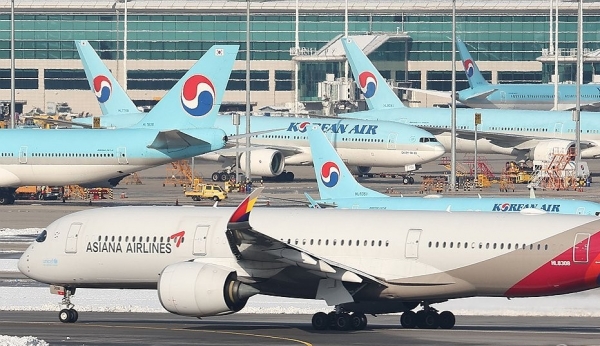
Everyone has likely experienced the frustration of having a small, awkward amount of points that isn’t enough to redeem a full flight ticket. To prevent these small point balances from quietly expiring unnoticed, the mixed payment feature has been dramatically improved. You can now freely use as few as 100 points, and the maximum payment limit has been significantly increased to 40% of the total fare. This is like a ray of sunshine for those who diligently accumulate points but struggle to find a suitable way to use them.
In fact, there are surprisingly many friends around me who let tens of thousands of points sit unused until they expired because they didn’t know how to redeem them. But now, when booking flights, you can easily use your remaining balance alongside cash, making the process much more practical and convenient. Thanks to the significantly increased mixed payment limit, you can now make the most of your points even for short domestic flights. The biggest appeal of this overhaul is the ability to cleanly clear out scattered small point balances and embark on your journey with a light heart.
Usage is possible from a minimum of 100 points, and the payment limit has increased to 40% of the fare, allowing for efficient redemption of small point balances.
6. Precautions During Integration and Future Plans
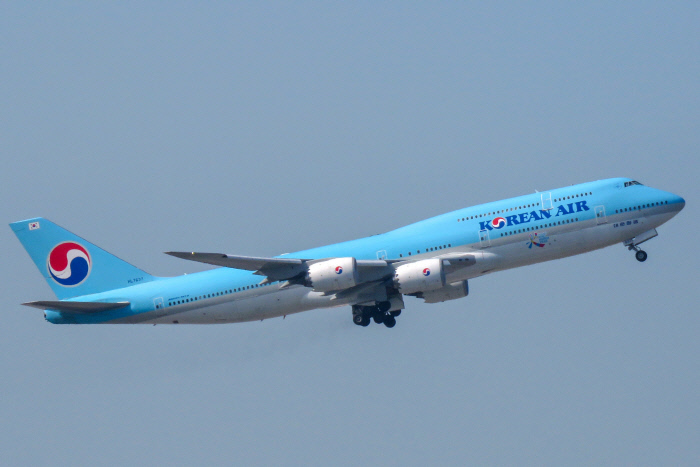
Given the massive scale of merging two major airlines, the possibility of temporary confusion or minor friction is always present. Korean Air has an ambitious plan to steadily and gradually increase the total annual point usage, aiming to reach a level of 121% by 2030. To monitor whether this long-term plan is being executed as promised, a system is in place to continuously verify transparent operational data. Therefore, ordinary consumers like us need the wisdom to frequently check official announcements and adapt quickly to changing rules.
The upcoming 10-year grace period may seem long, but it can also pass in the blink of an eye if you’re not paying attention. It is wise to regularly review your remaining points, compare them with your status re-evaluation results, and weigh the most advantageous timing. I, too, hope that this major integration goes beyond a simple corporate merger and provides tangible benefits to the wallets of ordinary passengers like us. I encourage both airlines to join forces to become a truly global major carrier with a wider route network and dignified service. If we smartly take advantage of the benefits in line with changing policies, we can all become the most wise and confident beneficiaries of this merger.
The total usage volume is planned to increase to 121% by 2030. It is essential to regularly check official announcements and prepare wisely.
Frequently Asked Questions
=