With the convening of the 2nd Youth Disability Policy Forum, the candid voices of those directly affected are becoming a core driving force in transforming actual welfare systems and on-the-ground realities. Kim, a university student who uses a wheelchair, spoke out about the difficulties he faces every time he moves between classrooms or prepares for job interviews, urging for more effective policies. These voices from the field are gathering to play a catalytic role in determining the government’s policy direction and fundamentally changing daily life. In the past, welfare benefits were passively received as one-way handouts, but now an atmosphere has been created where individuals directly participate in the policy design process. This forum was not merely an opportunity to gather opinions, but a venue to dismantle the realistic barriers faced by young people with disabilities in South Korea and to seek concrete alternatives. Let us take a deep look at how their voices will innovate the welfare ecosystem of the entire nation.
=
Shifting Welfare Policies and Future Outlooks Through the 2nd Youth Disability Policy Forum
1. The Reality of Today, Spoken by Young People with Disabilities
Lee, a person with a physical disability nearing university graduation, revealed that he has recently hit a major wall while attending job interviews. The experience of struggling to even enter interview locations on time due to steps at building entrances or narrow elevators is a pain that is hard for anyone to imagine. Park, a working professional with a visual impairment, also shared the awkwardness of having to rely on colleagues’ help every time because work programs are not compatible with screen readers. Like these examples, the small and large inconveniences that young people with disabilities face in their daily lives are not merely personal issues but stem from a lack of social infrastructure. They earnestly desire to be guaranteed equal opportunities to those without disabilities in all areas of life, including education, employment, housing, and cultural activities. The 2nd Forum became the starting point for conveying these painful voices from the field without omission and forming social empathy.
We must not forget that the true value of policy shines when the voices of those directly affected are reflected. A single small voice from the field can be the key to moving a massive system.
2. Key Contents and Significance of the 2nd Youth Disability Policy Forum
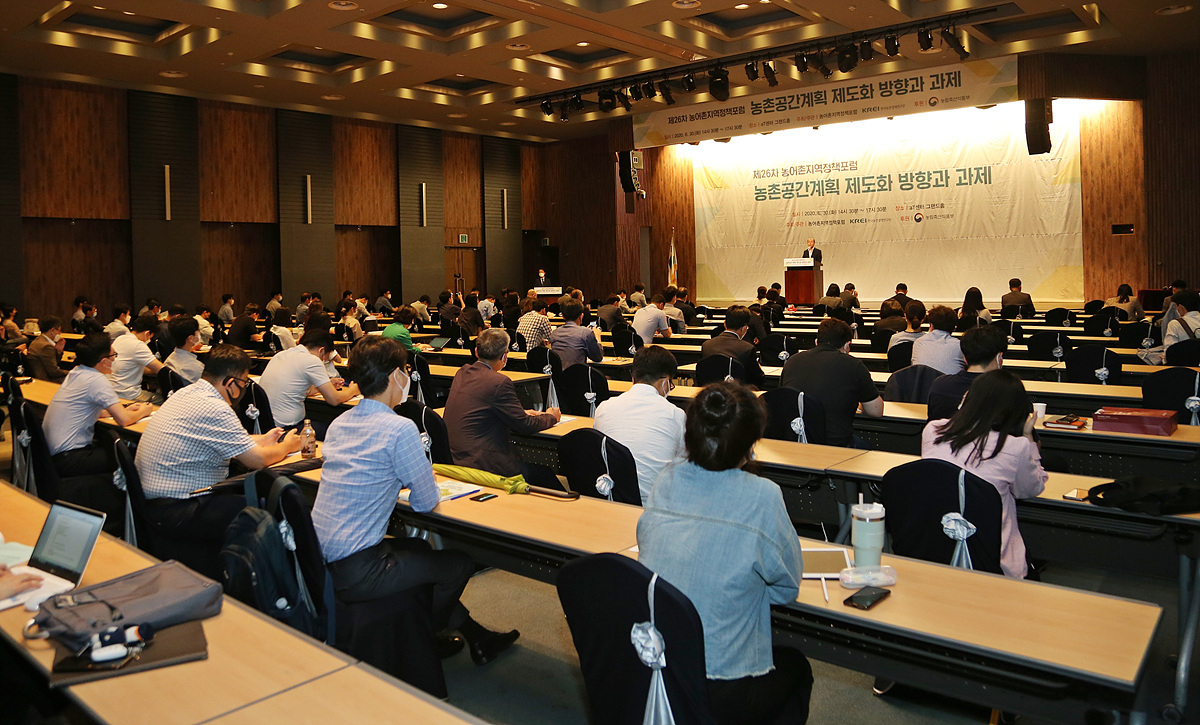
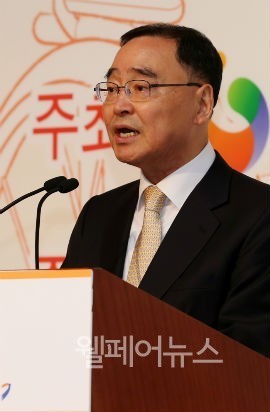
The 2nd Forum, recently held, holds great significance in that young people with disabilities took the podium to propose policy issues directly related to their lives. Effective alternatives poured out across various fields, including not only education and employment but also self-reliance support and cultural enjoyment. In particular, the need for a customized support system that considers the unique situations experienced during youth was strongly raised. The argument that housing support and activity support services must be significantly expanded so that young people with severe disabilities can live independently in the community gained persuasive power. Government officials and experts also listened to their proposals and expressed a positive stance, stating they would review practical legislative amendments or budget allocations. This event is evaluated not as a one-off discussion, but as a stepping stone to establishing a continuous monitoring system.
It is most important to increase the participation rate of those directly affected in the policy-making process. A venue for communication that drives substantive change, rather than a showpiece event, has been established.
3. The Tomorrow That Welfare Policies Will Change

Policies formulated by reflecting the voices of young people with disabilities will soon completely transform the landscape of South Korean society. Representative changes include a dramatic increase in the adoption rate of low-floor buses in public transportation and the mandatory barrier-free certification for all public buildings. As corporate incentives to raise the employment rate of people with disabilities are strengthened, high-quality job opportunities for young people are expected to gradually increase. As remote work and flexible work formats become more common, an environment is being created where physical limitations can be overcome and abilities can be fully utilized. In the educational field, conditions are being prepared for young people with disabilities to receive smooth support for learning assistive devices and focus on their studies. These changes will ultimately become the cornerstone for completing an inclusive society where all citizens live together harmoniously without discrimination.
Small institutional improvements gather to make the ordinary day of young people with disabilities special. Tomorrow’s South Korea will be reborn as a warm community where no one is left behind.
4. Changes Felt in the Field and Remaining Tasks
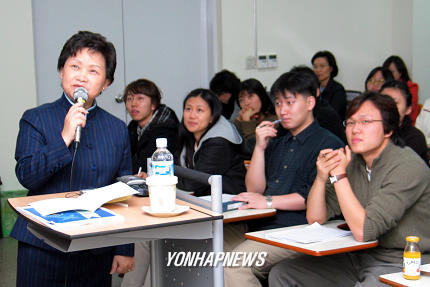
No matter how excellently a policy is crafted, its meaning fades if it does not function properly in the field. Young people with disabilities living in local areas still feel marginalized due to infrastructure that is drastically insufficient compared to the metropolitan area and information gaps. Issues such as improving the compensation of activity support workers and resolving the labor shortage remain difficult problems that need urgent resolution. The transparency of budget allocation must be increased, and the delivery system must be carefully inspected to ensure that services are delivered centered on actual users. A permanent consultative body must be operated to continuously collect voices from the field and reduce blind spots in policy. It is a time when everyone should closely watch whether the various opinions raised at the 2nd Forum lead to concrete execution plans.
The key is to narrow the gap where laws and systems fail to keep up with the reality of the field. Only continuous feedback and inspection can guarantee the success of policies.
5. Improving Social Awareness and What We Should Do
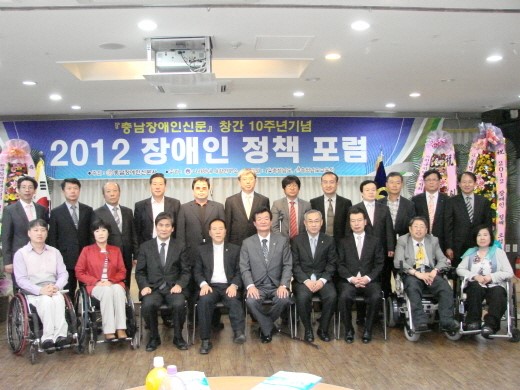
As important as policy changes is the warm gaze and paradigm shift in the perception of disability among members of our society. We need mature civic awareness that allows us to naturally offer help when a passenger with a disability experiences inconvenience on the subway. HR managers at companies are also required to shift their perspective, viewing people with disabilities not as objects of protection but as capable colleagues and partners. Integrated education that raises disability sensitivity and acknowledges differences must take root from the school curriculum. The media and mass communications should also depict people with disabilities not as passive beings, but as individuals actively pioneering their own lives. Only when we all practice small considerations in our daily lives can a truly equal society be completed.
True communication begins when we cast aside prejudice and look at things as they are. Our individual roles are important in creating a society where everyone lives together harmoniously.
6. Future Outlook and Commitments for Youth Disability Policy
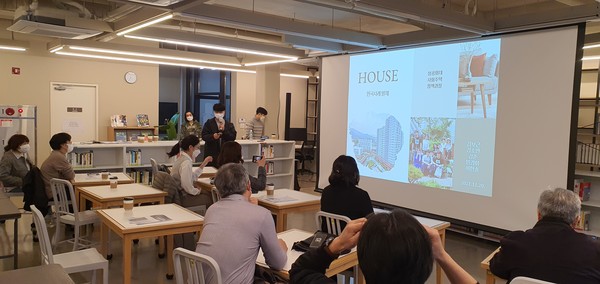
The successful convening of the 2nd Youth Disability Policy Forum will serve as a dual compass for the direction of South Korea’s future welfare policies. The government, local authorities, and organizations of those directly affected are working as one to formulate sustainable development plans. Coupled with technological advancements, the speed of development and distribution of various assistive devices that can overcome disabilities will also accelerate. We expect the doors of opportunity to open wide, allowing young people to fully unfold their capabilities without giving up on their dreams. We hope that you, our readers, will also listen to the voices of young people with disabilities around you and send them warm encouragement. We must all maintain continuous interest so that the small seeds of policy sown today can bear abundant fruit tomorrow, creating a society where everyone is happy.
The future belongs to those who prepare for it, and change begins with our small concern. The tomorrow envisioned by young people with disabilities will be the bright future of our society.
Frequently Asked Questions
=