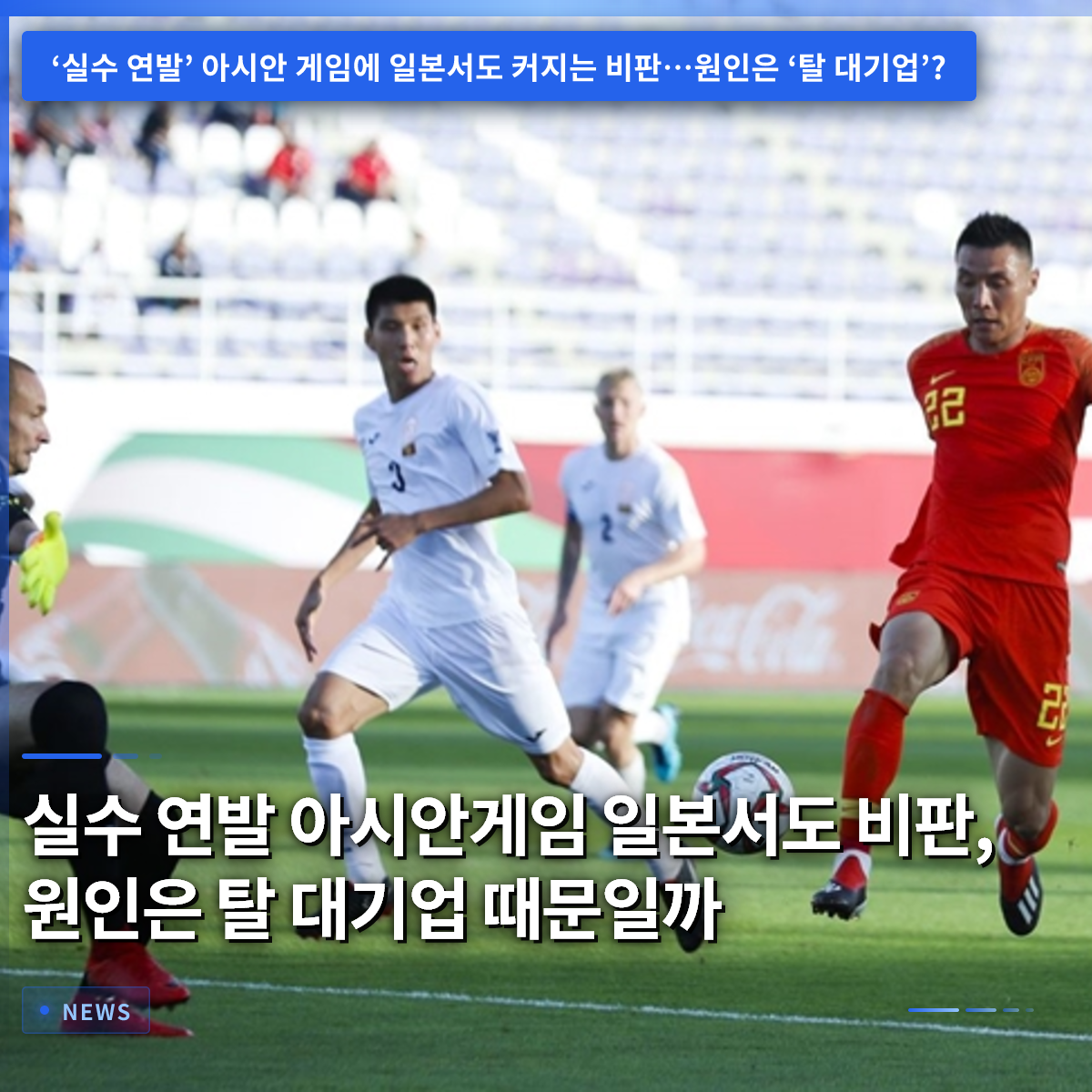
The Aichi-Nagoya Asian Games, which recently opened, are facing fierce criticism both domestically and internationally due to unprecedented operational incompetence and a continuous string of errors. The situation has gone beyond minor oversights, escalating into diplomatic faux pas that have severely undermined confidence in the entire event. Participating athletes and spectators from various countries are expressing their frustration over the unprepared athlete village and chaotic game proceedings. Even local Japanese media and the public are expressing shame over the incident, harshly criticizing the organizers’ incompetence. Behind the chaotic management of this major international event lies a structural cause: the absence of the giant advertising agency that has traditionally handled such tournaments. In this article, we will examine why the Asian Games have turned out this way and look closely at the side effects of Japan’s shift away from major corporations.
=
A String of Mistakes at the Asian Games Sparks Criticism in Japan: Is the Cause the Move Away from Major Corporations?
1. A Tragedy That Began with the Toyotomi Hideyoshi Costume Controversy

Even before the opening ceremony, an inappropriate figure that could provoke historical conflict appeared at the venue, causing a huge shock. At the athlete village welcome event held on the 15th, a person dressed as Toyotomi Hideyoshi, who led the 16th-century invasion of Joseon, was openly walking around. Naturally, the delegations from South Korea and neighboring countries could not hide their displeasure, and the Korean Sports & Olympic Committee immediately conveyed a strong protest. The Organizing Committee bowed its head and explained that it would be more careful in the future, but its attitude lacked sincerity. Shortly after, they poured oil on the fire by setting up a photo zone featuring the same character at the official cultural program venue.
The Organizing Committee’s casual attitude toward history was clear evidence of how poorly prepared the stage for an international tournament was. No one had reviewed or stopped elements that could cause diplomatic friction. It is reported that officials present at the scene were more inclined to brush the issue aside than to raise concerns. By the time the situation escalated and they reluctantly issued an apology, they had already caused great disappointment to many foreign athletes and foreign media outlets. The fact that matters that would have undergone thorough pre-screening in the past were inexplicably overlooked symbolizes the overall disarray of this tournament.
They provoked diplomatic friction by allowing a Toyotomi Hideyoshi costume to appear without prior review.
2. Compounding Misfortunes: From National Anthem Errors to Substandard Lodging

The part that angered athletes the most was that even basic living conditions, such as lodging and meals, were not properly arranged. During the men’s hockey group stage match between South Korea and Bangladesh held on the 18th, the national anthem of North Korea was mistakenly played instead of the anthems of the two competing countries. The athletes and officials gathered in the stadium were faced with an absurd situation that made them doubt their own ears. The organizers explained it as a simple file playback error, but such a basic malfunction in a national competition is inexcusable.
This was not the only issue; complaints erupted that the meals provided to athletes were either insufficient in quantity or nutritionally poor. Buses transporting athletes to training grounds or stadiums frequently failed to find the right route, dropping athletes off at wrong locations. Unable to bear it any longer, athletes from some countries left the athlete village and booked general hotels at their own expense to relocate. The absurd anecdotes they experienced spread rapidly worldwide through personal social media, bringing national disgrace. A renowned Japanese news agency poured out bitter self-reflection, stating that the current situation is a clear case of inadequate preparation with no room for excuses.
Athletes faced significant inconvenience due to the North Korean anthem incident and recurring issues with meals and transportation.
3. The Downfall of Giant Advertising Agency Dentsu and Its Aftermath

Behind the fundamental background of these unprecedented consecutive errors lies the secret of Japan’s major sports events. Japan has actively utilized the know-how of private major corporations when hosting large international events like the Olympics or the Asian Games. In particular, Dentsu, Japan’s largest advertising agency, had a structure where it oversaw the entire process, including event operations, marketing, and sponsor recruitment. Because the tournament was driven by the manuals accumulated over many years by the powerful capital and specialized personnel of major corporations, there were no major disturbances.
However, it was revealed during the 2020 Tokyo Olympics that Dentsu was involved in massive corruption in the sponsor selection process. This incident shocked Japanese society as a whole, and Dentsu was restricted from bidding on public projects by the government and local authorities. This Asian Games is the first in history to be held without relying on Dentsu, centered around local governments and small regional companies. With the disappearance of the strong control and expertise of a giant corporation, the local organizing committee, which lacked sufficient experience, was left to bear the burden. Experts analyze that this shift away from major corporations ultimately led to the disastrous lack of preparation for this tournament.
The vacuum left by the exclusion of the giant advertising agency due to the Tokyo Olympics corruption scandal is a major cause of the poor management.
4. The Limitations of an Organizing Committee Without Know-How and On-Site Chaos

The Aichi-Nagoya Asian Games Organizing Committee, which filled the void left by the giant advertising agency, had no choice but to flounder from the start. To smoothly run a large-scale international sports event, a highly specialized system capable of responding to tens of thousands of variables is required. However, this time, with local government officials and region-centered small planning companies taking on the practical work, every process ground to a halt. According to a report by the Jiji Press, Organizing Committee officials themselves confessed to the enormous difficulty of having to build operational know-how and skilled personnel from scratch.
Because the on-site response manuals accumulated by private enterprises over decades were not shared, the system paralyzed itself every time an unexpected situation arose. Not even a single spectator guidance sign was properly installed, and volunteer training was conducted poorly, turning the scene into pure chaos. Delays occurred even in minor tasks such as lodging assignments and vehicle dispatch, leading to a barrage of protests from participating countries. It is as if they exposed amateur-level operational capabilities in a major event that stakes national prestige.
A local-government-centered organizing committee lacking specialized personnel and know-how exacerbated the on-site chaos.
5. A Shameful Self-Portrait of Japan, the Land of Omotenashi
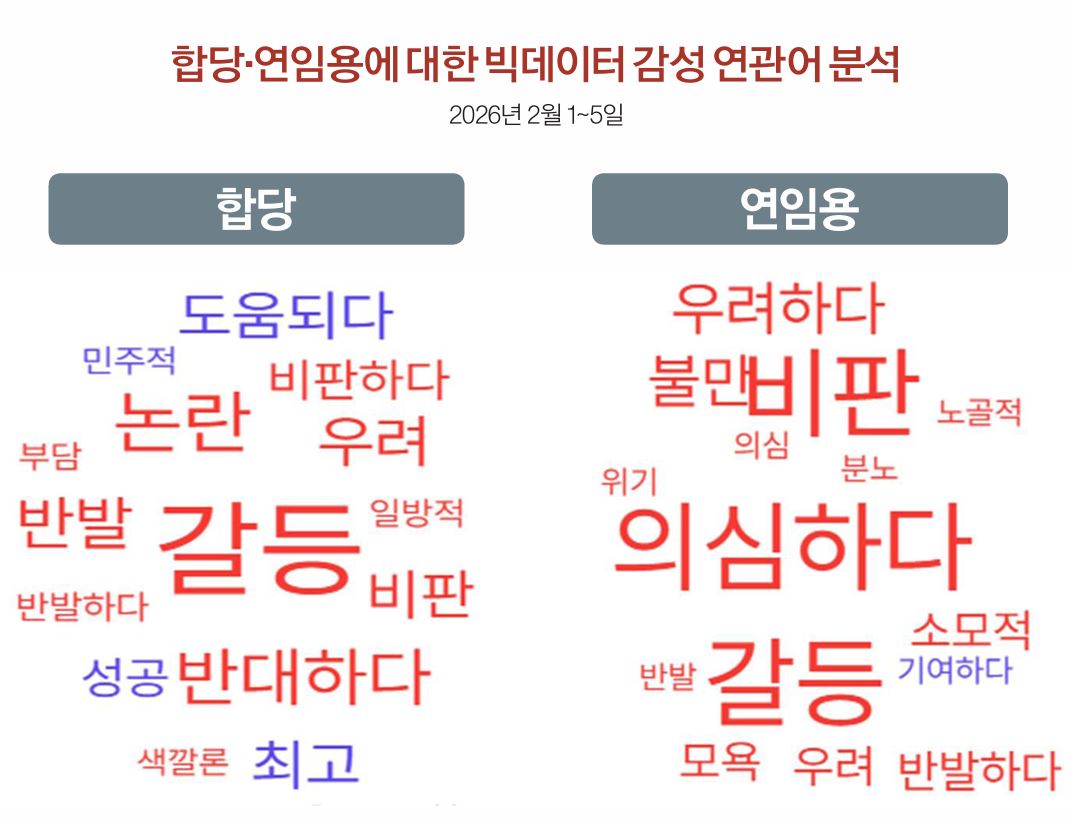
The reaction of the local Japanese public and media watching the tournament is also extremely cold, and they are plunged into deep self-deprecation. Locals who have read reports from Korean media stating that this Asian Games is the worst in history are unable to hide their shame. Internet comment sections are flooded with sighs questioning how Japan can boast of being the land of “omotenashi” (wholehearted hospitality) to the whole world. The assessment is that the image of hosting a perfect tournament with national pride in the past is nowhere to be found, leaving only a comprehensive crisis.
Pointers emerge that the Japanese government and the Organizing Committee’s forced exclusion of major private corporations, mindful of the large-scale corruption scandal, has instead become a poison. There is criticism that despite numerous warning signs ringing during the preparation period, they maintained a casual attitude and ultimately brought about international humiliation. Local media are repeatedly urging that it is not too late now to recognize the severity of the situation and take swift action to manage it. The myth of Japan’s major event operations, which boasted a long tradition, is completely collapsing through this Asian Games.
Even within Japan, which boasts meticulous hospitality, the dominant reaction to this incident is one of shame and despair.
6. Lessons from International Tournaments and Future Prospects

The dysfunction of this Aichi-Nagoya Asian Games goes beyond a mere administrative failure of a single region, prompting a re-examination of the fundamental way of hosting major sports events. While it is natural to exclude corrupt companies to ensure transparency and fairness, it is essential to prepare a substantive alternative to fill that void. The result of dumping all the burden on an inexperienced organizing committee has ultimately returned as a decline in national brand value and harm to athletes. The eyes of the world are focused on how sincerely the organizers will manage the situation and successfully conclude the remaining games during the remaining period.
Readers, please deeply consider how much harm the corruption of large organizations and the resulting administrative vacuum can cause through this incident. Sports should be a venue for strengthening unity across borders, but poorly prepared, sensational events only leave wounds. Other international tournaments to be held in the future must take this case as a lesson and establish thorough preparation and transparent operational systems. I sincerely hope that the tournament will conclude safely without any further diplomatic faux pas or safety accidents during the remaining game schedule.
Taking this incident as a lesson, a reorganization of the international tournament operational system that possesses both transparency and expertise is needed.
Frequently Asked Questions
=