To choose the perfect badminton racket, you must look beyond design and price tags and first assess your own muscle strength and playing style. Many office workers, after casually joining a club gathering on a colleague’s recommendation, impulsively buy expensive gear, only to end up with shoulder pain and quit the group within a week. Countless online reviews are filled with regrets from people who bought heavy, aggressive rackets that didn’t suit them. When budgeting for equipment, you should carefully calculate the total cost, including string replacement and grip purchases, not just the racket price. In this article, we will clearly outline the selection criteria that often confuse beginners and enthusiasts. We will go through specific standards one by one to help those just starting out find the right product without making mistakes.
=
Badminton Racket Recommendations: A Fail-Proof Selection Guide for Beginners to Enthusiasts
1. The Secret of Badminton Racket Weight

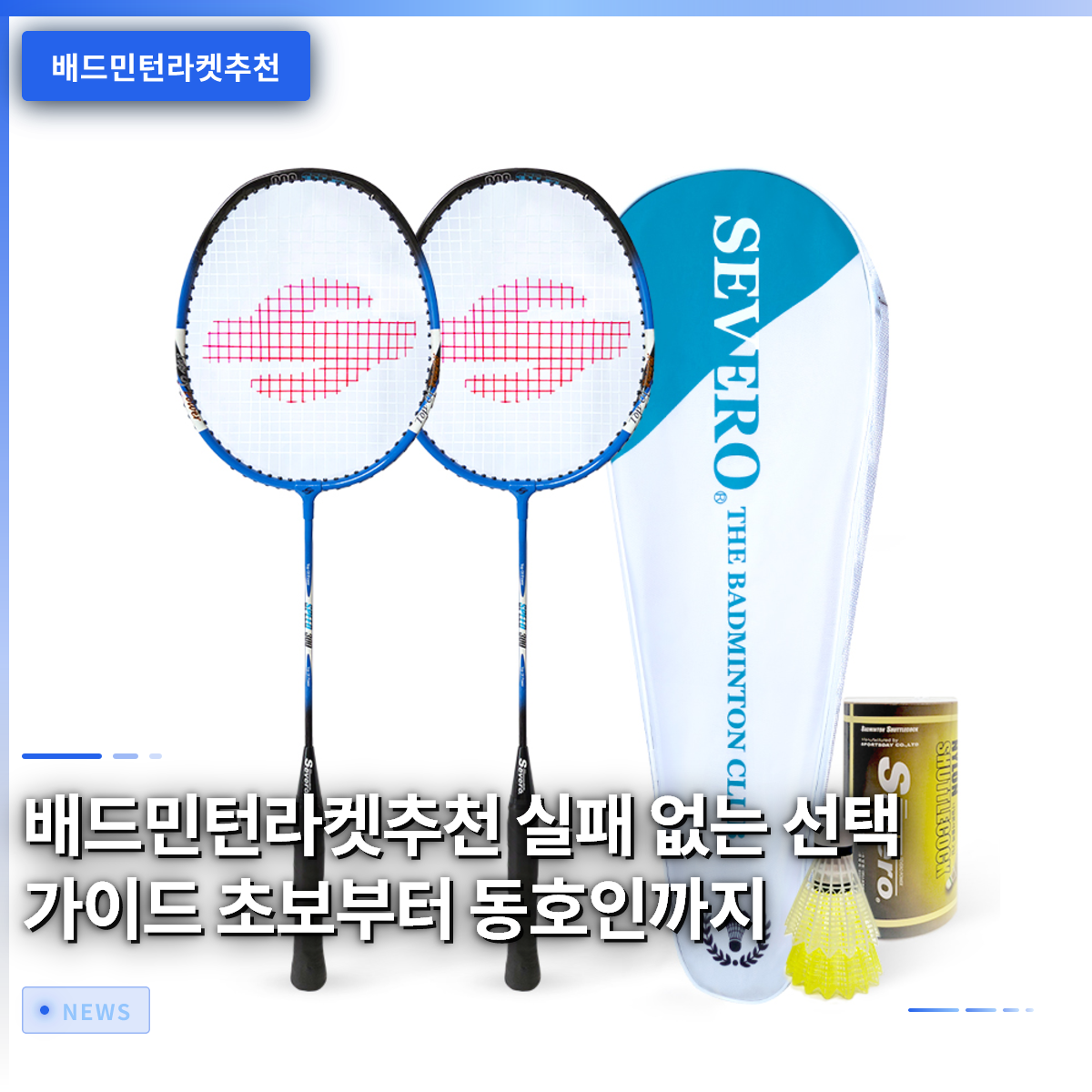
Weight designations like 4U or 3U are directly linked to the actual felt weight, making them a core element to check first when choosing equipment. Typically, 4U refers to a weight between 80 and 84 grams, which is a popular standard that beginners and female enthusiasts can handle comfortably. Forcibly swinging equipment that is too heavy can strain the wrist or shoulder joints, potentially leading to chronic injuries, so caution is required. It is wise not to insist on a 3U racket just because people around you say it offers better power if your arm strength cannot support it. In fact, most club members with less than a year of experience rate lighter rackets as providing a much more stable swing trajectory. Therefore, when buying your first equipment, it is best to prioritize lightweight products that help prevent wrist injuries and increase swing speed. When choosing a weight, consider your arm strength and playing frequency together. Blindly choosing a heavy racket just because others use one often leads to regret.
Choosing a weight that matches your muscle strength is the first step in preventing injuries when selecting a badminton racket.
2. Shaft Flexibility and Swing Differences
Shaft flexibility, which refers to the shaft’s bending, is a crucial factor that determines the power and directional control imparted to the shuttlecock upon impact. The softer the shaft, the easier it is to hit the shuttlecock far with less force, which is a great help for beginners with limited muscle strength. On the other hand, rackets with stiff shafts offer the advantage of guiding the shuttlecock in a precise direction when powerful players execute strong smashes. Using a stiff product when you still lack strength can result in the shuttlecock not flying properly and may strain your elbow, so be careful. If you are just starting out, it is far more advantageous to choose a product with a flexible shaft to easily execute clear shots. It is surprisingly common for people to regret buying stiff, advanced-level rackets based solely on the advice of store staff or local experts. You must accurately assess your hitting habits and arm strength level to reduce the chance of failure. Flexibility is like wings for a beginner.
For beginners, badminton rackets with flexible shafts are the most suitable for learning how to hit the shuttlecock far.
3. Understanding Head Shape and Balance
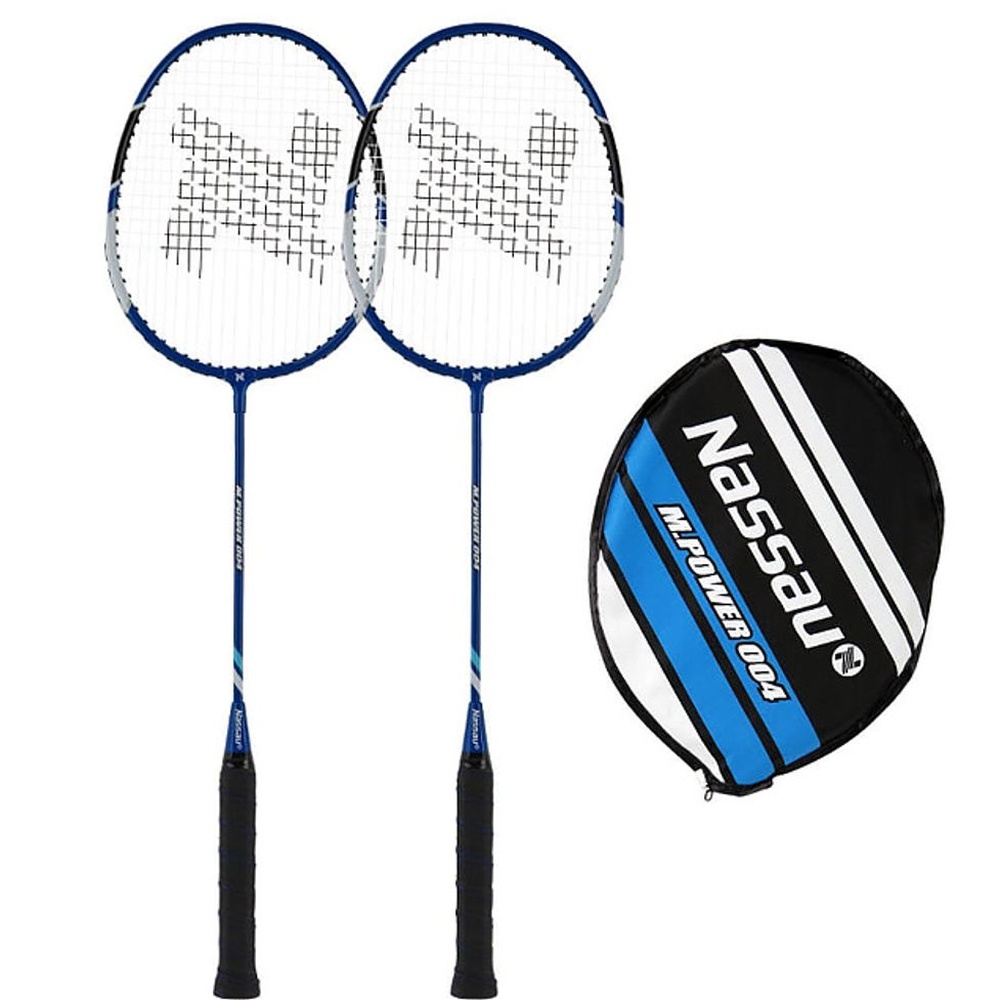
The weight balance of the racket head serves as the criterion for distinguishing between offensive and defensive styles and should match your playing style. Head-heavy balance makes the head heavier, which is good for powerful smashes but can result in slower reaction times during defense. Conversely, head-light balance makes the handle side lighter, allowing for agile responses in fast rallies and defensive situations, though it may have weaker power. An all-around balanced type, which is balanced in all aspects, can be considered the most ideal form for intermediate players to practice various skills. Since you may not know whether you prefer offense or defense at first, it is safer to start with a balanced product. Products featuring a diamond-shaped frame structure that reduces air resistance help increase swing speed and reduce physical exhaustion. If your playing style is not yet clearly defined, choosing balanced specifications over one-sided features is the wise approach.
You must choose the head balance according to your primary playing style to perform satisfactorily on the court.
4. The Impact of Strings and Tension
As important as the equipment’s performance itself are the string tension (how tightly the strings are pulled) and the type of strings. Many people think paying the equipment price is the end of it, but additional costs for stringing and grips continue to occur. For beginners, it is better for mental health to string the racket at a slightly lower tension rather than too high, allowing the shuttlecock to bounce off easily. If the tension is too high, the impact transmitted to the wrist when missing a clean hit increases, leading to quick fatigue and a higher risk of injury. If you play regularly with club members, considering the repair costs and time required every time a string breaks, choosing durable strings is advantageous. High tension is for advanced players, so at the beginner stage, you should prioritize specifications with good rebound and ease of handling. The combination of strings and tension completely changes the feel of the hit, making it a core element that should never be neglected.
To maximize the performance of a recommended badminton racket, it is essential to set an appropriate string tension that matches your skill level.
5. Brand Characteristics for Beginners and Enthusiasts
The market is flooded with products from numerous sports brands, each with unique characteristics, which can be confusing. Representative set products from famous brands favored by world-class players have verified quality, resulting in a low probability of failure. Recently, products from emerging domestic brands that boast excellent performance at reasonable prices have also gained word-of-mouth popularity among enthusiasts. Buying family sets or beginner-specific packages to enjoy badminton with a close friend is also a good way to save on budget. Rather than blindly following others’ recommendations, it is essential to visit offline stores to lift the rackets and feel the grip. Since each brand has a unique hitting feel and shaft recovery, touching and testing them before buying is the surest path. Instead of chasing the name of a famous brand, you should prioritize a grip feel and weight that fits your hand perfectly to avoid regret.
It is wise to compare beginner sets from various brands and make a rational choice that fits your budget and preferences.
6. Final Advice for a Fail-Proof Purchase
Synthesizing the various criteria examined so far, the equipment that fits you is determined not by others’ reputations but by the sensation in your own hands. While comparing prices through internet lowest-price searches is important, you need the wisdom to carefully check A/S policies and authenticity. If you plan to continue club activities consistently, choosing a mid-range model with verified durability over a very low-cost option from the start prevents double spending. Your future badminton life begins with the equipment you choose today, so please do not decide hastily; take your time to consider before pressing the buy button. Imagine the wonderful sight of smashing the shuttlecock on the court and blowing away daily stress, and prepare your equipment with joy. We sincerely support your active sports life and hope that all the content prepared today will be a great help in making a wise choice. Since small choices determine the fun of future sports, we recommend preparing your equipment carefully and enjoyably.
If you choose equipment that fits you well based on thorough preliminary research, you can enjoy badminton for a long time without injury.
Frequently Asked Questions
=