Electricity rates for the fourth quarter of this year have been officially frozen at current levels, with the fuel cost adjustment rate also remaining unchanged at 5 won per kilowatt-hour. Korea Electric Power Corporation (KEPCO) has decided not to reflect any additional rate increase factors in electricity bill calculations for the period from October to December. This move is interpreted as a measure to alleviate the burden of household debt and corporate costs, given that many citizens and businesses are struggling due to recent inflation and economic downturn. For instance, Mr. Kim, a self-employed restaurant owner in Seoul, shared that he used to feel a sinking heart every time he saw his monthly electricity bill, but he can now breathe a sigh of relief thanks to this freeze. Let’s carefully examine the details to see what ripples this electricity rate freeze will send through our daily lives and the broader economy. We will also look into the background of this decision and the expected future trends in rates.
=
[Breaking News] Q4 Electricity Rates Frozen… Background and Impact of Maintaining Fuel Cost Adjustment Rate at 5 Won
![[Breaking News] Q4 Electricity Rates Frozen... Background and Impact of Maintaining Fuel Cost Adjustment Rate at 5 Won](https://pub-e310bf4303744c7295d9b556111ff394.r2.dev/thumbnails/1790031777309_pkvnmv.png "[Breaking News] Q4 Electricity Rates Frozen... Background and Impact of Maintaining Fuel Cost Adjustment Rate at 5 Won")
1. The Reality of the Q4 Electricity Rate Freeze
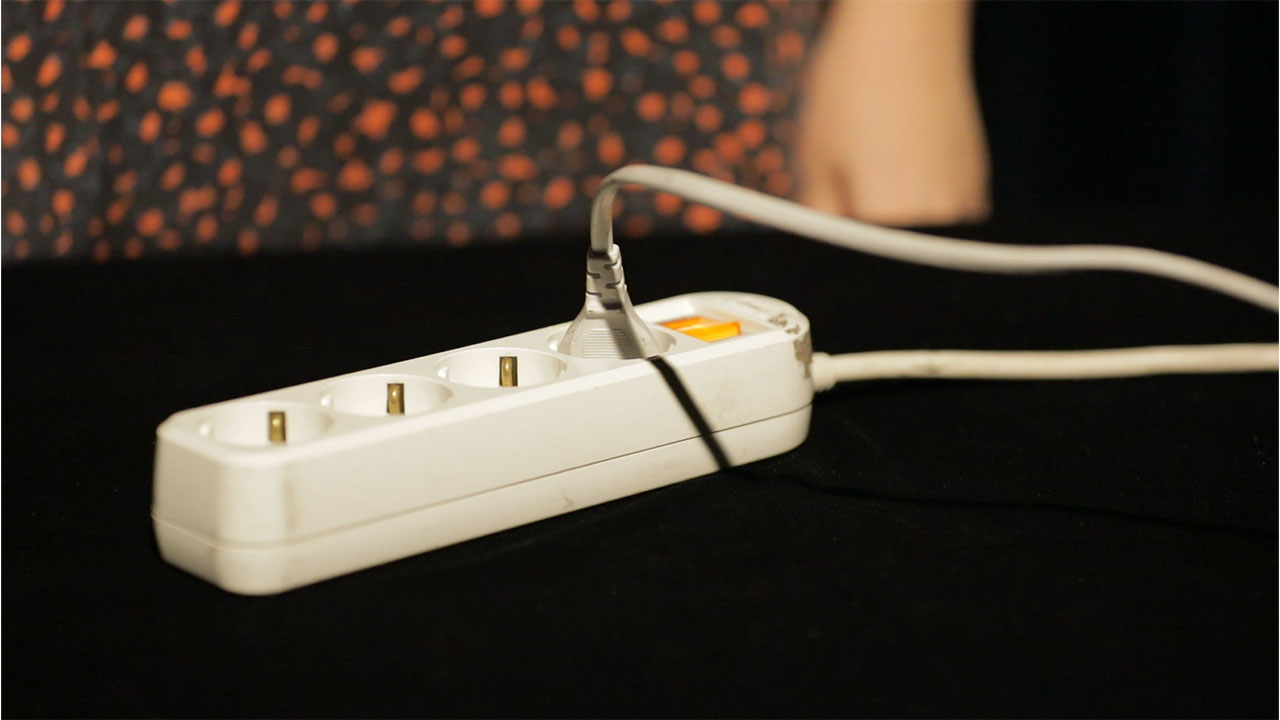
This Q4 electricity rate freeze is based on the rate calculation results recently announced by KEPCO. With the fuel cost adjustment rate confirmed at the same 5 won per kilowatt-hour as before, overall rate fluctuations have been eliminated. No special increases or adjustments are planned for other detailed rate items either, meaning electricity bills from October to December will be charged exactly as they were previously. Households that pay their bills via automatic transfer on a fixed date each month will likely notice almost no change. However, for small and medium-sized enterprises or self-employed individuals with high electricity usage, this freeze is welcome news, like rain in a drought. In particular, self-employed individuals who faced a “cooling bill bomb” during the summer are relieved to know they can avoid additional rate increase pressures as the season transitions into autumn and winter. KEPCO recalculates the fuel cost adjustment rate just before each quarter begins, reflecting trends in international energy prices. It is interpreted that for this quarter, either the volatility in international fuel market prices has eased somewhat, or the government’s policy judgment prioritizing price stability has played a strong role. Since electricity rates are public utility fees directly linked to citizens’ lives, an increase immediately impacts household disposable income. Therefore, the government and relevant agencies have deployed the public utility rate freeze card to stabilize the price index and protect the livelihood economy.
Q4 electricity rates have been finally frozen with the fuel cost adjustment rate maintained at 5 won, interpreted as a measure for livelihood stability.
2. The Meaning of the 5 Won Fuel Cost Adjustment Rate
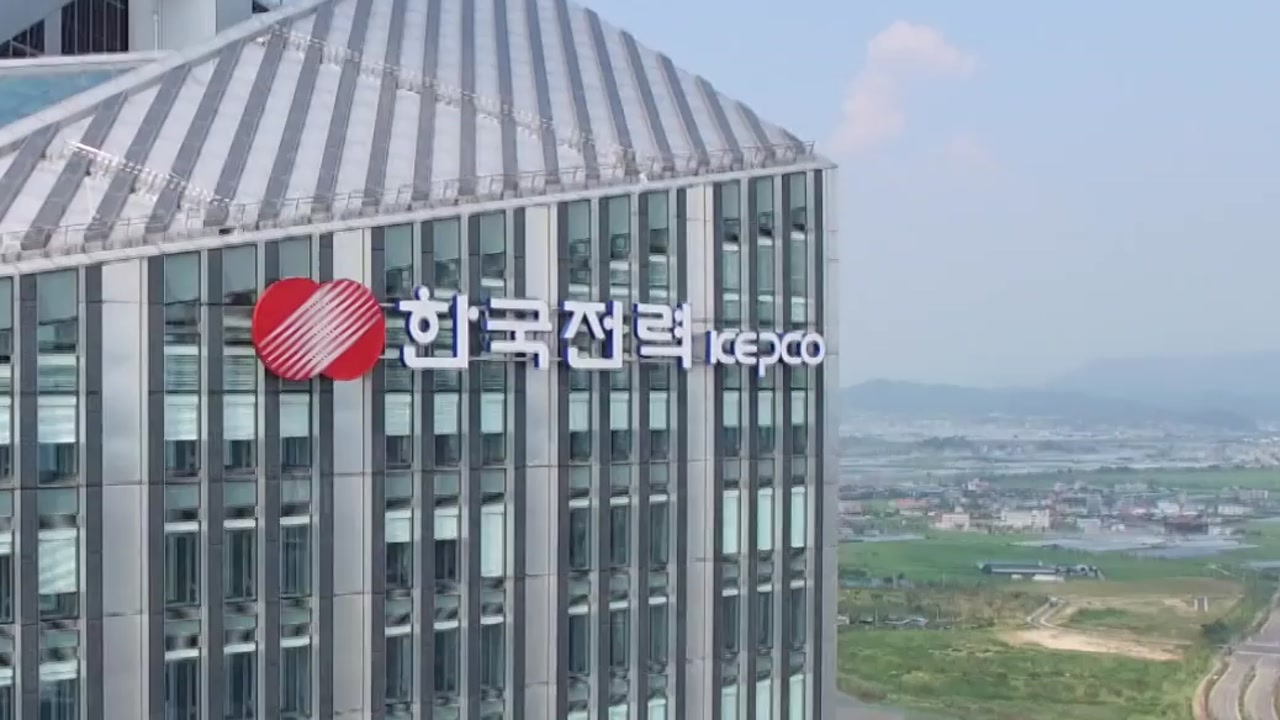
The fuel cost adjustment rate, which frequently appears on electricity bills, is a system designed to quickly reflect fluctuations in fuel prices, such as coal and natural gas used for electricity generation, into the rates. The fact that the figure of 5 won per kilowatt-hour has been maintained means that the fluctuation in fuel costs was not significant compared to the previous quarter. If international oil prices or LNG prices had surged, this adjustment rate would have increased further within the maximum limit of plus 5 won or decreased to a negative value. However, since there were no drastic changes in generation costs, the current cap and existing maintenance amount of 5 won have been applied as is. This fuel cost adjustment rate system was introduced to balance the improvement of KEPCO’s financial structure with the burden on consumers. It acts as a buffer device that allows consumers to some extent to face the actual changes in fuel costs incurred when using electricity while preventing sudden rate shocks. Hidden within the fees we pay when running air conditioners or heaters at home are these complex calculation formulas. Fortunately, with no additional burden added this quarter, it is expected that there will be little confusion in planning household budgets. Since the next quarter’s adjustment rate may vary depending on the trends in the international fuel market, continuous attention is required.
Maintaining the fuel cost adjustment rate at 5 won indicates no drastic fluctuation in generation fuel costs and prevents consumer shock.
3. The Perceived Effect on Households and Self-Employed Individuals
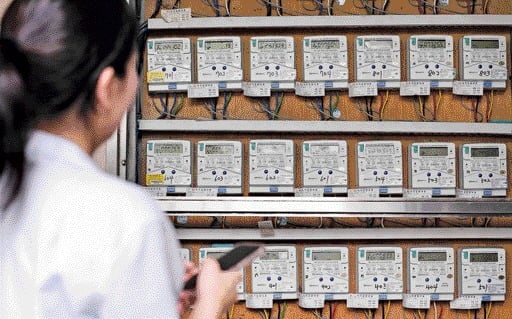
Upon hearing the news of the electricity rate freeze, countless small business owners and self-employed individuals across the country are relieved. Mr. Park, who runs a cafe in Busan, said it was fortunate that the rates were frozen just as the summer, when he had to run the air conditioner at full capacity, had passed and he thought he could finally breathe. In industries where electricity consumption is essential, such as restaurants and bakeries, public utility rate increases are a sensitive issue that can directly lead to the risk of closure. Thanks to this measure, self-employed individuals have gained the leeway to defend their immediate fixed costs and calmly prepare for the upcoming year-end peak season. For general households, it would have been a heavy burden if public utility rates had risen amidst soaring grocery prices, but they can now take a breather. Of course, the importance of energy saving does not disappear just because rates are frozen. The government and local authorities are still continuing daily energy-saving campaigns, such as turning off unnecessary lights and maintaining appropriate indoor temperatures. The most certain way to prevent an electricity bill bomb is not to wait for changes in the rate structure but to directly reduce our own power consumption. In fact, Mrs. Lee, a housewife, reported that despite hearing the news of the rate freeze, she is not taking it for granted and is actively using power strips to cut off standby power. When external factors like public utility rate freezes align with individual household efforts to save, true household economic stability can be achieved.
With this freeze, self-employed individuals and households can reduce fixed cost burdens and prepare for the year-end.
4. The Dilemma with KEPCO’s Financial Structure
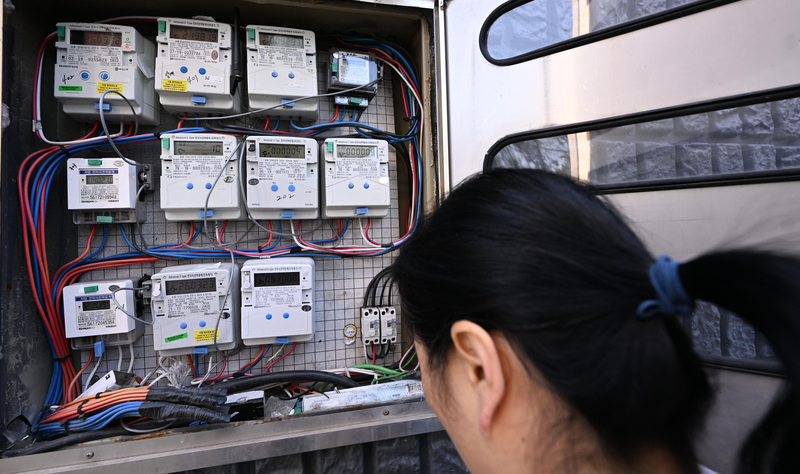
While the electricity rate freeze is welcomed by the public, the position of KEPCO, which must bear this, is not simple. For KEPCO, which is recording cumulative deficits in the trillions of won, the pressure to raise rates to normalize management remains. The longer the structure of supplying electricity below cost persists, the more the company’s debt will snowball, which can ultimately become a potential risk factor for the entire national economy. Nevertheless, the government is postponing rate increases while prioritizing price stability as its top task. Energy experts warn that while artificial freezing of public utility rates helps stabilize prices in the short term, it can lead to side effects in the long term. If a public enterprise with accumulated deficits cannot properly invest in power grid investments or eco-friendly energy transition facilities, the stability of future power supply may be shaken. Therefore, voices calling for rates to be normalized to a realistic level at some point are consistently emerging. However, every election season or period of inflation, rate increases tend to become the most sensitive political issue that is avoided. This Q4 freeze can also be seen as the result of a desperate measure born from these complex interests and macroeconomic conditions.
The rate freeze helps livelihoods, but concerns over KEPCO’s cumulative deficits and deteriorating financial soundness remain.
5. Future Electricity Rate Outlook and Variables
As this year’s Q4 passes and we approach early next year, attention is focused on whether another major change will come to electricity rates. International oil prices, exchange rates, and LNG supply and demand situations are representative uncertainty factors that can change rapidly at any time. This is because variables such as geopolitical risks in the Middle East or slowing global economic growth rates directly impact raw material prices. If a winter cold snap hits, causing power demand to surge and international fuel prices to soar, pressure for increases could intensify next year. Conversely, if global supply chains stabilize and the price index maintains a gentle downward trend, the possibility that the current rate system will be maintained for a while cannot be ruled out. The government and KEPCO are expected to closely monitor market conditions each quarter and deliberate on reasonable rate adjustment plans. Consumers and businesses should review their power usage patterns in advance and cultivate efficient energy consumption habits in this uncertain energy market environment. For example, wisdom is needed to reduce electricity use during peak hours and utilize power management tools like smart meters. Rather than relying solely on government policy decisions, we must cultivate the ability to increase our own energy self-sufficiency and find waste factors. We should keep a close eye on additional government economic measures and energy supply and demand trends to be released in the future and respond wisely.
Future electricity rates can change at any time depending on international fuel prices and exchange rate fluctuations, requiring continuous monitoring.
6. Summary and Practical Recommendations

We have examined the various backgrounds and impacts of the Q4 electricity rate freeze and the maintenance of the 5 won fuel cost adjustment rate. This measure has provided a precious break, like rain in a drought, for the common people and small business owners suffering from inflation pain. However, considering KEPCO’s cumulative deficit problem and the uncertainty of the future international energy market, rates cannot remain frozen indefinitely. We should not rest on our laurels with this temporary freeze but must internalize the habit of saving energy in our homes and businesses as usual. Small actions, such as unplugging unused devices or using high-efficiency appliances, accumulate to lead to significant household savings. We hope you will make thorough heating cost reduction plans in preparation for the coming winter and practice wise consumer behavior. We encourage you to continue checking major public utility news quickly and living a wise economic life in the future.
Households should use the Q4 freeze as an opportunity to save energy, while the government should prepare long-term energy supply and demand measures.
Frequently Asked Questions
=