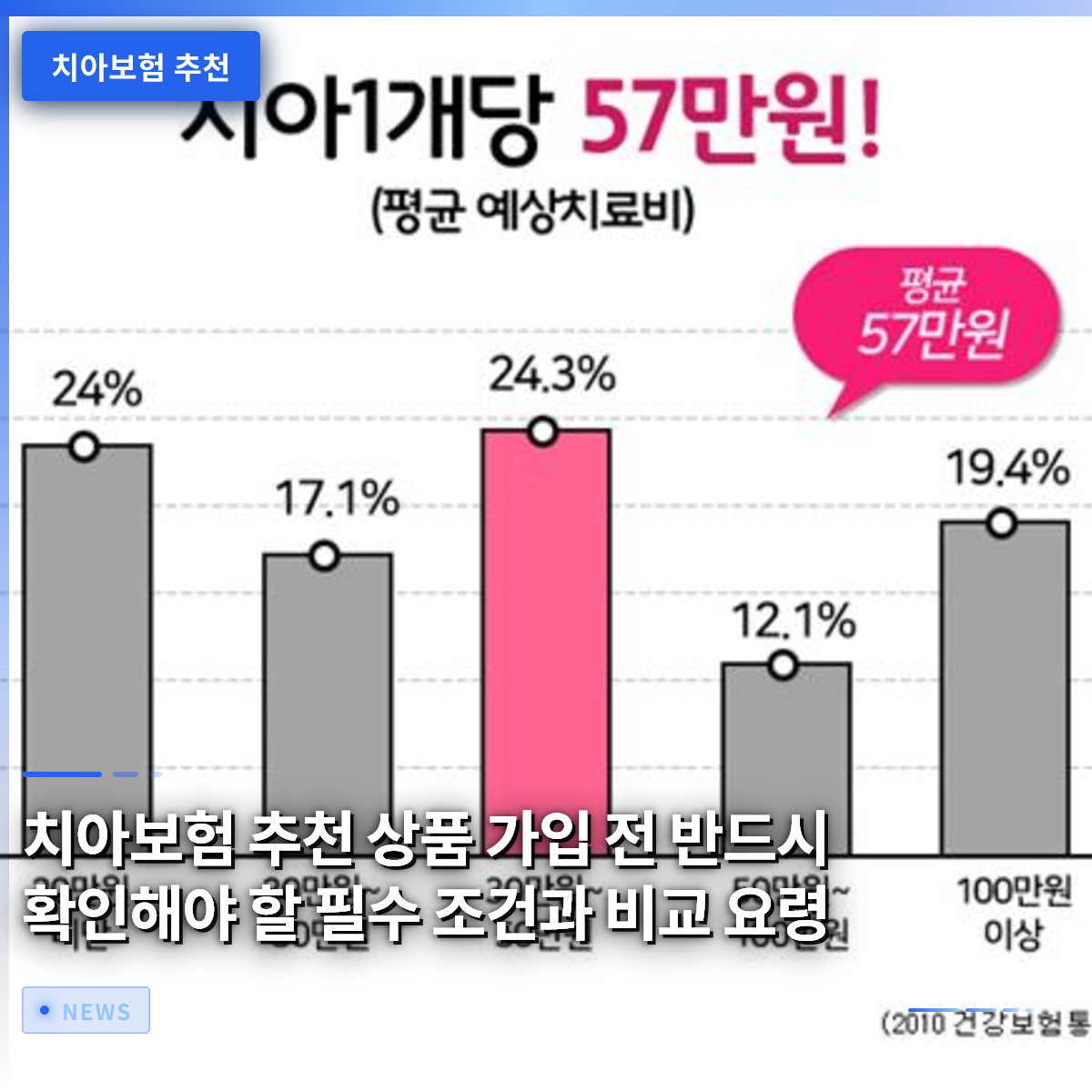
When choosing a recommended dental insurance plan, signing up impulsively just because the premium is low can lead to significant financial losses when you actually need dental treatment. Rather than blindly following products that others say are good, you need the wisdom to carefully evaluate options based on your age, current oral health status, and anticipated future treatment plans. In reality, many people only start looking for a plan in a rush after receiving a quote for implants costing several million won at the dentist, only to realize too late that coverage is difficult to obtain if treatment has already been recommended. Therefore, in this article, we will go into detail about specific criteria for wisely choosing the right product among the many available, as well as precautions to take when signing up. If you follow the content below step by step, you will definitely learn how to prevent unnecessary expenses and secure a reliable safety net for your oral health.
=
Essential Conditions and Comparison Tips to Check Before Signing Up for a Recommended Dental Insurance Plan
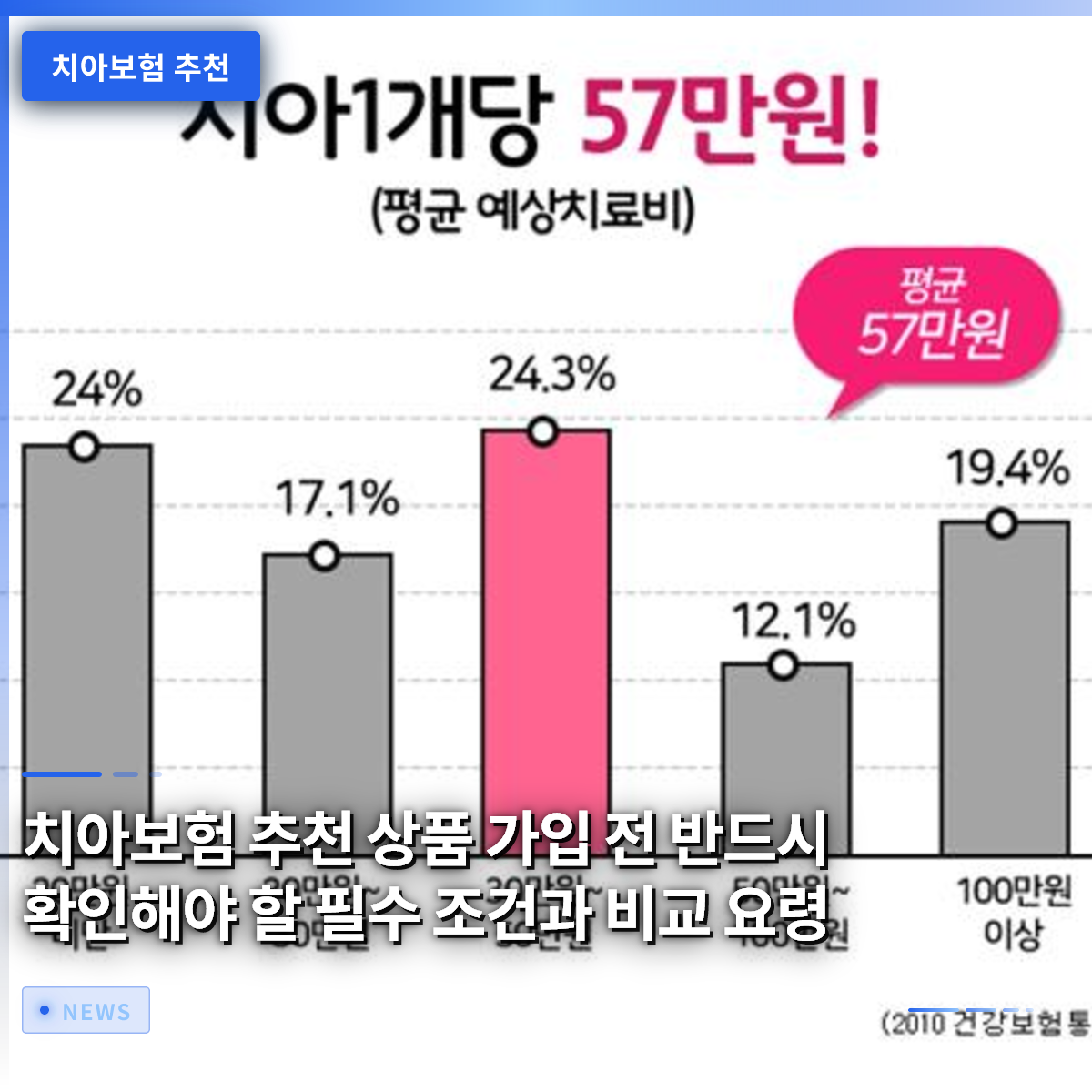
1. Subtitle
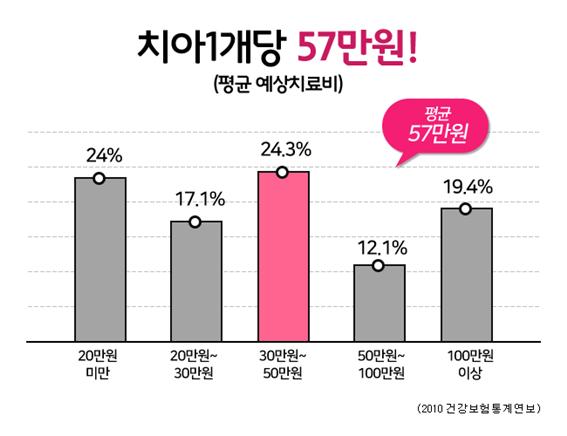
There are conditions you should check before looking at the premium when reading about recommended dental insurance plans. A common mistake people make is ranking the product with the lowest monthly cost as their top choice. However, what is important is examining the coverage limitations or co-payment ratios hidden behind the low price. Some products have very low premiums, but the payout for major treatments like implants or crowns is often insufficient. Therefore, you must first carefully review the detailed terms to ensure that the treatments you anticipate are properly covered. Relying solely on rankings in promotional articles is not enough; setting your own criteria is the shortcut to reducing failure.
When comparing dental insurance, you must clearly distinguish whether the plan is for adults or for children/infants. Since the age prerequisite changes the available coverage and terms significantly, there is a high risk of choosing the wrong product. For example, if you are looking for a plan for your parents, you should choose a plan that emphasizes essential senior treatments such as gum health, dentures, and implants to be effective. Conversely, for younger people, a cost-effective structure focused on preventive care for cavities, crowns, and inlays may be much more advantageous. Understanding the customized structure that matches the age of the applicant leads to a wise choice that prevents future regret.
Instead of simply chasing low premiums, you should first verify that the age of the applicant and the required coverage items for dental insurance match exactly.
2. Subtitle
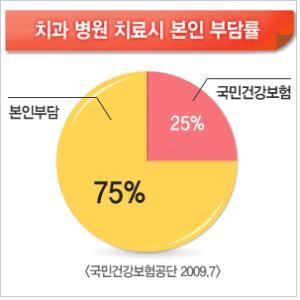
It is crucial to remember that most dental insurance products do not cover all treatment costs immediately upon enrollment. There is a waiting period during which coverage does not start at all for a certain period after the enrollment date, followed by a reduction period where only a portion of the coverage amount is paid. Many people are caught off guard when they go to the dentist for treatment without knowing about these periods and receive no insurance payout at all. Typically, full coverage for conservative treatment is only available after a certain period post-enrollment, and prosthetic treatment is often paid at a reduced rate for several years, so it is wise to prepare in advance. If you have already been recommended treatment for cavities or gum disease at a dental clinic, your application may be rejected or excluded from coverage, so special caution is required.
Since dental health naturally deteriorates over time, the attitude of preparing in advance before problems arise is paramount. You have probably experienced a situation where your parents suddenly suffered from tooth pain or digestive issues while eating during a weekend or holiday. Having a pre-arranged coverage plan can significantly reduce the financial burden in such emergencies or when major treatment is needed. Therefore, even if you don’t need to visit the dentist right now, it is much more beneficial in the long run to enroll in advance with a view to the next few years. Please exercise the wisdom of accurately understanding the stages of waiting and reduction periods and coordinating them with your treatment plans and timing.
Since there are waiting and reduction periods with limited coverage immediately after enrollment, you should enroll with plenty of lead time before dental treatment becomes necessary.
3. Subtitle
Accurately understanding the difference between diagnostic and non-diagnostic dental insurance structures is also one of the key secrets to choosing a good product. Non-diagnostic plans have the advantage that anyone can easily enroll by simply going through a simple health questionnaire, without requiring a difficult dental examination or document submission. However, non-diagnostic plans often have a reduction system where the coverage amount is reduced for a certain period after enrollment, limiting their usefulness for immediate urgent treatments. On the other hand, diagnostic plans require a dental specialist’s examination before enrollment to prove good health, but they are characterized by providing 100% coverage immediately without a reduction period. If you have maintained rigorous oral hygiene and do not visit the dentist frequently, you can enjoy greater benefits through a diagnostic structure.
The pros and cons of which type of product to choose vary completely depending on your oral health status, so you should not enroll impulsively based solely on others’ opinions. If you have many cavities or have already had several fillings, choosing a non-diagnostic plan to lower the barrier to entry can be a realistic alternative. However, if your teeth are still healthy and your goal is to prepare for major future treatments, considering the diagnostic structure is much more advantageous. When receiving an insurance proposal, carefully compare which type you fall under and steer in the direction that is most favorable to you. It is also wise to honestly discuss your oral health status with a professional during a consultation and receive a proposal for the optimal plan suited to your condition.
You should carefully evaluate and choose which structure, non-diagnostic or diagnostic, is more advantageous based on your oral health status and frequency of dental visits.
4. Subtitle
Accurately grasping the coverage scope of conservative and prosthetic treatments is the shortcut to avoiding unnecessary misunderstandings when claiming insurance money later. Conservative treatment refers to treatments that preserve the tooth as much as possible without extraction, such as fillings with resin, inlays, onlays, or crowns. In contrast, prosthetic treatment refers to the process of placing artificial teeth such as implants, dentures, or bridges in the space left by an extracted tooth due to absence or severe damage. Since implants can cost several million won, you must prioritize checking whether the coverage limit for prosthetic treatment is set generously. It is advisable to review your past dental treatment history to see which treatments you frequently receive and focus your investment on the necessary items.
Sometimes, products limit the number of crown treatments or only cover specific materials, so the effort to read the terms to the end is necessary. For example, aesthetic materials like gold or ceramic may be excluded from coverage or only partially supported, so caution is needed. Additionally, in the lower jaw, common issues arise where regular dentures frequently come loose or cause extreme gum pain due to tongue movement. In such cases, you should design a plan that combines state-supported insurance benefits with private products, tailored to the number of your parents’ remaining teeth and the condition of their periodontal bone. The meticulousness of checking every detailed coverage item without missing a thing becomes the most powerful weapon to protect your wallet.
You must verify the coverage limits and frequency restrictions for conservative treatments (fillings) and prosthetic treatments (implants) through the policy terms.
5. Subtitle
Parents with young children need to carefully compare children’s dental insurance products with general adult plans. Children around the age of 7 are in a critical period where permanent teeth are coming in and jaw bones are growing, so it is good to let them chew hard foods like jerky or squid. Properly managing aligned teeth and jaw growth during this period can significantly save on orthodontic costs that can reach several million won later. In areas with high educational enthusiasm like Daechi-dong, many parents already include growth plate examinations and dental orthodontics as essential courses. Children’s products may include special clauses related to orthodontics during the growth period, in addition to cavity prevention and primary tooth management, so it is good to check in advance.
Children’s teeth develop cavities much faster than adults’ and have weaker chewing force, leading to frequent dental treatments, so practical preparation is essential. If cavities occur in primary teeth, they can negatively affect the permanent teeth that emerge later, so it is wise to receive the help of a coverage product along with regular checkups from an early age. Designing benefits in advance to prepare for potential malocclusion or misaligned teeth as the child grows can be a great help to the household economy. You should cultivate the habit of carefully cross-referencing the coverage content in the application form to ensure it matches the child’s age and growth stage. Never forget that a parent’s small attention and wise preparation determine the child’s lifelong oral health.
Children’s dental insurance should be carefully compared, considering benefits for cavity prevention and orthodontics tailored to the characteristics of growing children.
6. Subtitle
Dental insurance is not something that ends with enrollment; it should be utilized as a reliable partner protecting your oral health for a lifetime. As medical technology advances and new treatment methods continue to emerge, coverage scopes and product structures will constantly change. Therefore, rather than paying attention only at the time of enrollment and then neglecting it, you need the attitude of regularly checking your coverage content and verifying if there are any deficiencies. Try to exercise the wisdom of communicating with a trustworthy expert who will serve as your dedicated consultant and flexibly responding to changes in your dental condition. It may feel cumbersome right now, but the time spent carefully comparing and preparing will save you from a massive medical bill bomb in the future.
In conclusion, the most important thing when choosing a recommended dental insurance product is not to be misled by others’ opinions or flashy advertising copy. You must establish your own criteria by comprehensively considering your age, oral health status, financial conditions, and anticipated future treatment plans. Please definitely remember the importance of waiting and reduction periods, the differences between conservative and prosthetic treatments, and the tips for customized design by target group. How about taking out the terms of the product you are currently enrolled in and carefully checking if you are receiving the proper benefits? Wise comparison and thorough preparation are the most certain way to maintain healthy teeth and enjoy delicious food freely until old age.
Dental insurance requires regular checks even after enrollment and should be maintained wisely based on your own clear criteria.
Frequently Asked Questions
=