The cost of setting up the ancestral rites table for this year’s Chuseok has decreased by an average of 1.5% compared to last year, coming in at 196,630 KRW, which alleviates the financial burden on household shopping. A survey conducted by the Korea Agro-Fisheries & Food Trade Corporation (aT) across traditional markets and large retail chains nationwide clearly confirmed this downward trend in prices. With the holiday break approaching, the government has taken the initiative to directly inspect the supply and demand status of major peak-season goods and the on-site response to discount campaigns. The Vice Minister of Agriculture, Food and Rural Affairs personally visited traditional markets to listen to the voices of vendors and identify practical areas for improvement. In this article, we will take a detailed look at the specific trends in the cost of the ancestral rites table and how the government’s measures are being applied in the field. We hope readers will find this information useful when planning their holiday shopping.
=
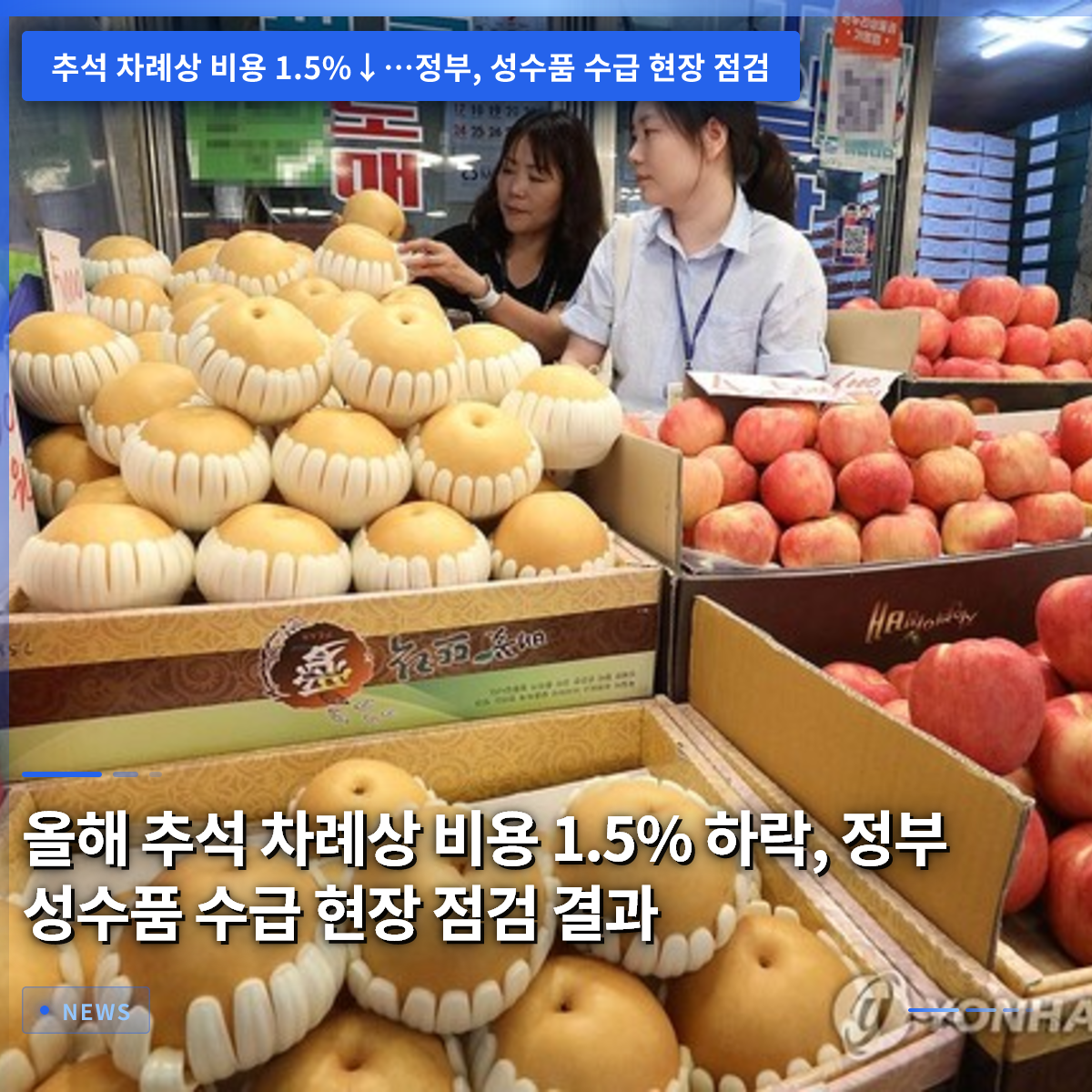
Chuseok Ancestral Rites Table Costs Down 1.5% This Year: Results of Government’s On-Site Inspection of Peak-Season Goods Supply
1. Background of the 1.5% Drop in Ancestral Rites Table Costs
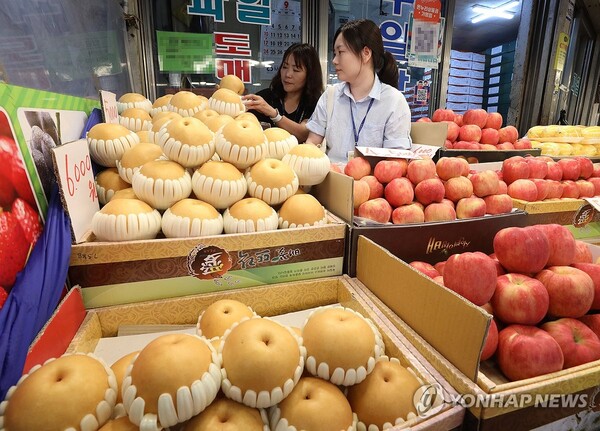
Shopping prices ahead of this year’s Chuseok have shown a slight downward trend compared to last year, offering some relief to ordinary citizens. According to statistics released by the Korea Agro-Fisheries & Food Trade Corporation (aT), price surveys were conducted at 17 traditional markets and 36 large retail chains nationwide. As a result, the average cost of the ancestral rites table was recorded at 196,630 KRW, a 1.5% decrease from the same period last year. This price stability is the result of various discount supports led by the government, combined with promotional events by Nonghyup and retail companies themselves. In particular, the generally good harvest of fresh fruits such as apples and pears played a significant role in stabilizing fruit prices. Vegetable and livestock products also avoided sharp price surges thanks to the government’s policies on releasing reserve stocks and expanding supply. While residents may still feel that shopping basket prices are high, the overall indicators have clearly moved in a positive direction. This is very welcome news for housewives preparing for the holidays and is a great help in budgeting. Retail industry officials also made multifaceted efforts to reduce consumer burdens, such as issuing their own discount coupons. The government is not stopping there; it is monitoring price trends daily right up until the holiday to prepare for any potential volatility. We hope that this small but meaningful price drop will lead to a substantive alleviation of household economic burdens. Long-term measures to prevent excessive price increases that recur every holiday must continue to be implemented.
The average cost of the Chuseok ancestral rites table this year was 196,630 KRW, a 1.5% decrease from last year.
2. Government’s Discount Support Measures for Agricultural and Livestock Products
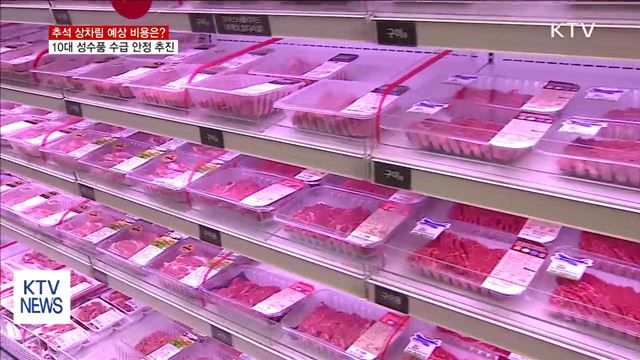
To control holiday prices, the government has been extensively launching comprehensive discount support programs for agricultural and livestock products since the beginning of this month. Discounts of up to 40% have been applied to all domestic agricultural and livestock products at large marts, small and medium-sized retail stores, and online shopping malls. Thanks to government support, the perceived prices have dropped noticeably when consumers visit stores in person or order online. These substantial discounts make it easy for consumers to add items like meat and fruits to their shopping carts, which they might have hesitated to buy due to usual price concerns. The Ministry of Agriculture, Food and Rural Affairs is carefully managing the budget to ensure that consumers actually benefit. Retail companies have also actively participated in the government’s policy by reducing their own margins or offering additional points. This discount campaign, covering both online and offline channels, has had a positive impact on both merchants facing the holiday rush and consumers. Support was particularly concentrated on items with high demand for holiday offerings, such as Hanwoo beef, apples, pears, chestnuts, and jujubes. To ensure consumers can feel the discount benefits, a system was introduced where the discount amount is immediately displayed on the receipt. Thanks to this intuitive system, even the elderly can easily purchase goods at lower prices without complex procedures. To enhance the effectiveness of the discount campaigns, the government regularly checks the application status of discounts at each store and accepts on-site complaints. It is expected that this support will continue without interruption during the remaining holiday period, effectively reducing the economic burden on the public.
Discounts of up to 40% were supported for all domestic agricultural and livestock products to alleviate household burdens.
3. Traditional Market Onnuri Gift Certificate Refund Campaign
The Onnuri Gift Certificate refund campaign, aimed at revitalizing traditional markets and directly returning shopping costs to consumers, has received a warm response. This campaign, conducted at over 300 traditional markets nationwide, refunded up to 30% of the purchase amount for domestic agricultural and livestock products. After shopping at the market, customers could visit the refund booth with their receipt and ID to receive gift certificates of up to 20,000 KRW per person. Traditional market vendors expressed relief, noting that the campaign served as a highly effective tool for attracting customers. Young consumers who had been turning to large marts also visited traditional markets for the first time in a while thanks to the refund benefits, adding vitality to the atmosphere. Merchants’ associations and volunteers worked hard to guide customers and maintain order at the refund booths to ensure the smooth progress of the event. Government officials visited traditional markets even after the refund campaign ended to directly listen to on-site voices and inspect every corner. Kim Jong-gu, Vice Minister of Agriculture, Food and Rural Affairs, visited Hwaji Central Market in Nonsan, Chungnam, and listened to vendors’ concerns about inconveniences in the refund process. Vendors conveyed opinions such as the inconvenience caused by long waiting lines and requests to improve the speed of the refund system. Based on this fresh feedback from the field, the government promised to build a smoother refund process for the next holiday. The charm of traditional markets, characterized by friendly service and low prices, combined with the government’s refund benefits, made the holiday atmosphere even more lively. Such tailored support must continue to be provided so that traditional markets can maintain their self-sufficiency and grow sustainably in the future.
Up to 30% of the purchase amount for domestic agricultural and livestock products was refunded in Onnuri Gift Certificates at over 300 traditional markets nationwide.
4. On-Site Visits and Live Voices from Vendors
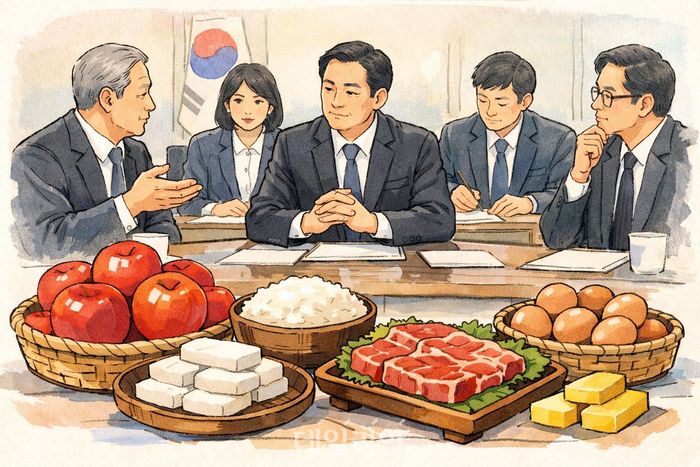
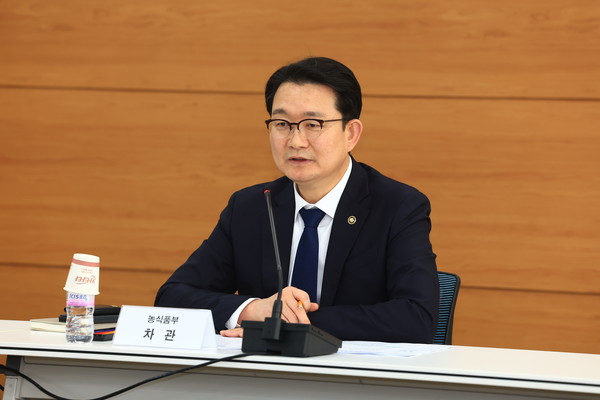
High-ranking government officials are directly visiting traditional markets nationwide to work with vendors and seek practical alternatives. The Vice Minister of Agriculture, Food and Rural Affairs personally visited Hwaji Central Market in Nonsan, Chungnam, to carefully inspect the prices of major agricultural and livestock products. Sitting face-to-face with vendors, they had candid conversations about this year’s business conditions and difficulties in supply. Vendors revealed that while prices are generally stable, they are deeply concerned about rising labor costs and prices of auxiliary materials. In response, the government side promised to improve the inefficiencies of the distribution structure based on the valuable opinions gathered on-site. They showed their will to continue reflecting the voices of traditional markets in policy even after the holiday, not limiting their efforts to one-time visits. Citizens who visited the market also showed great trust in the government’s direct presence to check prices and encourage vendors. One housewife shopping said that thanks to the government’s price control and inspections, she felt somewhat less worried about price shocks. Vendors also responded positively, saying they felt energized seeing the government acknowledge their hardships and take direct action. The on-site inspection served faithfully as a bridge for communication between producers and consumers, going beyond simply checking price tags. The government emphasized that it will prioritize field-centered policy execution to ensure that price stability does not end as a one-time event. These efforts will lay the foundation for strengthening the economy of ordinary citizens and allowing all citizens to enjoy a bountiful holiday.
High-ranking government officials directly visited traditional markets to listen to vendors’ difficulties and improvement suggestions.
5. Supply Management of Peak-Season Goods and Daily Inspection System
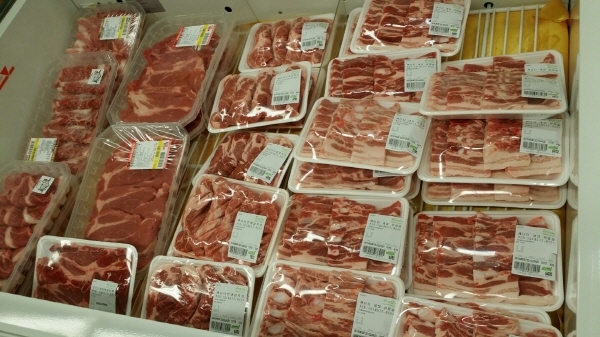
The government is managing the supply of major peak-season goods by significantly increasing the volume compared to usual levels until the Chuseok holiday is completely over. In addition to core holiday offerings like cabbage, radish, apples, and pears, they monitor the prices and supply status of meat and wild greens daily. For items with the potential for sharp price increases due to possible bad weather or distribution disruptions, government reserve stocks are released in a timely manner. Close cooperation with producer organizations such as Nonghyup has established a thorough defense line to prevent supply shortages. The government also maintains emergency communication networks with the retail industry to exchange real-time information on whether on-site stock is sufficient. Thanks to this all-out effort, price gouging and scarcity phenomena that typically appear during holiday rushes have noticeably decreased. Consumer groups highly praised the cooperation between the government and retail companies in transparently disclosing price information this holiday. Being able to check market prices online before visiting marts or markets greatly reduced on-site confusion. The government is significantly expanding the number of items surveyed for prices before and after the holiday to scrutinize the market situation more closely. They demonstrated agility by guiding alternative items or quickly deploying additional support measures for items with unstable supply. This proved that creating an environment where citizens can shop with peace of mind is the most certain way to stabilize prices. Going forward, the government plans to operate a regular inspection system during holiday peak periods to stably protect the shopping basket prices of ordinary citizens.
The government strictly inspects and manages the supply and price status of major peak-season goods daily until the Chuseok holiday ends.
6. Future Price Outlook and Requests for a Successful Holiday
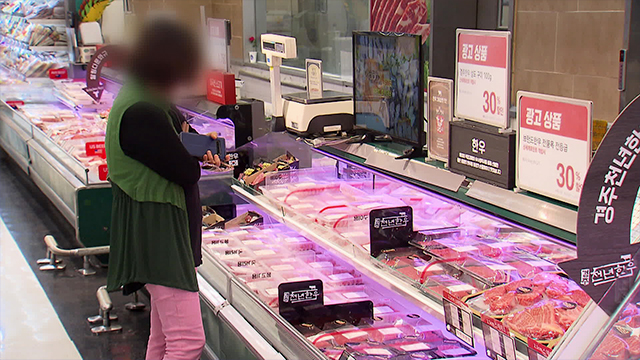
With shopping basket prices finding stability starting from this Chuseok, a green light has been turned on for the overall price outlook for the upcoming autumn season. Since the government’s proactive discount support and meticulous supply management have yielded practical results, this will serve as a model for future policies. However, continuous follow-up measures and monitoring must be supported to prevent sharp fluctuations in agricultural and livestock product prices even after the holiday. Continuous cooperation between the public and private sectors is essential to create a healthy distribution ecosystem that satisfies both consumers and vendors. Readers, please take full advantage of the various discount benefits supported by the government during the remaining holiday period to complete your thrifty shopping. We sincerely hope that preparing holiday food to share with family will be a time filled with laughter, free from economic burdens. Going forward, the government will prioritize price stability and continue to implement effective policies that reflect the voices from the field. We, as consumers, should also actively utilize traditional markets and local commercial districts to inject vitality into the local economy. We hope that the positive price decline seen this Chuseok will not be a one-off issue but lead to long-term price stability. Please drive safely on your way home for the holiday and spend a bountiful and warm time with your loved ones. If the government and the people work together, we can wisely overcome any economic difficulties. We conclude this news about shopping by wishing everyone a happy and generous Chuseok.
A successful holiday is achieved through the combination of the government’s continuous price management and consumers’ wise spending.
Frequently Asked Questions
=