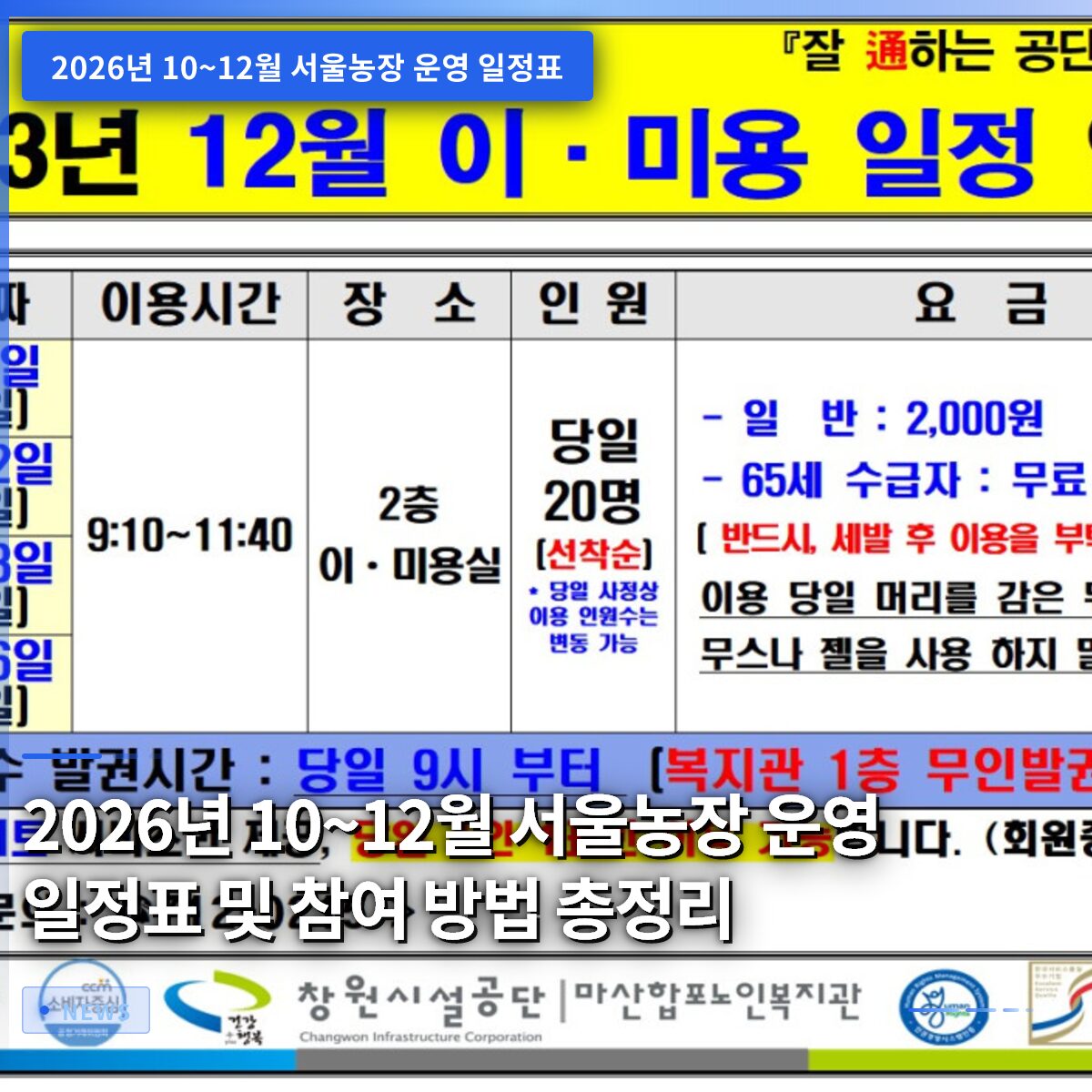
The Seoul Farm schedule for October through December 2026 offers a prime opportunity for modern urbanites weary of city life to find healing and leisure in the countryside. From the peak of the autumn harvest in October, through the month of kimchi-making culture in November, to enjoying the winter rural landscape in December, unique programs are prepared for each month. Last year, Mr. Kim, who lives in Anseong, Gyeonggi Province, shared that Seoul Farm provided a valuable educational experience for his children, allowing the family to dig sweet potatoes and experience kimchi-making together every weekend. As such, Seoul Farm programs have established themselves not just as simple farming experiences, but as a warm space for learning the value of our agricultural products and interacting with the local community. In this article, we will carefully review the events and experiences awaiting you at Seoul Farms across the country during the upcoming fourth quarter. If you wish to step away from your busy daily routine, feel the earth under your feet, and enjoy the joy of harvesting healthy food yourself, do not miss this schedule.
=
Complete Guide to Seoul Farm Operations Schedule and Participation Methods for October–December 2026
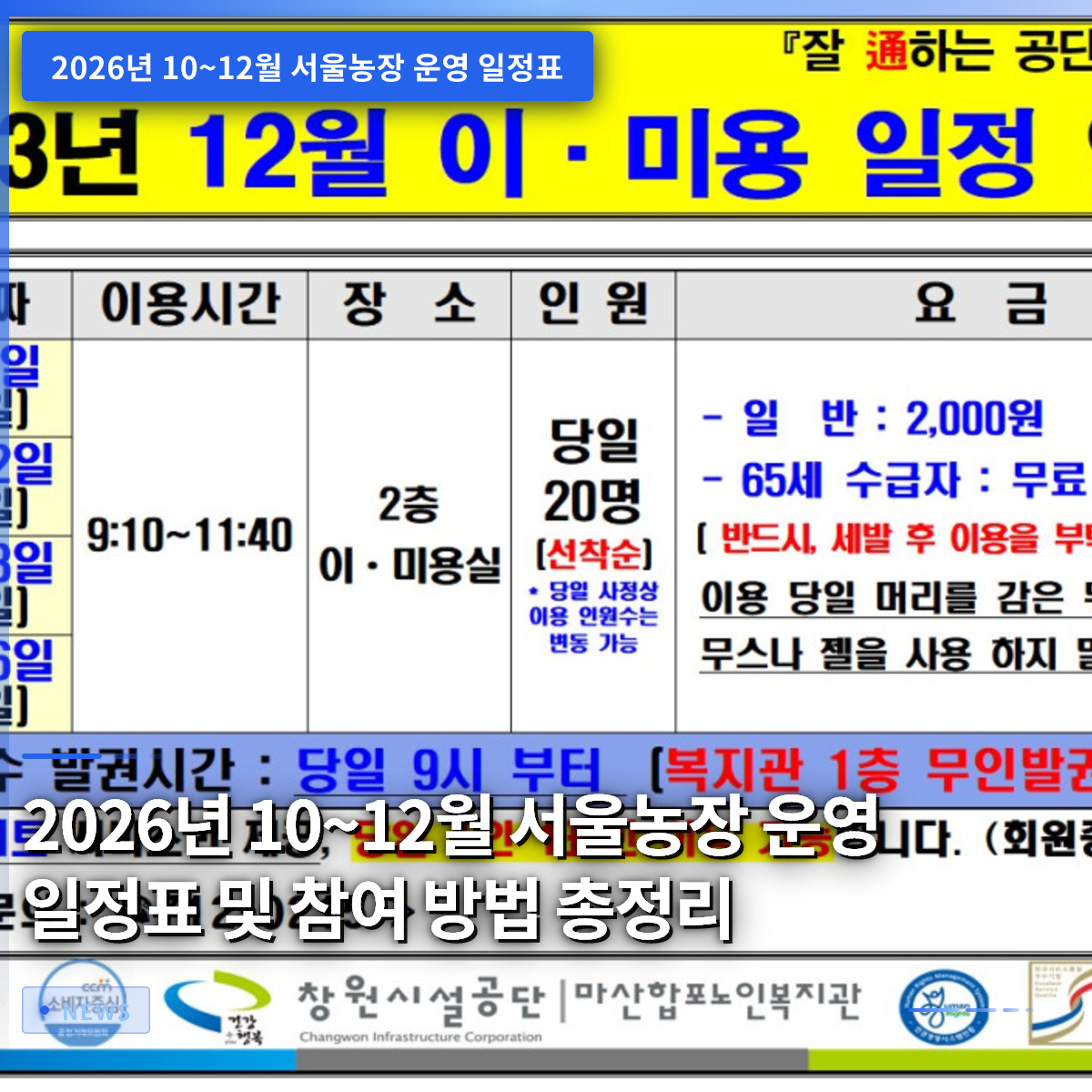
1. Overview of Seoul Farm Operations in Q4 2026
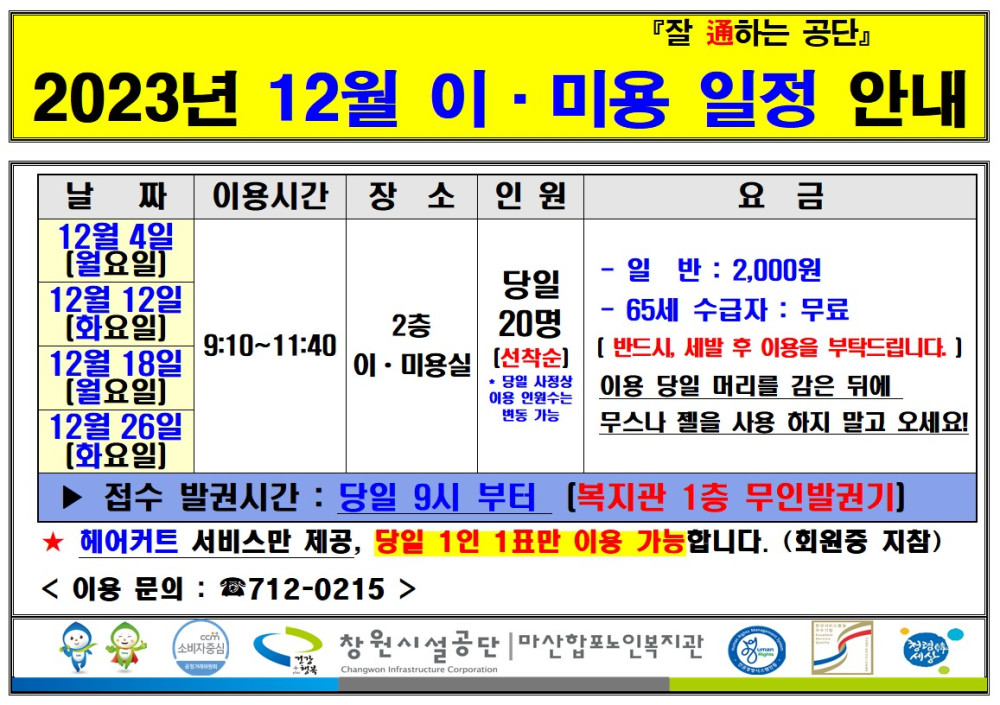
The Seoul Farm operation plan for October through December, marking the end of the second half of 2026, has been composed to be more abundant and diverse through cooperation with excellent local governments nationwide. The Seoul Metropolitan Government establishes and operates Seoul Farms at major hubs across the country, including Gangwon, Chungcheong, Jeolla, and Gyeongsang provinces, to promote mutual growth between urban and rural areas and to help prepare for returning to farming or rural life every year. This quarter’s schedule includes not only farming experiences that share the joy of the autumn harvest but also processes for making regional specialty foods using local products. In particular, to accommodate working professionals who find it difficult to make time during the week, the schedule has been significantly expanded to focus on weekends, aiming to increase participation rates. Mr. Lee, who participated in the previous quarter, shared that spending weekends at the farm making kimchi and mingling with local residents was the biggest source of vitality for him this year. As such, Seoul Farm plays a vital role as a sturdy bridge connecting the city and the countryside, going beyond just a space for growing crops.
Held on the threshold of autumn and winter, this program will be the best choice for feeling the change of seasons in your body and recharging in nature. Participants can directly receive farming tips from professional farmers in each region and gain practical information on returning to farming or rural life.
Seoul Farm from October to December 2026 offers diverse rural experience programs tailored to seasonal characteristics, such as harvesting and kimchi-making.
2. October Autumn Harvest and Rural Experience Schedule

October, living up to its name as the season of fruition, is a period when various harvesting experiences are intensively held at Seoul Farms across the country. You can feel the abundance of nature with all your senses by directly harvesting crops such as sweet potatoes, peanuts, apples, and pears that have been carefully cultivated throughout the year. Mr. Park, who lives in Seoul, revealed that he made unforgettable memories last October by visiting the farm with his family and cooking with the sweet potatoes they dug up themselves. This October’s schedule includes not only crop harvesting but also walking events set against the backdrop of the autumn rural landscape and programs linked with regional festivals. For children, it becomes a valuable site of ecological education where they can see with their own eyes the process of agricultural products growing, which they have only seen in books, and harvest them with their own hands.
This October program, where you can feel the generous hospitality of the countryside and learn about the hardships of farmers, operates on a pre-reservation basis, so you should apply promptly. It will be the optimal schedule for family visitors who want to take a short trip using their weekends to fully enjoy the atmosphere of autumn.
Seoul Farm in October is filled with programs to learn about nature by directly harvesting autumn fruits such as sweet potatoes and other fruits.
3. November Kimchi-Making and Autumn Farm Labor Support
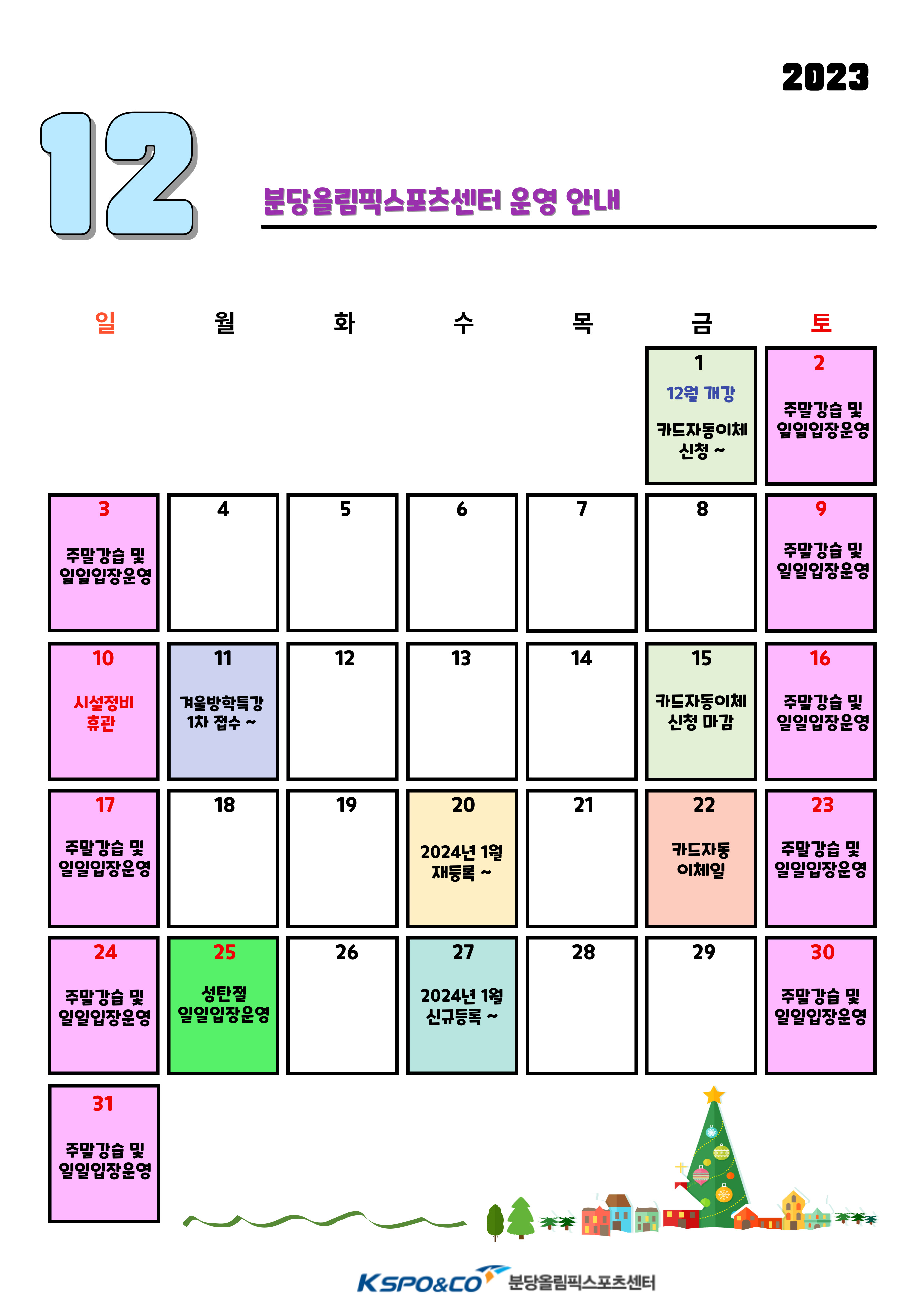
The most notable core program in the November Seoul Farm schedule is undoubtedly the kimchi-making experience and final autumn farm work. You can experience traditional food culture by making kimchi using napa cabbage, radishes, and red pepper powder grown directly at local farms, one of the major events of our nation. Mr. Choi, who lives in Gwangmyeong, Gyeonggi Province, said that making and bringing home fresh and delicious kimchi that cannot be compared to store-bought kimchi made him feel like a rich man for this winter. In addition to the kimchi experience, there are also beneficial times to participate in basic sowing work to prepare for next year’s farming, such as planting garlic and onions.
Volunteer activities to help with farm labor, which address the labor shortage in rural society and share warm affection with farms, also play a significant role in the November schedule. Donation events where the carefully made kimchi is shared with marginalized neighbors in the community will also be held, making it a meaningful time that adds to the significance of sharing.
In November, you can make kimchi with fresh domestic agricultural products, experience sowing to prepare for next year’s farming, and participate in sharing activities for neighbors.
4. December Winter Rural Scenery and Traditional Culture Experience
As December approaches, Seoul Farm turns its attention to indoor and outdoor traditional culture experiences filled with warmth even in the cold winter wind. Although it is a season when it is easy to feel cold and huddle up, you can learn traditional rural ways of surviving the winter and enjoy unique events such as making meju (soybean paste blocks) and straw crafts. Mr. Jeong, who lives in Seoul, highly praised the experience of lighting a fire in a large cauldron and making meju using traditional methods at the farm in the middle of winter, saying it allowed him to sink into childhood memories. Programs during this period are perfect for stepping away from the busy urban daily life, enjoying the quiet winter scenery of the countryside, and finding peace of mind.
Various craft activities utilizing the winter farming off-season and experiences making healthy winter snacks using local agricultural products are also very popular with family visitors. The Seoul Farm schedule for December contains a time of healing where you can calmly conclude the year and prepare for the new year in good health.
Seoul Farm in December operates with programs that allow you to experience traditional winter rural culture, such as making meju, and enjoy quiet rest.
5. How to Participate in Seoul Farm and Application Procedures
To participate in Seoul Farm programs, you must apply in advance through the Seoul Metropolitan Government’s public service reservation system or the official website. Since applications are accepted on a first-come, first-served or lottery basis on designated dates each month, meticulous preparation is required to check the schedule in advance and wait. Mr. Han, who lives in Gangnam-gu, tipped that he was able to successfully apply by pressing the apply button immediately at the opening time to ensure he didn’t miss his desired date. Participation fees vary depending on the type of program and whether accommodation is included, and most material and experience fees are provided at reasonable levels.
As it is operated in cooperation with local governments, it is run as an open space where not only Seoul citizens but also residents of nearby areas can show interest and participate. If you have any questions during the application process, you can receive helpful guidance by contacting the operating office of each farm or the relevant department of the Seoul Metropolitan Government.
Seoul Farm programs are applied for in advance through an online reservation system, allowing anyone to easily participate at a reasonable cost.
6. Preparations and Precautions for a Successful Rural Experience

When visiting Seoul Farm, it is most important to prepare comfortable clothing suitable for farm work and simple attire that you don’t mind getting dirty. Since there is a lot of time spent outdoors touching soil and working in the fields, it is essential to bring non-slip sneakers or rubber boots. Mr. Kang, who lives in Songpa-gu, advised that after getting stuck in mud wearing pretty shoes on his first visit, he always brings work rubber boots and spare clothes from now on. Additionally, bringing warm outerwear, hats, and gloves to prepare for weather changes during the transitional season will greatly help maintain body temperature during outdoor activities.
Bringing a personal tumbler or cutlery when tasting the eco-friendly food provided at the farm is a great practice for reducing waste and protecting the environment. When thorough preparation and small considerations are added, a day at Seoul Farm will remain as the warmest and happiest memory you will never forget.
When visiting Seoul Farm, it is recommended to prepare comfortable work clothes and spare clothes, and to bring personal containers to practice environmental protection.
Frequently Asked Questions
=