The document disclosing the institutional operation audit results for the Seoul Water Recycling Facilities Corporation is a crucial administrative record that transparently verifies whether public resources are being used correctly. To prevent mismanagement in public institutions and enhance public trust, various audits are conducted annually, and their results are disclosed in detail. In this article, we will carefully examine the key contents and implications of the audit results published on the Seoul Metropolitan Government’s administrative website. By looking behind the scenes of public institution operations, which we often overlook, we can clearly understand how tax money is spent. In particular, this serves as an opportunity to check whether water quality management and environmental improvement projects, which local residents experience in their daily lives, are progressing in the right direction. From here, we will delve into the issues faced by the Seoul Water Recycling Facilities Corporation regarding the audit results and the path forward, one by one.
=
Disclosure of the Institutional Operation Audit Results for the Seoul Water Recycling Facilities Corporation and Measures to Ensure Transparency
1. Understanding the Role of the Seoul Water Recycling Facilities Corporation and the Audit System

The Seoul Water Recycling Facilities Corporation is one of the core public enterprises established to protect the clean water environment of Seoul. It bears the heavy responsibility of safely managing massive facilities to ensure the smooth purification of tap water used in households and domestic wastewater. The regular institutional operation audit system is the mechanism that monitors and encourages such public institutions to fulfill their roles. During the audit process, the entire operational system is scrutinized in detail, covering not only the appropriateness of budget execution but also personnel management and facility maintenance. If any regulatory violations or inefficient budget waste are found in specific tasks, immediate corrective actions are ordered. Thus, audits serve a positive role in helping institutions progress in a more developed direction, going beyond simply pointing out mistakes.
The institutional operation audit is an essential system that enhances transparency by reviewing the budget execution and overall operations of public institutions.
2. Key Issues in the Disclosure of This Audit Results
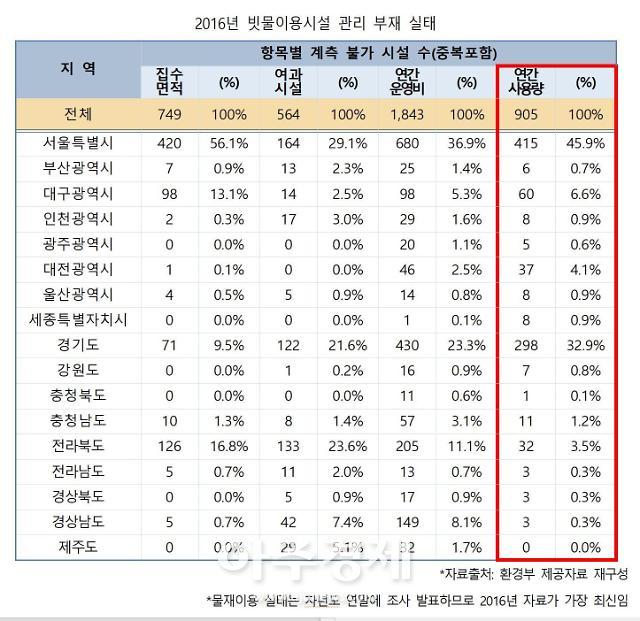
The recently disclosed audit results document contains a rigorous evaluation of the various tasks performed by the Seoul Water Recycling Facilities Corporation over the past year. It was analyzed from multiple angles, ranging from minor administrative errors in budget planning and execution to the appropriateness of contracts for large-scale facility construction. Notably, given that the corporation is operated with citizens’ tax money, the process of thoroughly verifying whether unnecessary costs were incurred stood out. In some departments, delays in processing tasks or procedural deficiencies caused by a lack of proper understanding of internal regulations were pointed out. However, these pointed-out issues serve as valuable groundwork for the corporation to recognize and correct its own problems. Through the transparently disclosed document, citizens can now directly see which areas require improvement.
The appropriateness of budget execution and the transparency of the contracting process were the core issues given the most weight in this audit result.
3. The Value of Administrative Transparency That Citizens Should Note
The reason why audit results of public institutions are disclosed in such detail on websites is to guarantee the citizens’ right to know. In the past, there were many voices expressing dissatisfaction with the lack of transparency because internal affairs of administrative agencies were rarely revealed externally. However, with the recent significant activation of information disclosure systems, an environment has been created where anyone can easily grasp the operational status of the corporation. This change acts as a strong motivation for public institution employees to approach their work with greater responsibility. In fact, thanks to the transparent disclosure of audit results, a culture has taken root where staff strictly adhere to laws and regulations during task processing. The sharp scrutiny of citizens is ultimately the most effective solution to prevent corruption in public institutions and improve administrative quality.
Transparent information disclosure is a core element in gaining citizens’ trust and realizing responsible administration in public institutions.
4. Improvement and Corrective Measures for Audit Findings
If problems are found during an audit, prompt and accurate follow-up actions must follow to complete the audit in its true sense. The Seoul Water Recycling Facilities Corporation also formulated and implemented specific improvement plans for the pointed-out issues based on this audit result. For example, departments that omitted procedures during the maintenance of water recycling facilities were subjected to recurrence prevention training. Additionally, to enhance the transparency of budget execution, internal approval stages were strengthened, and the monitoring system was refined to be even more rigorous. It is most important that these corrective measures do not remain as one-off showpieces but are fully rooted in the field. The corporation has stated its intention to conduct regular self-inspections to ensure that the improvement effects are sustained.
Thorough follow-up actions and the establishment of recurrence prevention measures for pointed-out issues determine the restoration of trust in the corporation.
5. Positive Impact on Regional Environment and Water Quality Management

This institutional operation audit has a significant impact on actual environmental management, going beyond merely checking administrative procedures on paper. This is because water recycling facilities must operate without interruption for Seoul citizens to enjoy a clean water environment with peace of mind. As administrative transparency and efficiency increase, the safety of facility management also improves, which directly leads to an improvement in citizens’ quality of life. If environmental safety standards or purification efficiency issues, which are prone to being neglected during the audit process, are not corrected, they could lead to major damage. Fortunately, this audit provided an opportunity to identify and rectify potential risk factors in advance. If thorough management continues, Seoul’s water quality environment will be maintained more safely and comfortably.
Transparent institutional operation and thorough audits are a solid shield protecting Seoul’s comfortable water quality environment and citizen safety.
6. Future Challenges and the Future of Public Institution Operation
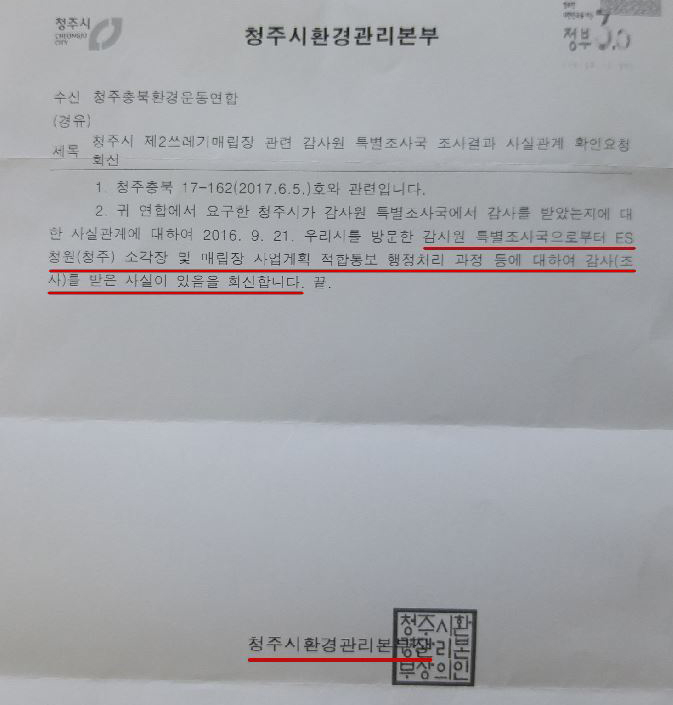
There is a strong voice that the Seoul Water Recycling Facilities Corporation should use this audit result as an opportunity for true transformation. Rather than being in a rush to avoid criticism, an active attitude is needed to find and innovate on its own problems. In the future, public institutions must provide high-quality administrative services that meet citizens’ expectations amidst increasingly complex environmental changes. To this end, all employees should approach their daily work with a mindset of integrity, prioritizing operational transparency above all else. We also ask our readers to continue paying attention to whether public institutions in our neighborhoods are being operated correctly. Only when citizens’ sharp criticism and warm encouragement come together can transparent and trusted public administration be completed.
The future of public institutions becomes brighter when continuous self-innovation is combined with citizens’ sustained interest.
Frequently Asked Questions
=