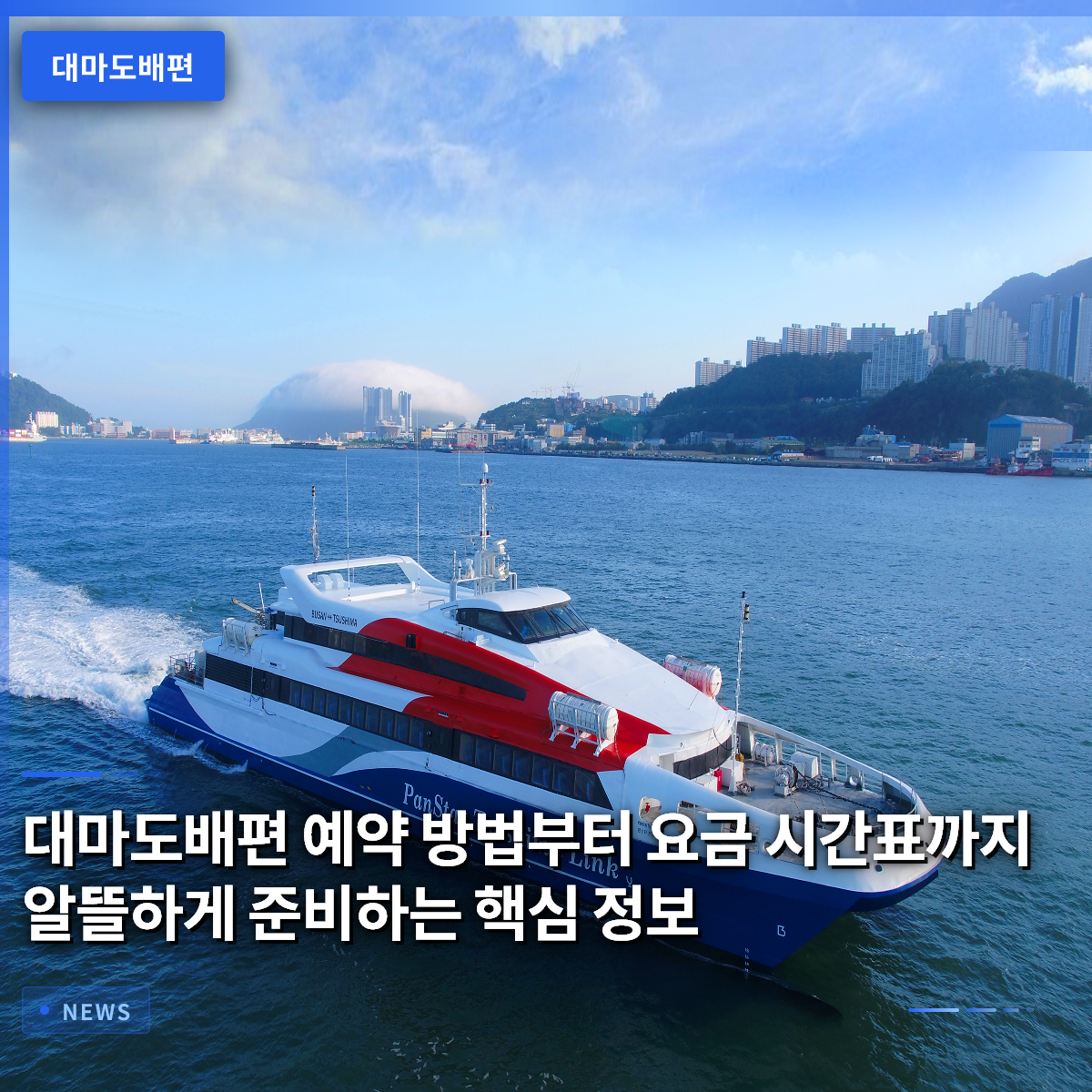
Taking a ferry from Busan Port to Tsushima allows you to enjoy the thrill of an overseas trip in just two hours. It has become a hugely popular weekend getaway destination because you can save on airfare and airport transfer costs while still enjoying exotic scenery. I still remember the time I impulsively coordinated a vacation with a working friend last month; it turned out to be much simpler to visit than I had expected. Recently, real-time booking portals have launched a wide variety of reasonably priced ticket options, broadening the range of choices available. In this article, we will go into detail about how to choose the right ferry and tips for saving money. Even first-time ferry travelers can comfortably visit Tsushima Island without complicated preparations if they familiarize themselves with this content.
=
Essential Guide to Booking Tsushima Ferry: Methods, Fares, and Schedules for a Budget-Friendly Trip
1. Types and Features of Ferries Departing from Busan Port
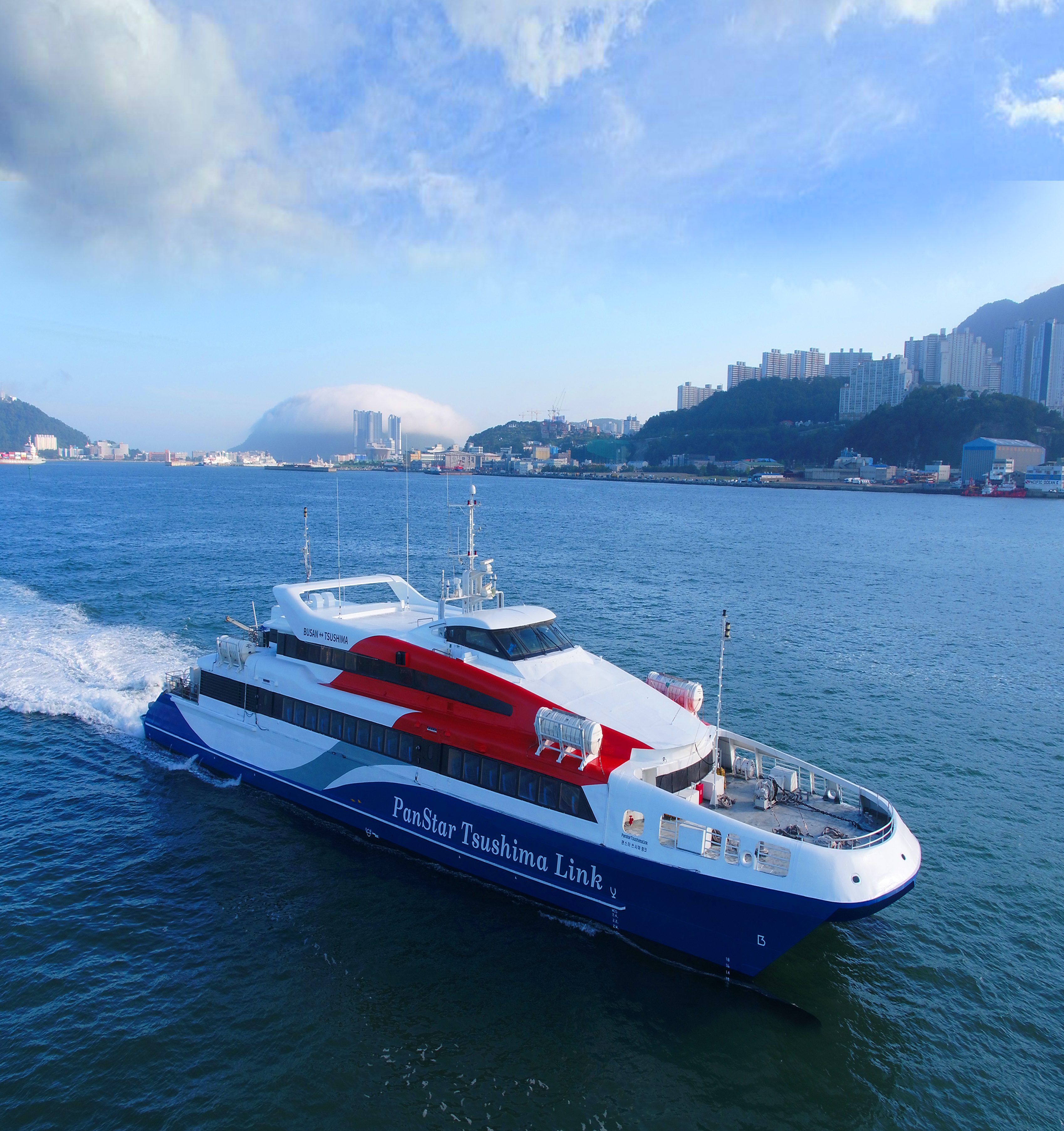
Several types of vessels operate from the Busan Port International Passenger Terminal to Tsushima, allowing travelers to choose based on their preferences. Notable options include high-speed ferries like the Tsushima Link and the Sea Flower. Since operations may be suspended depending on sea conditions, it is advisable to check in advance. The routes are primarily divided into two: the northern Hitakatsu and the southern Izuhara, each with its own distinct charm. The Hitakatsu port has a shorter route, making it less burdensome for those prone to seasickness, and it is surrounded by many great restaurants. On the other hand, the Izuhara port is located close to the city center, making it very convenient for shopping or visiting historical sites. Departure times may vary slightly between weekdays and weekends, so the key is to select the most efficient ferry that fits your schedule.
Travel time and onboard amenities vary slightly depending on the type of vessel, so it is essential to compare options carefully before booking. On days with poor weather, high-speed ferries may experience significant rocking, so it is wise to take motion sickness medication in advance.
Ferries from Busan Port to Tsushima operate on two routes: Hitakatsu and Izuhara. You should choose based on the vessel’s characteristics and travel time.
2. Tsushima Ferry Fares and Real-Time Booking Tips

Tsushima ferry fares fluctuate depending on whether it is a weekday or weekend and the season, and special deals can be very affordable. Using online booking platforms or travel agency packages, you can find round-trip tickets starting from the 30,000 KRW range, offering excellent value for money. However, port fees and fuel surcharges are often charged separately from the base ticket price, so you must always verify the final payment amount. Reservations are highly competitive on weekends and holidays, so it is safe to secure your spot as soon as your travel dates are confirmed. Utilizing phone or real-time internet booking allows you to check seat availability in real time, making it much easier to plan your itinerary.
To avoid missing out on discounts, you should not hesitate to compare fares from various sellers. Occasionally, super-deal day-trip-only products may have very tight schedules, so you should carefully consider your physical stamina and travel purpose.
Tsushima ferry prices vary significantly by season and include fuel surcharges, so you should compare final amounts and book through real-time booking portals.
3. Schedule Analysis for Hitakatsu and Izuhara Ports
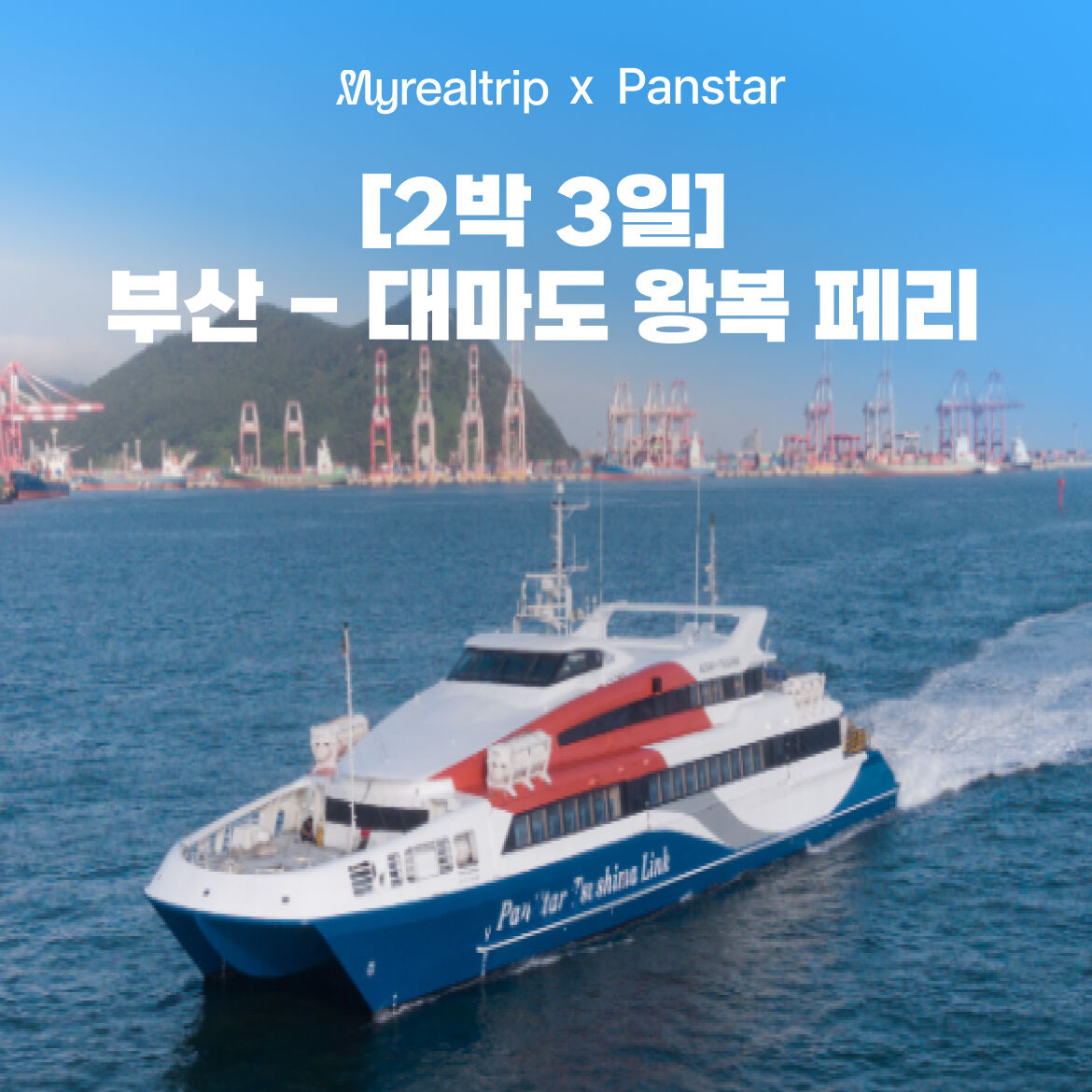
Ferries heading to Hitakatsu Port usually depart early in the morning and arrive by late morning, making them ideal for day trips. Since the journey takes about an hour and a half to two hours, there is no better course for a light weekend breeze. The Izuhara Port is slightly farther, taking over two and a half hours one way, so it is advantageous to take the first ferry of the morning. Each shipping company updates its operating schedule monthly, so be sure to check the latest timetables on official websites or booking agents. You should arrive at the Busan Port terminal 1.5 hours before departure to complete procedures, ensuring a smooth exit inspection and boarding.
Be careful not to miss the return ferry times, as your stay may feel shorter than expected; it is good to plan your route in advance. In particular, it is wise to choose a ferry with a flexible schedule that allows time for duty-free shopping and meals.
Travel times and departure schedules differ by port, so checking accurate timetables suited to your destination and arriving at the terminal with plenty of time is essential.
4. Planning Day Trips and 1-Night, 2-Day Itineraries
Tsushima is a destination full of charm for both short day trips and leisurely 1-night, 2-day stays, allowing you to choose according to your preference. For a day trip, it is enough to enjoy Japanese cuisine at the quaint restaurants around Hitakatsu Port and take a walk along the coastal road. Renting a car in advance allows you to tour major attractions efficiently without being constrained by public transport intervals, saving significant time. If you are planning a 1-night, 2-day trip, you can book accommodation in advance and leisurely explore historical sites and large marts in Izuhara city. Since it is a popular island for Korean tourists, there are no major difficulties with signage or language communication, making it perfect for beginner travelers.
Cash payments are occasionally required locally, so exchanging small amounts of yen in advance is the secret to a worry-free trip. Thoroughly preparing data roaming or a local SIM ensures smooth navigation and searching for restaurant information.
The direction of car rental and accommodation preparation differs depending on whether you choose a day trip or a 1-night, 2-day stay, so thorough advance planning is necessary.
5. Precautions and Port Usage Tips for Ferry Travel
When using the Busan Port International Passenger Terminal, you must definitely check that your passport has at least 6 months of validity remaining before departure. Although visa-free entry to Japan is possible, you must fill out an entry declaration and customs declaration, so having a pen ready is very useful. While the interior of the ship operates on a designated seating system, it can get crowded on weekends, so you should find your seat as indicated on your ticket. On days with high waves, the ship may rock significantly, so avoiding overeating before boarding and taking motion sickness medication helps ensure a safe voyage. It is advisable to comply with duty-free purchase limits and regulations on prohibited items for entry into Japan to prevent unnecessary friction or delays.
Parking spaces inside the terminal fill up quickly on weekends, so it is wise to use public transportation or pre-book a nearby private parking lot. Since waiting times for exit procedures can be long, it is desirable to arrive at the terminal early and calmly complete your boarding preparations.
Checking passport validity, preparing for seasickness, and arriving at the terminal with plenty of time are the starting points for a enjoyable Tsushima trip.
6. Outlook for a Budget-Friendly and Fulfilling Tsushima Ferry Trip
In the current high-price environment, Tsushima ferry travel has established itself as an excellent alternative for those who find the cost of flying far away burdensome. As a cost-effective option that allows you to fully utilize the weekend to experience an overseas atmosphere, it is expected to remain consistently popular. With increasing competition among shipping companies, various promotions are being added, so collecting information quickly can help you travel at even lower prices. If you are planning a trip, we recommend not hesitating to check remaining seats and timetables to visualize a specific itinerary. This weekend, consider setting aside your busy daily life and starting a Tsushima Island trip by boarding a ferry from Busan Port with a light heart.
With thorough advance preparation and budget-friendly ticket booking, you can complete a precious and economical overseas experience that will be remembered for a lifetime. As more diverse routes and convenient booking systems are expected to be introduced in the future, it is good to keep an eye on related news.
Tsushima ferry travel, which offers both cost-effectiveness and accessibility in the era of high prices, will continue to enjoy steady popularity.
Frequently Asked Questions
=