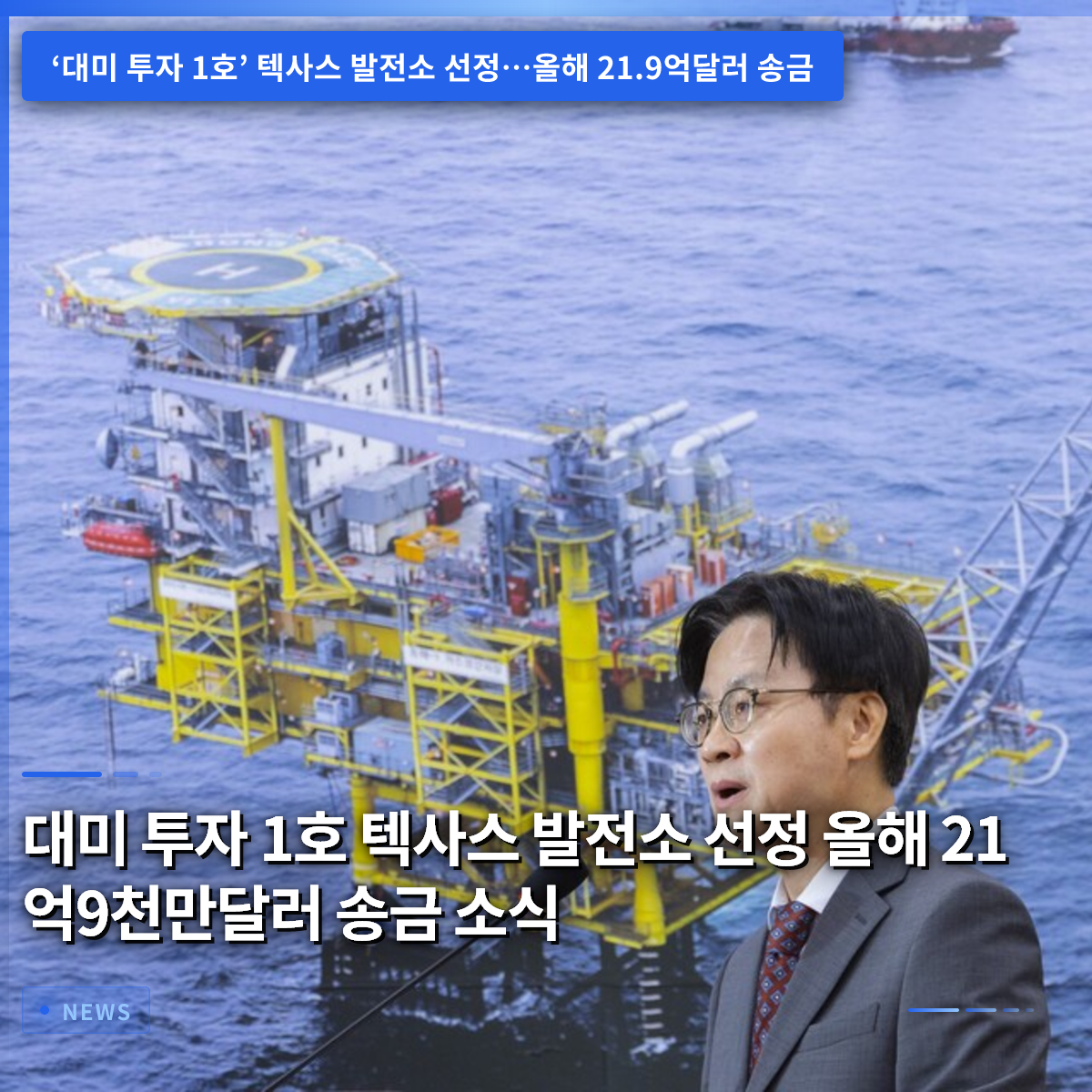
The Encinal gas combined-cycle power plant project in Texas, USA, has been selected as the first initiative under the $200 billion strategic investment in the US. Consequently, the South Korean government is expected to remit $2.19 billion to the US this year. This decision was formalized when Minister of Trade, Industry and Energy Kim Jung-kwan reported the results of the US investment negotiations to the plenary session of the National Assembly’s Committee on Trade, Industry, Energy, and SMEs. As large-scale overseas investments enter a new phase, interest is growing regarding their impact on the national economy and energy security. The selected first project involves building a massive power plant in Texas to serve as critical infrastructure for meeting surging electricity demand. Additional major projects, such as nuclear power plant construction and the Alaska liquefied natural gas (LNG) project, are also expected to be reviewed sequentially, necessitating thorough analysis. This article examines the significance of selecting the first US investment power plant, the scale of upcoming fund transfers, and the issues raised in the National Assembly.
=
First US Investment Project: Texas Power Plant Selected, $2.19 Billion to Be Remitted This Year
1. Confirmation of the First US Investment Project: Texas Power Plant
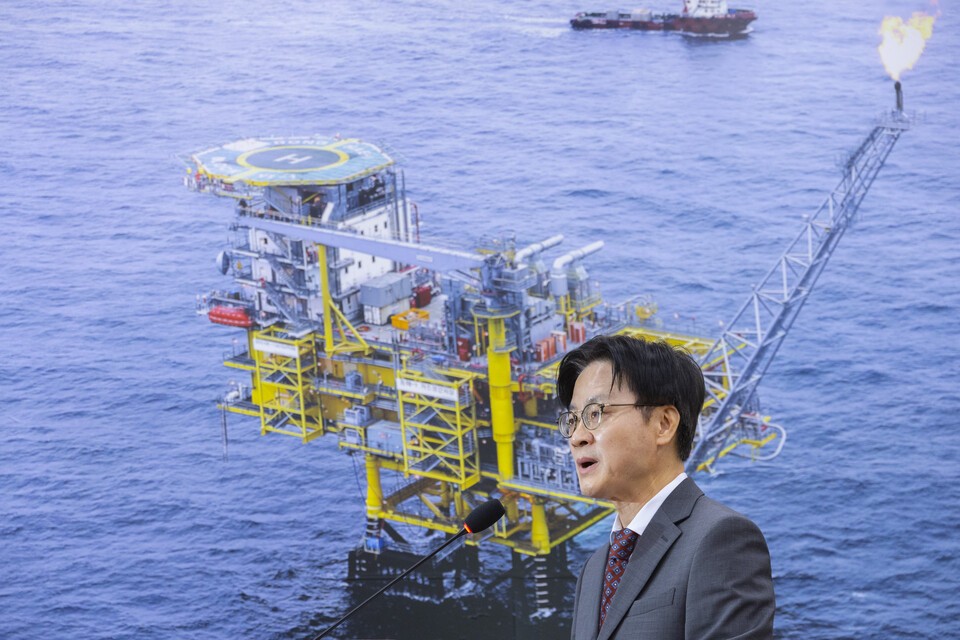
The Encinal gas combined-cycle power plant project in Texas, USA, has been chosen as the first initiative to kick off the massive $200 billion strategic investment in the US. This project aims to construct a power plant with a capacity of approximately 6.5 gigawatts in Texas, a key region in the southern US, to provide stable electricity to rapidly growing data centers of IT companies. With a total project cost reaching a staggering $22.3 billion, it is a mega-project that naturally draws market attention. The government has conducted thorough market outlook analyses, considering that permitting procedures and power purchase agreements are still in their early stages. After carefully verifying commercial viability, the government has confirmed that the investment can be fully recovered within the project’s lifespan. As a result, the expected principal and interest recovery over the next 20 years is anticipated to range between $43 billion and $45.4 billion.
The government has repeatedly stated its commitment to rigorous profitability verification to ensure that taxpayer money is not wasted, given the significant outflow of capital abroad. In a situation where large industrial complexes and high-tech industrial parks in the vicinity are struggling with power shortages, this power plant construction can serve as a highly cost-effective solution. Strategies for coexistence with local residents and compliance with environmental regulations are also expected to be critical turning points for the project’s success. Investment experts analyze that despite initial risks, the bright long-term electricity demand forecast will generate stable cash flows. With such positive outlooks, if the first step is taken successfully, subsequent projects will gain significant momentum. It is more important than ever to monitor whether construction proceeds smoothly on-site in Texas.
The Texas gas combined-cycle power plant was selected as the first strategic US investment project, with substantial investment recovery expected over 20 years.
2. $2.19 Billion Remittance This Year and Additional Nuclear Power Funds
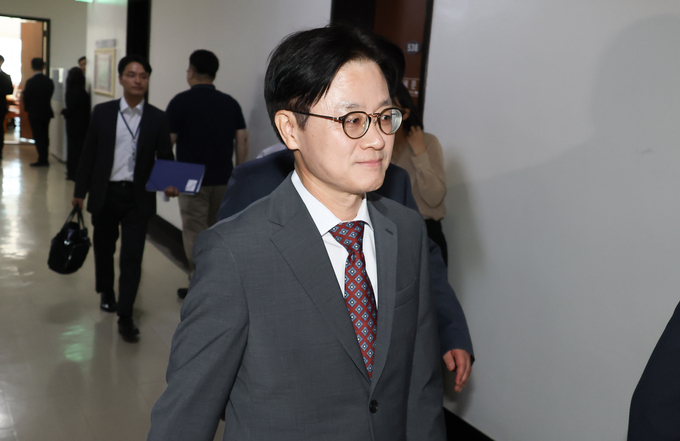
Following the selection of this first project, the amount the South Korean government must remit to the US this year has been finalized at $2.19 billion. Additionally, an extra $10 billion in funds related to nuclear power plant construction is scheduled to be added, resulting in a massive total remittance for this year. According to the report by Minister Kim Jung-kwan to the National Assembly, these fund transfers follow the detailed guidelines of the strategic investment memorandum of understanding (MOU) signed between South Korea and the US. The structure involves multiple individual project vehicles matching a single large umbrella investment vehicle to execute funds efficiently. With an annual investment limit of up to $20 billion and a total cumulative limit of $200 billion, a substantial amount of assets will cross the Pacific Ocean every year.
There are indeed voices expressing concern about the potential contraction of domestic investment due to the massive outflow of national capital abroad. However, the government explains this as an unavoidable choice to strengthen the solid alliance between the two countries and secure a favorable position in the global energy market. In particular, the execution of additional funds linked to nuclear power plant construction can serve as a catalyst to showcase the excellence of domestic nuclear technology to the world. A safety mechanism is in place where the two countries share profits equally (50-50) until the investment is recovered, after which the distribution ratio is adjusted. Fiscal authorities plan to closely monitor exchange rate volatility and local financial market risks to minimize the impact on the national economy. There are continuous calls for transparent disclosure of execution details and thorough post-investment management, given the massive movement of funds.
$2.19 billion for the Texas power plant and additional nuclear power funds will be remitted to the US this year, requiring thorough management.
3. Nuclear Power Framework and Alaska LNG Project Concepts
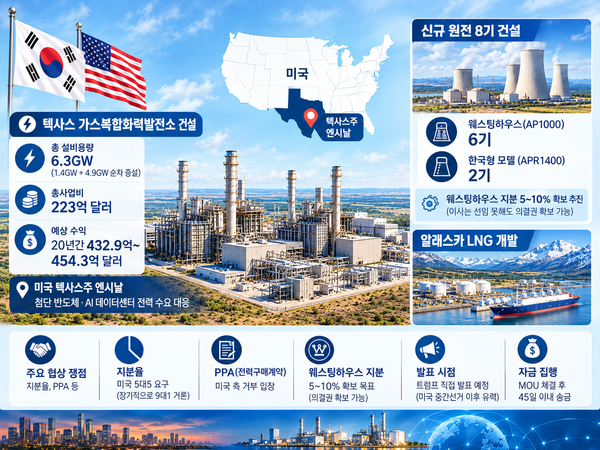
Alongside the first investment project, the nuclear power framework and the Alaska LNG project, which are being seriously considered for future promotion, have also come to the forefront. The nuclear power framework concept includes building eight nuclear power plants in the US and acquiring equity in local companies, using the Korea-US Strategic Investment Fund as a foundation. Specifically, it outlines an ambitious blueprint for harmoniously constructing two Korean-designed nuclear reactors and six reactors of the partner company’s design. Although detailed business plans are not yet fully finalized, the entry of Korean nuclear power into the US market alone carries immense symbolic significance. There is widespread expectation that the reliability of Korean nuclear technology in the global market will be further enhanced, paving the way for future overseas exports.
Additionally, there are quiet behind-the-scenes consultations regarding the acquisition of a portion of equity in local companies with voting rights at a discount compared to the IPO price. The Alaska LNG project was formally proposed by the US side and is a large-scale project involving the construction of pipelines from northern oil fields to terminals. This project, which processes and transports millions of tons of energy annually, was included in this report at the strong request of the US government. Government officials clarified that neither the nuclear power nor the Alaska projects are yet at the stage of final confirmation for promotion. The policy is to make final decisions only after thorough commercial feasibility reviews and rigorous procedures in accordance with domestic laws. Given that these issues are directly linked to national energy security, voices are growing that practical benefits should be carefully assessed rather than rushing the process.
The construction of eight nuclear power plants and the Alaska LNG project are among the follow-up review tasks, with commercial feasibility being coordinated.
4. Verification of Commercial Rationality and Issues Raised in the National Assembly
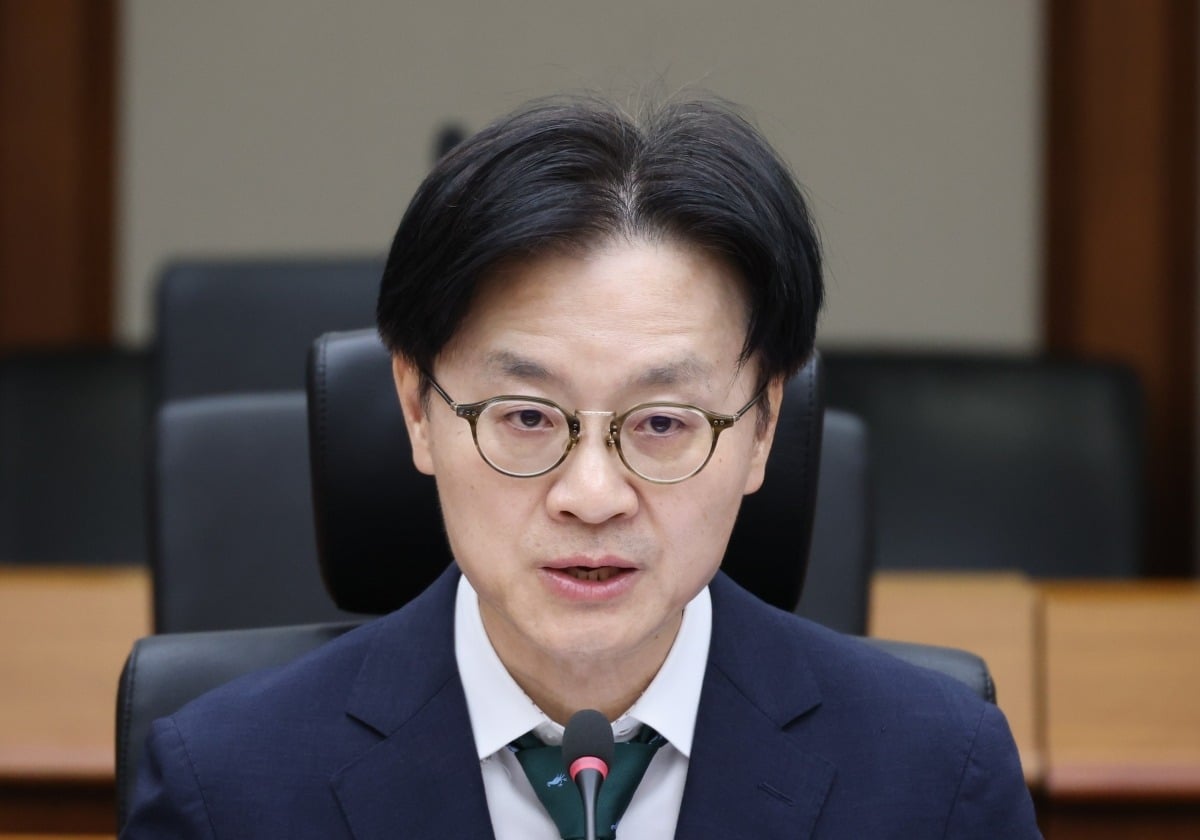
As soon as the US investment plan was reported to the National Assembly, sharp criticisms from both ruling and opposition parties demanded thorough verification of commercial rationality. Lawmakers agreed that it is physically impossible to perfectly judge the overall feasibility of such a massive US investment project in just a few hours. They emphasized that projects with unclear economic benefits or insufficiently secured commercial rationality must necessarily undergo the consent of the relevant National Assembly standing committee. While some specific projects may remain mere reporting items, others that impose a heavy burden on the national finance should require formal consent. Although the government explained that sufficient profitability analysis has been completed for the Texas power plant project, lawmakers’ wariness has not easily subsided.
In the political sphere, there are demands to strengthen institutional mechanisms to prevent potential loss risks during the large-scale outflow of funds abroad. Although a safety mechanism is in place to suspend the transition of profit distribution ratios until the investment principal and interest are fully recovered, some view this as insufficient for reassurance. Both ruling and opposition lawmakers agreed that, given this is a critical investment involving the nation’s future, it must be thoroughly examined from the perspective of national interest, transcending party lines. The government also promised to humbly accept the National Assembly’s legitimate points and concerns and to maximize transparency in future detailed contract processes. Given that valuable national assets are being invested, transparent information disclosure and the establishment of a continuous post-investment monitoring system have become essential tasks. Public attention is focused on how these issues will be coordinated in upcoming National Assembly standing committee discussions.
There are strong voices in the National Assembly calling for thorough verification of the commercial rationality and profitability of US investment projects.
5. Fund Allocation and Recovery Safety Mechanisms of the Korea-US Investment Vehicle

This US investment is a massive project proceeding systematically within the strict framework of the strategic investment memorandum of understanding signed between the two countries. It adopts an advanced structure where multiple individual project vehicles raise and execute funds under a single integrated umbrella investment vehicle. The annual investment limit is capped at $20 billion, and a massive cumulative limit of $200 billion is set until the completion of all projects. The most noteworthy aspect is that South Korea and the US will share generated profits exactly 50-50 until the investment principal and interest are fully recovered. This can be seen as a mutually complementary safety mechanism established by both countries to reduce risk and maintain a fair partnership.
After the principal and interest are fully recovered, the profit distribution ratio automatically shifts to 10% for South Korea and 90% for the US. However, a grace period mechanism is also in place to temporarily suspend this ratio transition until the cumulative principal and interest of the entire project are fully recovered. This allows for significant defense against potential loss risks that could arise if our side fails to recover funds early. Experts evaluate that these detailed contract clauses reflect the intense deliberation during the initial negotiation process to protect our national interests. It ensures that a minimum safety net is secured even if an unexpected global economic crisis strikes during the movement of massive capital. It is necessary to continuously verify whether individual projects will actually operate, generate profits as expected, and return funds safely.
Profits are shared 50-50 until principal and interest are recovered, and a recovery suspension mechanism is included to reduce investment risk.
6. Future Challenges and Outlook for Successful US Investment
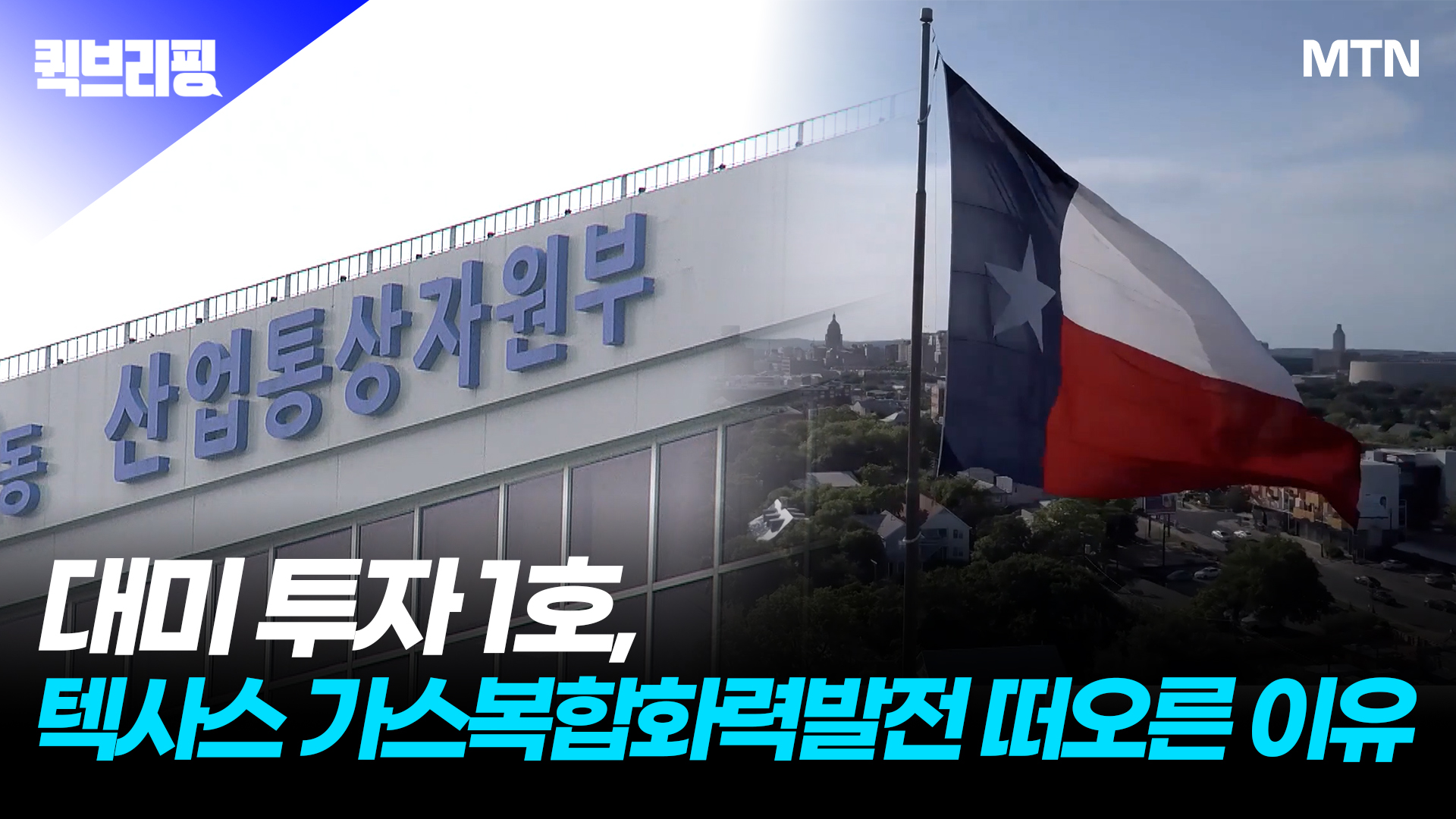
Starting with the selection of the Texas power plant as the first US investment project, the South Korean economy is preparing for a leap onto a new global stage. Led by the $2.19 billion remittance to be executed this year, numerous funds will cross the ocean, deepening the economic alliance between the two countries. However, given the massive movement of funds, wise countermeasures are needed to defend against potential relative deprivation or reduced investment capacity within the domestic industry. The government must communicate closely with the National Assembly based on transparent information disclosure to alleviate public anxiety and gain trust. The nuclear power framework and Alaska gas project, mentioned as follow-up initiatives, must also undergo cool-headed commercial feasibility reviews to guarantee success.
We hope readers will continue to pay attention to the progress of this US investment project, which involves the fate of the national economy. This is not simply about lending money, but a process where our technology competes in the world’s largest market and receives fair compensation. It requires the wisdom to carefully examine the detailed contract contents and changes in yield rates as they are reported through news and official announcements. If the government accepts the National Assembly’s legitimate points and demonstrates meticulous risk management, this investment will become a sturdy wing for the South Korean economy. Even in a global economic environment full of uncertainty, thorough preparation and cool-headed judgment will lead us to a brighter future. Let us watch the results of upcoming US investment projects and cheer for the expansion of South Korea’s economic territory.
We must strive for the successful landing of US investment projects based on thorough risk management and transparent communication.
Frequently Asked Questions
=