The Ministry of Science and ICT has officially launched the planning process for 2027 Information and Communication Technology (ICT) research and development to support three major mega-projects that will drive the nation’s future growth. This initiative is expected to be a pivotal turning point, aiming to fundamentally enhance national competitiveness beyond mere technology development. It is essential to examine how the cutting-edge technologies we experience in our daily lives connect with national policy. Given the substantial budgets allocated annually, understanding which sectors receive focused resource allocation is both intriguing and important. In this article, we will carefully explore the significance of this R&D planning and its potential ripple effects on our lives. By grasping the government’s policy direction in advance, we can wisely navigate the upcoming waves of technological change.
=
Full-Scale Launch of 2027 ICT R&D Planning to Support Three Major Mega-Projects
1. Background of the R&D Planning
The Ministry of Science and ICT has prepared this plan to achieve both national survival and leapfrog growth amid a rapidly changing technological environment. The intent is to move away from past short-term and sporadic support methods and focus on core issues that hold the nation’s fate. In reality, researchers in the field and corporate stakeholders have long yearned for a clear investment direction backed by a long-term vision. Reflecting these voices, the government has begun to draw a grand blueprint that can consolidate the nation’s entire capabilities. In the fierce competition where countless technologies emerge and disappear every year, selection and concentration are no longer a choice but a matter of survival. This planning proposal stands at the pinnacle of that selection and concentration, serving as a compass to discover South Korea’s future growth engines. This is the moment to truly grasp the necessity of aligning national tasks with research directions.
R&D planning with a long-term vision has been fully launched to enhance national competitiveness.
2. The Reality of the Three Major Mega-Projects
The core tasks being promoted this time are firmly structured around the three major mega-projects that will lead South Korea’s future. These projects aim not just for technologies confined to laboratories, but for innovations that all citizens can directly enjoy in their daily lives. For example, next-generation communication networks and the construction of AI-based social safety nets are closely integrated into this grand framework. As a result of government officials and private experts working together for several months, the output boasts high completeness. By thoroughly reflecting voices from the field to enhance practicality, results of a different magnitude are expected compared to the past. If these projects are successfully established, the industrial landscape of our country will be completely transformed. There is already great anticipation for how tangible changes that citizens can feel will arrive.
The three major mega-projects are core pillars that will transform citizens’ lives and innovate the national industrial landscape.
3. The Role of the ICT Sector
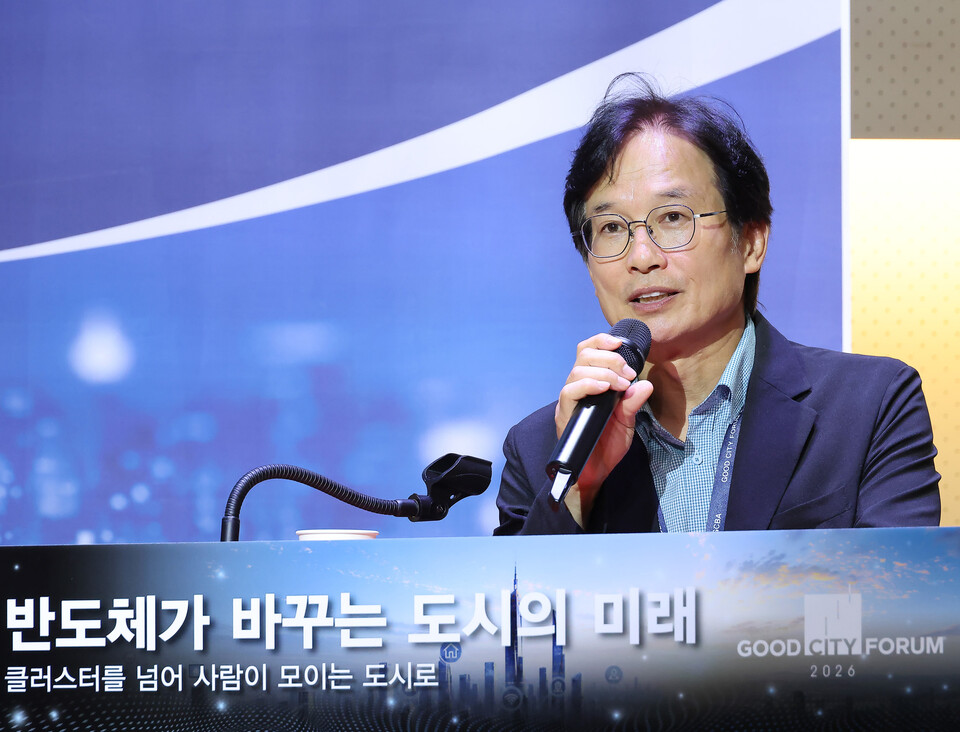
ICT plays the role of an invisible, massive heart that drives all industries in modern society. From manufacturing to services, it is now harder to find a sector where this technology has not permeated. Therefore, in this R&D planning, the ICT sector is cited as the most critical key determining the success or failure of the entire project. The harsh reality is that without securing unique technological capabilities, we will inevitably be left behind in the global market. The government plans to establish a flawless support system covering the entire cycle from basic research to commercialization. This will provide a solid foundation for domestic companies to stand confidently alongside global peers on the world stage. Steps to increase technological self-reliance and achieve world-class competitiveness are being taken rapidly.
ICT, as the heart of all industries, is a core element that determines national competitiveness.
4. Field-Centered Planning Process
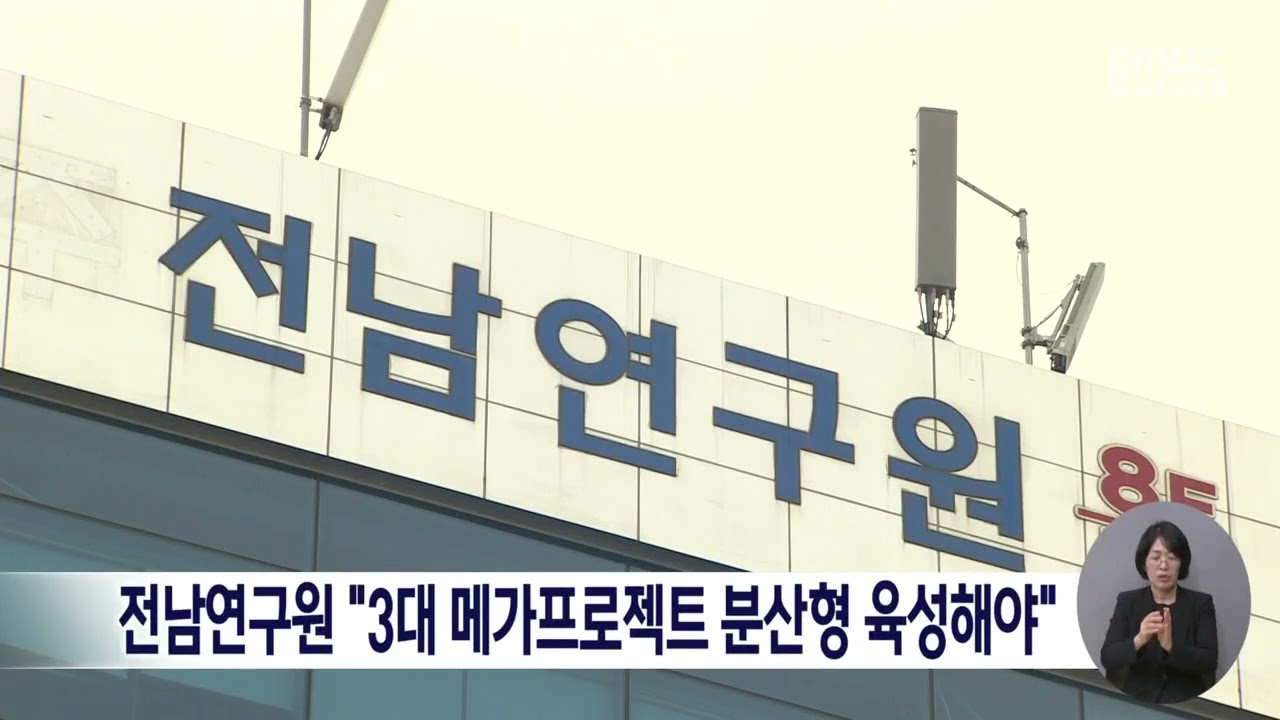
One of the most significant features of this R&D planning is that it moved beyond desk-bound approaches to thoroughly incorporate voices from the field. Researchers from companies, university professors, and industry experts participated directly from the planning stage to enhance practicality. In the past, a subtle gap often existed between field demands and government support, leaving room for regret. However, this time, to minimize such trial and error, the door to communication was thrown wide open, and diverse opinions were actively gathered. The plan was refined based on vivid testimonies about what is actually lacking in the field and what support is urgently needed. This public-private cooperation system is expected to set a model precedent for future policy-making processes in our country. The efforts of stakeholders to create genuinely helpful support are beginning to bear fruit.
Policy effectiveness was maximized through thorough field communication and public-private cooperation.
5. Future Schedule and Plans
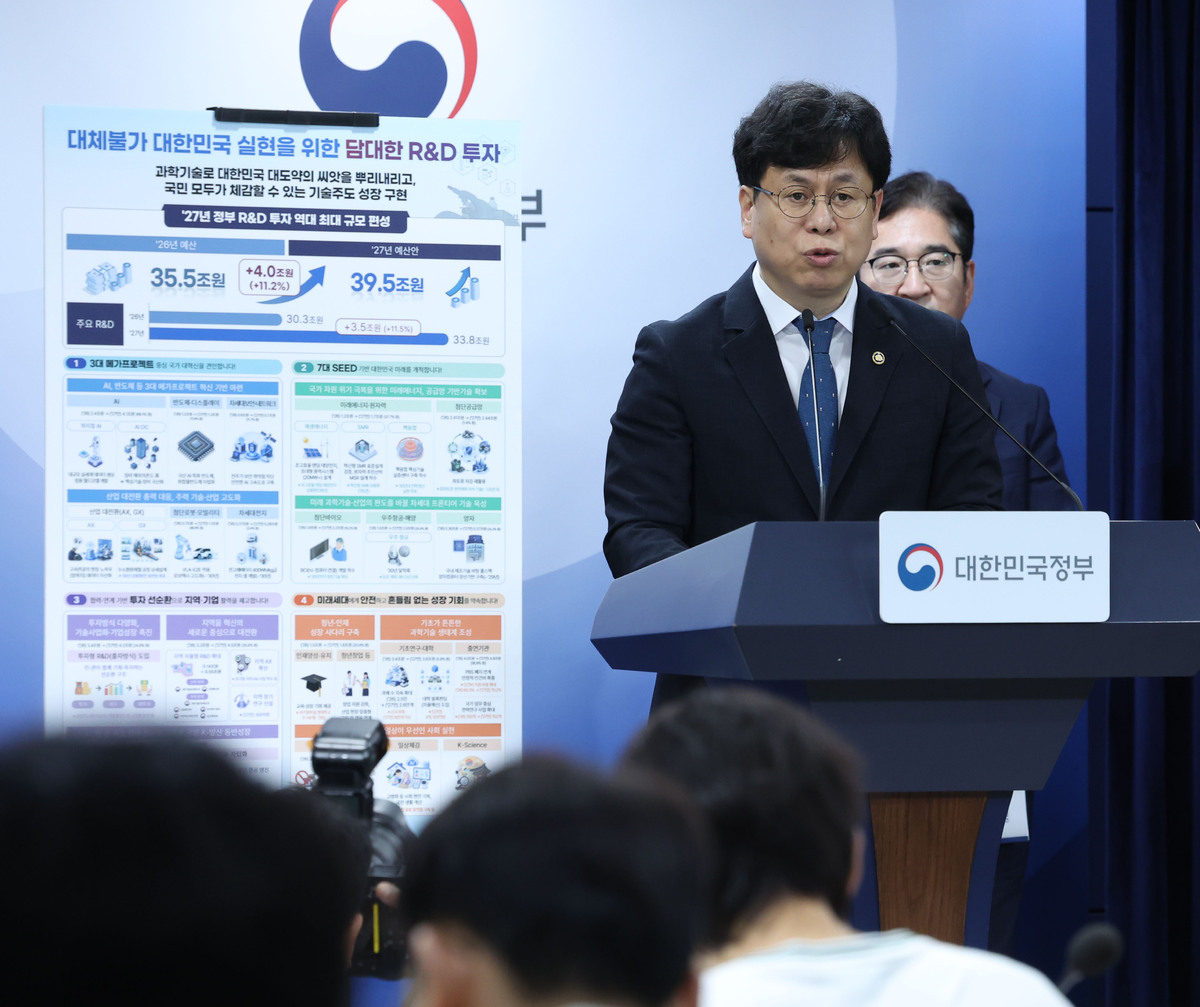
With the full-scale launch of the planning phase, many eyes and ears are focused on the specific execution schedules to follow. The Ministry of Science and ICT plans to conduct rigorous feasibility reviews for each detailed task and link them with next year’s budget proposal. The government is committed to thorough management and supervision to ensure that the plan does not stop at mere planning but leads to actual budget execution and outcome creation. During this process, it aims to further enhance policy credibility by communicating with the public and transparently disclosing progress. With a determination not to miss the golden time, administrative procedures will be processed swiftly through close cooperation with relevant ministries. We are exerting all our strength to ensure our steps toward preparing for the future advance without a single waver. Systematic schedule management will be the shortcut to successful outcomes.
Projects will be promoted transparently and swiftly through detailed task reviews and budget linkage.
6. Expected Effects and Our Approach
This 2027 R&D planning will not remain confined to the development of science and technology but will resonate deeply throughout our society. The greatest harvest will be the creation of high-quality jobs and the establishment of a soil where young talents can freely showcase their capabilities. Furthermore, it will serve as a sturdy shield, allowing our country to firmly maintain its technological leadership even amidst rapidly changing international circumstances. We hope that you, our readers, will pay attention to this national trend and cheer for the future being built by our technology. The wisdom to find new opportunities amidst the waves of change will be the most powerful weapon for living in this era. We conclude by looking forward together to the brilliant moment of South Korea’s scientific and technological leap. Public interest and support for national innovation tasks are the greatest driving force for success.
It will deliver a dazzling leap for South Korea through securing technological leadership and creating jobs.
Frequently Asked Questions
=