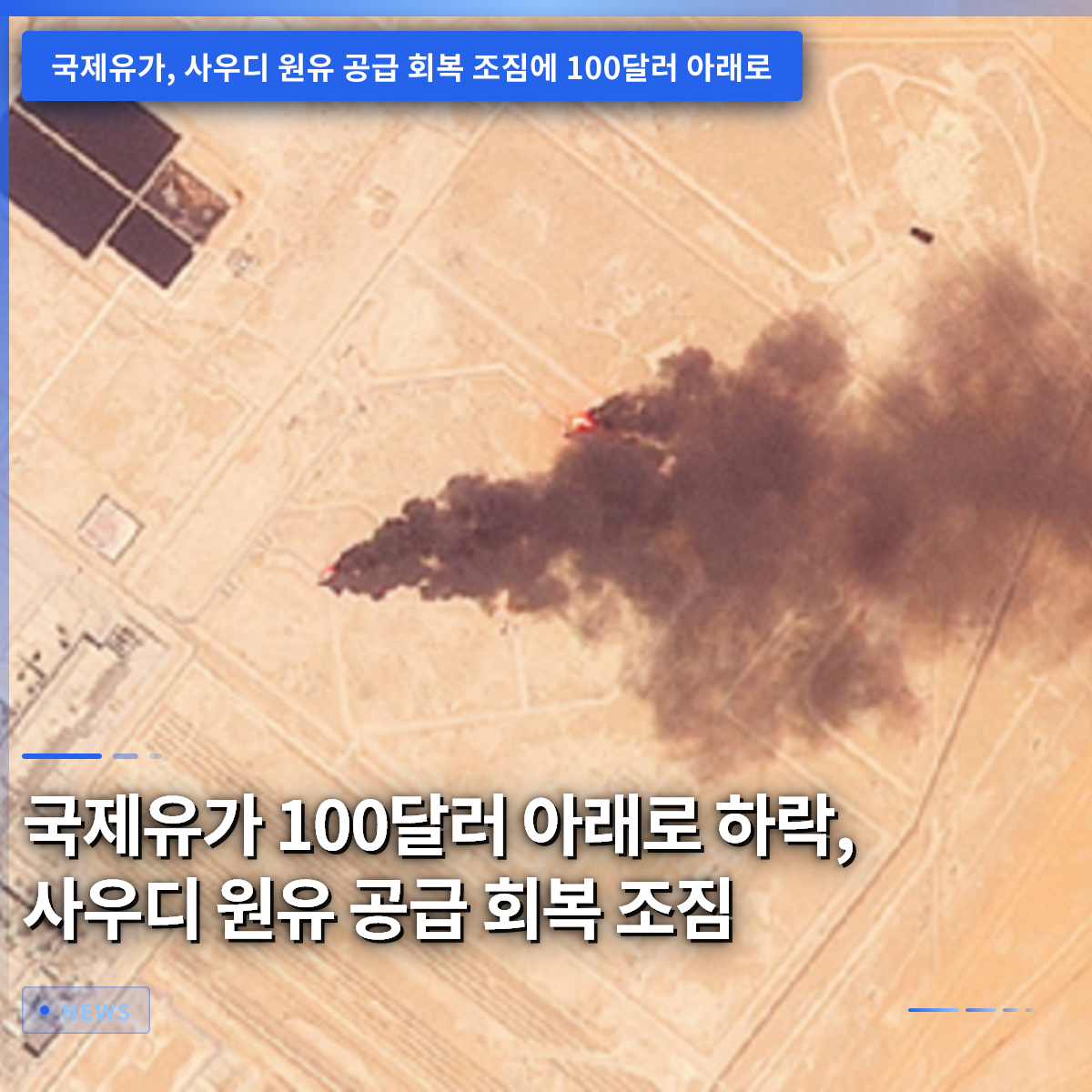
Global oil prices, which had recently surged, have finally dropped below $100 per barrel, driven by signs of recovery in Saudi Arabia’s crude oil supply. This is truly welcome news for drivers who have been sighing at gas station price boards on their commutes. While the global economy had been on edge due to geopolitical instability in the Middle East, this downward trend offers a sense of relief. In particular, expectations are growing that the resumption of production facilities in major oil-producing countries will help alleviate the burden on prices. In this article, we will examine in detail the specific background behind the drop in global oil prices below $100 and the potential economic ripple effects. We will carefully look at what changes may occur in the fuel prices we face every day.
=
Global Oil Prices Fall Below $100 as Saudi Crude Supply Shows Signs of Recovery
1. Normalization of Saudi Oil Supply and Price Decline
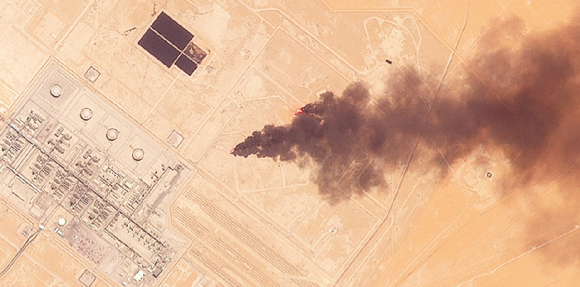
The most decisive reason global oil prices have finally fallen below the $100-per-barrel mark is the rapid recovery in Saudi Arabia’s crude oil supply volumes. Saudi Arabia’s East-West Pipeline, which had been halted for a period due to attacks by Yemen’s Houthi rebels, recently resumed operations, providing a sense of relief to the market. According to energy industry sources, pipeline flow is expected to recover to a significant level by the end of this weekend, fully opening up export routes. This trend is clearly reflected in port statistics, with large tankers setting out to sea loaded with massive quantities of crude oil. As physical supply disruptions enter a resolution phase, anxiety is melting away. Experts analyze that the swift response by oil-producing countries played a decisive role in calming the panicked oil market. In the past, even minor facility damage would cause oil prices to skyrocket, but this time, alternative routes were secured and rapid recovery was achieved. As a result, supply insecurity among consuming nations has been largely alleviated, allowing prices to regain stability.
The resumption of Saudi Arabia’s pipeline operations and the expansion of export volumes were the main drivers pulling global oil prices below $100.
2. Analysis of Brent and WTI Price Trends
November Brent crude futures traded on the London ICE Futures Exchange closed at $99.25 per barrel, down from the previous session. The drop in Brent crude, the benchmark for the global economy, below $100 is the first time since early last month. West Texas Intermediate (WTI) crude on the New York Mercantile Exchange also failed to escape the downward trend, stabilizing in the mid-$90s per barrel. With both major indicators tracing a downward curve, it is evident that the global oil market has returned to overall stability. This decline in price indicators carries significance beyond mere numbers, directly alleviating the burden on businesses and households. Numerous manufacturers that use crude oil as a raw material can now benefit from reduced costs. Consequently, inflationary pressure has eased, providing central banks in various countries with more flexibility in their monetary policy operations.
Both Brent and WTI crude recorded declines, entering the sub-$100 range for the first time in several weeks.
3. Trump’s Remarks and the Market’s Calm Reaction
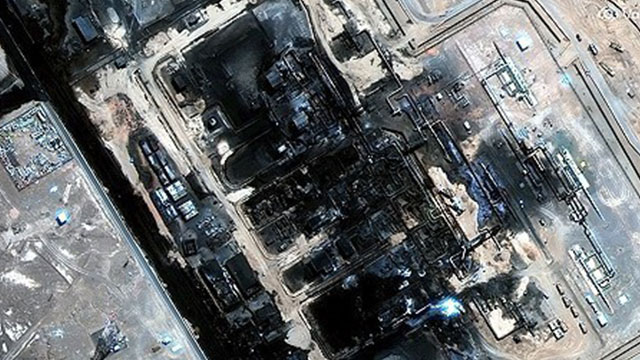
Despite U.S. President Donald Trump unleashing strong rhetoric on the diplomatic stage, the oil market reacted very calmly. Although President Trump maintained a tough stance in his speech, market participants focused on actual supply data rather than political rhetoric. A sense of relief spread after news emerged that the U.S. military was safely escorting a large group of tankers through the Strait of Hormuz. Even as political tensions reached their peak, the stable maintenance of logistics provided greater confidence to investors. Historically, political friction in the Middle East has always been the main culprit behind oil price spikes, but this time the market’s immunity has increased significantly. Even with President Trump’s harsh language, as tankers continued their voyages without disruption, speculative forces turned to selling. This once again proved that if geopolitical risks do not translate into physical supply shocks, the market reacts rationally.
Despite political tensions, the market was not significantly shaken by diplomatic remarks as actual oil transportation proceeded smoothly.
4. Stabilization Effect of Logistics in the Strait of Hormuz
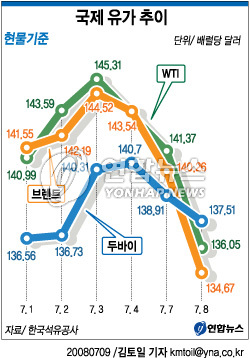
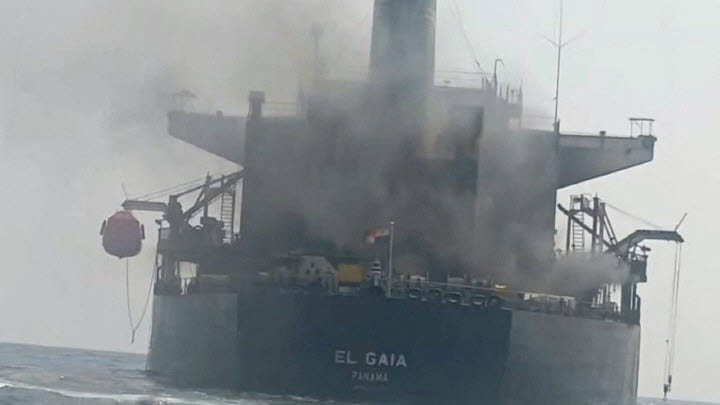
The stabilization of transit through the Strait of Hormuz, known as the vital artery for global oil transport, has significantly contributed to the decline in oil prices. Contrary to concerns that cargo volume through the strait would decrease, oil transportation is proceeding without hindrance under military protection. Major oil-producing countries have secured alternative routes and strengthened escort operations to protect logistics against the threat of a maritime blockade. Thanks to these efforts, uncertainty in oil supply and demand has been resolved, acting as a shield against price spikes. Since millions of barrels of crude oil pass through this strait daily to various parts of the world, stability here means stability for the global economy. Shipping data analysis agencies also report that shipment volumes in the region have rapidly recovered to normal levels. As the supply chain functions properly, market participants have been able to breathe a sigh of relief.
Oil transportation through the Strait of Hormuz has regained stability thanks to military escorts and the securing of alternative routes.
5. Impact on Domestic Economy and Perceived Inflation
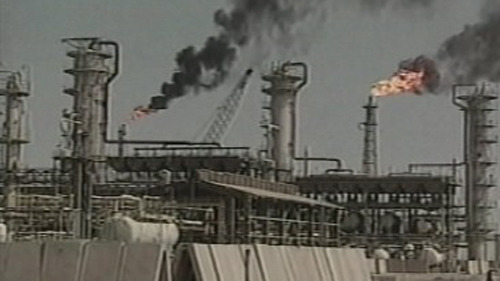
With global oil prices falling below $100, positive changes are expected in the perceived inflation for domestic consumers. The sighs of self-employed individuals and transportation workers, who have been struggling with soaring fuel prices, are expected to ease somewhat. As the unit price of imported crude oil decreases, the burden on refiners will be reduced, which will eventually lead to lower retail prices at gas stations after a time lag. This can also help disperse the pressure on rising grocery prices and public utility rates. The government and related agencies are also welcoming this price drop and closely monitoring the domestic supply and demand situation. This is because consumer confidence can only revive when energy costs, which form the foundation of the livelihood economy, are stable. However, caution is still warranted as exchange rate volatility and remaining geopolitical instability factors persist.
The drop in oil prices will lead to stable gas station prices and reduced manufacturing costs, providing relief to the livelihood economy.
6. Future Oil Price Outlook and Response Strategies
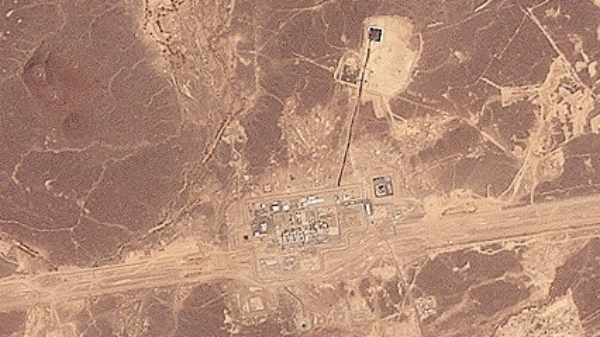
Experts forecast that global oil prices will continue to fluctuate below the $100 line for the time being, based on the trend of supply recovery. Key variables that will determine future price directions include the possibility of further production increases by Saudi Arabia and whether major consuming nations will release strategic petroleum reserves. Households and businesses should monitor these oil market trends and develop long-term strategies to improve energy efficiency. Rather than being overwhelmed by indiscriminate anxiety, wisdom is needed to formulate rational consumption and management plans based on objective supply and demand data. The government must also maintain thorough energy emergency plans to prepare for any unforeseen variables. Ultimately, this drop in oil prices has become a good example demonstrating the market’s self-correcting ability, rather than just a temporary phenomenon. We hope that readers will wisely utilize upcoming refueling periods and related economic indicators to protect their household finances.
Oil price stability is expected for the time being thanks to supply recovery, necessitating thorough data-based economic preparation.
Frequently Asked Questions
=