According to recently released statistics, Hong Kong’s seasonally adjusted unemployment rate for June to August reached 3.8%, a 0.1 percentage point increase from the previous survey period. This figure exceeded market expectations, clearly reflecting subtle shifts in the local labor market. Notably, despite an overall increase in the number of employed persons, a paradoxical phenomenon was observed where both the unemployment rate and the underemployment rate rose simultaneously, drawing significant attention. The primary cause is analyzed as a sharp surge in the total labor force due to a large influx of new job seekers entering the market after graduating from school. Consequently, while the number of people seeking jobs has increased, it has become difficult for companies to find job seekers with the specific skills they require, exacerbating the skills mismatch. The Hong Kong government anticipates that this structural imbalance in the employment market will persist for some time.
=
Hong Kong Unemployment Rate Rises to 3.8% in June–August… 130,000 Labor Shortage Projected for 2028
1. Subheading

Background of Hong Kong’s 3.8% Unemployment Rate and Market Reaction According to data released by the Hong Kong Government’s Census and Statistics Department, the unemployment rate from June to August this year was recorded at 3.8%. This represents a 0.1 percentage point increase compared to the previous period (May to July) and exceeds prior market expectations. Experts explain that this upward trend is not a temporary phenomenon but is linked to structural movements within the labor market. In particular, the total labor force increased significantly during this period, naturally leading to a rise in the number of unemployed individuals. As new graduates entered the job market, the pool of job seekers expanded. Simultaneously, the underemployment rate, which measures those employed but seeking additional work hours, surged to 1.9%. This is the highest level recorded since August 2022, indicating that labor is not being fully utilized. Although the total number of employed persons increased slightly, the pace of job creation has failed to keep up with the influx of new job seekers. This deterioration in employment indicators is expected to place a considerable burden on local economic activity for the time being. Market participants are closely monitoring upcoming employment data and corporate hiring trends.
The unemployment rate rose to 3.8% due to the influx of new job seekers, and the underemployment rate also increased.
2. Subheading
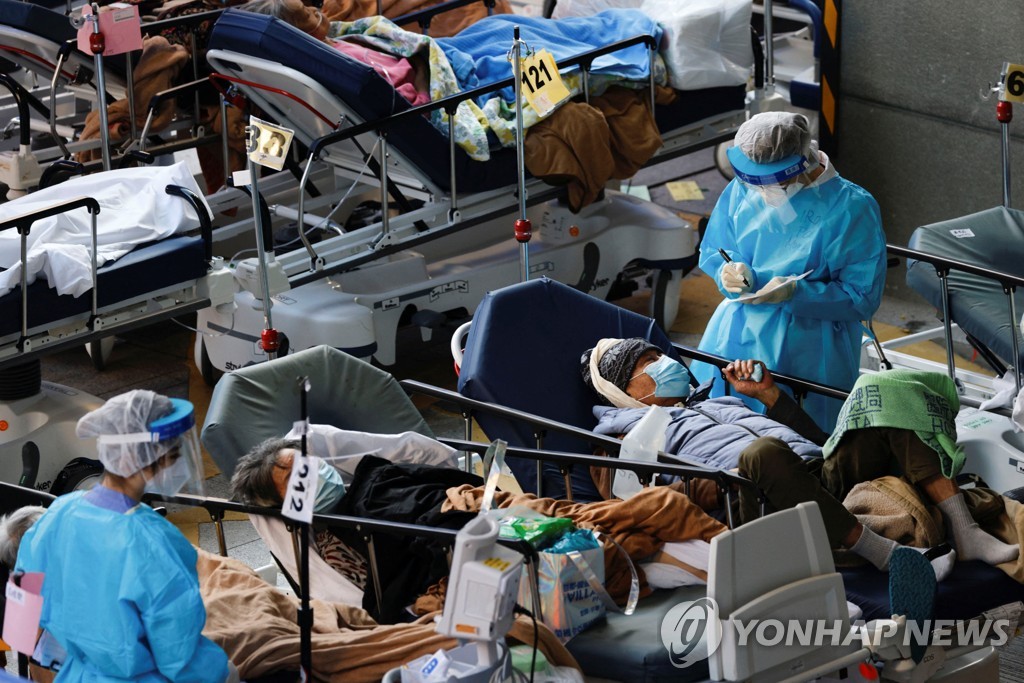
Diverging Employment Landscape by Industry While most industrial sectors showed a worsening trend in unemployment rates, this survey revealed clear differences in conditions across industries. The sector hit hardest was building decoration and repair, with an unemployment rate reaching 8.1%. This sector rose by 0.4 percentage points from the previous period, indicating a shortage of work around construction sites. The food and beverage service industry, including restaurants and bars, also saw its unemployment rate jump to 6.8%, the highest level in the past year. The food and beverage and construction sectors led the rise in underemployment rates, becoming epicenters of employment instability. On the other hand, the employment situation in some knowledge-based service industries, including finance, showed slight improvement. The financial sector maintained relatively stable demand for talent, acting as a pillar that prevented a sharp decline in the overall employment market. The reason for this divergence in fortunes across industries lies in the differing domestic and international business environments and changes in consumer trends facing each sector. The restaurant industry, crowded with self-employed operators, is struggling with cost burdens without fully feeling the warmth of economic recovery. Local analysts warn that the phenomenon of employment cold snaps concentrating in specific industries is likely to continue for some time.
Unemployment rates soared in the construction and food service sectors, while the financial sector saw slight improvement, highlighting clear polarization between industries.
3. Subheading
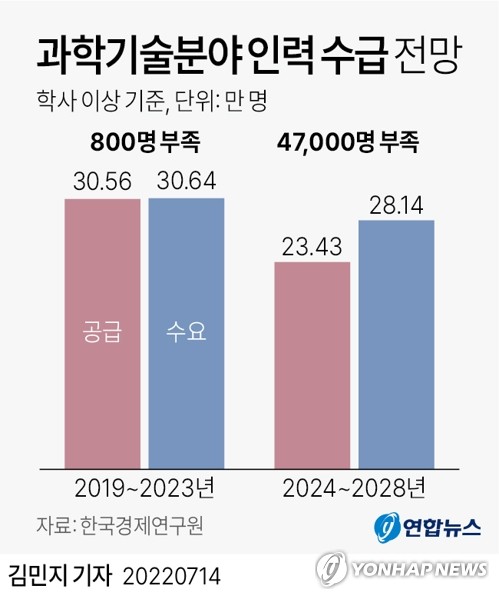
Implications of the 130,000 Labor Shortage Projection for 2028 The Hong Kong government recently comprehensively revised its medium-term labor supply and demand outlook, announcing a projected labor shortage of 130,000 by 2028. Notably, this figure is a decrease of 50,000 from the 180,000 projected two years ago. Several complex factors contributed to the reduction in the number of required workers, despite the overall expansion of the economy. One of the biggest causes is the structural transformation of the Hong Kong economy and the various talent attraction policies actively promoted by the government. By actively recruiting top talent from overseas, the chronic difficulty in hiring has been alleviated. Additionally, the rapid development of artificial intelligence technology over the past few years has significantly impacted how companies manage their workforce. As many repetitive and administrative tasks have been automated, the number of employees companies actually need to hire has decreased. Technological advancements have acted to reduce labor market demand itself, thereby lowering the projected labor shortage. Nevertheless, the figure of 130,000 still represents a massive gap that cannot be ignored. The government and businesses face the challenge of formulating sustainable measures to fill this shortage.
The projected labor shortage for 2028 was revised down to 130,000, but a significant gap is still anticipated.
4. Subheading

The Paradox of Coexisting Rising Unemployment and Labor Shortages At first glance, it is difficult to understand how a rising unemployment rate and a shortage of jobs can coexist with a projection of labor shortages. However, this phenomenon can be clearly explained by the economic concept of structural mismatch in the labor market. This is because there is a huge gap between the conditions or skills job seekers possess and the competencies companies actually require. Many people have the willingness and ability to work but remain unemployed because they cannot find suitable jobs. Conversely, there are countless companies with piles of job openings but struggling to find the right candidates. In reality, it is not uncommon for restaurants or construction sites to reduce operating hours or delay projects due to an inability to hire staff. On the other hand, young job seekers hoping for office or marketing positions are struggling to break through fierce competition and remain unemployed. This mismatch phenomenon intensifies when the majors and skills of graduates from educational institutions fail to keep up with changes in industrial demand. This is precisely why the government and the education sector must join hands to strengthen job-specific vocational training. It is urgent to establish a system for retraining workers’ competencies in line with the pace of technological development.
Unemployment and hiring difficulties occur simultaneously due to a structural mismatch between job seekers’ skills and companies’ requirements.
5. Subheading
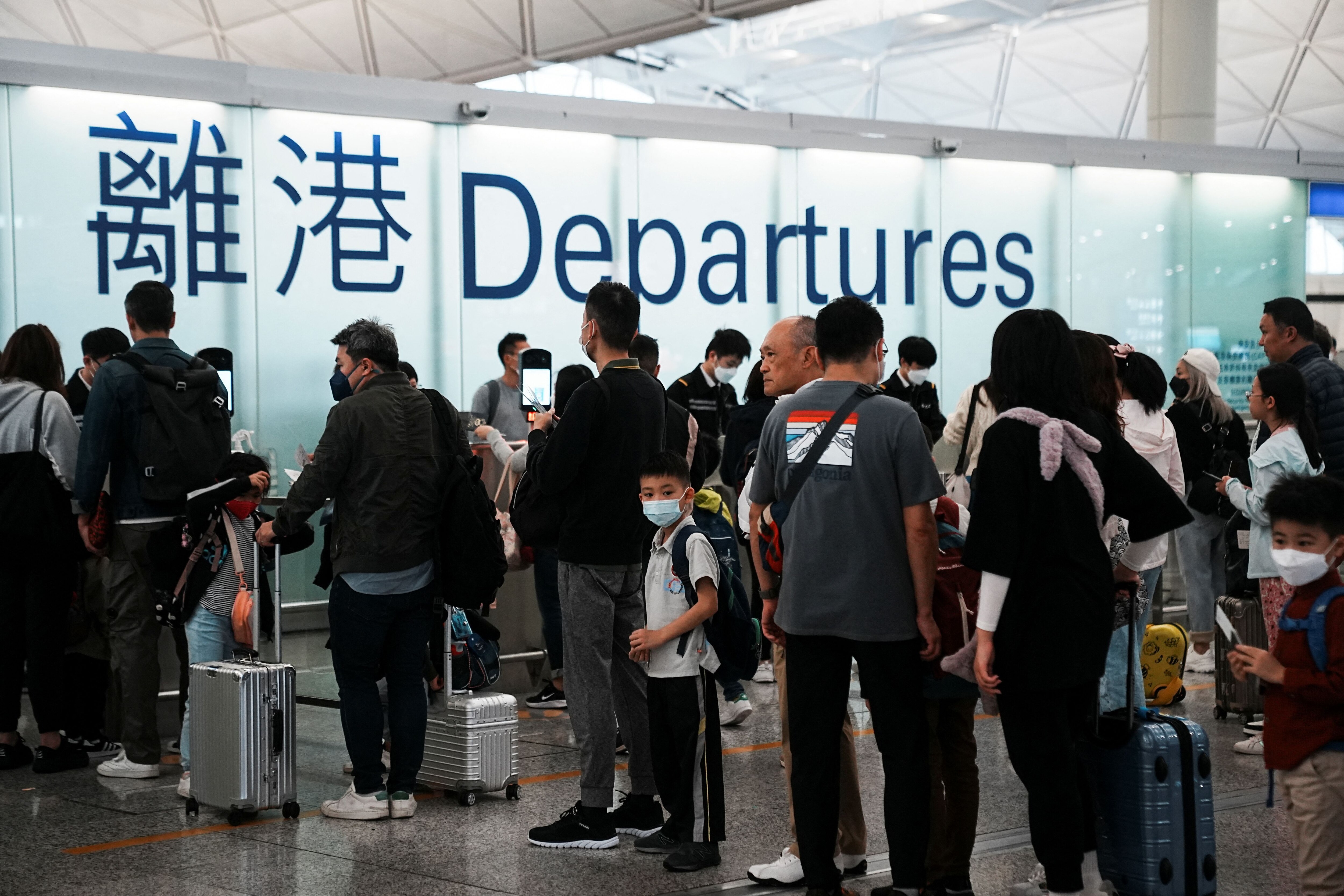
External Uncertainties and Future Trends in the Employment Market The Hong Kong Department of Labour and Welfare assessed that the current employment market is maintaining a certain level of support thanks to the overall trend of economic expansion. However, it pointed out that companies are taking a very cautious approach to new hiring due to the ever-changing uncertainties in the global economy. Whenever the global economy wobbles, Hong Kong companies, as a hub for trade and finance, tend to be the first to cut hiring scales. External shocks such as deteriorating trade environments or exchange rate fluctuations can bring an immediate cold snap to the employment market. Therefore, Hong Kong’s unemployment rate is expected to fluctuate within a range of 3.5% to 4.0% over the next few months. Most economic experts agree that a dramatic decline in the unemployment rate in the short term is unlikely. There is also a clear trend of companies preferring to hire experienced professionals on an as-needed basis or use contract workers rather than new graduates to cut costs. These changes in employment forms are making it even more difficult for early-career professionals to secure stable jobs. For job seekers, it has become more important than ever to equip themselves with the tools to prove their competitiveness in a rapidly changing employment environment. Unless government policy support and bold corporate investment come together, the employment cold snap will not easily dissipate.
Due to external uncertainties, Hong Kong’s unemployment rate is expected to fluctuate within the 3.5–4.0% range for the time being.
6. Subheading
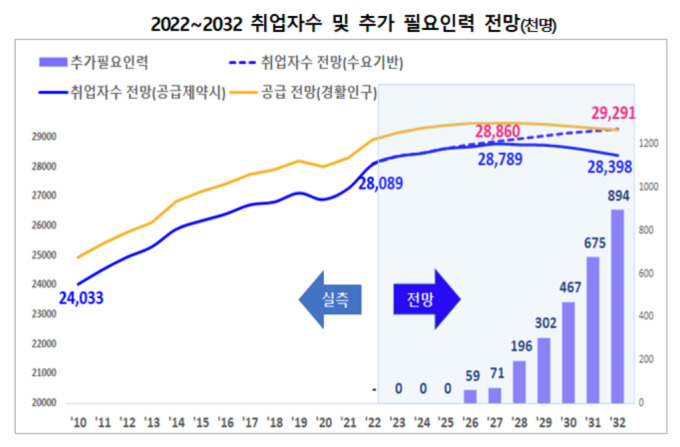
Survival Strategies in a Changing Labor Market The release of Hong Kong’s employment indicators this time offers significant implications and reveals the massive trends in the labor market. More important than a simple increase in the total number of jobs is the alignment between the skills job seekers possess and the practical competencies companies require. In an era where artificial intelligence and automation technologies are spreading across all industries, it is essential to cultivate unique capabilities that only humans possess. A lifelong learning attitude, constantly acquiring new skills rather than relying solely on knowledge gained in school, is indispensable. If one cannot flexibly adapt to changes in job structures, it will be difficult to find one’s place even if there are many jobs. Governments and society must not be fixated solely on the unemployment rate figures but should significantly expand vocational training and re-education programs. Practical, field-oriented education must be provided to narrow the gap between job seekers’ expectations and companies’ requirements. Furthermore, a practical safety net must be built for small and medium-sized enterprises and small businesses that are vulnerable to rapid changes in the employment environment. We need the wisdom to use Hong Kong’s case as a mirror to examine our own job ecosystem and calmly prepare for the future. A proactive attitude of riding the waves of change rather than being swept away by them will determine our future.
Continuous capability enhancement aligned with technological changes and practical, job-focused vocational education are the keys to survival.
Frequently Asked Questions
=