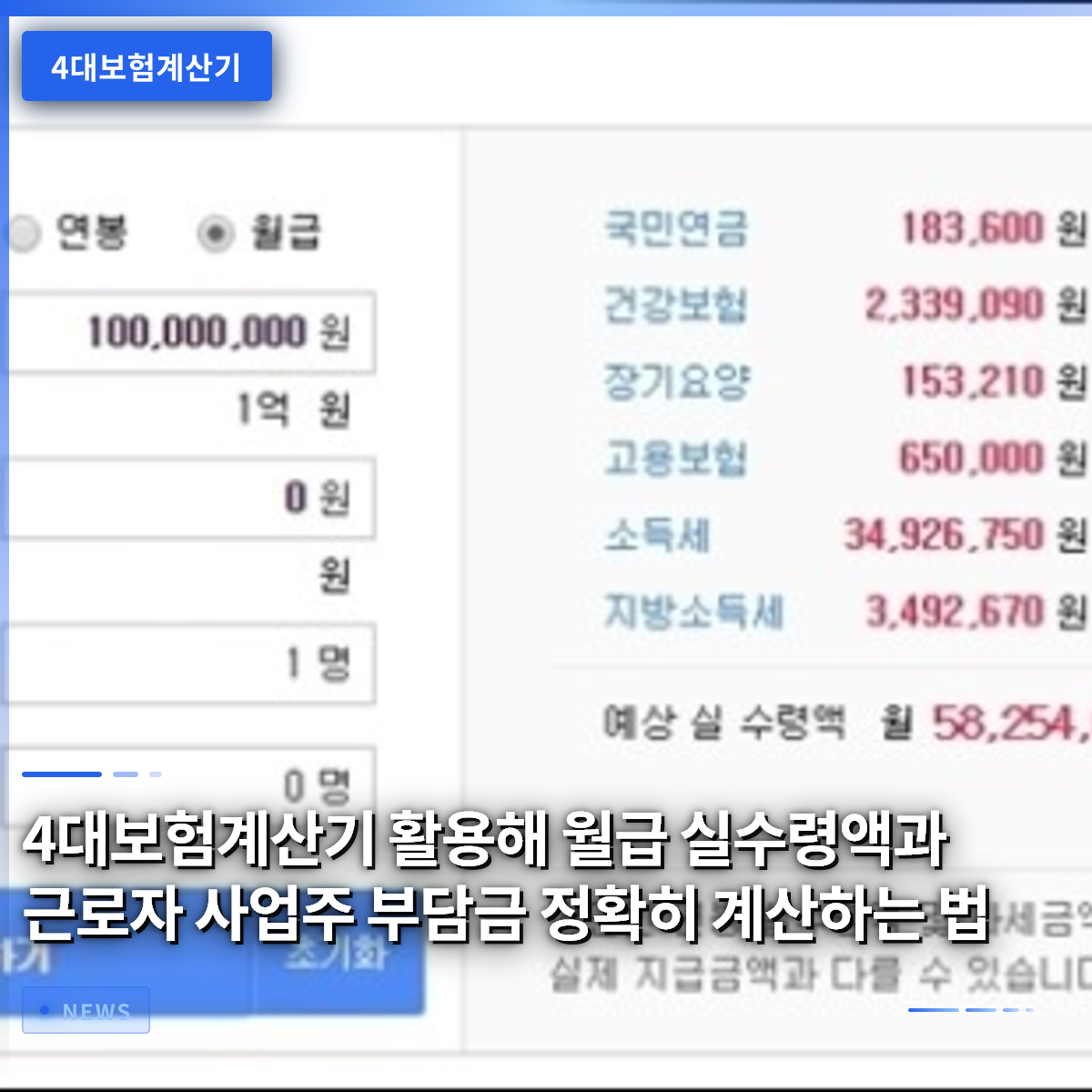
By using the 4 Major Social Insurance Calculator, you can accurately determine your actual net salary—the amount that actually lands in your bank account—in just a few seconds, without having to navigate complex tax and insurance deduction details. Many of us have likely experienced the confusion of receiving our monthly pay stubs and wondering why the actual amount differs from what we expected. The joy of a salary raise often fades quickly when you check your after-tax monthly pay and realize that significantly more was deducted than anticipated. This is especially true now, in 2026, as the latest salary standards and non-taxable meal allowance limits have shifted slightly, making accurate calculations even more critical. To help those who have been struggling to find and use various online tools, today we will explore how to smartly utilize the 4 Major Social Insurance Calculator and uncover the hidden deductions within your salary. By reading this article to the end, you will be able to fully understand your pay stubs and gain significant assistance in planning your financial management.
=
How to Accurately Calculate Your Net Salary and Employer/Employee Contributions Using the 4 Major Social Insurance Calculator
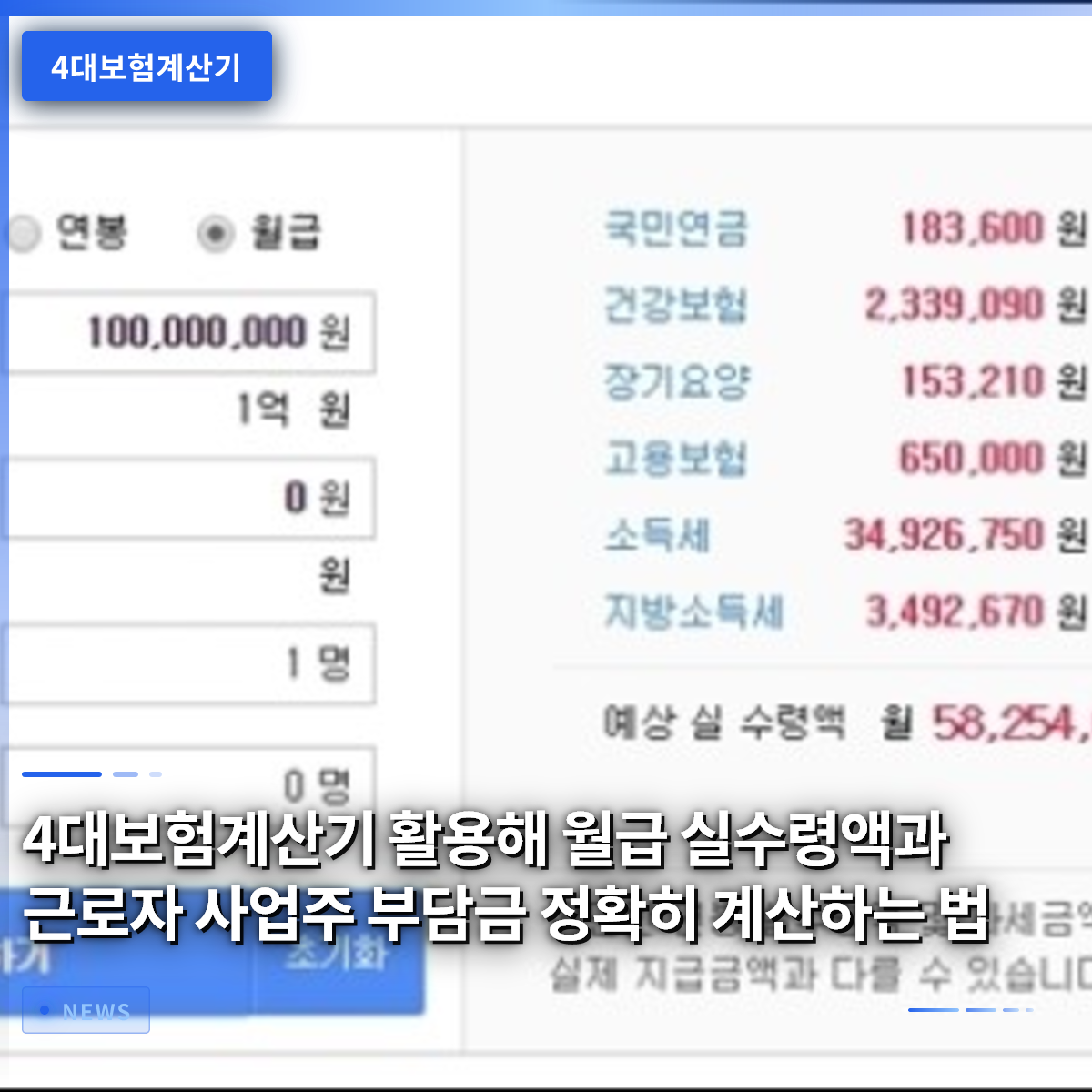
1. What is the 4 Major Social Insurance Calculator and Why Is It Essential?
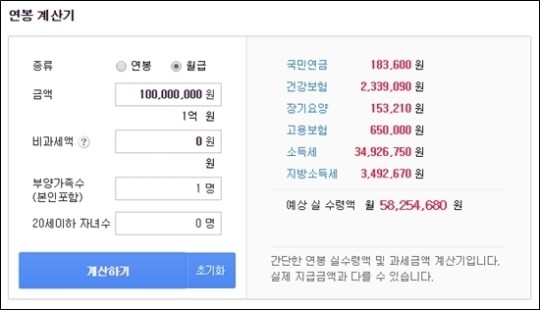
The 4 Major Social Insurance Calculator is a tool that easily calculates the four mandatory statutory insurance premiums—National Pension, Health Insurance, Employment Insurance, and Workers’ Compensation Insurance—based on your monthly salary. As an employee, you have these amounts withheld from your salary every month. The calculation formulas are quite complex, making it nearly impossible for the average person to calculate them mentally. Simply dividing your annual salary by 12 to estimate your monthly pay can lead to discrepancies of several hundred thousand won compared to the actual amount received, causing significant issues with your financial planning. For example, an employee with an annual salary of 70 million won might expect a monthly salary of 5.83 million won based on a simple calculation, only to be shocked by the actual amount received after various deductions. To minimize these errors and manage your funds accurately, it is necessary to actively utilize official simulation tools or specialized calculators. Only by understanding your exact labor income can you build a solid financial plan for future savings and investments.
The 4 Major Social Insurance Calculator is an essential tool that helps you understand complex deductions in advance, reducing errors in your net salary calculation.
2. The Burden Structure for Employees and Employers in National Pension and Health Insurance

The National Pension is levied at 9% of the total standard monthly income, with the burden split exactly in half between the employee and the employer. In other words, for a general employee, 4.5% of your salary is paid directly by you, while the remaining 4.5% is covered by your company. Similarly, Health Insurance premiums are split equally between the employee and the employer based on statutory rates determined annually by the relevant committee. Additionally, the Long-Term Care Insurance premium, which is a certain percentage of the Health Insurance premium, is deducted together, making the total perceived deduction feel larger than expected. For self-employed individuals and small business owners, who must bear this burden entirely on their own, using a calculator to estimate expenses in advance is even more important. Even for regular employees, there is a significant difference between knowing and not knowing the rates applied to the amounts deducted from your salary.
National Pension and Health Insurance are calculated with the burden split equally between the employee and the employer.
3. The Cost-Saving Effect of Applying Non-Taxable Items to the 4 Major Insurance Premiums

When using a salary calculator, it is crucial to accurately distinguish and input non-taxable items such as non-taxable meal allowances or self-driving subsidies. For example, even if an employee’s monthly salary is 3 million won, if 200,000 won of that is recognized as a non-taxable meal allowance, the base amount for calculating taxes and insurance premiums drops to 2.8 million won. Because the base amount is lower, you can significantly reduce the monthly burden of the 4 major insurance premiums and income tax. However, not all meal allowances are treated as non-taxable; this depends on company regulations and the actual payment method, so careful verification is required. Even with the current standards in 2026, whether or not you accurately know and reflect the non-taxable limit regulations in your calculations can result in a difference of several hundred thousand won in your net salary each year. It is necessary to develop the habit of checking in advance which of your salary items qualify as non-taxable.
You must accurately distinguish and input non-taxable meal allowance items to reduce 4 major insurance premiums and taxes, resulting in an accurate net salary calculation.
4. How to Cross-Verify Using the Official Linked Center and Private Insurance Calculators
While there are numerous private simplified insurance calculators available on the internet, using official tools from public institutions is the safest way to obtain accurate results. Notably, utilizing the official simulation calculator provided by the 4 Major Social Insurance Information Linked Center yields the most reliable results. Cross-verifying the calculation results from various private sites with the certified results from public institutions is the quickest way to eliminate errors in your net salary calculation. Occasionally, results may differ slightly between sites due to system errors or differences in the timing of the latest rate updates, making careful comparison essential. It is very useful to bookmark official platforms that immediately reflect the insurance premium rates and minimum wage standards that change slightly each year. Comparing the amounts on your pay stub with the calculation results to ensure they match exactly is also a matter of upholding your basic rights as an employee.
You must cross-verify using the official Information Linked Center calculator and private tools to calculate the most accurate insurance premiums.
5. Utilizing Customized Labor Calculation Tools for the Construction Industry and Specialized Occupations
Unlike general workplaces, the construction industry and specially employed sectors have vastly different methods for calculating the 4 major insurances and a definitive settlement system, necessitating specialized tools. Recently, expert groups such as Labor Law Firm Myeongmun have introduced integrated practical tools that assist with complex labor management and insurance premium calculations aligned with the definitive settlement period for the construction industry. Platforms that can handle salaries, severance pay, and annual leave allowances for daily-wage workers and regular employees on construction sites all at once have received great acclaim from practitioners. These tools accurately reflect the characteristics of Employment Insurance and Workers’ Compensation Insurance in the construction industry, which are difficult to calculate with general employee calculators, greatly helping to prevent additional charges. By utilizing specialized calculation tools tailored to your specific occupation, you can prevent unnecessary tax risks in advance. The emergence of specialized platforms that support everything from recruitment to 4 major insurance reporting acts as a major advantage in the rapidly changing labor market.
Specialized occupations, such as the construction industry, require customized integrated labor tools different from general calculators for accurate calculations.
6. Smart Asset Management by Comparing Pay Stubs with the 4 Major Social Insurance Calculator
The habit of carefully comparing the deduction details on your monthly pay stub with the results you calculate yourself using the 4 Major Social Insurance Calculator is the beginning of successful asset management. Occasionally, over-deductions may occur due to mistakes by the company’s payroll staff or system errors, so you must take care of your own rights. Only by planning your expenses and savings based on your accurate net salary can you prevent unexpected funding shortages in the process of building future assets. In the future, tax laws and insurance premium rates will continue to be finely adjusted to match inflation and economic conditions, so you must always keep an eye on the latest information. Smart employees should not stop at simply receiving their salaries but should adopt the attitude of independently verifying and checking the standards that change every year. Right now, please run the calculator based on your current annual salary information and check the actual net salary in your bank account.
Frequently compare your pay stub with calculation results to protect your rights and complete a smart asset plan.
Frequently Asked Questions
=