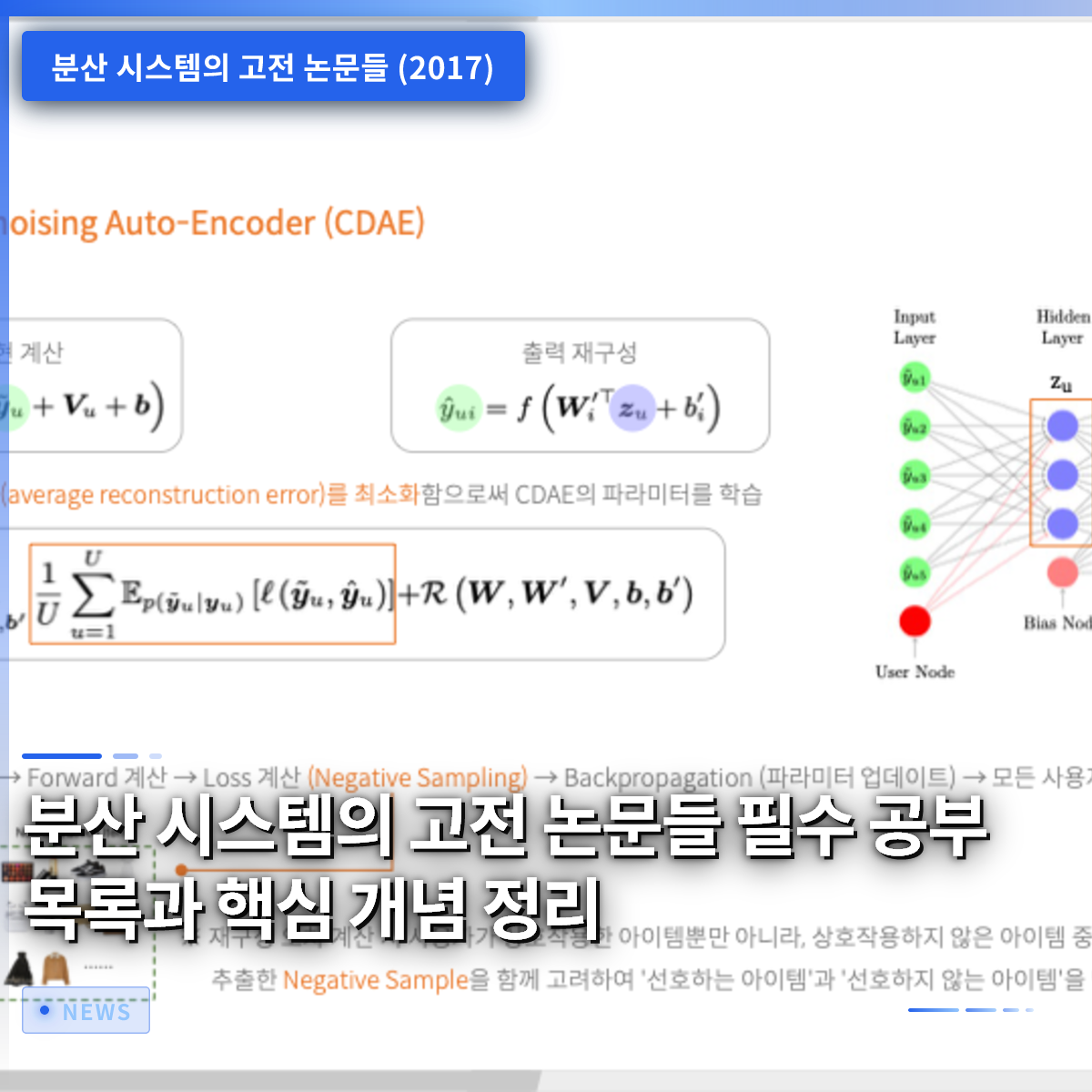
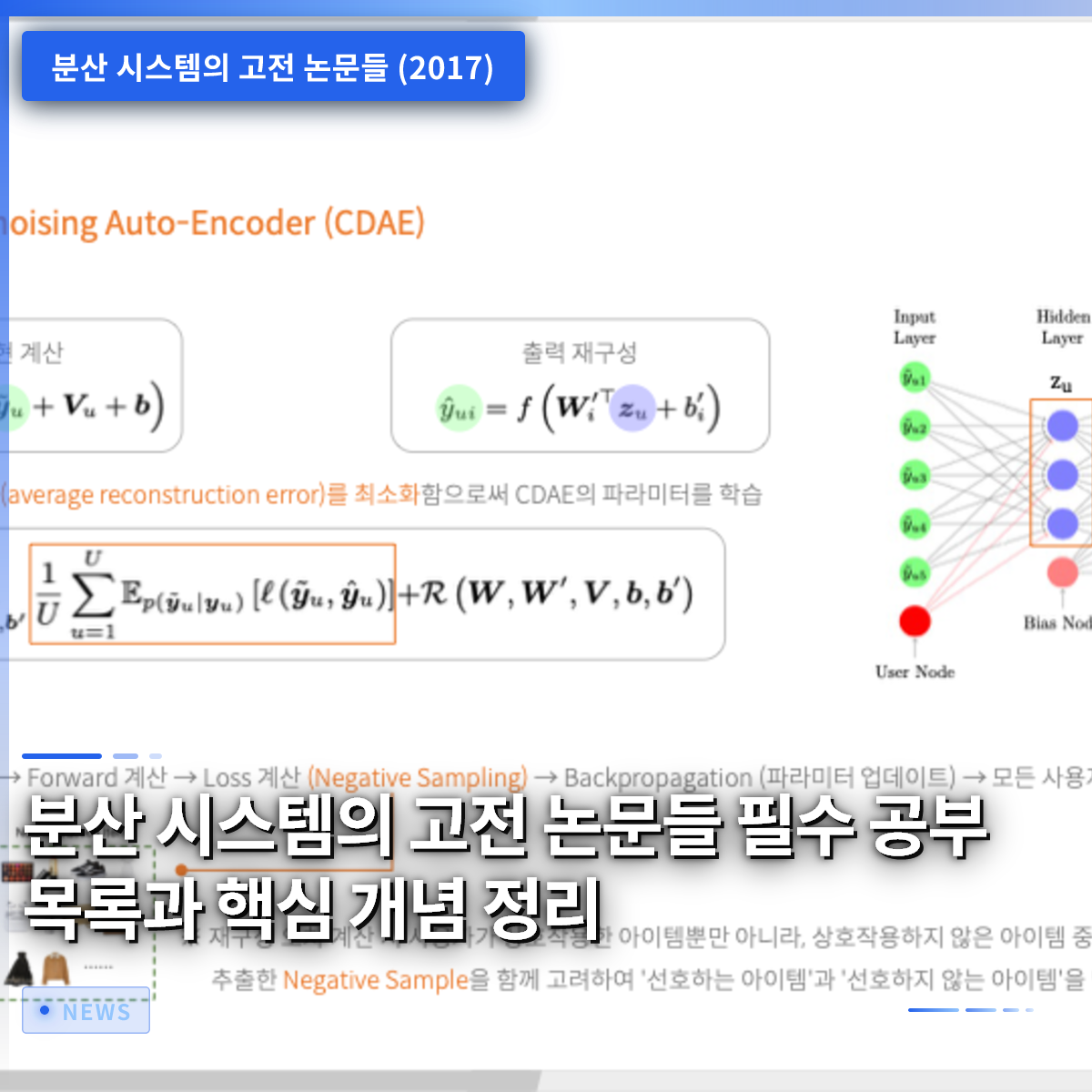
To truly understand distributed systems, it is essential to read the classic papers that laid the foundation for modern technology. Today’s cloud environment, where multiple computers collaborate to run a single massive program, was not built overnight. It is the theories that pioneering researchers pondered and proved over decades that make today’s stable services possible. The principles behind the real-time synchronization of smartphone apps we use daily with servers worldwide are also built upon these foundational theories. In this article, we will examine the key papers that have significantly impacted the field of distributed computing and delve into the wisdom contained within them. Let us take a detailed look at what problem consciousness past scholars had and how they laid the groundwork for today’s technological infrastructure.
=
Essential Reading List and Core Concepts of Classic Distributed Systems Papers
1. Ordering Time and Events
The time synchronization problem that arises when multiple nodes in a distributed system each have their own clocks is extremely difficult. Due to network latency, it is not uncommon for an event that occurred first on one computer to be recorded later on another. In a paper published in 1978, Leslie Lamport introduced the concept of logical clocks instead of physical clocks to clearly define the causal relationships between events. This became a groundbreaking foundation for understanding the sequence of events without contradiction when multiple servers exchange messages. The reason why shopping cart data does not get corrupted when we make payments on online shopping malls is also due to this logical ordering. Practical developers can use this theory as a basis to develop the ability to accurately trace logs and debug errors in distributed environments. It must start with acknowledging that it is practically impossible for computers to perfectly align physical time. By mathematically modeling the “happened-before” relationship that defines causality, they began to unravel the tangled web of complex distributed environments. This paper did not remain merely theoretical; it became the backbone of numerous database management tools that emerged later. The answer to the concurrency control problem, which every engineer in the field encounters at some point, is hidden within this document. Therefore, for beginners studying distributed systems, it is a wise choice to start by opening this classic study.
The concept of logical clocks, which overcomes the limitations of physical clocks and defines the causal relationships of events, forms the most fundamental backbone of distributed computing.
2. The Byzantine Generals Problem and the Impossibility of Consensus
There is the problem of how an entire system can reach consensus when some nodes fail or spread false information in an untrusted network environment. The Byzantine Generals Problem metaphorically expresses the confusion that arises when generals of multiple armies must exchange messages to decide on an attack time, but traitors are mixed in. Coupled with this, research published in 1985 mathematically proved that perfect consensus is impossible in an asynchronous distributed system even if only a single process exhibits a fault. This surprising conclusion led developers to move away from the illusion of building an absolutely perfect system and seek realistic compromises. Long before the emergence of blockchain technology, it clearly pointed out the limits of decision-making among participants lacking trust. Modern distributed databases continue to engage in a fierce tug-of-war between availability and consistency to overcome these limitations. Only by accepting the premise that perfect consensus is impossible can one gain the insight to design feasible protocols. For example, when two customers simultaneously try to grab the last seat in an airline reservation system, the system must make a single decision without contradiction. The defensive mechanisms that prevent the entire network from stopping even in the presence of traitors or faulty nodes originated from these studies. For infrastructure designers who must secure both security and stability, these papers still function as powerful guidelines.
The proof that perfect consensus is impossible even with a single faulty process presented the realistic limits and direction for distributed system design.
3. Global State Determination and Replication Protocols
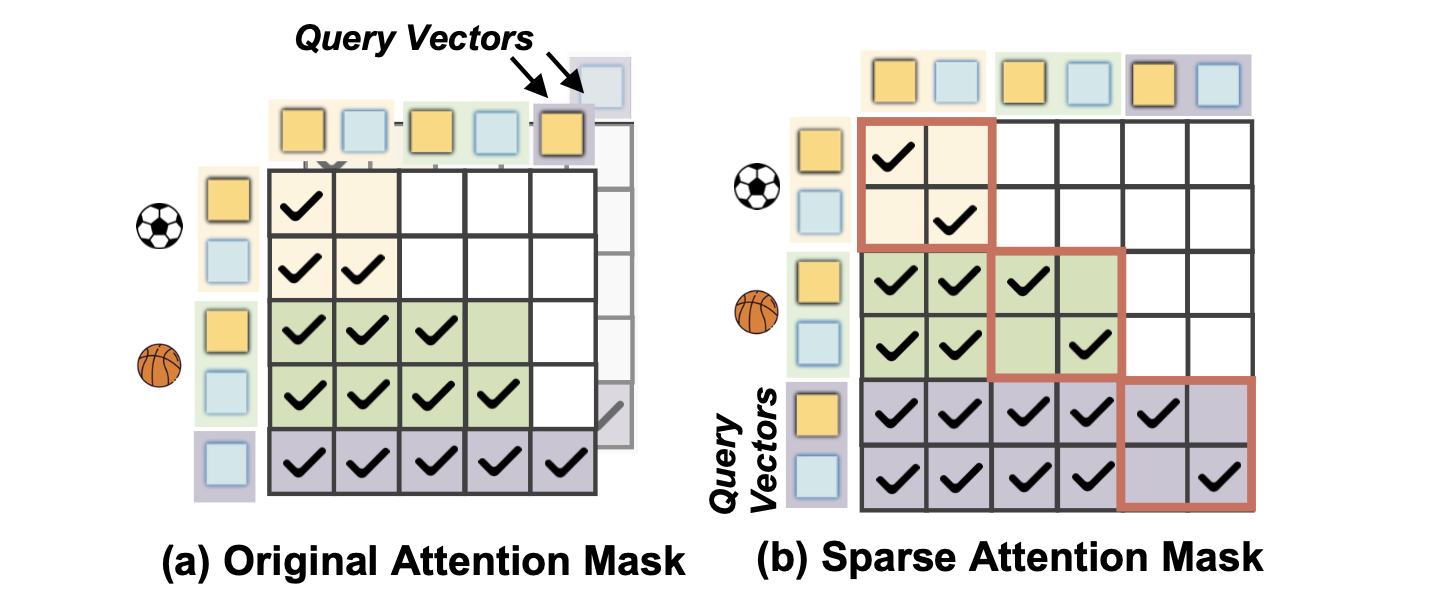
Taking a snapshot of the entire distributed system to accurately grasp the current state is by no means an easy task. The distributed snapshot paper published in 1985 presented a method to consistently record the state of each node and channel without stopping the entire system. This technique plays a crucial role in recovering backup data or diagnosing system states when failures occur in large-scale clusters. Subsequent research on replication systematically refined the primary copy method, which prevents data loss while maintaining high availability. The foundation for seamless service, where a standby server naturally takes over when a primary server suddenly goes down, was laid here. In actual operational environments, database replication serves as the most reliable shield against service interruptions caused by server failures. Architectures that distribute the massive read and write load on the primary server across multiple replica servers are also rooted in this principle. Without snapshot technology that can accurately grasp the global state, reconciling the books of a large-scale payment system would instantly become a chaos. Engineers can realize the subtlety of algorithms that safeguard data integrity even within complex network communications through this research. It is essential knowledge that development organizations building and operating stable large-scale platforms must master.
Snapshot technology that records the consistent state of the whole without stopping the system and the primary copy method are essential conditions for high-availability services.
4. Paxos and Understandable Consensus Algorithms

Paxos, synonymous with distributed consensus algorithms, was one of the theories notorious for being difficult to understand for a long time. Leslie Lamport used a metaphor of a virtual parliament to explain, like a fable, how nodes reach agreement in a complex distributed environment. Subsequently, scholars introduced new consensus algorithms that refined this difficult theory to be more intuitive and easier to implement. The secret to maintaining a stable state internally in numerous cloud infrastructures and orchestration tools like Kubernetes today lies in these consensus algorithms. It is a representative case showing how valuable the efforts to simplify complex theories into forms that can be directly applied to practice have been. The process of creating a single truth by obtaining majority consent, even in a situation where dozens of servers do not trust each other, is similar to a democratic vote. If a flaw occurs in the consensus algorithm, data loss or split-brain phenomena can occur, leading to a catastrophe where the entire infrastructure is paralyzed. Therefore, engineers must deeply understand the mechanism by which Paxos-family protocols approve proposals and resolve conflicts. Recently, alternative algorithms that significantly reduce implementation complexity have been widely adopted, lowering the barrier to entry for developers in the field. These studies, which add practicality to a solid theoretical foundation, are a great legacy of modern software engineering.
Algorithms that simplified difficult consensus theories for practical application are the core engines safeguarding the stability of modern cloud infrastructure.
5. Bitcoin and Conflict-Free Replicated Data Types
The P2P electronic cash system introduced by Satoshi Nakamoto in 2008 proved that a distributed network can maintain the trust of currency without a central authority. This innovative system brilliantly combined cryptographic techniques and consensus algorithms, opening up the possibility of an economic ecosystem without a central server. On the other hand, in the database field, research on Conflict-Free Replicated Data Types (CRDTs), which allows data modified simultaneously on multiple nodes to be safely merged without locks, received significant attention. Thanks to this technology, users can input data on their smartphones even when the internet connection is cut, and enjoy a smooth experience where it automatically syncs without conflict once the network reconnects. These were radical attempts that completely shook the existing framework of relying on centralized servers. Data synchronization in distributed environments is always cited as one of the most headache-inducing challenges for developers. Collaborative editor features that automatically resolve conflicts arising when multiple users edit the same document simultaneously also actively utilize these mathematical models. Blockchain ecosystems and distributed ledger technology have starkly shown the impact that trust building without intermediaries has on the real economy and IT services. Decentralized services, free from central server failures or censorship, have now established themselves as a realistic alternative rather than just a future trend. Behind these technological leaps, the deep roots of decades of accumulated distributed computing research stand firmly.
P2P currency systems and lock-free data type research have expanded the horizons of innovative distributed services that do not rely on central servers.
6. Future Distributed Systems Research and Advice for Readers

As the computing environment evolves beyond the cloud into the era of edge computing and quantum networks, the value of classic papers is shining even brighter. Even as new hardware emerges and communication speeds become dazzlingly fast, the essential problems of consensus and time synchronization between nodes never disappear. On the contrary, the problems that past pioneers pondered are being reproduced even more intensely today within the context of ever-growing data and complex microservice architectures. If you want to take your development skills to the next level, you should not just focus on learning how to use the latest frameworks, but delve deeply into the history and principles of these foundational technologies. The habit of seriously contemplating the questions raised by classic papers cultivates solid engineering capabilities that remain unshaken amid fickle technology trends. Forming a study group with colleagues to read Lamport’s papers step by step can be an excellent self-development strategy. It is essential to go beyond simply reading theory and bridge the gap between theory and practice by directly implementing simple distributed code. When facing terrifying failure situations where data integrity is broken, the insights gained from classic papers serve as an excellent compass providing clues to problem-solving. I recommend opening the list of classic papers today to solidify the unchanging fundamentals for the upcoming era of even larger data. Only engineers equipped with solid foundational knowledge will earn the qualification to lead the technological innovations of the future.
Even in a rapidly changing technological environment, the fundamental principles and insights provided by classic distributed systems papers remain the engineer’s most powerful weapon.
Frequently Asked Questions
=