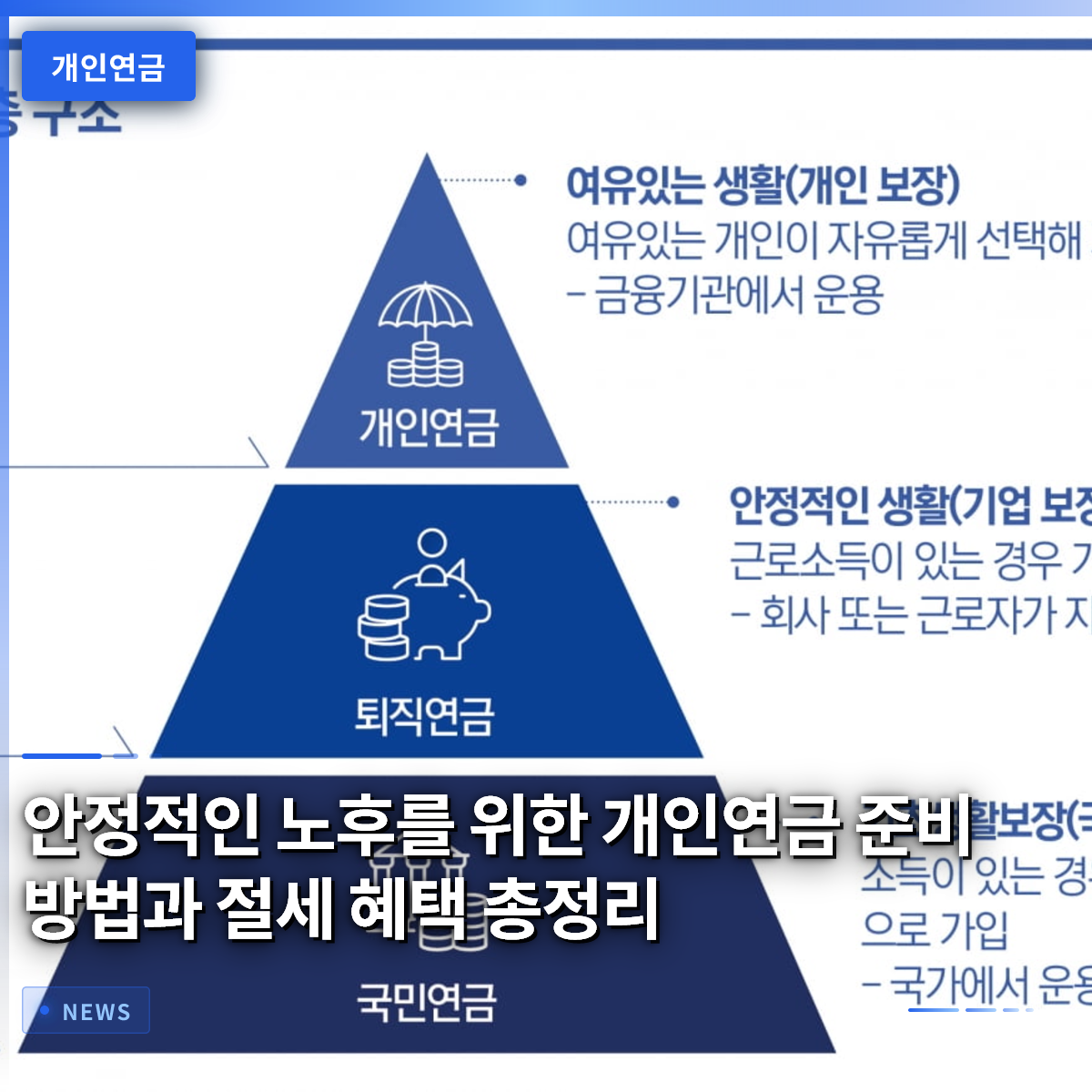
To enjoy a stable retirement, it is essential to secure a personal pension in addition to the National Pension provided by the state. When speaking with acquaintances who are approaching retirement, many express that the funds from the state alone are barely enough to cover basic needs for food, clothing, and shelter, especially when accounting for inflation. In reality, the amount of retirement funds required before the age of 60 varies depending on living arrangements and lifestyle, but it is generally calculated to be a substantial sum, often reaching hundreds of millions of won. In this situation, funds consistently prepared each month play a crucial role as the lifeline that determines the quality of life after retirement. In this article, we will explore realistic pension strategies and tips for selecting financial products that are easily accessible to both working professionals and housewives. The small steps you take now will pave the way for a prosperous daily life in the coming years.
=
How to Prepare a Personal Pension for a Stable Retirement: A Complete Guide to Tax Benefits
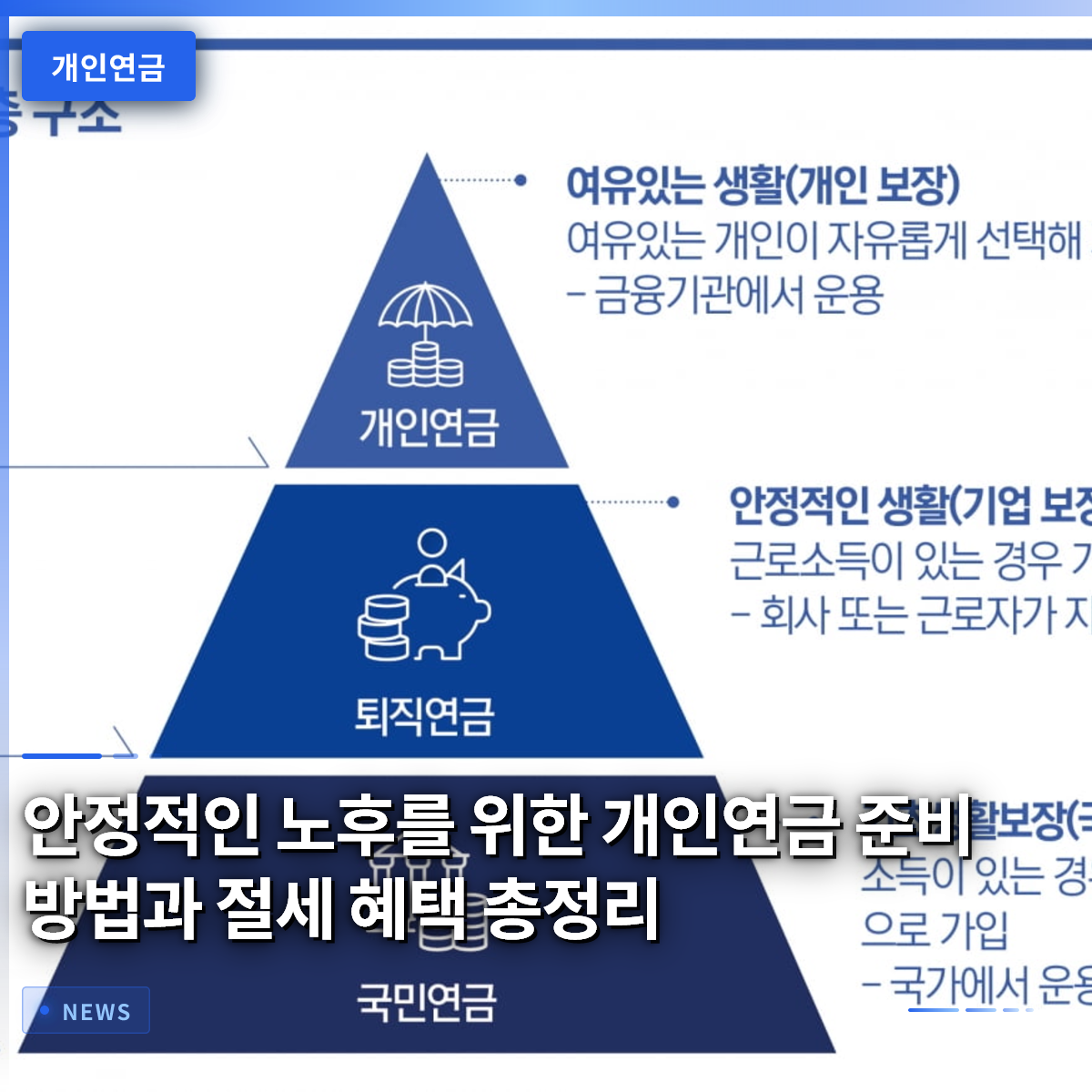
1. Why the National Pension Alone Is Insufficient and the Need for a Personal Pension
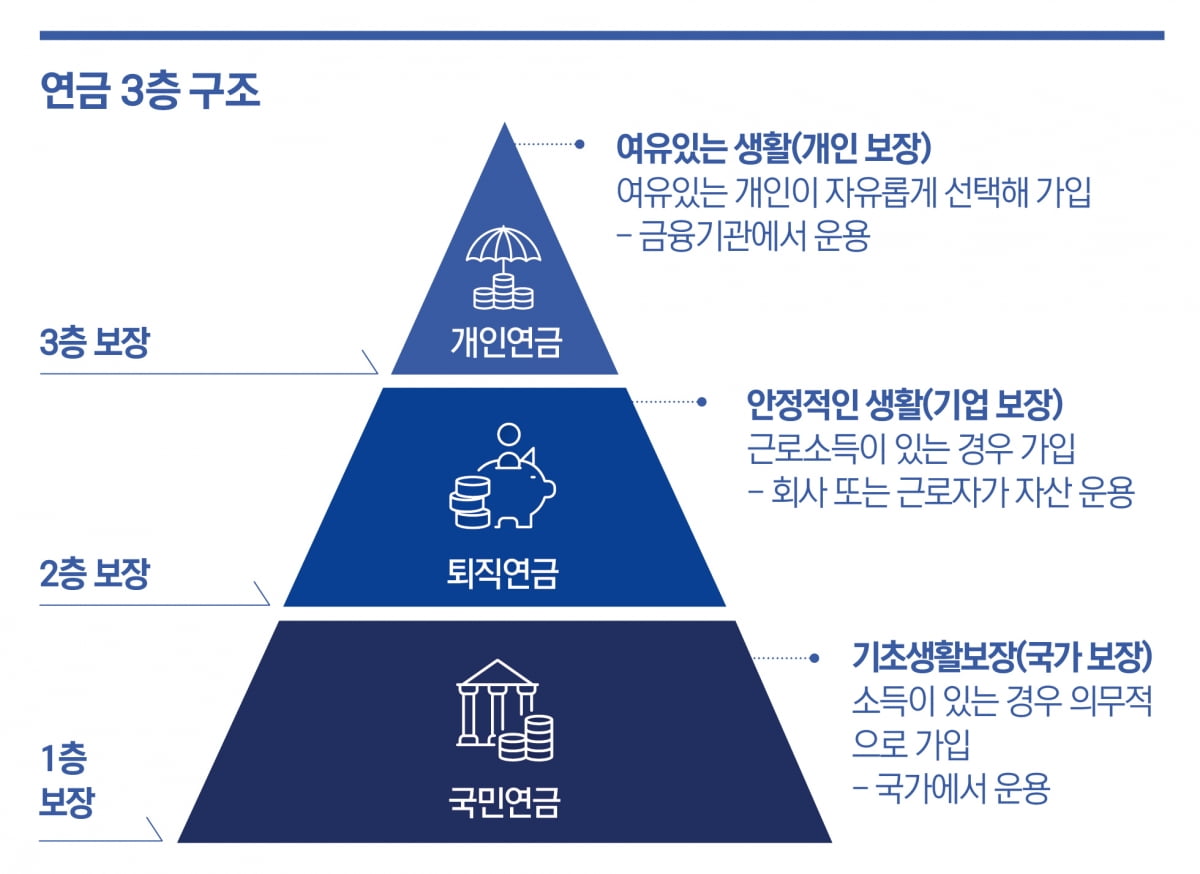
Although the National Pension system exists, we must face the fact that it is far from sufficient to fully support life after retirement. Comparing the estimated National Pension amount deposited into your account each month with the inflation rate reveals a significant decline in real purchasing power compared to the past. For example, a retiree living alone in Seoul faces fixed living expenses for basic management fees and food that are much higher than one might expect. Therefore, a secure retirement asset structure is only completed by adding the solid flesh of a personal pension to the skeleton of the National Pension. Many people postpone saving because retirement feels like a distant story in their youth, only to find themselves scrambling later on. However, to benefit from the magic of compound interest, it is advantageous to open an account and start contributing as soon as possible, even by a single day. Everyone, from early-career professionals to housewives busy raising children, should set a monthly contribution amount that suits their circumstances. Every time I hear from an acquaintance about treating their family to a delicious meal using their monthly pension income, I envy the comfort that comes from early preparation. The wisest first step is to set up automatic transfers immediately, at a level that does not strain your current income.
It is essential to prepare a personal pension early to supplement the insufficient retirement living costs that the National Pension alone cannot cover.
2. How to Maximize Tax Benefits with Pension Savings Funds
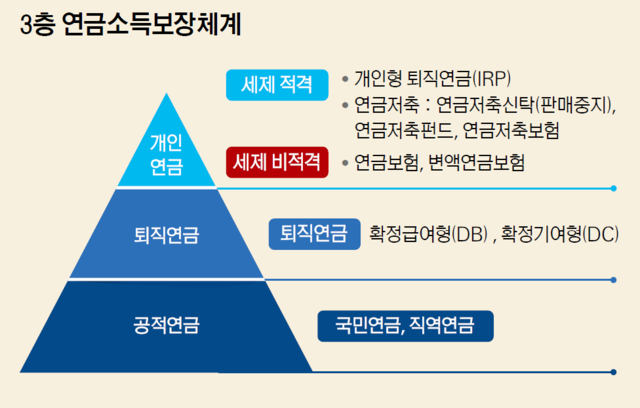
Pension savings accounts are considered an essential wealth management tool for employees because they offer tax credit benefits during the annual tax settlement. Since a certain percentage of the contributed amount is refunded, these products play a vital role in boosting your “13th-month salary.” Recently, products that allow direct investment in funds or Exchange-Traded Funds (ETFs) through securities firms have gained significant popularity, adding the enjoyment of growing assets. The prevailing strategy is to diversify investments into equity assets to pursue returns that outpace inflation, rather than simply leaving money in stable products sold by banks. In fact, one of my colleagues has demonstrated how their assets have snowballed by reinvesting their entire annual tax refund into their pension account. This process allows one to fully enjoy the tax benefits provided by the state while simultaneously benefiting from the compound interest effects of long-term investment, achieving a two-for-one benefit. However, it is important to note that since the money in the account is locked away for retirement, early termination may result in a heavy tax penalty. Therefore, it is safer to carefully calculate a consistent monthly contribution amount based on surplus funds that you do not need immediately.
Using a pension savings account allows you to secure both annual tax credits and long-term investment returns simultaneously.
3. Combining Individual Retirement Pension Accounts with Government Bond Investments
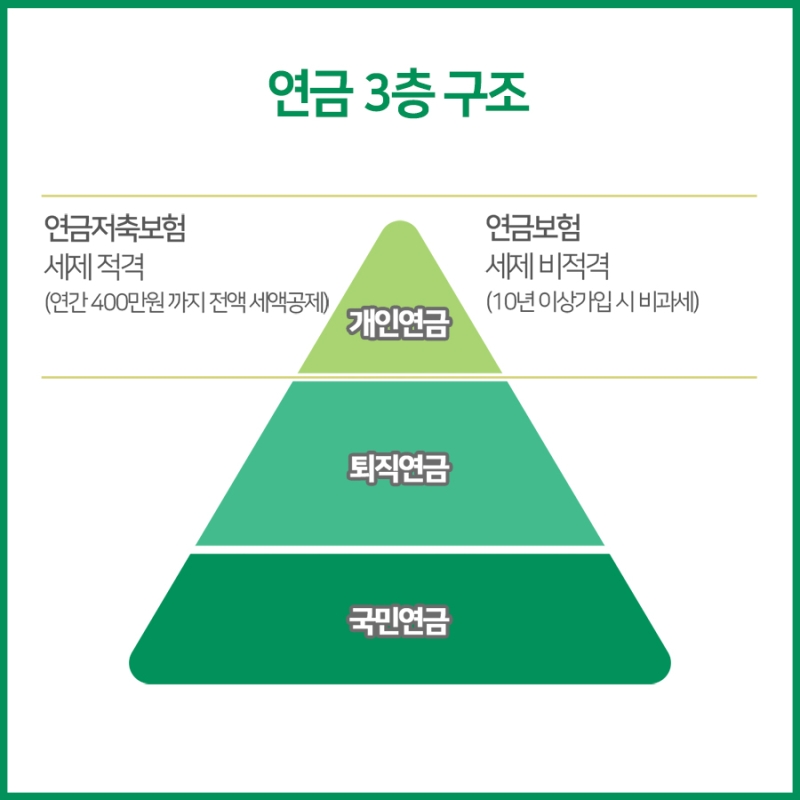
The Individual Retirement Pension (IRP) account is a powerful tool that not only manages existing severance pay for employees but also allows individuals to make additional contributions to increase tax benefits. Recently, the scope of asset allocation has expanded significantly as the financial market has opened up the possibility of purchasing stable government bonds through these accounts. In the past, there were regrets due to limited choices of securities firms and restricted investment products, but now they are easily accessible through various financial institutions. If you want to maintain peace of mind in the volatile stock market, including government bonds to increase the proportion of safe assets is an excellent alternative. Do not forget that as retirement approaches, protecting the stability of your assets becomes far more important than aggressive growth. For example, holding 10-year or 20-year government bonds within your IRP account allows you to expect stable interest income until maturity, providing peace of mind. When discussing retirement funds with colleagues, it is evident that there is a keen interest in products that protect principal while defending against inflation. Even without complex financial knowledge, understanding and utilizing these institutional changes can help you design a secure retirement one step ahead of others.
The ability to purchase government bonds in an IRP account has made it easier to implement strategies for increasing asset stability.
4. Finding the Golden Ratio Between National and Personal Pensions
For a successful retirement, it is necessary to appropriately allocate the proportion of the state-guaranteed National Pension and personal pension products according to your income. The ideal goal for securing retirement funds, recommended by retirement experts, is to consistently maintain a level of 70% of your pre-retirement income. In this process, the most ideal scenario is for the National Pension to provide a solid foundation, with the remainder filled by personal products and various savings. If you determine that your expected benefits are insufficient, you need to make the decision to gradually increase your monthly contributions immediately. Listening to the stories of retired seniors, many cite their biggest regret as not saving a little more in their younger days. If you develop the habit of slightly reducing your consumption and transferring that amount to your pension account from your monthly salary, you will be able to see a noticeable increase in your assets in a few years. In particular, freelancers with unstable incomes or housewives who have had career breaks should not rely solely on state systems but must build their own defense through products in their own name. It is required to sit down with your family, carefully calculate your household’s expected future expenses, and work backward to prepare the necessary funds.
You should aim for a certain percentage of your pre-retirement income and maintain a balanced ratio between the National Pension and personal pensions.
5. Smartly Securing Local Government Subsidies and Financial Institution Events
Financial institutions run various events to attract customers, offering special benefits to those who open accounts or increase their net deposits. For example, promotions are frequently held where customers who make net deposits above a certain amount within a specific period receive cash points or preferential interest rates. Diligently finding this information and moving accounts or making additional contributions allows you to secure small but definite financial gains compared to others. Additionally, some local governments or institutions provide matching subsidies to help residents build assets if they meet specific conditions. By regularly checking financial news or related blogs via smartphone apps, anyone can easily discover valuable information. Taking time on weekends to check the event pages of your securities firm and temporarily moving funds to meet the conditions can yield surprising rewards. When gathering with acquaintances, sharing these financial tips often leads to mutual discovery of useful information and exclamations of surprise. As the saying goes, “A grain of sand makes a mountain,” the diligence to not miss minor event participation and preferential benefits is ultimately the secret to creating an asset gap.
Actively utilizing financial institutions’ net deposit events and various support systems can help you secure additional returns and benefits.
6. Mindset and Practical Strategies for a Successful Retirement
Based on the various methods discussed so far, it is most important to create a concrete action plan that can be executed immediately today. No matter how good the system or how excellent the product, no change will occur unless you personally open an account and take action. Retirement does not arrive suddenly; it appears before us as the result of small choices and habits accumulated over decades. After reading this article, start with small actions like turning on your smartphone to check your pension account or reviewing your contribution amounts. The only way to smile and say “I’m so glad I started then” when looking back in a few years is to open your wallet and start saving right now. While prices continue to rise and the economic situation remains unpredictable, a solid defense prepared by yourself allows you to weather any storm. Rather than being swayed by the temptations of flashy consumption around you, you should continue contributing consistently, viewing it as the most valuable gift for your future self. I hope you will systematically manage your monthly savings starting today, envisioning a future where you travel with your grandchildren in comfort.
Do not stop at planning; the key to a successful retirement is to check your account today and practice consistent contributions.
Frequently Asked Questions
=