Transferring your IRP (Individual Retirement Pension) account to a securities firm and investing in Exchange-Traded Funds (ETFs) allows you to enjoy year-end tax deduction benefits while growing your assets. If you leave your money sitting in a bank deposit, it may fail to keep up with inflation, causing your valuable assets to erode. The financial product that working professionals must manage to maximize their year-end tax refunds is the Individual Retirement Pension. While many colleagues focus solely on stocks or cryptocurrencies, an increasing number of retirees are using this account to generate a monthly cash flow of several million won. In this article, we will explore specific strategies for maximizing tax deduction limits and generating returns while wisely adhering to the 30% safe asset regulation.
=
How to Use Your IRP Retirement Account: Tax Deduction Limits and Strategies to Boost Returns
1. The Risks of Neglected Retirement Pensions and the Need to Transfer to a Securities Firm
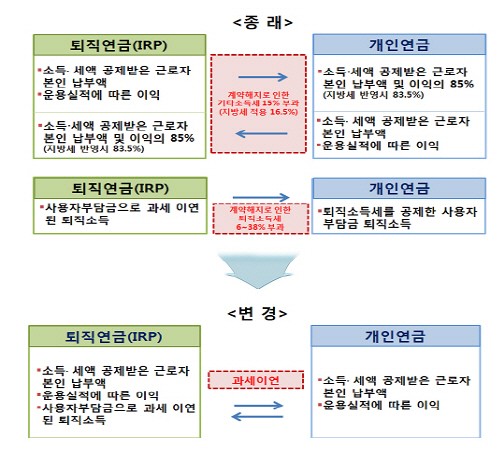
If you leave your retirement pension tied up in a bank, its real value will continue to decline as it fails to keep pace with inflation. Many working professionals believe that retirement pensions should naturally be kept safe in bank deposits, but in a low-interest-rate environment, interest earnings often fall below the inflation rate. In fact, more people are transferring their entire accounts to securities firms to manage ETFs directly, as seen in the first half of this year. Moving to a securities firm account provides access to a wide variety of equity and bond ETFs, completely changing the pace of asset growth. The first step in waking up your dormant pension is opening a non-face-to-face account with a securities firm and applying to transfer your existing account.
After transferring your account to a securities firm, you can diversify your investments across various index-tracking products to enjoy long-term compound interest effects. It is common to find cases where working professionals in their 40s have multiplied their assets several times over in a few years by consistently investing in products that track the U.S. stock market or major domestic indices. It is convenient to select products that match your investment profile based on expert advice and set up automatic transfers. You can experience your assets growing on their own without needing to pay close attention amidst a busy daily life. This is why you should no longer be satisfied with low bank deposit rates and should start managing your assets proactively.
Transferring a neglected retirement pension to a securities firm and investing in ETFs can prevent asset value decline and boost returns.
2. A Complete Guide to Tax Deduction Limits and Differences from Pension Savings

As the year-end tax settlement season approaches, the biggest concern for working professionals is how much tax they can get back. By utilizing both the Individual Retirement Pension and Pension Savings, you can maximize the deduction limits and receive refunds ranging from hundreds of thousands to over a million won. Understanding the combined deduction limit regulations for Pension Savings accounts and this system, and adjusting your contribution amounts accordingly, is the key to tax savings. Since annual contribution limits and tax deduction rates vary depending on income levels, you should check your annual salary withholding statement in advance.
Many people mistakenly believe that early withdrawal is possible when they need urgent cash, but this system only allows early withdrawal under strict legal grounds, such as securing a deposit for a lease for non-homeowners or covering medical expenses for long-term treatment. Therefore, you should only contribute surplus funds that you do not need immediately to avoid financial difficulties later due to a lack of living expenses. The reason this system is considered an essential tax-saving tool for working professionals, with broader tax deduction limits compared to Pension Savings, lies here. Try to make consistent monthly contributions and secure the definite reward of a year-end tax refund.
Combining Pension Savings and Individual Retirement Pension contributions can maximize your year-end tax refund.
3. The 30% Safe Asset Mandate and How to Use Bond-Mixed Products
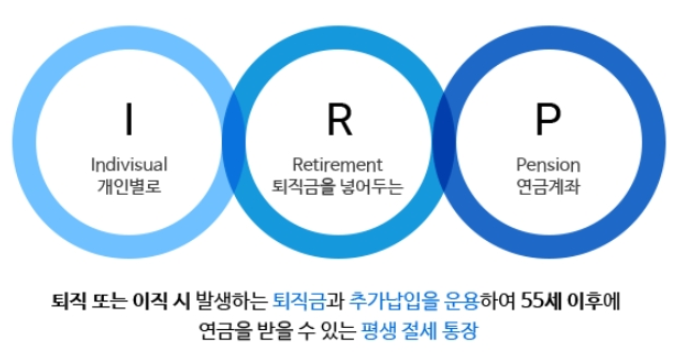
There is a legal regulation requiring that at least 30% of the Individual Retirement Pension balance must be invested in safe assets such as deposits or bonds. While this regulation may frustrate investors who want to make aggressive stock investments, there is a wise way to handle it. That is by utilizing bond-mixed ETFs, which allow for diversified investment in both stocks and bonds while being recognized as safe assets. Since you can allocate up to 100% of your account to this product, you can increase your overall stock exposure while fully complying with the regulations.
For example, those who wanted to invest only in high-stock-weight products but were blocked by regulations are now including bond-mixed products in their portfolios to defend their returns. Asset management companies are launching various mixed products tailored to this regulatory environment, so you simply need to choose one that suits your profile. A strategy that meets the mandatory safe asset ratio while not missing out on the upward trend of the stock market is the core skill for growing retirement funds. Do not be afraid of complex regulations; instead, exercise the wisdom to leverage the system to your advantage.
Using bond-mixed ETFs allows you to meet the mandatory safe asset ratio while still benefiting from stock market investments.
4. How to Receive Severance Pay and Get a 50% Tax Reduction
If you receive your severance pay in a lump sum into a regular bank account upon leaving a company, you will suffer the loss of paying high severance income tax rates. To save significantly on taxes, you must transfer your severance pay to an Individual Retirement Pension account and receive it in the form of a pension. Choosing the legally prescribed pension receipt method offers the benefit of reducing severance income tax by up to 50% compared to receiving it as a lump sum. This creates a steady monthly cash flow after retirement while also reducing the tax burden, providing a two-fold benefit.
You can easily see seniors approaching retirement worrying about how to receive their severance pay, but the answer is already clear. If you withdraw and consume it all at once, your assets will disappear in an instant, but if you keep it in the account and receive it as a pension, you can reduce worries about living expenses in old age. In fact, a working professional in his late 50s has kept his retirement pension in a pension account and is generating a stable monthly cash flow of several million won. As your retirement approaches, do not rush to receive a lump sum; be sure to go through the process of transferring it to a pension account.
Transferring severance pay to a pension account and receiving it as a pension can reduce severance income tax by up to 50%.
5. Long-Term Investment Strategy in U.S. Stock and Index-Tracking ETFs
A representative method chosen by many successful investors to grow their retirement funds is long-term investment in products that track major U.S. stock market indices. Global indices like the S&P 500 or Nasdaq 100 have shown an upward trend over long periods and offer optimal conditions for enjoying compound interest effects. Applying a systematic investment plan (SIP) that automatically buys a fixed amount on a set day each month allows you to maintain composure without being shaken by market fluctuations.
Short-term trading for quick profits does not align with the original purpose of a pension account and is disadvantageous in terms of fees and taxes. If you consistently accumulate assets with a long-term perspective of ten years or more, you will eventually find yourself facing a massive balance that has grown beyond your principal. The common trait among those who grew small investments in their 40s into hundreds of millions of won is that they strictly adhered to this long-term investment principle. Simply managing your account consistently during your working life and systematically investing in quality products is enough to get on the fast track to wealth.
Long-term systematic investment in ETFs tracking U.S. stock indices is the shortcut to asset growth.
6. Practical Advice for a Successful Retirement and Future Outlook
Preparing for old age is a task that can no longer be postponed, and starting small practical steps now is more important than anything else. Instead of regretting it every year when the year-end tax settlement season comes, open your securities firm app right now and check your account. Switch money left in bank deposits to higher-yield products and develop the habit of increasing your contributions slightly each month. The size of the assets in your account ten or twenty years from now will be completely different depending on the small decisions you make today.
You must cultivate the ability to construct the investment portfolio most advantageous to you, keeping pace with government system changes and the launch of various financial products. A life of enjoying economic freedom without relying on your children after retirement stems from thorough preparation. Based on the tax deduction benefits and safe asset management tips learned today, please complete your own solid blueprint for retirement funds. The small step you take now will be the most certain key to guaranteeing a prosperous and leisurely life after retirement.
Consistent attention and practical management of your pension account can lead to a prosperous and stable life after retirement.
Frequently Asked Questions
=