The early receipt system for the National Pension, which allows you to receive benefits up to 5 years early, solves immediate living expense concerns but comes at the cost of a permanent reduction of up to 30% in your lifetime pension amount. Since the reduced amount is applied for life, with a 6% reduction for each year of early receipt, you might find yourself facing a “pension cliff” while trying to avoid an “income cliff.” If you are facing the uncertainty of having no income immediately after retirement, you may deeply question whether this system is a loss or a gain. Today, we will thoroughly examine the exact reduction structure of early old-age pensions and the break-even point through real-world examples. Before applying prematurely, please review the essential conditions and precautions you must consider.
=
Is the 30% Reduction for Early National Pension Receipt a Loss? A Complete Guide to Application Conditions and Break-Even Points
1. Basic Concepts and Application Conditions for Early Old-Age Pensions
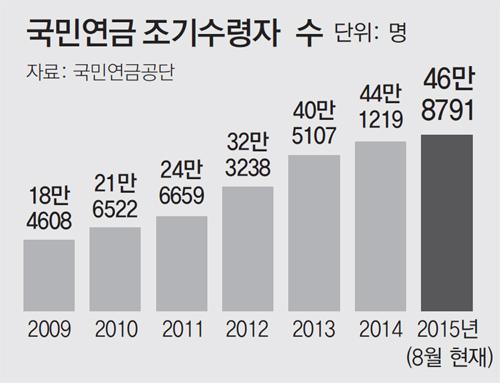
The system that allows you to receive the National Pension up to 5 years earlier than the standard eligibility age is called the early old-age pension. It was established to help individuals secure quick living funds while they have no income before reaching the standard receipt age. To apply, you must have a minimum enrollment period of 10 years and meet specific income criteria. For example, it is primarily sought by those who have no proper income after retirement and face a gap between their mandatory retirement age and the National Pension eligibility age. However, this system is not simply about receiving money faster; it is a concept of using up future pension assets in advance. Therefore, even if you qualify, you must make a decision after very coldly assessing your current financial situation. It is common to see people who have reached retirement age but cannot find a job and are struggling to pay for food or utilities, leading them to consider early receipt. If you have absolutely no cash on hand, accepting the reduction may be an unavoidable choice to maintain your livelihood. However, keep in mind that if you later find employment and earn income above a certain level, your pension payments may be temporarily suspended. Therefore, you need the wisdom to weigh the severity of your current economic crisis against the possibility of future income generation.
While early old-age pensions can be received up to 5 years early, they require strict adherence to income requirements and enrollment periods.
2. The Scary Reality of the Maximum 30% Reduction Rate

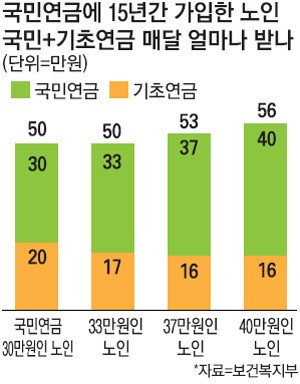
If you choose early receipt, your pension amount is reduced by a whopping 6% for each year you bring forward. If you maximize this by receiving it 5 years early, a total reduction of 30% (5 years x 6%) is applied for your entire lifetime. If a person eligible for 1 million KRW per month receives only 700,000 KRW due to a 30% reduction, the cumulative difference over a lifetime can reach tens of millions of KRW. It is like punching a huge hole in your valuable lifetime pension pipeline just to grab a few extra coins for a few years. For this reason, many retirement experts strongly advise against early receipt unless there is a special emergency, urging a cautious approach. In reality, Mr. Kim, who retired in his mid-50s, decided to apply for the National Pension 5 years early because he was worried about his immediate living expenses. However, when he did the math, he was shocked to learn that his monthly pension would be permanently reduced by 300,000 KRW compared to the original amount, and he withdrew his application. He judged that it would be much more beneficial in the long run to lower his expectations, find a part-time job, and hold out until the pension eligibility age. As such, the figure of 30% can be a heavy and powerful culprit that shakes our retirement assets more than one might think.
The reduction rate of 6% per year accumulates over a maximum of 5 years, resulting in a fatal 30% lifetime reduction.
3. The Relationship Between the Early Receipt Break-Even Point and Life Expectancy
When comparing the total amounts received from the National Pension, there is a point where the total received by those who waited for the standard age overtakes those who received it early. Typically, those who choose early receipt receive money first for the initial few years, so they lead in cumulative receipts for a while. However, as time passes and age increases, the monthly amount received by those who started on time is larger, eventually causing the cumulative amount to be overtaken. This reversal point is commonly called the break-even point and is often calculated to be in the mid-to-late 70s. If you ask yourself whether you can healthily live much longer than that age, the pros and cons of early receipt become clear. If you have a family history of longevity and are confident you can live past 80 due to strict health management, early receipt is definitely a loss. Conversely, if your health is poor or there is a high objective possibility of passing away earlier than the average life expectancy, receiving it early might be advantageous. However, since no one can accurately predict human lifespan, it is safer to design your strategy in a way that minimizes losses. You must not make the mistake of ruining your reliable, insurance-like cash flow for life just to be tempted by immediate small amounts of money.
You must carefully consider the break-even point where the money accumulated from early receipt is overtaken by the cumulative amount of those receiving it on time.
4. Regulations on Pension Suspension and Additional Reductions Due to Income
If you find a job and start earning money while receiving an early old-age pension, you may face unexpected penalties. Strict regulations exist that suspend the full pension payment or reduce it partially if income exceeds a certain amount. You might start receiving the pension thinking you are retired, only to successfully re-employ yourself through a good opportunity, resulting in the awkward situation of your pension being cut off. Therefore, even after applying for early receipt, you must frequently check your economic activity status and closely monitor the regulations of the National Pension Service. The government has meticulously established these safeguards to prevent indiscriminate double-dipping of pensions by retirees and fiscal leakage. There are quite a few seniors who do odd jobs or have rental income after retirement, dismiss it as insignificant, and then get angry when they receive a notice of pension reduction. You must not forget that the prerequisite for early receipt—that you have no or very little income—strictly follows you for life. It is wise to carefully calculate the practical benefits of earned income versus pension income and plan your economic activities accordingly. If you are not careful, you could end up suffering a double loss by working while having your pension reduced, leaving you frustrated and helpless.
Be aware that if income exceeds a certain level during early receipt, pension payments may be suspended or further reduced.
5. Hidden Variables Such as Spousal Receipt and Health Insurance Premiums
When deciding on early receipt of the National Pension, you must consider not only the reduction in pension amount but also secondary factors such as health insurance premiums and spousal receipt. Complex regulations exist where reductions are interlinked when both spouses receive the National Pension or the Basic Pension. In particular, if you switch to a regional subscriber status after retirement, your health insurance premium burden can vary significantly depending on how your National Pension income is calculated. An ironic situation can occur where you try to increase your immediate income through early receipt but end up hitting a “health insurance premium bomb,” resulting in a decrease in actual disposable income. This is why you must include comprehensive taxes and quasi-tax costs in your head when planning your retirement funds. You can easily hear complaints from acquaintances who blindly followed others’ advice to apply and found that their monthly health insurance premiums rose noticeably, resulting in a deficit. Since pension income is fully reflected in the selection criteria for government subsidies and various welfare benefits, approaching this with simple addition and subtraction can lead to big trouble. It is essential to consult with an expert or use the simulation calculation function provided on the National Pension Service website to check your overall expenditure structure. You must never make the mistake of being blinded by the small change in front of you and walking into a swamp of huge expenses.
Early receipt can cause unexpected secondary impacts such as increased health insurance premiums or loss of welfare benefits, so it must be reviewed from multiple angles.
6. Alternatives and Wise Retirement Strategies to Overcome the Income Cliff
When you are tempted by early receipt due to a lack of immediate living expenses, it is far more beneficial to build other income pipelines than to accept the reduction. You must devise strategies to utilize reverse mortgages or other assets to bridge the gap until the full pension receipt period in your early 60s. Reverse mortgages can be an excellent alternative as the market value conditions for enrollment have become relatively broader and benefits such as reduced initial guarantee fees are offered. Additionally, you should actively utilize the deferred payment system or the deferred pension system to focus on increasing the total pension amount you will receive later. Instead of the extreme choice of early receipt, wise retirement planning that looks long-term and far ahead protects our peaceful old age. If you are in the generation between your 40s and 60s preparing for the second half of life, you should focus on the cash flow for the next 30 years rather than the numbers hitting your bank account right now. Before hastily making a decision to cut 30%, the first step is to find ways to generate cash from your real estate or other assets. Please carefully examine the various subsidies and institutional mechanisms provided by the state and complete your own customized retirement roadmap. Only those who discard haste and prepare calmly will earn the qualification to enjoy true leisure and abundance in old age.
Instead of early receipt, you need a strategy to wisely overcome the income gap by considering reverse mortgages or other asset utilization methods.
Frequently Asked Questions
=