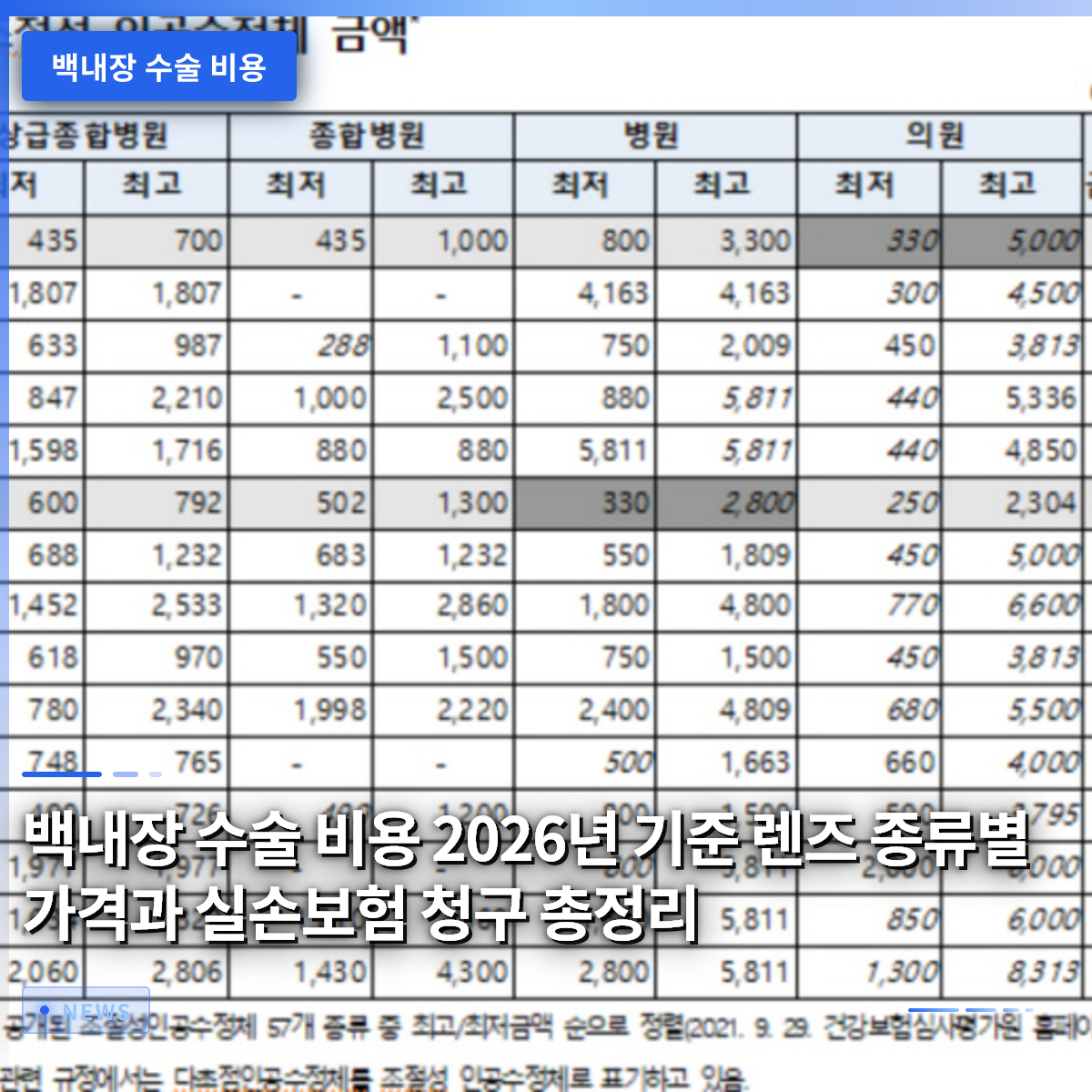
Cataract surgery costs vary significantly, ranging from a few hundred thousand won to several million won, depending on the type of intraocular lens (IOL) implanted and the hospital’s pricing structure. I still remember taking my mother to a local ophthalmology clinic last year; the doctor carefully examined her eyes and handed me a price list for the lenses. It is easy to assume that the most expensive lens is always the best, but making a regret-free decision requires a comprehensive consideration of the patient’s daily lifestyle and the functional state of their eyes. Recently, with stricter Supreme Court rulings and enhanced insurance review criteria, the necessity for hospitalization is being scrutinized more rigorously, making prior information gathering even more important. Today, I will clearly outline the precise structure of cataract surgery costs and insurance applicability based on current 2026 standards. By reading this article to the end, you will be able to rationally plan a surgical procedure that perfectly suits your eyes.
=
Cataract Surgery Costs in 2026: A Complete Guide to Lens Prices and Insurance Claims
1. Basic Concepts and Procedure of Cataract Surgery
Cataract surgery is a treatment that removes the lens, which acts as the camera lens in the eye, when it becomes cloudy and blurs vision. The procedure is performed precisely by carefully removing the old, cloudy lens and implanting a new artificial intraocular lens in its place. Before deciding on surgery, it is essential to undergo detailed examinations of the cornea, retina, and optic nerve to assess the overall health of the eye. One acquaintance of mine was amazed by how bright the world became immediately after surgery, while another mentioned that light scattering made night driving slightly inconvenient. Since eye conditions vary from person to person, it is risky to choose a hospital based solely on word-of-mouth or advertisements. The first step in any treatment is to accurately understand the condition of your eyes through consultation with medical professionals.
The surgery itself is performed through an extremely small incision using lasers or ultrasound after local anesthesia. Unlike the era of older lenses, advanced equipment has significantly reduced surgery time and sped up recovery. Regarding hospitalization, while it was customary to stay for one or two days in the past, outpatient treatment is now the standard principle. Unless there is a specific situation where medical necessity for hospitalization is clearly recognized, most patients go home the same day after surgery. You will need to wear an eye patch when leaving the operating room, so it is safe and convenient to have a companion with you. After returning home, you must carefully administer prescribed eye drops according to the schedule and be particularly careful not to rub your eyes.
Cataract surgery involves removing the cloudy lens and implanting an artificial one; recently, it is mostly performed safely as an outpatient procedure.
2. Comparison of Costs and Features: Monofocal vs. Multifocal Lenses
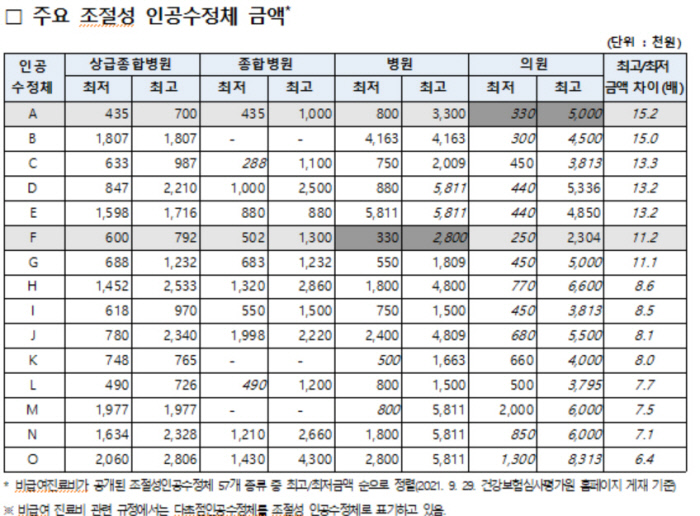
The biggest factor determining cataract surgery costs is the choice of intraocular lens. Monofocal lenses, which are covered by national health insurance, focus light on a single point, resulting in minimal light loss and relatively low cost burdens. In contrast, multifocal lenses, which allow vision at multiple distances simultaneously, are non-covered items, and prices vary significantly depending on the hospital and lens type. In fact, many neighbors I know have chosen monofocal lenses for better distance vision and are satisfied with their life wearing reading glasses. Conversely, office workers who frequently read books or use smartphones and want to live without glasses often choose multifocal lenses for the significant convenience. Rather than blindly choosing the most expensive option based on the lens name or price list, you should consider which distances you use most in your daily life.
Multifocal lenses are divided into dozens of types based on corneal shape, astigmatism correction, and sensitivity to night glare. Premium lenses released by global pharmaceutical companies offer excellent performance but come with high costs, so careful budget planning is necessary. A wise approach is to have a thorough consultation with an ophthalmologist, undergo tests for pupil size and retinal function, and receive a recommendation for the most suitable product. While the variety of lenses can be confusing, the reason your doctor asks about your lifestyle habits is precisely to find the right lens. Expensive lenses do not provide perfect vision for everyone, so individual eye characteristics are the top priority. Ultimately, lens selection is a critical decision that determines not just your budget but the convenience of your daily life every morning.
Monofocal lenses are affordable due to health insurance coverage, while multifocal lenses are non-covered but reduce the need for glasses in daily life.
3. Detailed Analysis of Actual Surgery Costs in 2026

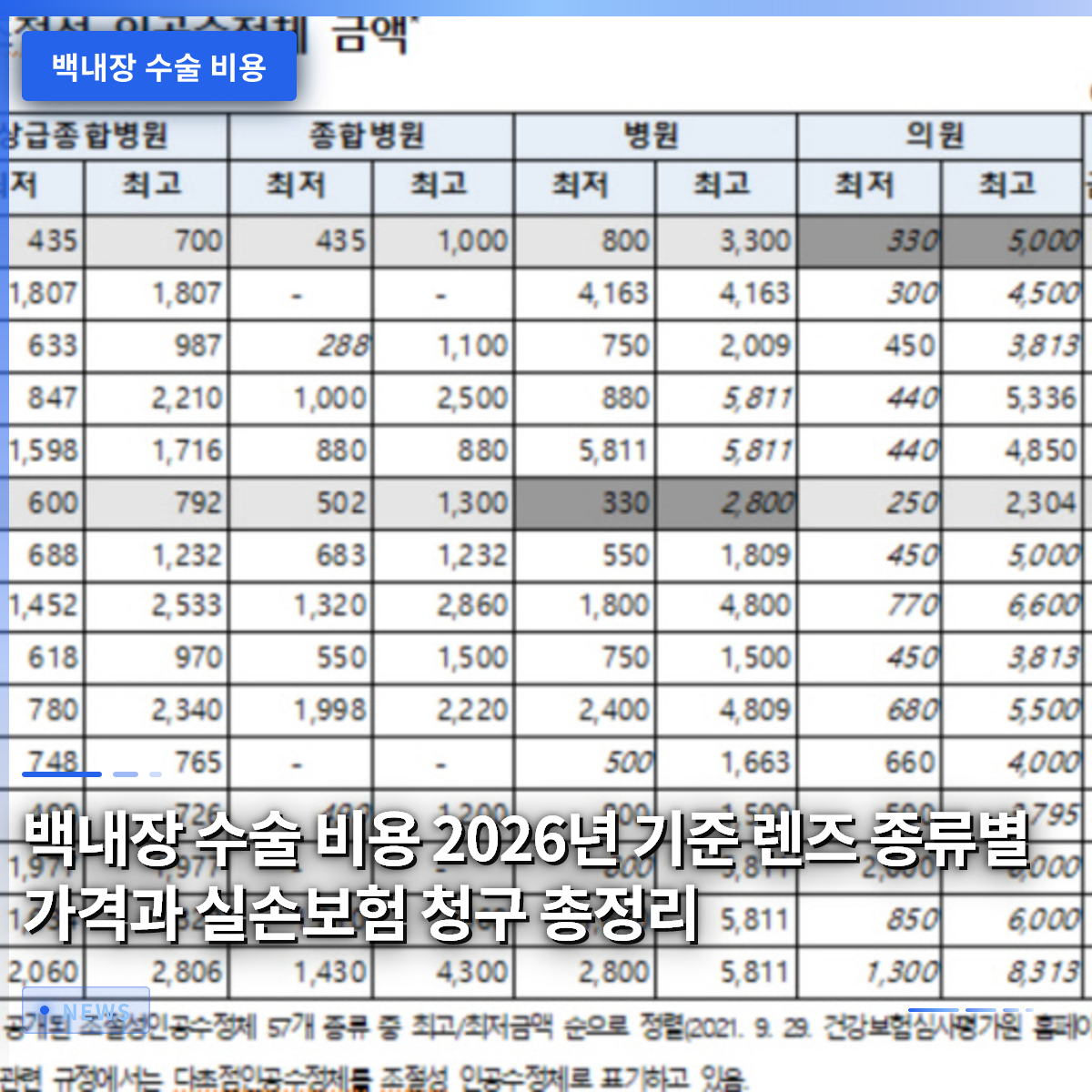
As of 2026, cataract surgery costs vary depending on the type of lens used, the location of the hospital, and the size of the medical institution. If surgery is performed with a monofocal lens, national health insurance benefits apply, keeping the out-of-pocket cost very low, typically ranging from tens of thousands to a few hundred thousand won. However, choosing non-covered items like multifocal lenses or special astigmatism-correcting lenses can result in costs of several million won for both eyes. I vividly remember when a relative brought home a quote from an ophthalmology clinic last year and was surprised by the unexpectedly large amount. Furthermore, you should budget with some leeway to cover pre-surgery detailed examination fees, post-surgery prescribed eye drops, and protective glasses. Since hospitals are required to transparently disclose non-covered medical fees, it is advisable to check the approximate range on their website or by phone before visiting.
When receiving guidance from the hospital, you must carefully verify whether the price is for one lens or both eyes, and whether it includes all necessary ancillary costs for the surgery. Occasionally, additional charges for eye supplements or extra laser treatments may appear on the receipt, causing confusion later. In addition to surgery costs, you must account for post-operative management costs, as regular follow-up visits to the ophthalmology clinic are required to monitor progress. The amount covered by indemnity insurance varies greatly depending on when you joined and the specific terms of your policy, so it is essential to confirm with your insurance company in advance. Knowing the exact cost structure allows you to wisely avoid unnecessary additional tests or excessive treatment and control expenses rationally.
In 2026, monofocal lens surgery is affordable due to health insurance, while multifocal lenses incur non-covered costs of several million won for both eyes.
4. Indemnity Insurance Claim Criteria and Precautions
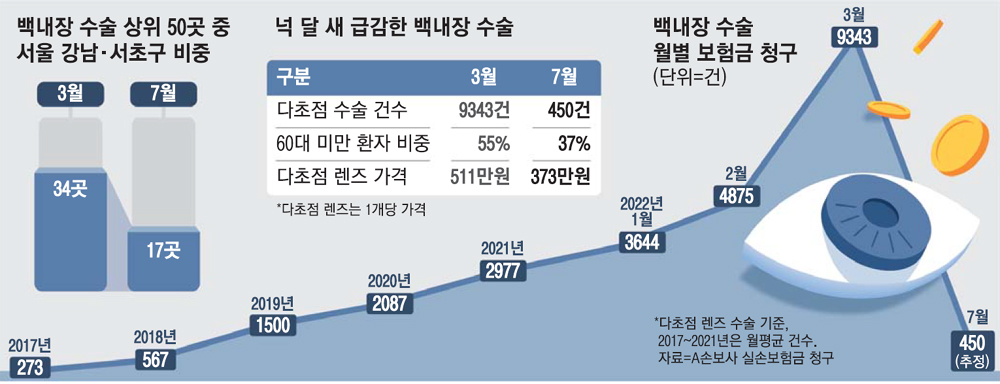
One of the most common questions regarding cataract surgery costs is whether indemnity insurance can be claimed. In the past, hospitalization for surgery was relatively flexible, making it easier to receive insurance payouts, but recently, review criteria have become very strict. According to Supreme Court rulings and financial regulatory guidelines, cataract surgery is classified as outpatient treatment in principle, and the necessity of actual hospitalization is strictly reviewed. If you force hospitalization for the purpose of insurance claims without a clear medical necessity based on the doctor’s judgment, your claim may be rejected during the review process. I have known cases where people, trusting their indemnity insurance, opted for expensive lenses first, only to face unexpected difficulties due to stricter insurance company reviews. Therefore, it is safe to accurately understand the terms of your insurance policy and inquire about necessary documents with the insurance company’s customer service center before surgery.
When claiming insurance, you must collect all documents issued by the ophthalmology clinic, such as the diagnosis certificate, detailed medical expense statement, surgery confirmation, and receipts. Especially if treated as an outpatient, coverage is limited to the outpatient limit, so you must verify the coverage limit of your insurance in advance. While hospitals systematically issue necessary documents to help patients with insurance claims, it is important for patients to know the criteria themselves. As review criteria between insurance companies and medical institutions become increasingly strict, do not expect full coverage unconditionally. Before deciding on surgery, consult both your attending physician and insurance representative simultaneously to minimize financial risk.
Cataract surgery is primarily outpatient treatment, and since indemnity insurance review criteria have been strengthened, you must carefully check your contract terms in advance.
5. Key Criteria to Check When Choosing a Hospital
Finding a good ophthalmology clinic for cataract surgery requires the wisdom not to be swayed solely by famous brand names or flashy advertising slogans. The extensive clinical experience and skill of the ophthalmologist are the most important factors directly linked to the success rate of the surgery, so they must be carefully evaluated. It is helpful to check whether the doctor is from a university hospital or is a specialist in cataracts and retinal diseases. The reason an acquaintance of mine visited several ophthalmology clinics with his mother last year was precisely to verify the medical staff’s skills firsthand. It is also essential to check if the clinic is well-equipped with advanced laser equipment and has a robust safety system to handle emergencies. A hospital that has a well-established post-operative management system to closely monitor the patient’s eye condition before and after surgery is trustworthy.
While you can refer to fresh reviews from neighbors, since eye conditions vary individually, a hospital that was good for someone else is not necessarily the right fit for you. By visiting the hospital directly for a consultation, you can personally feel how kindly the medical staff explain things and whether they induce excessive treatment. Be careful not to seek only places with very low costs, as this risks missing important examination processes or receiving inadequate post-operative care. Since you are entrusting your precious eyes to them, you must weigh the hospital’s reliability and expertise from multiple angles, not just price competitiveness. Through careful hospital comparison and consultation, you can reduce worries about side effects and maintain bright, clear vision for a long time.
When choosing a hospital, prioritize the medical staff’s skill, possession of advanced equipment, and a conscientious consultation attitude without excessive treatment.
6. Mindset and Outlook for Successful Cataract Surgery
Cataract surgery is a grateful treatment that restores a blurred world caused by aging to clarity, but it is an eye surgery that should never be taken lightly. As medical technology continues to advance, the performance of intraocular lenses will become more precise, and the surgical process will evolve to be less burdensome for patients. However, no matter how good the technology becomes, the patient’s accurate knowledge of their eye condition and willingness to communicate with the doctor remain the most powerful assets. If you notice any abnormal signals in your eyes or your parents’ eyes, do not delay; visit a nearby ophthalmology clinic for a regular checkup. Preparing in advance before small discomforts damage your vision is the most certain way to save money and time. I sincerely hope that everyone can enjoy healthy, bright vision for a lifetime through wise information gathering and thorough preparation.
Surgery is becoming safer with technological advancements, and successful results are achieved through the patient’s active pre-examination and communication.
Frequently Asked Questions
=