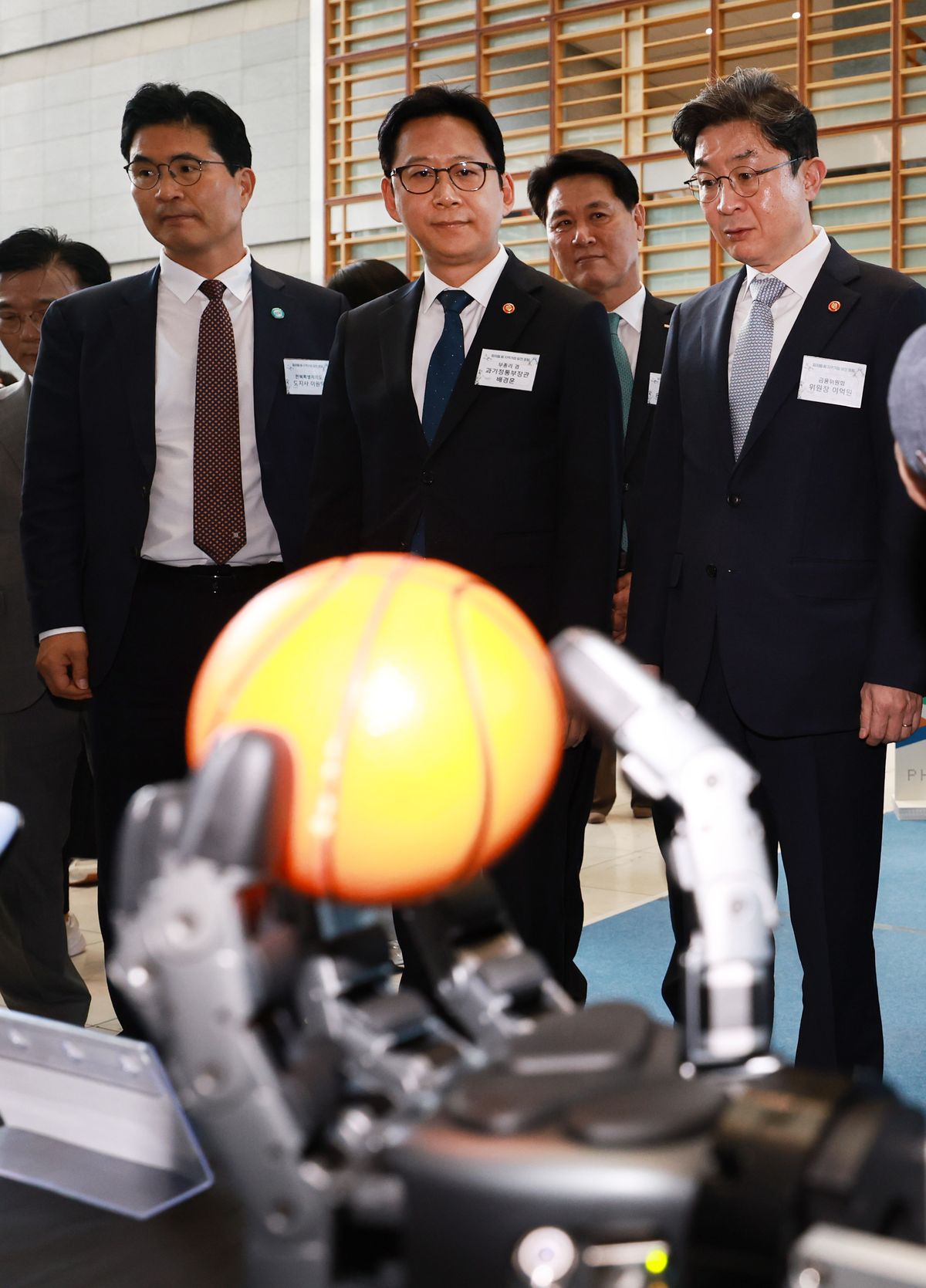
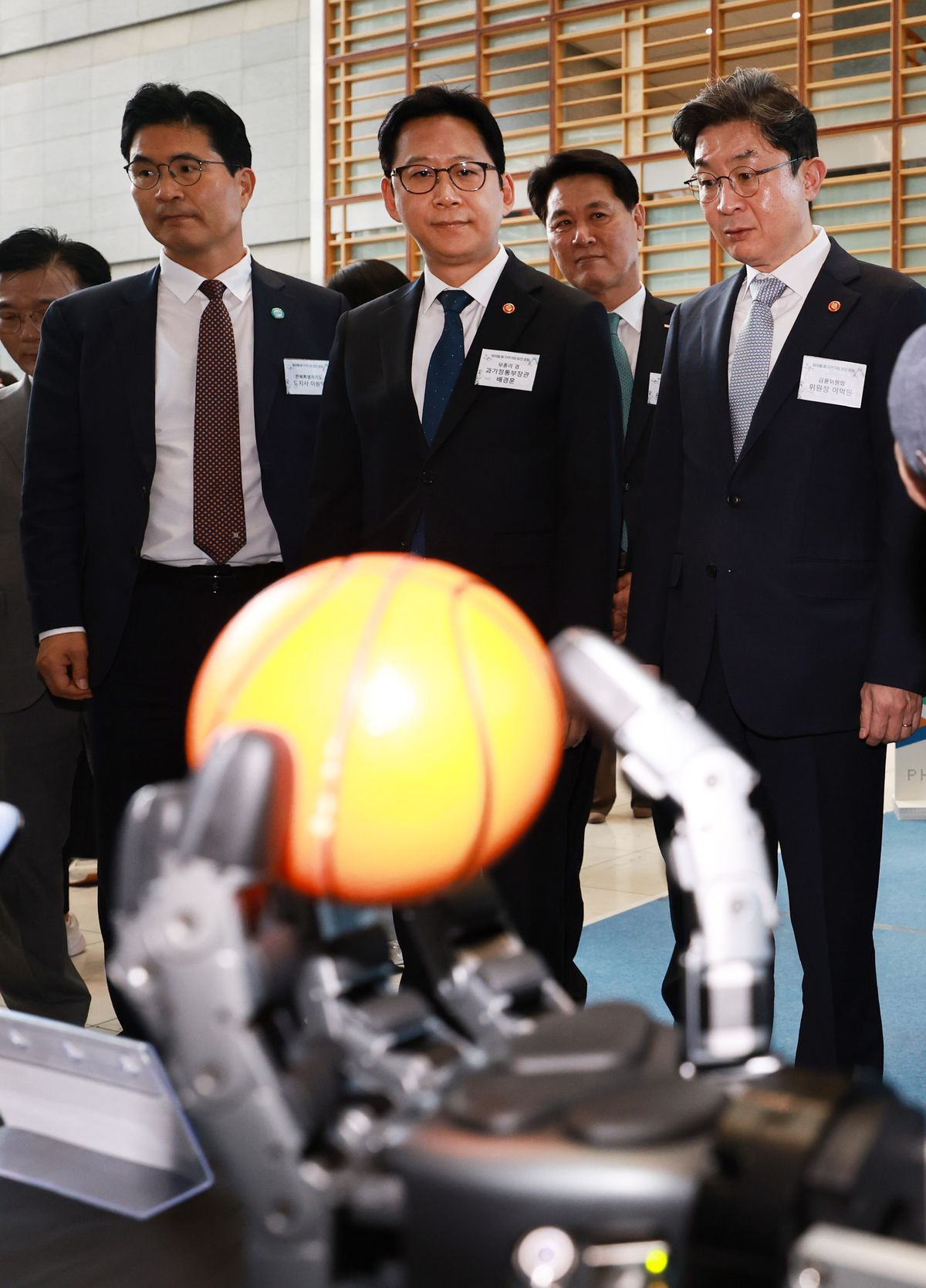
The regions of Jeonbuk, Gyeongbuk, and Gyeongnam are embarking on a full-scale leap to become core hubs for physical artificial intelligence (AI) that will drive South Korea forward. Lee Eui-yeon, the Financial Services Commissioner, recently attended a development forum held at the headquarters of the Industrial Bank of Korea in Yeouido, Seoul, where he pledged to firmly support the commercialization of technology and growth in local manufacturing sites. This event was organized in line with the government’s core strategy to foster strategic industries and attracted significant attention from many stakeholders. Local cities, which have long built a solid foundation in manufacturing, are expected to gain new vitality by adopting cutting-edge technologies. On-site, there were impressive demonstrations of humanoid robots dancing to music and tactile sensors replicating human hand movements with precision. This article will take a detailed look at the specific contents of this support policy and its ripple effects on the regional economy.
=
Jeonbuk, Gyeongbuk, and Gyeongnam Set to Become Physical AI Hubs as Financial Services Commissioner Pledges Full Support
1. What is Physical Artificial Intelligence?
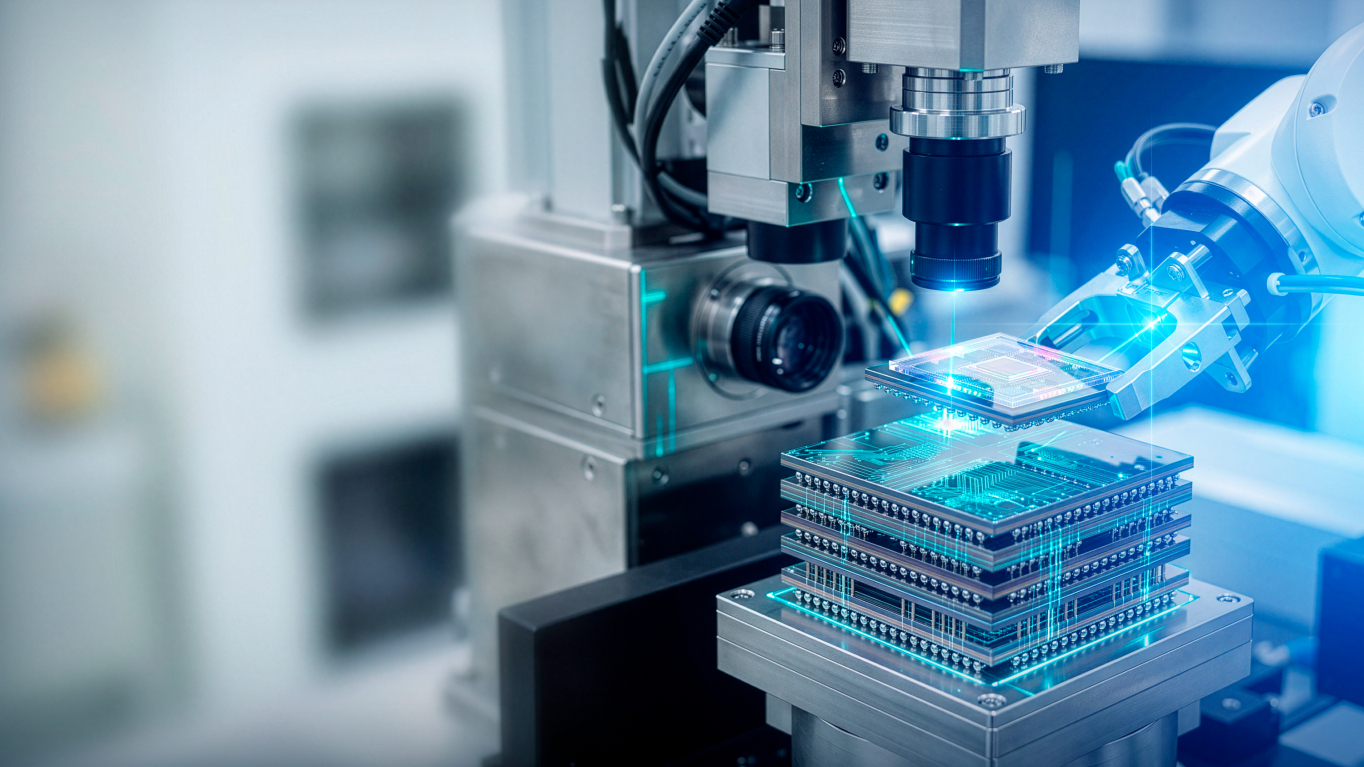
Physical artificial intelligence refers to the stage where technology, which previously remained in virtual spaces, meets physical entities such as robots or machinery and is implemented in actual industrial settings. While past automation equipment performed simple repetitive tasks, today’s AI independently makes judgments and learns to intelligently control entire processes. For example, imagine a robot in an automobile assembly factory sensing the delicate touch of a human hand to feel the precision of small parts and correcting assembly errors on its own. This technology has established itself as a core element that dramatically boosts manufacturing productivity while ensuring worker safety. Recognizing this importance, the government is focusing on cultivating it as a core strategic industry alongside semiconductors and data centers. Given the rapid pace of technological advancement, the number of companies rushing to apply these technologies in the field is steadily increasing.
The robot demonstrations showcased at this forum were a representative example that revealed the current state of this technology without reservation. Humanoid robots moving naturally to K-pop music were enough to elicit gasps from attendees. The sight of a robot hand equipped with tactile sensors flawlessly following human subtle movements evoked scenes from a movie. This proved that the technology has advanced beyond mere exhibition purposes to a level where it can be immediately deployed in real industrial settings. This pace of development will serve as a catalyst to completely transform manufacturing processes in each region in the future.
Physical AI is the core of next-generation manufacturing innovation, combining physical entities with technology.
2. Manufacturing Strengths of Jeonbuk, Gyeongbuk, and Gyeongnam
The regions of Jeonbuk, Gyeongbuk, and Gyeongnam share the common trait of being historic centers of manufacturing that have supported the South Korean economy. They have long firmly guarded the roots of national key industries such as automobiles, shipbuilding, steel, and machinery parts. However, with recent global competition intensifying and traditional methods hitting growth limits, a new breakthrough was urgently needed. The massive factory infrastructure and skilled workforce possessed by these regions provide the most ideal soil for integrating new technologies. The reason the government designated these areas as new hubs is to leverage the industrial assets accumulated over many years.
In fact, visiting the sites reveals a palpable sense of technology and know-how honed over decades. When cutting-edge software and robotics are added to this foundation, the synergy is bound to be beyond imagination. The vision of AI equipment handling dangerous processes previously done manually by local small and medium-sized enterprises (SMEs) is becoming reality. The entire factory operates like a giant organism, interlocking to reduce defect rates and maximize efficiency. In this process, high-quality jobs preferred by young people can be naturally created within the region.
The three regions are preparing for a new leap by adding advanced technology to their abundant manufacturing infrastructure.
3. The Financial Services Commissioner’s Pledge of Full Support
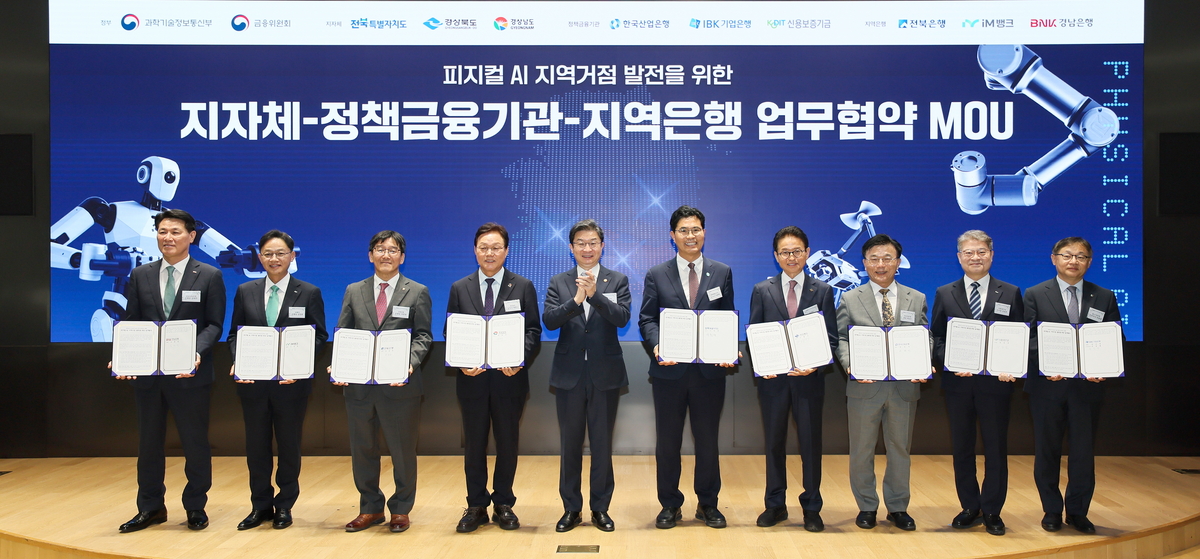
In his speech at the event, Financial Services Commissioner Lee Eui-yeon declared his intention to ensure that corporate challenges do not stop at mere technology development. He expressed the will to firmly support from the financial sector so that technology leads to commercialization and ultimately blossoms into corporate growth. For physical AI to quickly permeate the field, enormous initial capital investment and R&D costs are inevitable. If the government and policy financial institutions do not take the lead in opening up funding channels, individual companies will find it difficult to take bold risks.
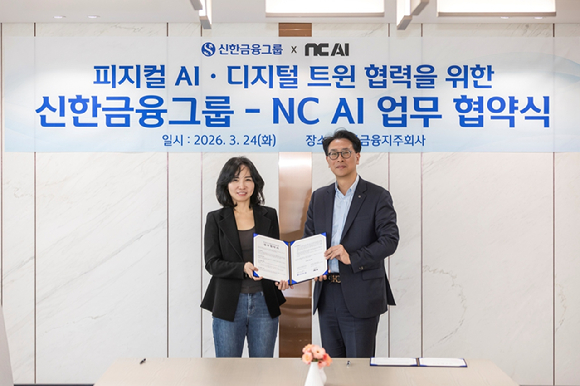
The Commissioner directly led the signing of agreements involving local governments, regional banks, and policy financial institutions. This signifies a commitment to carefully ensure that financial support is not just for show but that tangible benefits reach every corner of the actual factory operations. Regional small and medium-sized manufacturing companies with limited financial resources will be able to freely introduce necessary equipment through this opportunity. Only when financial backing is solidly provided will the regional economy revive and the nation’s overall industrial competitiveness leap to the next level.
The Financial Services Commissioner stated that he would spare no effort in providing substantial financial support for corporate technology commercialization and growth.
4. The Role of the Industrial Bank of Korea and Local Communities
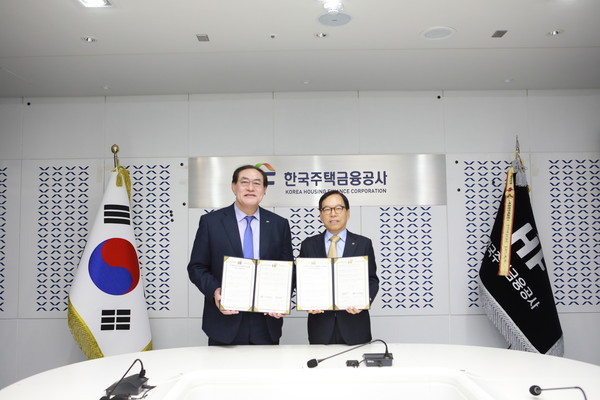
Park Sang-jin, President of the Industrial Bank of Korea, emphasized at the forum that the manufacturing paradigm is completely shifting toward the intelligentization of entire processes. The Industrial Bank of Korea has positioned itself as a sturdy bridge connecting the long-standing industrial infrastructure of Jeonbuk, Gyeongbuk, and Gyeongnam with corporate technological capabilities. This revealed a strong ambition to stand at the very starting point where the map of South Korea’s physical AI industry is being drawn. Regional banks and local governments are also communicating closely through this agreement to immediately reflect field voices in policy.
An environment is being created where companies headquartered in the regions can smoothly secure funding and form technology partnerships without having to move to the capital area. The Industrial Bank of Korea’s professional consulting and customized financial products are like a timely rain for field managers struggling with fund management. A structure is being completed where local communities, financial institutions, and the government all play their parts in an organic collaboration. This cooperative framework will not yield only short-term results but will serve as a sturdy pillar supporting the South Korean economy for decades to come.
The Industrial Bank of Korea and local communities play a key bridging role in connecting corporate technology and funding.
5. Positive Ripple Effects on the Regional Economy
As this hub development plan enters full swing, it is expected to breathe vitality into the stagnant local economy. As high-tech companies settle in regions that have long suffered from the outflow of young populations, the quality of jobs will significantly improve. New job categories involving robot operation and AI system management will emerge, broadening employment options for local university students. As factory productivity increases, corporate sales will grow, creating a virtuous cycle where funds flow back into local commercial districts.
Surrounding partner companies will also naturally gain opportunities to grow together in line with the latest trends. The benefits of cutting-edge technology, previously enjoyed only by large corporations or some capital-area companies, will be evenly distributed to local small and medium-sized manufacturing sites. Local residents will feel a sense of pride that their region has become the center of future industries as they watch their neighborhood factories transform into smart facilities. This change will brighten and dynamize the atmosphere of the entire community, going beyond merely boosting economic figures.
The establishment of high-tech hubs creates a virtuous cycle of job creation and revitalization of local commercial districts.
6. Future Outlook and Upcoming Challenges
For Jeonbuk, Gyeongbuk, and Gyeongnam to stand out as the centers of South Korea’s physical AI, there are still many challenges to overcome. Above all, it is urgent to consistently cultivate specialized technical personnel who can skillfully handle equipment in the field. Additionally, in a rapidly changing technological environment, security issues must be managed thoroughly, and continuous education is needed to help SMEs close the technology gap. The promises made by the government and financial institutions must not remain one-off events but must be established as substantive systems that increase the tangible impact on the field.
We hope readers will watch with a warm eye as South Korea’s manufacturing industry puts on a high-tech outfit and revives. The process of a small factory nearby transforming into a smart one is a gauge of our economic future. By carefully examining the detailed support policies to be released by local governments and financial institutions, new opportunities can be discovered. We ask for your continued interest as we look forward to a wonderful future created by the trinity of technology, finance, and people.
Continuous cultivation of specialized personnel and the establishment of substantive systems are the keys to future success.
Frequently Asked Questions
=