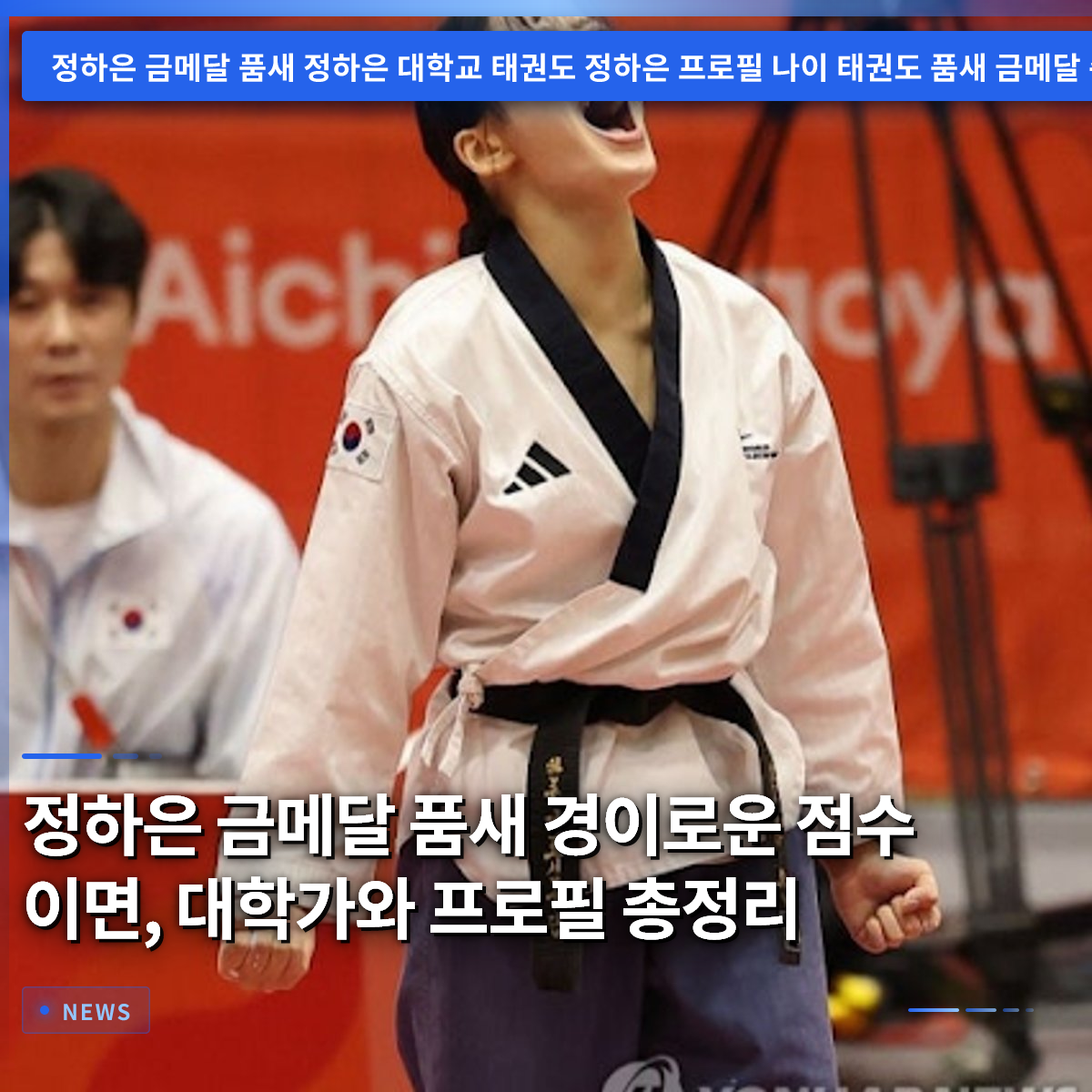
Athlete Jung Ha-eun won the Asian Games gold medal, rendering the seven-month wager of 2026 meaningless. She has established herself as a symbol of perfectionism that transcends Taekwondo in the Poomsae discipline, a contest of technique and stamina that has continued for centuries. However, while articles have focused solely on the glamorous final moments, the school curriculum that built her fundamental physical strength and the support systems of her affiliated organizations remain largely unknown. This article aims to connect the record-breaking data displayed at the tournament venue with the foundational base she built at domestic universities. For genuine fans, it is essential to understand not just the color of the medal, but also the training background and the institutional context of sports. Even in everyday sports viewing, knowing the evaluation criteria of specific disciplines allows for a more three-dimensional interpretation of the game flow.
=
Jung Ha-eun’s Asian Games Poomsae Gold Medal: Behind the Astonishing Score, University Career, and Profile Summary
1. Key Points of the Overwhelming Score Composition in the Asian Games Final
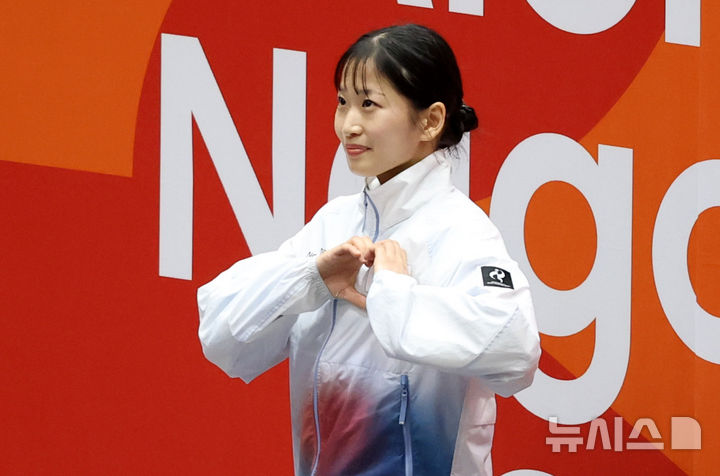
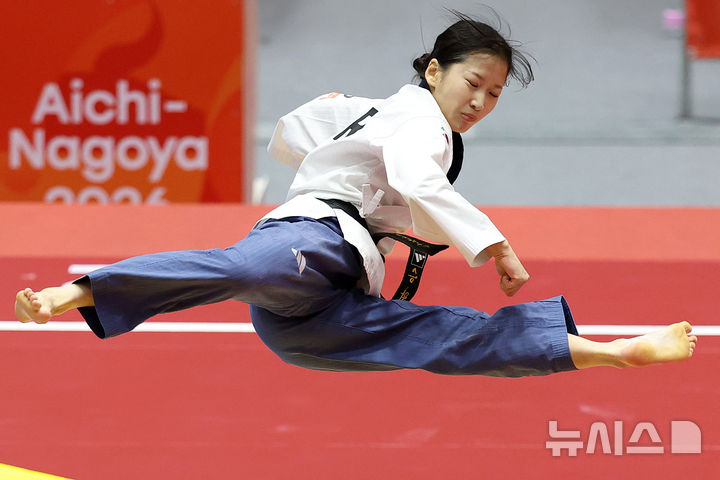
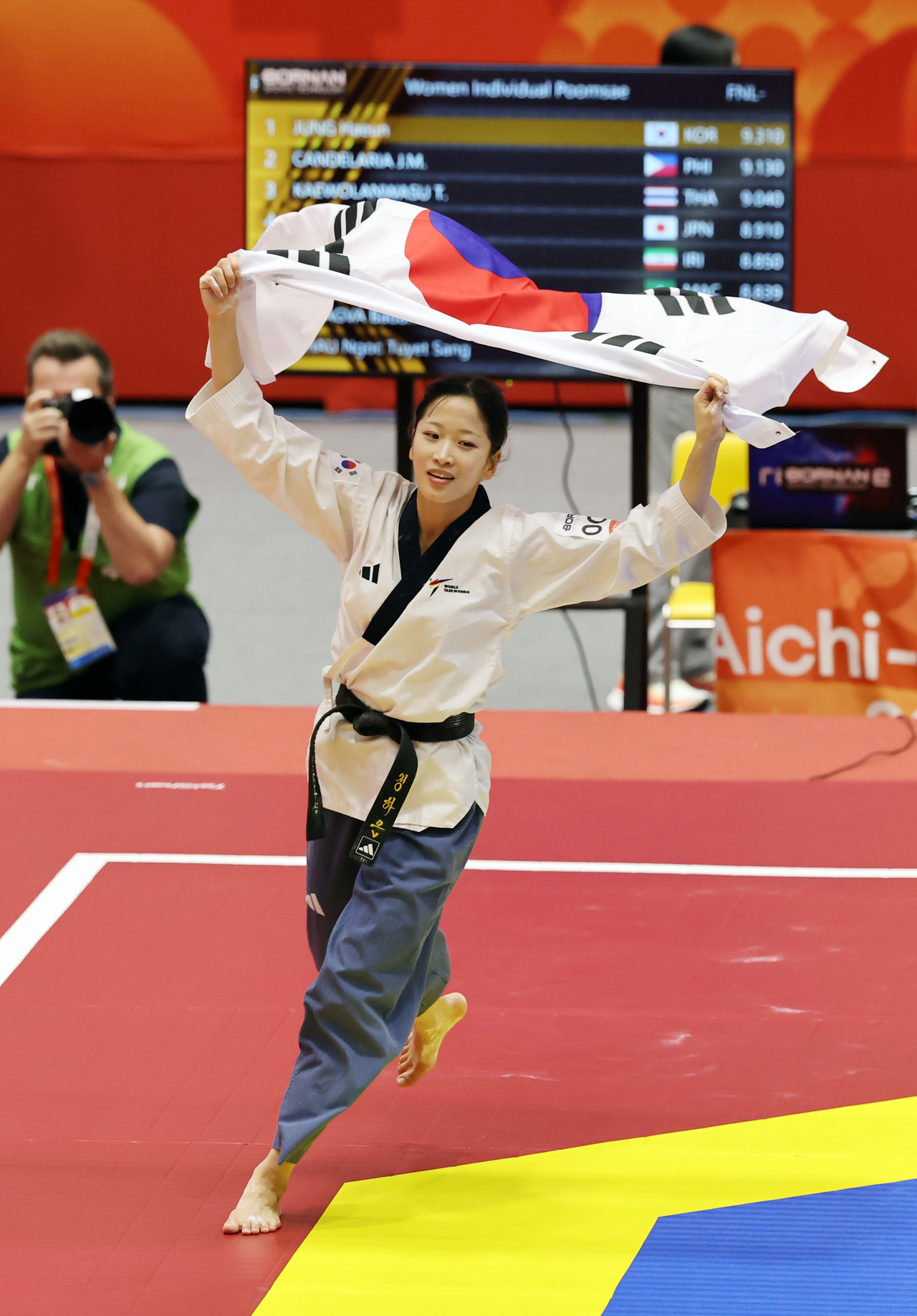
On the day when her potential to become a champion was discussed, the chill in the Toyoashi Seisuden Hall was swallowed by Jung Ha-eun’s deep breath. While athletes who were co-favorites for the win filled the stage with confident movements, Jung Ha-eun’s trajectory was as steady as a knife’s edge. The final score of 9.31 points was not a mere coincidence but was possible because she ranked first in both the mandatory and free forms sections. It was as if she handled the difficulty that other athletes usually find hard to execute without deductions in just one section, all at once. The judges also acknowledged her high degree of form consistency and clear expression of power (kihap), showing a stable consensus. It is rare to demonstrate perfection in two different evaluation systems. Looking at each specific item, accuracy was judged at 3.7 points, and expressiveness was judged at 5.62 points. In the subsequent free poomsae section, agility and skill were highlighted, earning a total score of 9.30 points. She had already scored 8.93 points in the semifinals, securing an overwhelming advantage among all participants. The fine angle corrections and breathing transition speeds she displayed allowed her to maximize the effect of rank promotion. The secret to perfectly erasing concerns about physical decline due to the afternoon schedule was her usual power-limitation training. This left a lesson that without such repetitive sensory training, one cannot help but waver in consecutive matches.
She secured the final 1st place with the uniqueness of recording top-tier scores in both poomsae types.
2. Inter-University Competitive Landscape During Her Time at Korea National Sport University
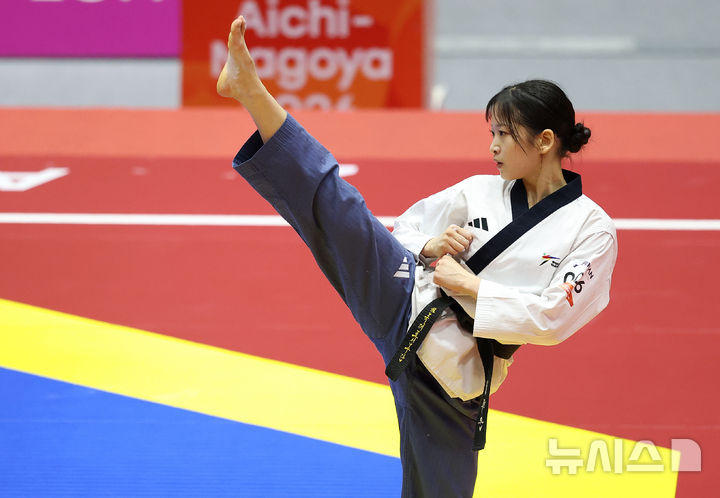
During her university years, Jung Ha-eun balanced her studies and training in the Department of Taekwondo at Korea National Sport University. During this period, the faculty prioritized teamwork and adaptability to collective forms over individual skill improvement. Her synergy with Han Jae-hyun, Kim Ji-won, and Im Seung-jin, with whom she was grouped, was so strong that they swept the World University Games. The foundation to withstand external evaluation variables, such as the missed gold points and misjudged flow at the 2022 Goyang International Tournament, was also built during this time. In departmental classrooms, she took lectures on poomsae decomposition theory to understand the mechanical principles of movements. The ability to handle schedules that ranged from university leagues to international training camps is an asset rarely possessed by general senior athletes. She consistently maintained top-tier results even during the process of being selected as the university team representative. At the 2024 Domestic Championship High-Level League, she secured the qualification for international competition by winning 1st place in the Women’s Free Form. Club directors in the Yongin area, where she was affiliated at the time, emphasized the unique refinement period of the university division. Reducing the risk of injury during the transition to professional status immediately after graduation was also due to the systematic rehabilitation education during her university years. Competition with university peers is the most certain way to hone skills while maintaining pride. For active athletes, their affiliated university is not just a place to study but the headquarters of their sports life.
She mastered both collective tactics and self-study skills during her school years, creating strengths that carried over to the senior division.
3. Affiliation Transition and Stabilization on the Professional Stage
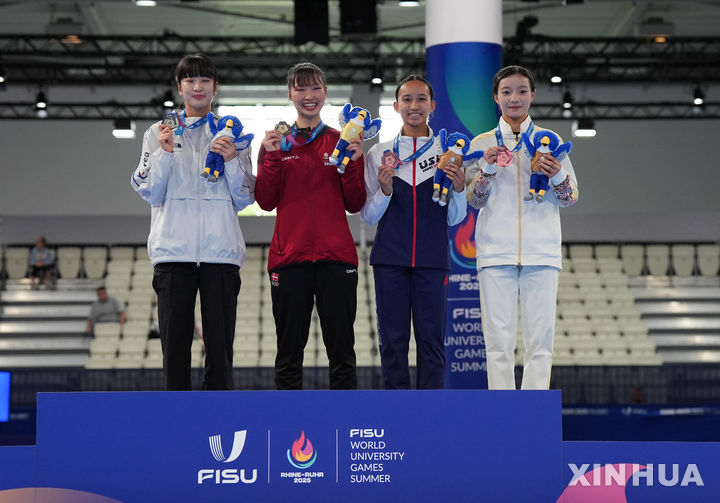
After graduating from university, Jung Ha-eun chose the path of the Yongin Special City Hall Workplace Sports Team. The facility compensation and physical therapy personnel provided by city-level workplace teams differ significantly from those in the university division. It is a lifestyle where one must manage their own time outside of the fixed daily training hours. At the 2025 Rhine-Ruhr University Comprehensive Tournament, she secured a silver medal with a specific condition. This was a strong signal indicating the possibility of a comprehensive win at the next level. Her performance at the time helped solidify her perceived ability while also participating in the domestic professional Taekwondo comprehensive tournament. The figure of 1st place in the Geumgang division of the 19th Korea Professional Team Tournament demonstrates her maintenance of a top-tier domestic ranking. After transferring to the City Hall affiliation, the salary structure and training program changed completely. Under the identity of a working professional, the efficiency of evening training became important. The coaching staff who took command of her team focused on injury prevention by designing every-other-day rest days. Thanks to these adjustments, she was able to handle consecutive international tours. Adjusting the schedule between family life and sports training was a great help in reducing realistic pressure. Local government teams also handle administrative support, allowing the athlete to focus their personal interest on the competition. A virtuous cycle was established where physical management leads to mental stability.
The systematic support system of the local government team built sustainable competitive power.
4. The Essential Difference Between Mandatory and Free Poomsae
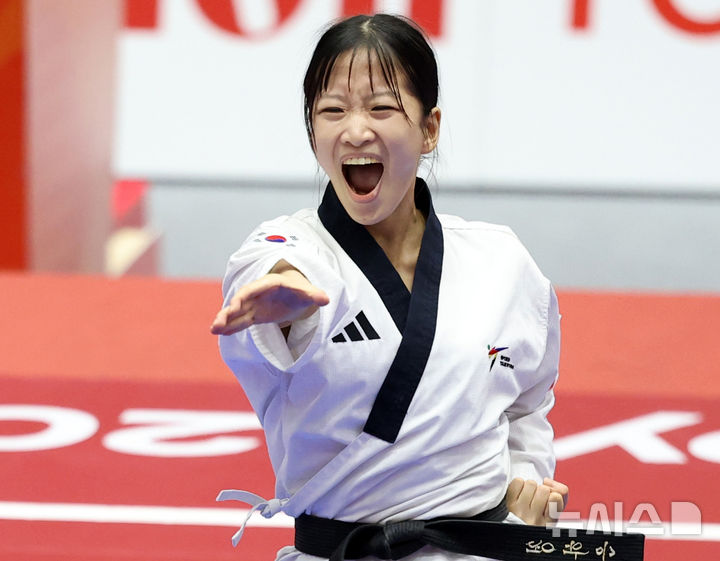
Poomsae competition is not a simple reproduction of martial arts but a unique sport with finely subdivided judging criteria. Mandatory poomsae is scored based on the standard movement collection presented by the World Taekwondo Federation. Important elements here are maintaining a consistent time beat and holding designated movement positions. Judges visually confirm whether the end point and direction of each movement match exactly. Jung Ha-eun receiving 9.32 points in this item in the semifinals was the result of fine-tuning adjustments. Because the structure accumulates deductions for even a single deviation in movement, tension is constantly maintained. It is the completed form of the process of converting classical Eastern and Western martial arts into modern sports. On the other hand, free poomsae is an experimental area based on individual creation. Composed with music, it requires improvisational handling and aesthetic visualization on stage. The technical ability score of 5.56 points recorded by Jung Ha-eun was a commendation for the application of high-difficulty continuous techniques. The directing score of 3.74 points acknowledged the formal modifications for atmosphere changes made spontaneously in front of the camera. Even if the averages of the two disciplines are the same, the scores can differ. However, she raised the quality of the final result by organizing both items simultaneously. From the audience’s perspective, it offers a special experience where the residual echo of the movements remains even after the music from the wireless microphone fades. The ability to harmoniously combine both of these technical systems is an essential quality for modern Taekwondo practitioners.
The balancing power that simultaneously satisfies standardization and individuality was the core of the highest score.
5. Jung Ha-eun’s Profile and Basic Summary
When searching for Jung Ha-eun’s profile, educational history and schedule information appear first. Her original age is not directly specified in official materials. However, by inferring from her career timeline, one can calculate her university enrollment and graduation dates. It is clear that she is currently active as a representative in the Taekwondo discipline for the Republic of Korea. Her affiliated organization, the Yongin Special City Hall, is evaluated as a team possessing two pillars among local government sports infrastructure. In the absence of specific mentions of her birthplace, it is risky to rely solely on simple internet figures. Therefore, basing information on objective records is essential for building reader trust. Inquiries related to ticketing often appear in her fan community. The standard practice for verifying accurate identity information is to contact the official federation office. Listing the detailed items of her technical profile, the specific discipline is specified as Poomsae. She is a multi-skilled athlete who covers both mandatory and free forms in addition to mandatory competitions. Her current active stages are the domestic professional league and the national team training camp. Her past award history in international competitions is a core basis for verifying her skills. It is difficult to clearly confirm statistics related to physical indicators or training methods from public materials. Instead, her consistent competition participation history demonstrates her ability to maintain excellent condition. Profile research is a process that shines a light on the value of an athlete’s individual effort, going beyond a simple listing of facts. It should be noted by the drafters that without understanding this background, one cannot easily weigh the weight of the gold medal.
She is a new-generation sports figure who has proven her skills through objective results and career, aside from non-public personal information.
6. Future Growth Potential of the Taekwondo Poomsae Discipline
Poomsae plays an important pipeline role in improving the sports image of the birthplace of Taekwondo. Jung Ha-eun’s achievement foreshadows the expansion of the marketability of poomsae as an export-oriented, enjoyable sport, going beyond simple personal glory. She created a moment where countless viewers around the world felt national pride while looking at the Taegeuk mark. A positive ripple effect is also expected on the enrollment of the younger generation in dojangs (training halls). The sponsor industry is also highly likely to increase sponsorship funds in response to the rise of such star players. The general public seated in the stands is quickly learning the rules of the new discipline. This will soon lead to an increase in regular viewership. We hope that readers will also pay attention to the national team’s overseas activities in their spare time. Even just one exercise video covered by the media can make one realize the importance of training rituals. Starting with simple strength training at home to solidify basic skills is also a good beginning. As sports viewing culture becomes more refined, the interpretation of specific disciplines will also deepen. The name Jung Ha-eun will be remembered as one of the longest-lasting protagonists in the Korean sports world for the next few years. Her next challenge is not a large-scale comprehensive tournament like Paris, but routine season management. Relying on the weapon of consistency is the wise approach.
The sustainable influence of star athletes enhances the vitality of the entire sports ecosystem.
Frequently Asked Questions
=