Kiwoom Investment Management has abruptly lowered the total expense ratio of its flagship index-tracking product, which holds a massive amount of assets, putting the entire asset management industry on high alert. This move is interpreted as a necessary choice to retain customer funds and attract new investments among products managed based on the same underlying index. In reality, a fee difference of 0.002 percentage points may seem like a negligible amount to ordinary retail investors. However, the perspective of institutions managing large sums or high-net-worth individuals is entirely different, meaning the ripple effects of this decision on the entire market are by no means small. In this article, we will examine in detail the specific implications of this fee reduction and the trends in cost competition in the domestic market.
=
Kiwoom Cuts Fees on Its 1.8 Trillion Won 200TR Fund: Who Will Win the ETF Expense Ratio War?
1. The Dawn of the 0.01 Percent Fee Era

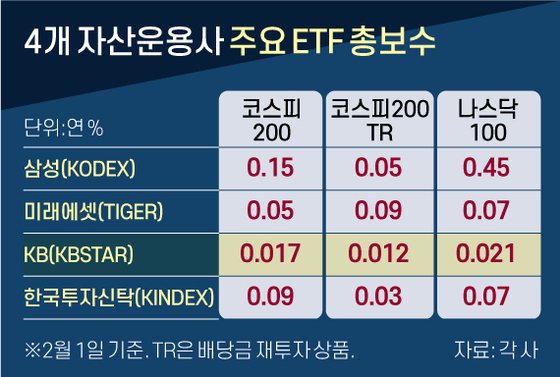
Kiwoom Investment Management recently decided to significantly reduce the cost burden of its stock index-tracking product, which has grown to a massive scale. According to records from the Korea Exchange, the net asset value of the product subject to this reduction has already far exceeded 1.7 trillion won. The asset manager boldly lowered the total expense ratio from the previous 0.012 percent annually to 0.010 percent. This can be seen as a substantial reduction of approximately 16.7 percent compared to the existing fee. As mid-sized asset managers join the low-fee trend led by major firms, cost competition has entered a new phase.
Such a fee reduction serves as a powerful weapon to maintain market share, going beyond a mere change in numbers. In a market flooded with similar products, asset managers have no choice but to play the card of cost efficiency. For investors, this expands their options while significantly reducing the cost burden associated with long-term investing. If this trend continues, it is expected to bring about considerable changes to the revenue structure of the entire industry.
Kiwoom lowered the expense ratio of its flagship product to 0.01 percent, intensifying cost competition across the industry.
2. The Perceived Difference Between Retail and High-Net-Worth Investors
Assuming an individual investor deposits 10 million won for one year, the change in the total expense ratio merely reduces the cost from 1,200 won to 1,000 won. Since this saves only 200 won, typical retail investors will find it difficult to feel the impact of this fee reduction. For those who usually do not worry much about differences of a few tens of won when trading stocks, this may feel somewhat hollow. However, these minute differences, when accumulated, can transform into a critical variable that determines the overall return on investment.
The situation is completely different for institutional investors or high-net-worth individuals who manage massive funds ranging from hundreds of billions to trillions of won over the long term. For them, even a cost difference of 0.001 percent translates directly into actual cost savings of several million to tens of millions of won. Consequently, it is common to see funds shifting en masse to products with slightly lower fee rates. The most decisive reason asset managers lower their fees, even at the cost of sacrificing some revenue, is to capture these significant institutional funds.
While the impact is hard to feel for retail investors, the cost difference is significant for institutions managing hundreds of billions of won.
3. Fierce Survival Competition Among Same-Index Products
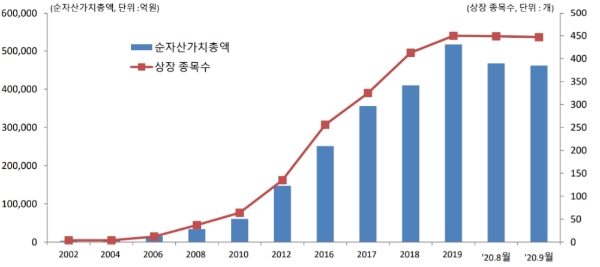
The domestic asset management market is already crowded with numerous products that track the same representative KOSPI index. Since the performance of the underlying assets is nearly identical, it is becoming increasingly difficult to find differentiating factors to attract investors. Ultimately, the most powerful and certain weapon asset managers can wield is low management fees and expense ratios. Competition is intensifying to break through the 0.01 percent barrier among products that are essentially the same in content despite having different names.
This price-destroying competition has a positive aspect in the short term by creating a very favorable environment for investors. As the unnecessary costs investors bear decrease, the final return rate naturally increases. However, for asset managers, continuously declining margins can lead to significant concerns about deteriorating profitability. If this cutthroat competition overheats, there is a risk of negatively impacting service quality or management systems from a long-term perspective.
With an oversupply of products with identical underlying assets, asset managers have no choice but to compete solely on fees.
4. The Battle for Market Share Against Powerful Leaders
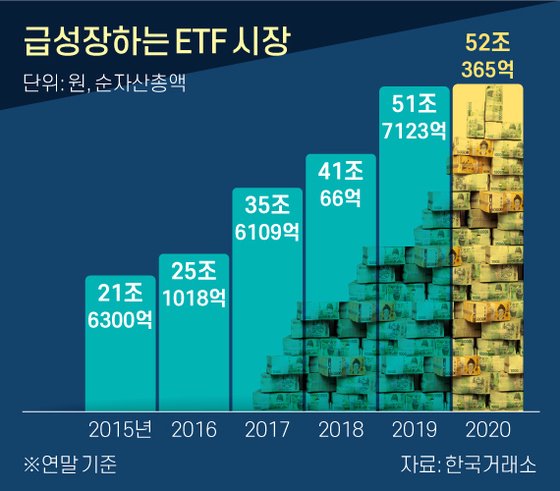
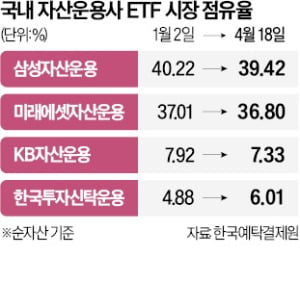
Looking at the domestic market, an overwhelming leading product boasting a scale in the trillions of won puts pressure on followers. Notably, related products from major asset managers have already amassed enormous assets reaching tens of trillions of won, firmly dominating the market. From the perspective of latecomers or mid-tier asset managers, they must deploy radical strategies to break the stronghold of the leader. A representative breakthrough is the introduction of an ultra-low fee policy that surpasses existing fee limits.
If well-capitalized major firms begin to counter the price reduction competition, the market structure is likely to be restructured even faster. Small and medium-sized asset managers with limited capital and less solid revenue bases will find it difficult to survive in this fierce battle. Ultimately, as the market is restructured around major firms with strong capital, the benefits of fee reductions will go directly to savvy investors. The industry is closely watching what new strategies each asset manager will bring to the table in this intense battle for market share.
To compete with the overwhelming leading product, asset managers continue to play the radical card of fee reductions.
5. Why Fees Matter for Long-Term Investors
More and more people are adopting long-term investment strategies, leaving their money in stocks or exchange-traded funds for years or even decades. The longer assets are managed, the more the total expense ratio deducted each year erodes the overall return rate, growing like a snowball. Even if the fee deducted annually is just 0.002 percent lower, it creates a massive financial difference after 10 or 20 years when combined with the compound interest effect. This is why smart investors carefully scrutinize expense costs rather than simply looking at past returns.
No matter how excellent the management performance of a product is, if it continuously deducts hidden costs or high fees, the amount of money left in the investor’s pocket will inevitably decrease. Especially given the nature of products that mechanically track an entire index, it is difficult for the skill of the asset manager to create a significant gap in returns. Therefore, saving even a single won in costs is considered the most certain and easy way to increase investment returns. The recent fee reduction is undoubtedly very welcome news for long-term investors, as it alleviates the burden of long-term holding.
For long-term investors who hold assets for extended periods, the annual expense ratio is a core variable in their return rate.
6. Future Outlook and the Stance of a Wise Investor
The fierce fee reduction competition in the asset management industry is expected to continue and even intensify for the time being. Investor expectations are rising, and the demand for cheaper and more efficient products will continue to grow. Asset managers must consider new levels of cost-cutting measures to survive, which can ultimately lead to a healthy structural improvement of the entire market. However, caution is needed, as blindly investing solely because a fee is low is risky.
Investors should coldly assess their investment style and asset size and choose the most advantageous product from a long-term perspective. Rather than simply following trends, wisdom is required to compare the actual trading volume, management scale, and fee structure of products from multiple angles. Taking this opportunity to re-check the expense ratios of the products you currently hold is also a good method. We hope you will safely grow your precious assets in this fierce market based on thorough analysis and rational choices.
The fee reduction competition will continue, and investors need to adopt a stance of careful comparison and selection.
Frequently Asked Questions
=