
Daishin Securities has significantly lowered its target price for LG Display from 17,000 won to 12,000 won, citing the dual challenges of a recent decline in the exchange rate and rising raw material prices. While the investment rating remains “Buy,” analysts believe the impact of the exchange rate on profitability is greater than expected. Indeed, for export-centric manufacturers, a drop in the won-dollar exchange rate is a sensitive issue directly tied to revenue, fueling investor concerns. With the average exchange rate trending downward compared to the previous quarter, operating profit is expected to fall below market expectations. This article examines the causes of LG Display’s underperformance and its future response strategies based on securities industry analysis. Readers will gain valuable insights into navigating the stock market trends.
=
LG Display: Profitability Hit by Falling Exchange Rate; Target Price Cut to 12,000 Won

1. Profitability Burden from Falling Exchange Rate
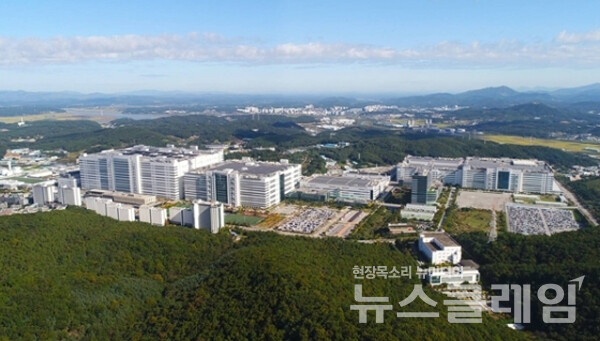
According to Daishin Securities researchers, the recent average won-dollar exchange rate has fallen by more than 4% compared to the previous quarter, negatively impacting corporate profitability. Given the export-heavy nature of the display industry, a weaker won reduces the value of dollar-denominated earnings when converted back to won. Since exchange rate fluctuations are macroeconomic indicators beyond a company’s control, defending earnings is difficult. For instance, even a small percentage drop in the exchange rate can wipe out hundreds of millions of won in operating profit. Consequently, experts agree that if the downward trend in the exchange rate persists, protecting margin rates will be the company’s biggest challenge. Investors are also at a point where they must closely monitor exchange rate movements and adjust their investment positions accordingly.
The continued decline in the won-dollar exchange rate is directly burdening the profitability of LG Display, an export-centric company.
2. Rising Raw Material Prices and Manufacturing Cost Pressure
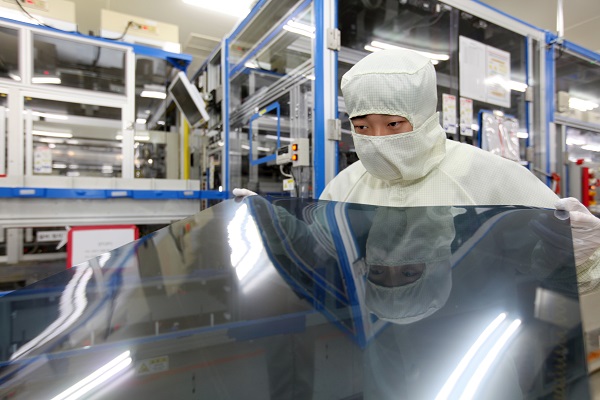
In addition to the falling exchange rate, the simultaneous rise in semiconductor and key raw material prices is cited as a major factor holding the company back. As prices for essential components and materials for panel manufacturing increase, selling prices for finished IT devices also face upward pressure. Since it is difficult to fully pass higher manufacturing costs on to selling prices, companies ultimately bear the brunt of reduced profits. Supply chain instability in the raw material market also negatively impacts finished product demand, hindering volume expansion. Indeed, the market estimates that these overlapping cost increases will cause operating profit to fall below market expectations. If raw material price volatility does not ease, cost reduction efforts will be more critical than ever in the near term.
Simultaneous increases in semiconductor and key raw material prices have raised manufacturing costs, hampering the recovery of profitability.
3. Q3 Earnings Estimates and Market Reaction
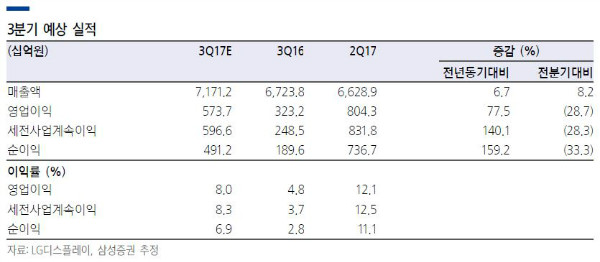
The securities industry expects LG Display to record operating profit this quarter, successfully turning profitable compared to the previous quarter. However, the prevailing analysis suggests that results are likely to fall short of market consensus. Revenue itself is expected to show double-digit growth compared to the previous quarter, achieving top-line expansion. However, the company has hit the rocks of exchange rates and raw materials while trying to solidify its fundamentals. In this process of adjusting earnings expectations, brokerage firms have collectively lowered their target prices, recommending a conservative approach. The stock price may also face short-term corrections, with potential disappointment selling from investors.
Despite revenue growth, Q3 operating profit is estimated to fall below market forecasts due to negative factors from exchange rates and raw materials.
4. Expanding North American Market Share and Positive Signals
Despite the challenging business environment, the gradual increase in market share among strategic North American customers is an encouraging development. Strengthened partnerships with key clients have enabled stable volume acquisition, which is a significant asset. In particular, the revenue share of high-value-added products, such as OLED panels, is steadily increasing. This serves as evidence that the company is achieving fundamental improvement beyond just volume competition. If market share expansion and product diversification go hand in hand, it could drive a sharp earnings rebound when the industry outlook improves. These positive elements provide comfort to long-term investors at a time when the stock price has declined.
The company has laid the groundwork for fundamental improvement through increased market share in North America and a growing revenue share of OLEDs.
5. Reduced Depreciation and Eased Fixed Cost Burden
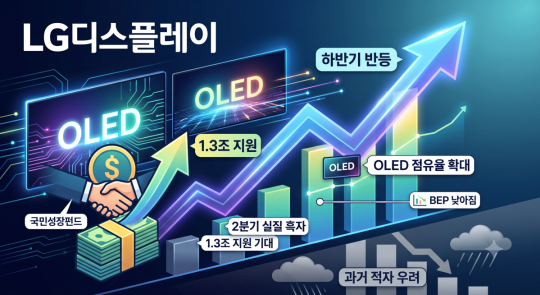
The gradual reduction in depreciation expenses from OLED panel production lines is also a green light for improved profitability. As the depreciation period for equipment from initial concentrated investments passes, the fixed cost burden is naturally easing. In particular, the impact of the seasonal off-season in the first half of next year is expected to be minimized compared to the past. Reduced off-season effects allow for more efficient factory operation, further strengthening cost competitiveness. If revenue holds up while fixed costs decrease, profit margins could improve sharply. Internally, the company is continuing cost-efficiency efforts to prepare for the upcoming boom.
The fixed cost burden is expected to decrease significantly as depreciation from equipment investment declines and the impact of the off-season eases.
6. Medium- to Long-Term Investment Strategy and Outlook
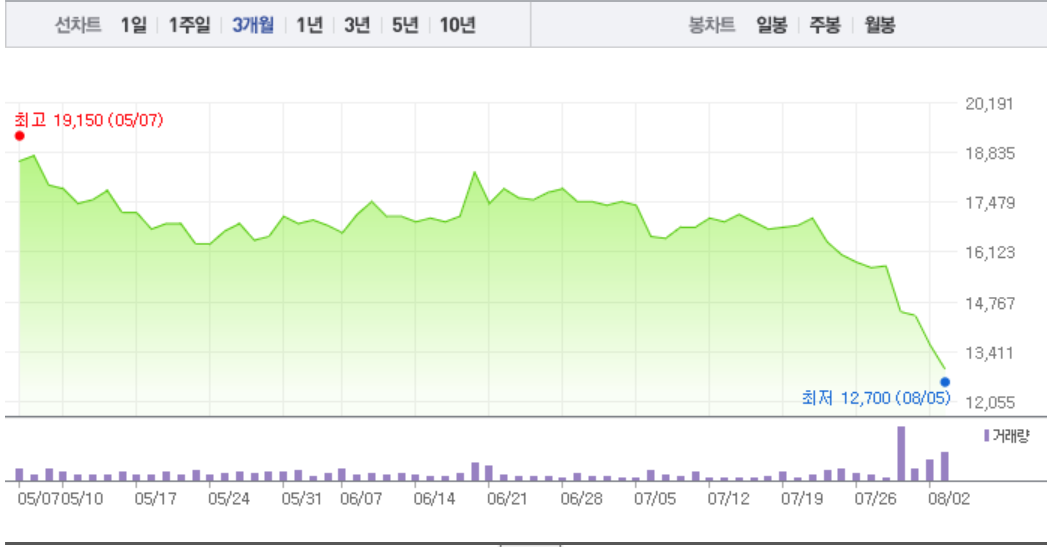
While the stock price is stalling due to short-term exchange rate declines and raw material burdens, the medium- to long-term trend of improving earnings remains valid. The reason the securities industry maintains a “Buy” rating is its high assessment of the company’s potential for structural fundamental improvement. Investors should focus on the company’s fundamental changes in competitiveness rather than reacting emotionally to short-term earnings underperformance. Once the external variable of the exchange rate stabilizes and raw material prices return to normal, the stock price will likely quickly find its true value. Therefore, now is the time for the wisdom of a long-term, dollar-cost-averaging approach. We hope you navigate the market’s waves wisely based on thorough analysis.
Despite short-term negatives, the structural trend of improving profitability remains valid, necessitating a long-term investment strategy.
Frequently Asked Questions
=