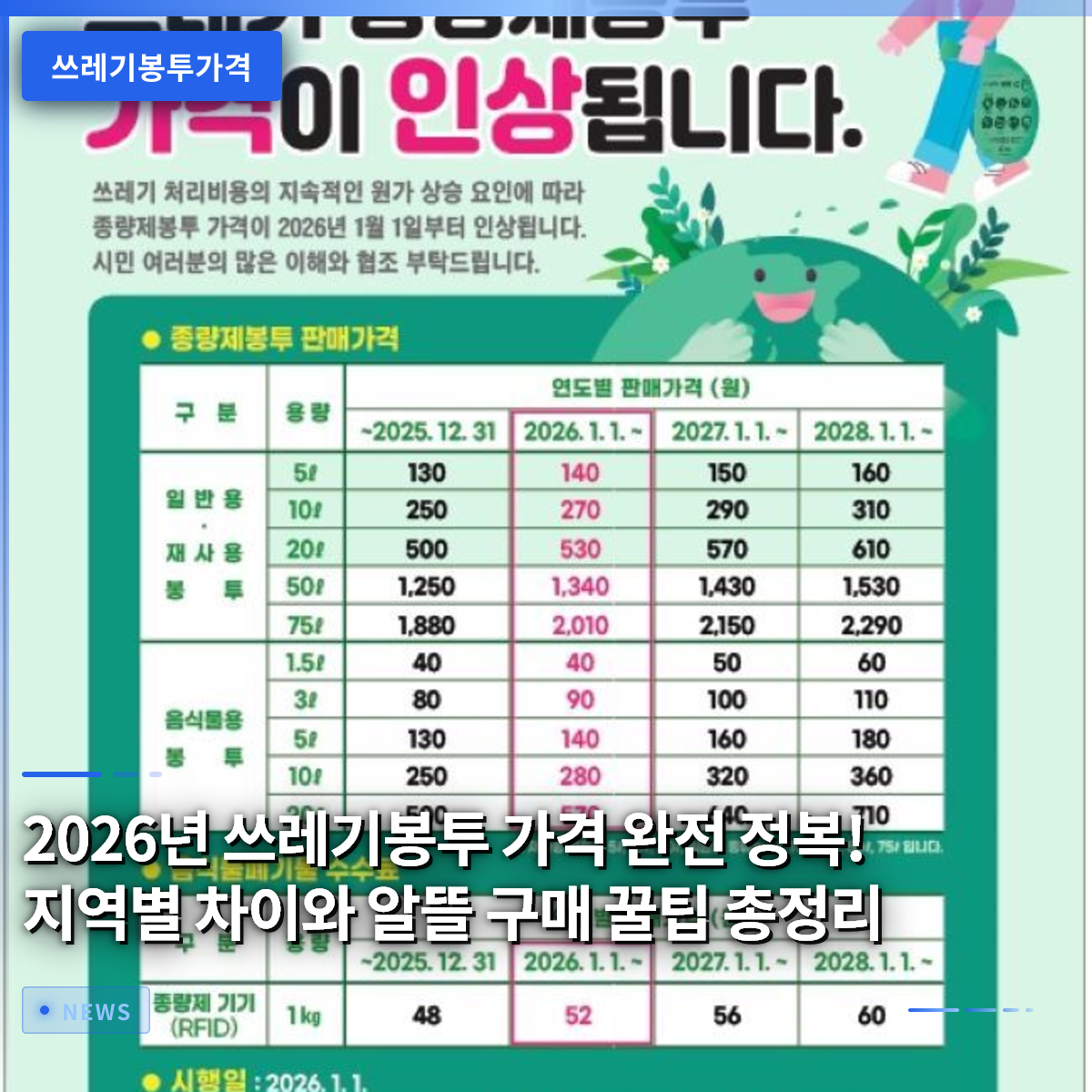
In an era where even throwing away trash costs money, I have seen prices vary wildly, ranging from a few hundred to several thousand won per bag. The key is not just buying bags, but accurately understanding the expenditure that reflects local government policies. A few years ago, I mistakenly bought expensive bags from another region without realizing it, only to find out later that I could have bought them for half the price. That experience was a shock. Since then, I have made it a habit to check the latest prices in my area every quarter, which can help protect your wallet as well. Today, as of September 2026, we will take a detailed look at the current status and price trends of garbage bags in major regions across the country, along with points to note when making actual purchases. In particular, we will delve into the cost differences between apartment complexes and single-family homes, as well as seasonal fluctuations.
=
Mastering 2026 Garbage Bag Prices: Regional Differences and Smart Buying Tips
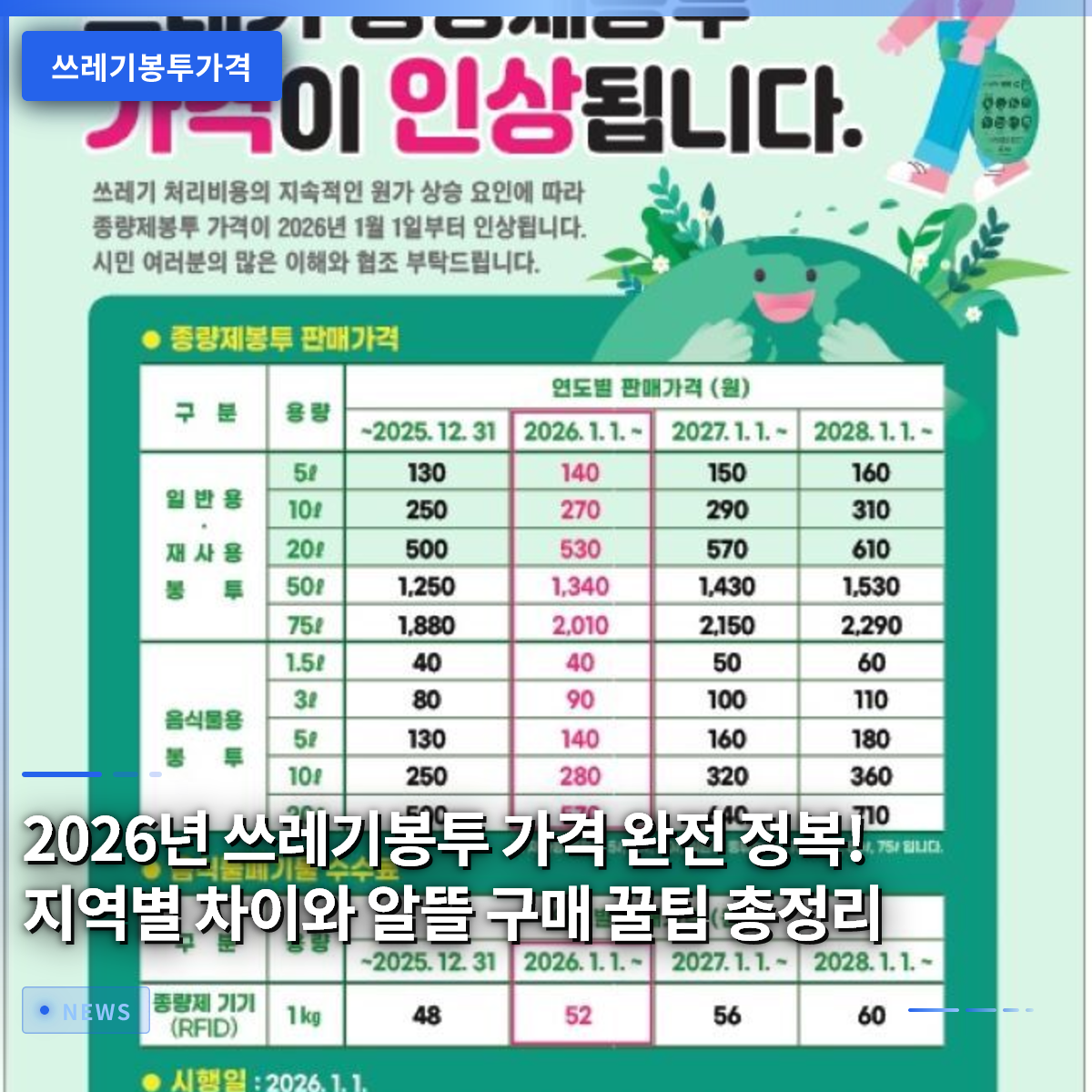
1. The Reality of Price Gaps in Garbage Bags by City, County, and District
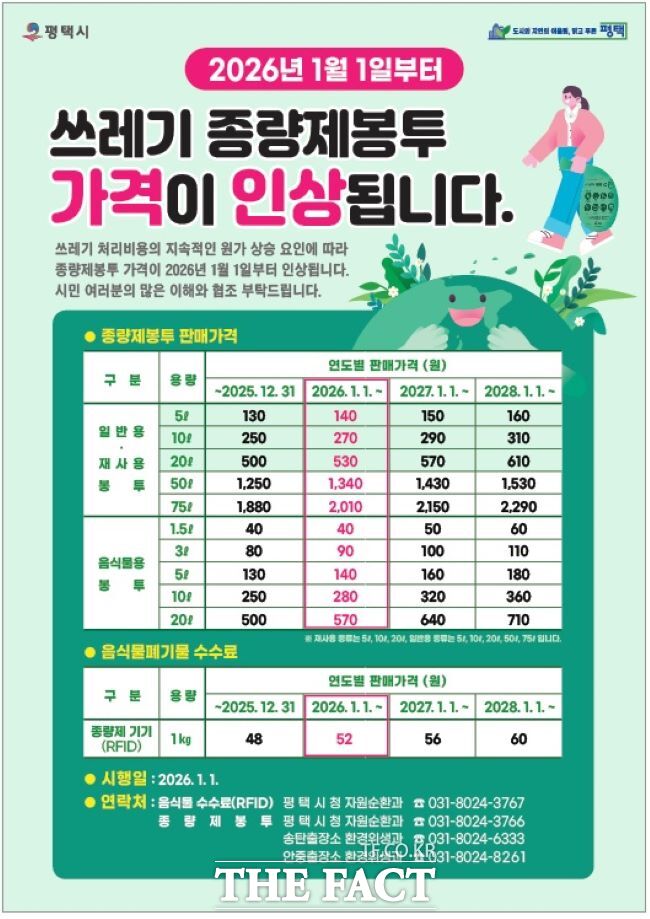
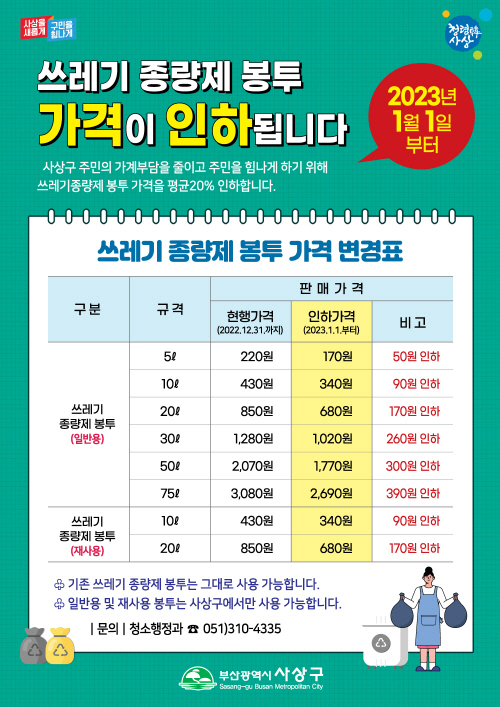
Even for general garbage bags of the same capacity, prices can differ by 20–30% or more depending on the neighborhood. For example, a 20ℓ bag might cost 700 won in District A, while it often exceeds 900 won in the adjacent District B. This difference is formed according to the finances of each local government, so you must carefully check the management fee items specified in the lease agreement before or after moving. In recent years, there has been a trend of increasing bag prices nationwide due to strengthened resource circulation policies. Therefore, you must always check the latest prices before purchasing expensive bags in bulk. My family also felt the impact when we moved into a new apartment and found that our average monthly waste disposal costs had increased by more than 10,000 won compared to our previous residence. Therefore, regularly checking local community boards or administrative bulletin boards is the most basic way to prevent unnecessary financial losses.
Using membership cards or local government discount coupons can secure bags at a much lower price than individual purchases. It is often more advantageous to buy from public stores centered around local administration or regional specialty product malls rather than large marts or convenience stores. Some local governments set “garbage volume-based bag discount periods” twice a year, applying additional discount rates for bulk purchases within a specific period. If you miss this discount period, you will have to buy at the regular price, so it is a good idea to register it in your calendar and set a reminder. Additionally, residents of multi-family houses or row houses can effectively minimize distribution margins by conducting joint purchases per complex. Do not underestimate these small savings, as they can amount to a significant sum when converted to a year’s worth.
Price differences by region are significant, and utilizing discount periods and joint purchases can lead to substantial expenditure reduction.
2. The Impact of Food Waste Bags and RFID Introduction
Unlike general trash, food waste is often charged based on “capacity” or “weight” rather than volume. As of 2026, dedicated trash bins equipped with RFID readers are expanding, centered on major cities in the metropolitan area, and the structure where you simply buy bags is gradually disappearing. RFID-enabled bags vary in price from a few hundred to several thousand won depending on weight, so you must pay attention to storage conditions and cooking methods. Just as the price of large-capacity 60ℓ payment stickers is adjusted by region, the unit price per bag is also fluid depending on policy changes in cities, counties, and districts. At first, I thought the RFID reader was malfunctioning and made the mistake of tearing up the bag, but I later found out that the recognition rate varies depending on the bag material. Therefore, you must use only officially designated dedicated bags; using general plastic bags as substitutes can make you subject to fines, so caution is required.
The most important thing when disposing of food waste is to reduce its volume, and thoroughly removing moisture is a method that fits this. If you absorb moisture using kitchen towels or slush packs before throwing it away, the amount contained in one bag decreases, ultimately lowering the total cost. In particular, when cooking crops with high moisture content, such as pumpkin or watermelon rinds, it is best to crush or chop them into small pieces and dispose of them in a dry state. This habit contributes not only to cost savings but also to improving the sanitary environment within the community. Although it is a small action, it can have the direct effect of reducing the number of bags used by at least one. I strongly recommend training yourself to develop these habits by regularly checking your kitchen routines.
With the introduction of RFID and weight-based charging, the mandatory use of dedicated bags and the habit of reducing volume have become important.
3. Analysis of Large Waste Disposal Fees and Hidden Costs
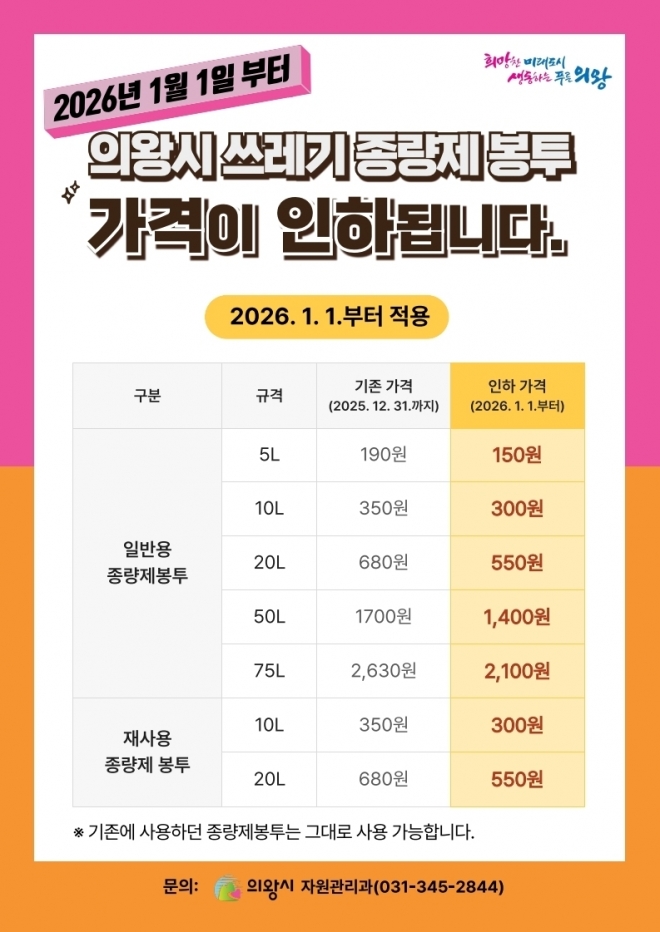
Unlike general trash that fits in a trash can, large waste items such as humidifiers or bed mattresses require separate reporting and fee payment. As of 2026, fees for small items (chairs, desks, etc.) range between 1,000 and 3,000 won, while medium-sized items (washing machines, refrigerators, etc.) incur fees of approximately 5,000 to 10,000 won. If you do not calculate the cost in advance, the substantial waste disposal costs can lead to unexpected expenditures. Especially during moving season, when waste is generated all at once, making disposal reservations in advance is a shortcut to saving both time and money. I had a painful experience where I left a refrigerator without reporting it, and ended up paying a fine after a neighbor reported it. As such cases accumulate, the image of the local community deteriorates, so it is essential to follow the procedure of attaching the disposal sticker to the designated location.
Before disposing of large waste, it is necessary to check the condition of the item to decide whether to discard or recycle it. Working electronic products can actually generate revenue if sold through second-hand trading platforms or recycling grades. In fact, I was able to sell a washing machine in good condition at a reasonable price and use part of the proceeds to fund the purchase of a new refrigerator. Therefore, rather than hastily proceeding with waste disposal, an approach that first analyzes the potential for sale and recycling value is needed. Additionally, some local governments operate fee reduction systems for waste exceeding a certain amount, so you must check if such policies exist. Knowing and utilizing these detailed systems can significantly reduce expenditure, so do not overlook administrative notices.
Large waste disposal fees vary by item, and cost burdens can be minimized through advance reservations and reviewing recycling value.
4. Differences in Disposal Management Between Multi-Family and Single-Family Homes
Residents of apartments or multi-family housing often have their bag purchase records and disposal status automatically managed through the management office or resident computer systems. On the other hand, residents of single-family homes or villas face the inconvenience of personally purchasing bags and directly controlling disposal schedules. In multi-family housing, costs are sometimes included as a monthly fixed fee, similar to parking management fees, meaning discount benefits are often applied even without individual bag purchases. In my complex, we prepay part of the waste disposal costs through monthly management fees and use accumulated points for discounts when making additional purchases. This system helps manage individual expenditures transparently and has the advantage of clarifying items that can be deducted during year-end tax settlement. Therefore, it is essential to check this financial handling method in the management regulations upon move-in and inquire in advance to ensure there are no disadvantages.
For single-family home residents, you must prepare for the fact that waste generation varies by season. Additional costs may occur due to seasonal factors such as fallen leaves in autumn or coal ash from wood-fired boilers in winter, so it is good to secure a buffer. In particular, rural areas or areas near green spaces may have higher disposal costs than general cities, so budget planning considering regional characteristics is necessary. Additionally, relationships with neighbors are important. To avoid conflicts caused by illegal dumping or improper storage, you must strictly adhere to designated disposal times. If a neighbor reports you due to a dispute, not only you but your entire family could be affected, so maintaining courtesy is best. Waste disposal practices filled with communication and consideration are important factors that ultimately determine the value of your home and the quality of your living environment; do not forget this.
Disposal management methods and cost structures differ by housing type, and rule compliance and neighbor communication are essential.
5. Preventing Improper Disposal of Volume-Based Bags and Responding to Fines
Illegally putting trash in bags of the wrong capacity or mixing prohibited items such as dough into the trash is subject to fines regardless of intent. In particular, in 2026, violations are being detected much more precisely than in the past due to the expansion of CCTV installation and the introduction of unmanned enforcement systems. As reported in recent news, the era has arrived where half-disposed bags or bags containing required sealing materials are being discovered. Fines may be a few ten-thousand won for minor cases, but repeated violations can lead to aggravated penalties resulting in fines of several hundred thousand won. I once put food waste in a general bag, but after hearing an announcement, I hurriedly separated it and barely avoided a penalty. In addition to such cases, if intent is recognized in actual legal judgments, criminal penalties may be imposed, so prevention is the top priority.
If a fine notice arrives, you must immediately review the possibility of filing an objection or verifying the facts. Most errors stem from the condition of the bag or recognition errors in disposal times, so securing CCTV numbers or photo evidence is important. You must respond within the official appeal period set by the administration; if you do not respond, the notified amount will be finalized. Additionally, receiving accident prevention education is a long-term cost-saving measure. Educating all household members on proper sorting methods allows the system to operate without major incidents. Since regulations are likely to be strengthened in the future in line with socio-economic trends, developing correct habits now is the cheapest insurance.
Illegal dumping carries the risk of fines and criminal penalties, so preventive education and familiarity with objection procedures are essential.
6. Future Outlook and Comprehensive Tips for Readers
Even after 2026, waste-related costs are likely to remain stable or rise slightly rather than decrease, due to the advancement of the circular economy. Therefore, rather than relying on current prices, it is necessary to prepare fundamental strategies for reducing household waste. It should not end with saving one bag, but should lead to a lifestyle shift that reduces waste in the production and consumption stages. Examples include adjusting the replacement cycle of permanent items, purchasing resellable products, and adhering to the principle of minimal packaging. Additionally, participating in local community resource circulation campaigns to share information and experiences is very helpful. When we learn and practice together, we contribute not only to individual cost savings but also to solving macro-environmental issues.
In conclusion, garbage bag prices are not just the cost of a daily necessity but a result of living habits and regional policies. Actively practice the regional price differences, RFID response methods, large waste disposal tips, and fine prevention methods presented today. If you make it a habit to check unit prices every quarter and analyze seasonal disposal patterns, it will bring positive changes to your household budget. Just as principled management is important for valuable assets, managing small costs in daily life is the beginning of wise consumption. I hope this article serves as a solid rope for your smart waste disposal and expenditure planning for it. If you have further questions or need help, please refer to the FAQ below or inquire with your local administrative center.
Amidst the trend of rising costs, sustainable management strategies through improved living habits and information utilization are required.
Frequently Asked Questions
Therefore, weighing the waste in advance and selecting an appropriate bag capacity is the most economical approach.
It is safer to buy based on the location before and after moving, and you must always check the expiration date.
If possible, dispose of it separately at local recycling centers or battery exchange stations, or use designated large waste bags.
It is important to estimate annual usage, compare it with the management fee increase, and combine joint purchase systems or discount events to find the optimal value.
=