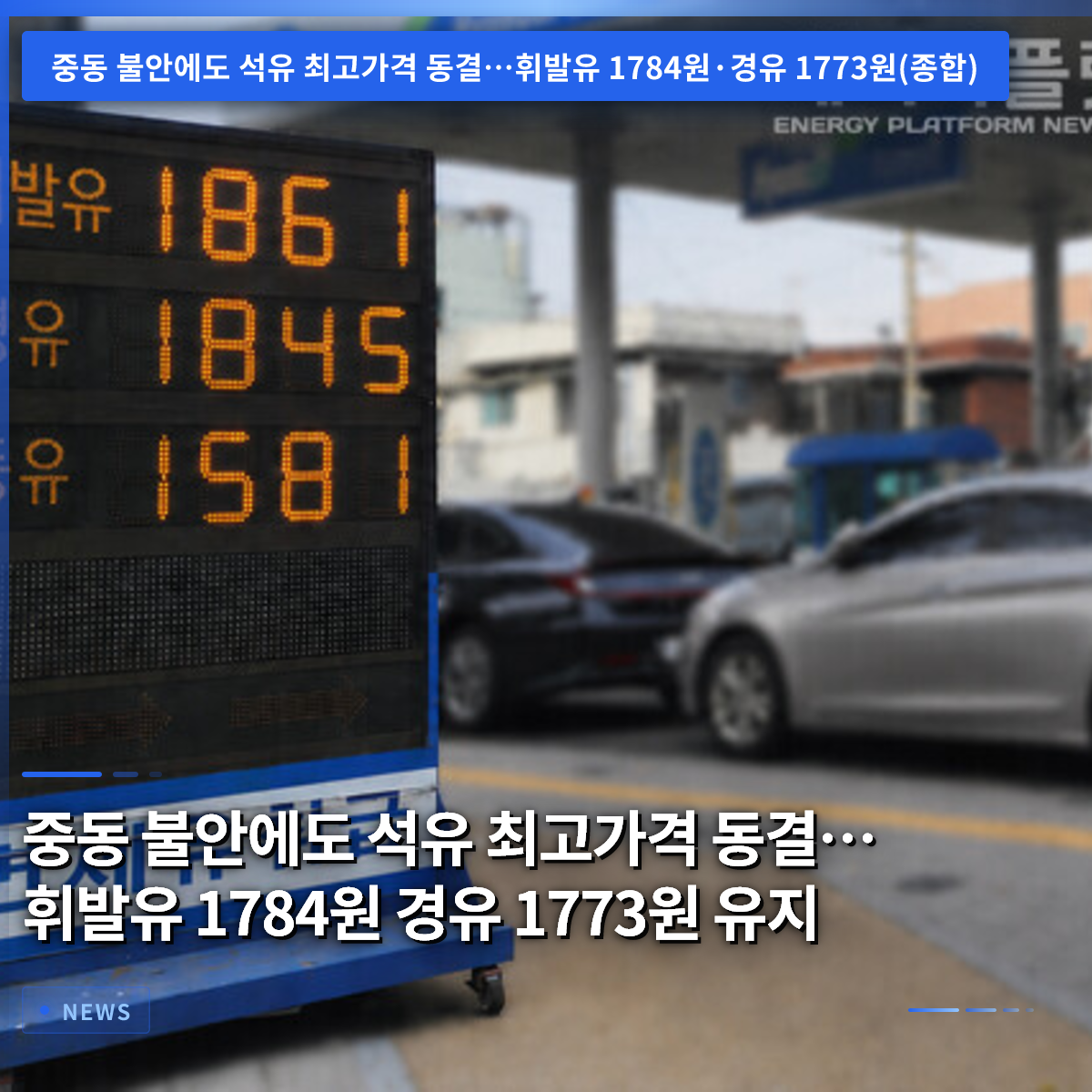
The government has decided to freeze the maximum prices for petroleum products for the next four weeks, starting from the 19th, maintaining them at current levels despite geopolitical instability in the Middle East and rising pressure on international oil prices. For drivers who worry about fuel costs every morning on their way to work, this is undoubtedly welcome news that allows them to breathe a sigh of relief. Recently, major crude oil prices in the international market, such as Brent and Dubai crude, have shown a sharp upward trend, surpassing $100 per barrel. Despite this, the government’s decision reflects a strong will to curb soaring inflation and alleviate the burden on the livelihood economy. In this article, we will examine in detail the specifics of this oil price freeze measure, its impact on inflation, and future oil price outlooks.
=
Oil Price Caps Frozen Despite Middle East Instability… Gasoline Held at 1,784 Won, Diesel at 1,773 Won
1. Specifics and Prices of the Oil Price Freeze
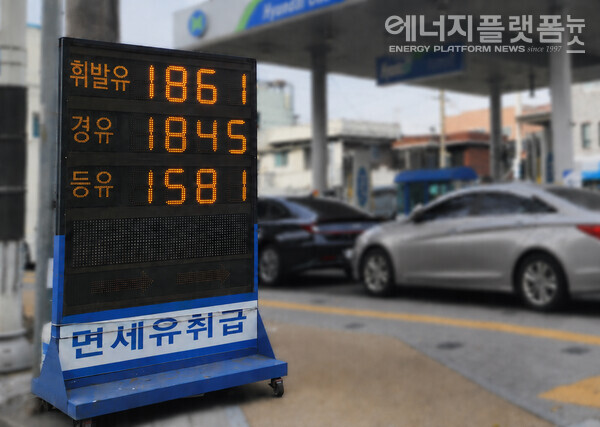
The Ministry of Trade, Industry and Energy officially announced that the 10th maximum prices for petroleum products, applicable for the next four weeks starting from midnight on the 19th, will be maintained at the same level as the previous 9th round. Under this decision, the maximum prices per liter at gas stations nationwide are frozen at 1,784 won for gasoline, 1,773 won for diesel, and 1,380 won for kerosene. This is reassuring news for self-employed individuals and truck drivers who have been meticulously checking fuel prices weekly to save every penny. The government arrived at this price freeze measure after carefully analyzing recent international liquidity flows and domestic exchange rate trends. Without such a price cap system, drivers would likely have had to pay significantly higher amounts for fuel by now. A government official explained that this measure is not merely a temporary stopgap but the result of a comprehensive judgment aimed at stabilizing fuel costs, which directly impact household inflation. In particular, it is providing significant relief to office workers who commute daily and small business owners who rely on logistics, effectively reducing their perceived economic burden. Indeed, at major gas stations nearby, one can easily see citizens feeling relieved as the price signs remain unchanged. It is expected that by strictly adhering to this price line for the next four weeks, market confusion can be prevented and price stability can be promoted.
The government is freezing maximum petroleum product prices at 1,784 won for gasoline and 1,773 won for diesel for four weeks starting from the 19th to ensure livelihood stability.
2. Middle East Geopolitical Instability and Rising International Oil Prices
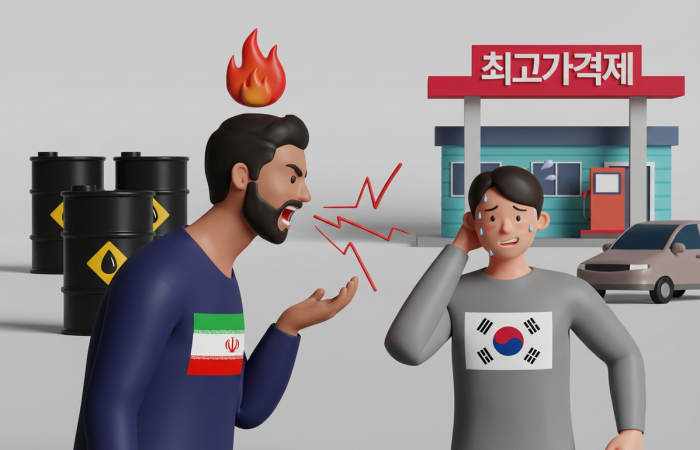
Military tensions in the Middle East, which had been somewhat subdued until last month, have reached their peak again this month, stimulating international oil prices. The unstable geopolitical situation in the Middle East is directly impacting global oil supply chains and serving as the primary cause of the sharp rise in prices for major oil grades. Indeed, recent market indicators show that Brent crude has exceeded $105 per barrel, while Dubai crude is approaching the $128 mark, continuing its high-altitude run day after day. Businesses and households facing the soaring crude oil price graphs in the morning news are expressing deep concern about the burden of energy costs. Despite this deteriorating external macroeconomic environment, the fact that domestic oil prices have remained stable is due to the government’s preemptive price cap system. In the past, even a small news item from the Middle East would have caused domestic gas station prices to jump immediately, destabilizing the finances of ordinary households. However, thanks to the current institutional mechanisms, much of the shock from international market volatility is being absorbed before it directly affects domestic consumers. Experts expect that conflicts in the Middle East are unlikely to be resolved in the short term, but they assess that the government’s multi-faceted supply and demand responses are acting as a shield against sudden market fluctuations.
International oil prices have exceeded $100 per barrel due to renewed conflicts in the Middle East, but the government’s institutional mechanisms are mitigating the shock.
3. Exchange Rate Decline and Compensatory Effect on Oil Prices

Another decisive factor allowing the domestic oil price cap to be frozen, despite the sharp rise in international oil prices, is the recent favorable exchange rate and crude oil import conditions. When the maximum price system was first introduced, the won-dollar exchange rate was above 1,500 won, creating the worst conditions by fueling rising import prices. However, with the exchange rate recently dropping to around 1,350 won, the approximately 10% decline in the exchange rate is significantly offsetting the burden of soaring international oil prices. The exchange rate stability is effectively acting as a buffer, shaving off some of the rising import costs. Additionally, the premium figures, which serve as the benchmark for official selling prices of Middle Eastern crude oil, have also noticeably decreased compared to the past, which has worked positively. In the spring, the premium was close to $20 per barrel, but it has recently fallen to negative levels, significantly reducing the cost of securing crude oil. Thanks to the combined effect of these economic indicators, although the nominal Dubai crude price has risen, the actual raw material procurement conditions felt by refiners are much more favorable than in the past. The government accurately read these changes in microeconomic indicators, enabling it to make the rational policy choice of freezing prices rather than imposing unreasonable increases.
The drop in the exchange rate to the 1,350 won range and the decrease in crude oil import premiums have significantly offset the burden of rising international oil prices.
4. Contribution of the Maximum Price System to Price Stability

Analysis results regarding how much the petroleum product maximum price system implemented by the government has contributed to suppressing the rise in general consumer prices are drawing attention. According to statistical data from the Ministry of Trade, Industry and Energy, the implementation of the maximum price system from March to August resulted in the overall consumer price inflation rate being lowered by an average of 0.6 percentage points. Without such price control mechanisms, gasoline would have been several hundred won more expensive per liter, and diesel and kerosene would have soared to unmanageable levels. For office workers who drive to work daily and self-employed individuals who transport goods, this system has served as a sturdy fence protecting household economies. In fact, when talking to owners of local gas stations, they express great satisfaction that customers can refuel with peace of mind within this price range. It is clear that without the price cap, ordinary citizens would have taken a direct hit from an inflation bomb, suffering significant economic damage in their daily lives. Based on these positive effects, the government is preparing supplementary measures to minimize various side effects arising from the prolonged implementation of the system and to further enhance its effectiveness. Proving that price stability is the top priority for livelihood stability, the government is maintaining a firm stance on managing market prices without wavering.
The implementation of the maximum price system has achieved a suppression effect, lowering the consumer price inflation rate by an average of 0.6 percentage points over the past few months.
5. Managing Fiscal Burden and Refinery Loss Compensation Plans
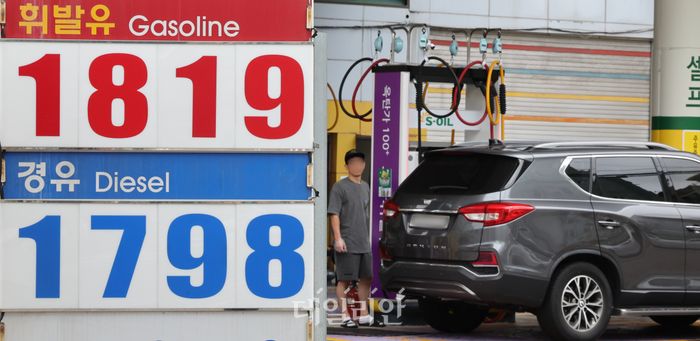
As the system is prolonged, one of the naturally arising concerns is the government’s significant fiscal burden and the settlement process with the refinery industry. The government is confident that the loss compensation for refineries incurred in the first six months can be sufficiently absorbed within the 4.2 trillion won reserve limit initially prepared. In particular, it has secured the capacity to respond stably in the upcoming fourth quarter with a budget of approximately 1.4 trillion won. The specific loss compensation settlement work for refineries is scheduled to begin full-scale review next month after receiving relevant documents from the industry by the end of this month. The government has outlined a roadmap to derive the final settlement amount in November, go through the objection procedure with the industry, and perfectly complete the first settlement before the end of the year. Smooth negotiation with major refinery companies to prevent fiscal leakage and execute funds transparently is the core task of this settlement process. Regarding concerns about fiscal depletion raised by some, the government has drawn a clear line, stating that thorough simulations have been conducted, so there will be no strain on the national economy. Through transparent accounting verification and fair compensation, the government and the industry are creating a model precedent for coexistence while curbing prices.
The government is managing loss compensation within the reserve limit and plans to smoothly complete the first settlement within the year.
6. Seeking an Exit Strategy and Future Oil Price Outlook
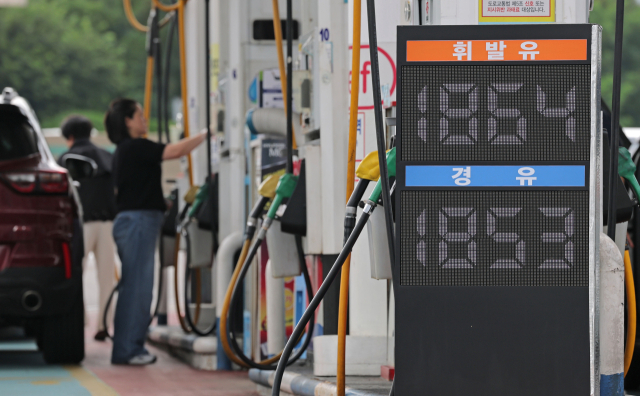
Attention is focused on the exit strategy for how long the oil maximum price system can be sustained and future market outlooks. The government maintains the basic principle that the time to end the maximum price system is when vessel transit in the Strait of Hormuz is fully normalized and international oil prices return to a stable downward trend. However, as conflicts in the Middle East are showing signs of becoming prolonged and lasting longer than expected, the government’s concerns are deepening. In a dilemma where the system cannot be unconditionally extended nor arbitrarily abolished, it is time to seek a flexible and cautious exit strategy. From the perspective of drivers visiting gas stations, while tomorrow’s fuel price is important, they also want clear signals about how the economy will flow in the long term. Experts advise that since it is difficult for international geopolitical uncertainties to be resolved in the near future, the government should closely monitor market conditions and continue with targeted measures. The government has repeatedly emphasized its policy of proceeding with the exit strategy step by step based on thorough data analysis, rather than hasty abolition, reflecting these voices from the field. We must continue to watch the government’s wise policy management to ensure our economy minimizes damage and navigates stably in the rapidly changing global energy market.
Normalization of the Strait of Hormuz and oil price stability are the core conditions for the exit strategy, and the government will monitor the situation and respond cautiously.
Frequently Asked Questions
=