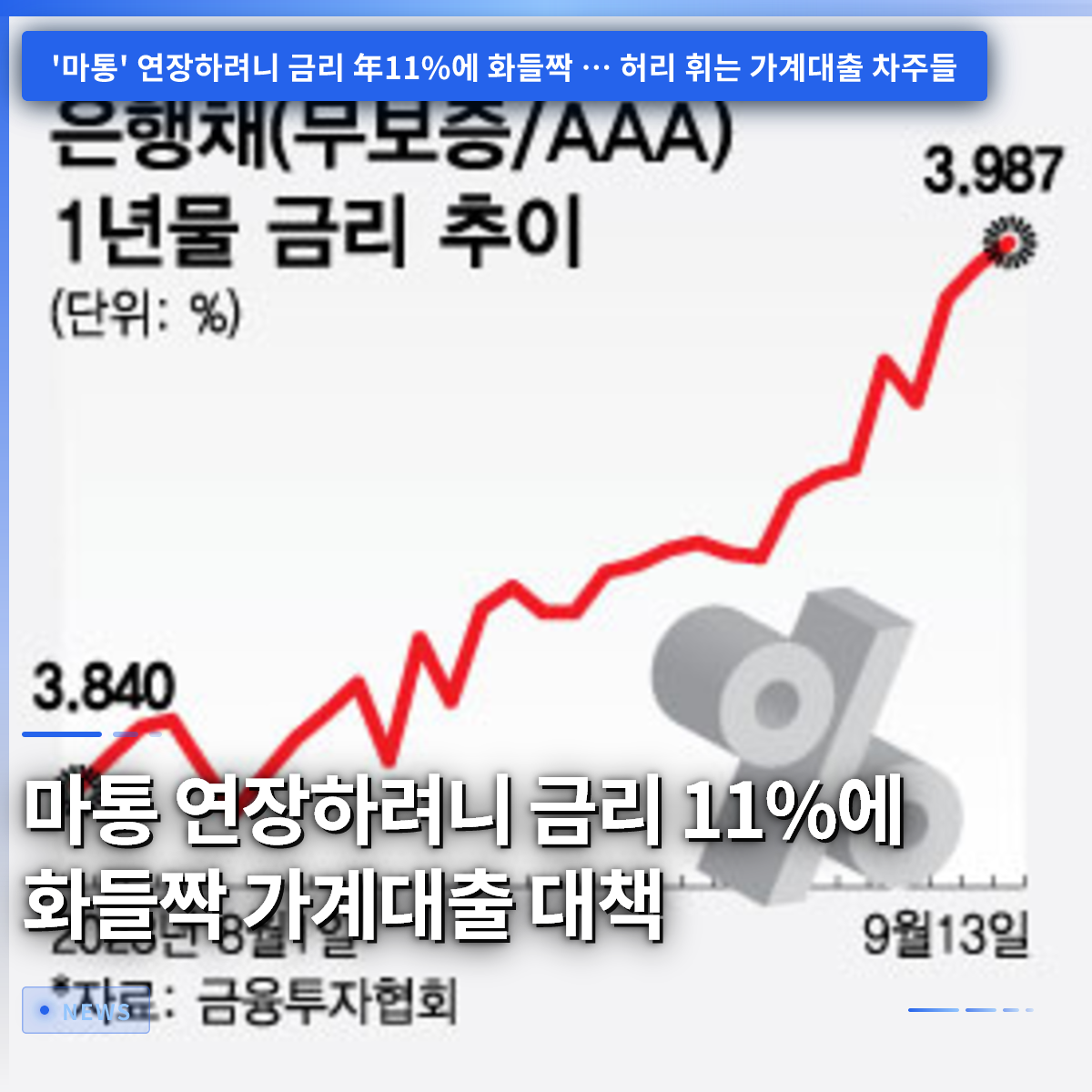
The number of office workers receiving a shock upon discovering that the interest rate for renewing their overdraft accounts has reached 11% annually is surging. As the ripple effects of major central banks’ benchmark interest rate adjustments coincide with rising market rates, the financial burden on ordinary households carrying loans is becoming increasingly unbearable. Until a few months ago, rates were not at this level, but people are now sighing deeply as they receive interest bills that have snowballed. In particular, borrowers who chose variable rates and face increasing monthly principal and interest repayment burdens are rewriting their household budgets and entering a state of emergency. For those who need to take out new loans or extend existing funds, the current financial environment feels like walking on thin ice. In this article, we will examine the reality of the crisis facing household loan borrowers amidst soaring interest rates and explore strategies to handle the situation wisely.
=
Shocked by 11% Interest Rate When Renewing Overdraft: Household Loan Countermeasures
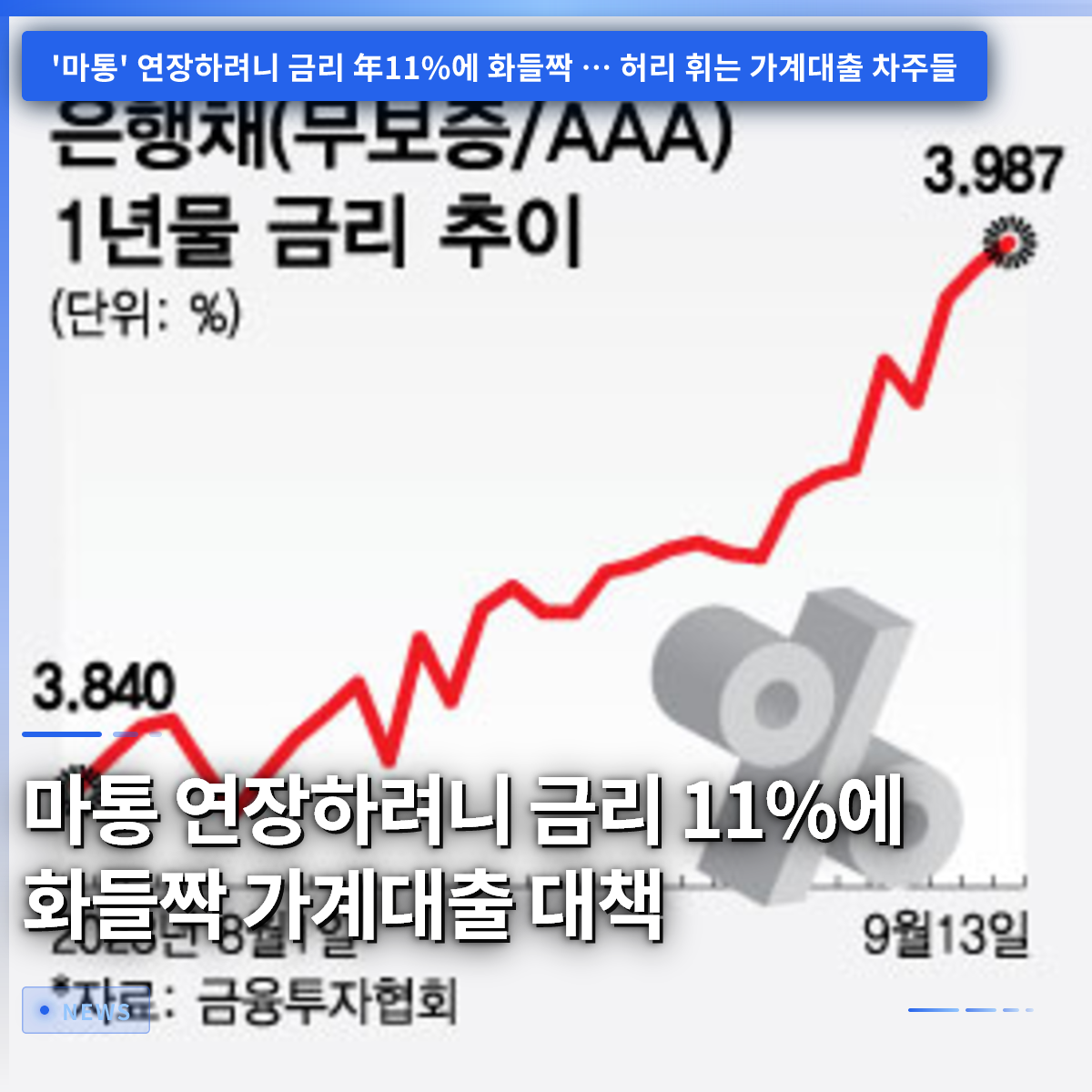
1. The Reality of Soaring Overdraft Interest Rates
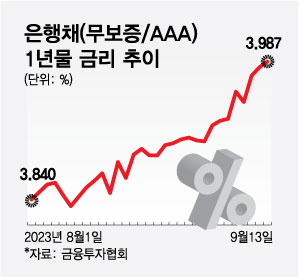
Overdraft accounts are essential financial products that office workers commonly set up to prepare for sudden funding needs, but recently they have become the main cause of “interest bombs.” Cases are emerging where bank customers, undergoing maturity extension reviews at bank counters, are left in disbelief upon being informed that the applicable interest rate has exceeded 11% annually. Just a few years ago, thanks to the low-interest-rate environment, these limit loans could be maintained with relatively little worry, but now they have become burdens that force monthly interest payments of several hundred thousand won. Mr. Kim, a man in his 30s working in Seoul, was shocked to see that the interest on his overdraft account, opened for emergency funds, had grown to an unmanageable level. As interest costs began to eat into a significant portion of his salary, he had no choice but to drastically cut daily living expenses. This sharp rise in interest rates is due not only to changes in the benchmark rate but also to banks setting high add-on rates to manage household debt. Financial consumers are left powerless against banks’ unilateral interest rate hikes, deepening their sense of economic deprivation. Once raised, interest rates show little sign of coming down, yet maturities are approaching, leaving borrowers in a dilemma where they cannot move forward or back. Voices of sighing every time they see the interest amount automatically deducted from their accounts are filling internet communities and office worker chat rooms.
As overdraft interest rates soar to 11% annually, the interest burden on household loan borrowers facing maturity is becoming severe.
2. Sighs of Variable-Rate Borrowers and Household Budget Crises
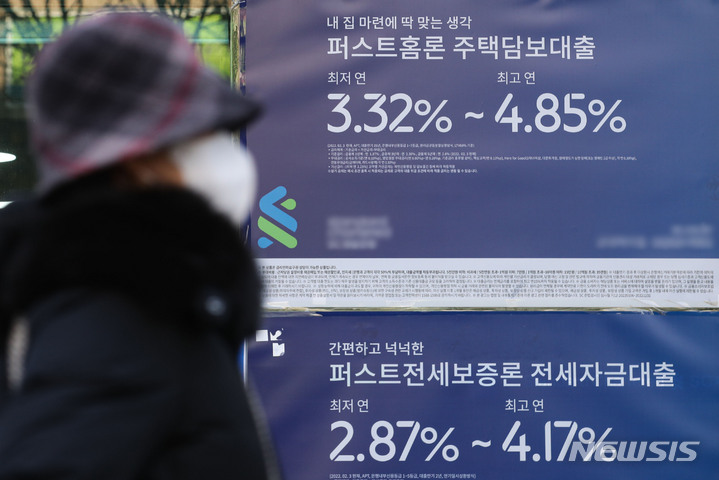
People who took out mortgage loans or credit loans with variable rates experience a sinking feeling every time the monthly principal and interest payment date approaches. As rising market interest rates are fully reflected in loan rates with a time lag, it is not uncommon for interest payments to increase by several hundred thousand won within a month. Mr. and Mrs. Lee, a dual-income couple, are seriously considering weekend part-time jobs to cope with the mortgage interest on the apartment they bought with maximum leverage and their overdraft interest. While fixed expenses such as children’s tutoring fees and food costs are hard to cut, the massive hole created by loan interest has instantly turned their household finances into the red. The problem is that anxiety about the future is amplifying as forecasts that this rising interest rate trend will not reverse in the short term gain traction. The warning lights for default risk are on as more households are filling their overdraft limits to the brim just to cover living expenses, rather than saving. Although the government and financial authorities are introducing various policies to curb household debt, the pain felt by ordinary people who have already taken out and used loans shows no sign of diminishing. When acquaintances gather, complaints about how they are managing loan interest payments come up before discussions about real estate prices.
Borrowers using variable-rate loans are experiencing great anxiety as soaring interest rates push their household finances to the brink of collapse.
3. The Link Between Benchmark and Market Interest Rate Increases
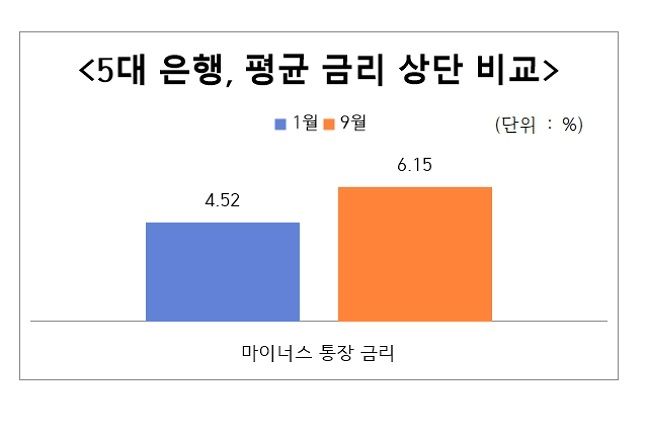
When central banks raise benchmark interest rates to stabilize prices, it directly leads to increased funding costs for commercial banks. Banks quickly adjust loan product interest rates in response to movements in market indicators such as government bond yields or the COFIX index to defend their profitability. In this process, ordinary borrowers feel firsthand how changes in macroeconomic indicators directly hit their wallets. Those who borrowed money to purchase assets, often referred to as “debt investors” or those who used maximum leverage, were left defenseless against the unexpected attack of rising rates. Experts unanimously warn that downward stabilization of market interest rates is unlikely in the near future unless the direction of monetary policy changes easily. New borrowers looking to take out loans also cannot enjoy the same low-interest benefits as in the past and must clear a higher hurdle. Banks are continuing the trend of tightening loan review criteria and significantly reducing limits, prioritizing risk management. In an era of double trouble where it is hard to borrow money and even harder to repay it, wise action from financial consumers is urgently needed.
The combination of central bank benchmark rate hikes and rising market indicators has pushed up commercial bank loan rates across the board.
4. Bank Loan Management and Borrowers’ Defense Strategies

Commercial banks are managing risk by raising loan interest rates and reducing limits in line with the financial authorities’ policy of regulating total household debt. To curb the growth of household loans, they are abolishing or lowering preferential interest rates one after another, causing the rates actually felt by borrowers to rise even more sharply. In this situation, borrowers should actively seek defense strategies to reduce their interest burden rather than passively accepting the situation. First, they should carefully compare options to switch to products with lower interest rates using refinance platforms from their main bank or other financial institutions. Additionally, it is advantageous to aggressively reduce the limits of unused overdraft accounts or clean up accounts to manage credit scores and debt ratios. Organizing unnecessary credit loans and using deposits or held assets to repay part of the principal is the shortest path to preventing interest expenditure in the long run. Visiting bank branches to actively exercise the right to request a rate reduction, proving improved credit status, is also a good method. In times of high volatility like now, staying informed allows you to save even a small amount of interest, so it is essential to pay attention to financial news.
As banks strengthen loan regulations, borrowers must actively use tools like refinancing and the right to request rate reductions to defend against interest costs.
5. Concerns Over Household Debt Defaults and Social Impact

Concerns are being raised that the repayment capacity of household loan borrowers is reaching its limit, turning the lights red on the soundness of the entire financial sector. If self-employed individuals and marginal households who have been surviving on debt fall into default, it could immediately spread to become a serious risk for the entire economy. Some of those who took out excessive loans to invest in real estate or stocks are facing bankruptcy due to the double burden of falling asset prices and high interest rates. Even ordinary office workers are increasingly falling into a vicious cycle of “paying one debt with another” by taking out new credit loans to pay interest on existing ones. While the government and financial institutions are preparing debt adjustment programs and loan extension support for vulnerable borrowers, there are also criticisms regarding their effectiveness. Critics argue that without fundamental income growth or stabilization of asset prices, these measures are merely temporary stopgaps. If the livelihood of ordinary people collapses, it will lead to a slump in domestic demand, ultimately negatively impacting the national economy, so comprehensive countermeasures are urgent. At the individual household level, conservative financial management, including controlling unnecessary expenses and securing emergency funds, has become more important than ever.
As the risk of household loan defaults grows, concerns over the soundness of the entire financial system are rising, demanding thorough financial management.
6. Future Outlook and Advice on Household Loan Management
Since the financial market is likely to maintain a high-interest-rate environment for the time being, household loan borrowers should manage their funds more conservatively. Rather than waiting for rates to drop, a safer strategy is to gradually repay the principal to reduce total debt. Reducing unnecessary consumption and repaying loan principal as soon as surplus funds become available is the most certain solution to escape the shackles of interest burdens. Do not be swayed by hearsay; accurately assess your actual income and expenditure scale to create a realistic budget. Financial consumers should develop the habit of checking their loan maturity dates in advance and responding proactively in line with interest rate fluctuation cycles. It is necessary to actively check interest rate conditions and preferential benefits through bank apps and move to find even slightly advantageous terms. To navigate the turbulent high-interest-rate period wisely, cold and thorough self-directed asset management is essential. In difficult times, a safety-first approach of reducing debt and securing cash will serve as a shield protecting our valuable assets.
To prepare for prolonged high interest rates, it is essential to reduce loan principal and manage assets conservatively.
Frequently Asked Questions
=