Personal pension savings is not merely a means of accumulating funds for retirement; it is a core strategy for maximizing tax benefits and growing long-term assets by linking it with an Individual Savings Account (ISA). In the current situation where the policy financial ladder has been broken, personal pension savings and ISAs are the products that capital owners should actively utilize. Based on reference materials, this article explores personal pension savings strategies suitable for households and income levels, from young adults to middle-aged and older individuals, along with specific examples. It emphasizes the need for strategic thinking regarding which assets to hold, where, and for how long, rather than just how to sign up. The purpose of this article is to help readers create an optimal financial plan suited to their situation by sharing tips on enjoying both the tax-exempt benefits of ISAs and the tax deductions of pension savings, the differences with IRPs, and cases that actually improved returns.
=
Personal Pension Savings Strategy: How to Maximize Returns by Linking with ISA
1. The Synergy Effect of ISAs and Pension Savings
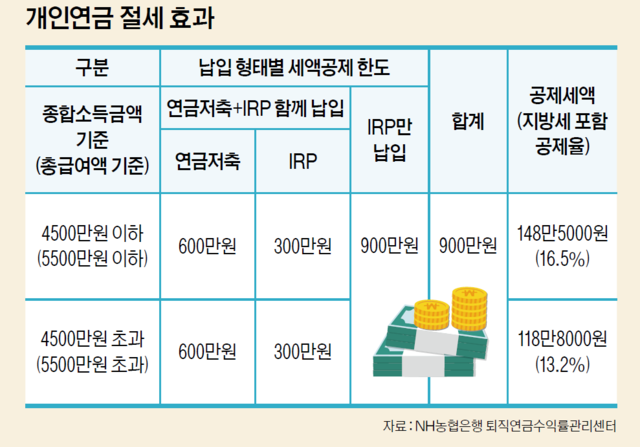
ISAs (Individual Savings Accounts) and personal pension savings each offer unique tax benefits. ISAs exempt taxes on investment returns up to a certain amount, while pension savings provide tax deductions on the amount deposited. Utilizing both accounts simultaneously can significantly reduce the tax burden. For example, you can secure a tax-exempt zone with an ISA and invest in high-yield assets, while diversifying funds in pension savings with products that offer stability and excellent tax benefits. Looking at the case of Ms. Choi Mi-sun, she utilized her ISA before her general account to save on taxes on investment returns, and then transferred the matured funds to her pension savings to enjoy additional tax benefits. By understanding and combining the characteristics of these two accounts, you can flexibly allocate assets according to the purpose of your funds. In particular, if you do not plan to use ISA matured funds for retirement, you should actively consider transferring them to pension savings or an IRP. Combining the netting function of ISAs with the long-term holding strategy of pension savings allows you to achieve both tax optimization and asset growth.
2. Personal Pension Savings Strategy Starting from Youth

In one’s youth, accumulating a lump sum and building capital is important. However, in a situation where the policy financial ladder has been broken, autonomous personal financial management has become even more essential. Since ISAs and pension savings are products that utilize the subscriber’s own funds, young people can also participate fully. Combining youth savings accounts or Home Dream Subscription Accounts with ISAs and pension savings allows you to achieve both short-term and long-term goals simultaneously. For example, you can invest a certain percentage of your salary in an ISA to pursue short-term returns while making monthly deposits into pension savings for long-term stable funds. At this stage, the key is to manage living expenses and secure savings capacity rather than focusing solely on asset accumulation. For the “Solo” demographic, it is important to create a financial plan based on individual income, regardless of whether they have children. The flexibility of ISAs and the long-term nature of pension savings are advantageous for gradually growing assets even amidst the uncertainties of youth. In particular, ISAs offer the flexibility to withdraw funds midway, allowing you to prepare for unexpected economic fluctuations.
3. Asset Diversification and Debt Management for Middle-Aged and Older Adults
For middle-aged and older adults, this is a critical period for asset accumulation and debt management. According to the data, there is a case where 12 billion won generated in one’s 40s was primarily allocated to IRPs and pension savings, recording an 80% return. This was the result of diversifying assets centered on core assets intended for long-term holding. Considering the tax-exempt and netting benefits, ISAs should be utilized preferentially over general accounts, while pension savings and IRPs should be filled with assets intended for long-term holding, considering tax deduction limits. For middle-aged and older adults, financial strategies vary greatly depending on whether they have children and their financial capacity, as the purpose of using funds changes according to family roles and income base. For example, those with children can utilize the flexibility of ISAs for education and housing funds, while those without children can invest more in pension savings for retirement. Additionally, those with debt need a strategy to manage their debt first and then diversify the remaining funds into ISAs and pension savings. Balancing assets and debt while maximizing tax benefits is the core task for middle-aged and older adults.
4. Differences and Utilization Methods of Personal Pension Savings and IRPs
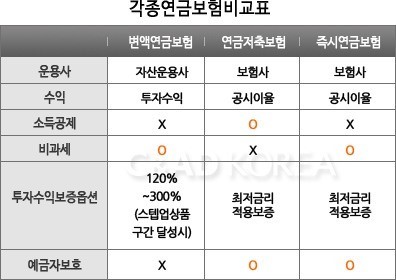
Personal pension savings and Retirement Pensions (IRPs) both provide tax benefits, but they differ in nature and application. Personal pension savings allows capital owners to deposit and manage funds freely, whereas IRPs are products for transferring company-provided retirement pensions or managing them directly. As shown in the data, it is important to fill IRPs and pension savings with core assets intended for long-term holding, considering tax deduction limits. Since ISAs offer better tax benefits than general accounts, they should be utilized when there are many investment returns. If you sign up for both accounts, you can enjoy the tax-exempt zone of ISAs and the tax deductions of IRPs simultaneously. For example, allocating high-yield assets to ISAs and stable assets to IRPs can balance risk and return. Additionally, since IRPs may offer additional benefits such as lump-sum receipt after retirement, they are suitable for assets requiring long-term management. Since personal pension savings may incur a significant tax burden upon early termination, it is recommended that only those who definitely plan to use the funds for retirement sign up.
5. Cases of Increased Actual Returns and Practical Tips
Looking at cases of increased actual returns, it is evident that strategy considering tax benefits and asset diversification is important, rather than simply pursuing high returns. In the data, Ms. Choi Mi-sun’s case involved using an ISA to save on taxes and filling pension savings and IRPs with long-term assets to increase returns. By combining the tax exemption of ISAs with the tax deductions of pension savings, you can increase returns while reducing the tax burden. As a practical tip, first open an ISA to save on taxes on investment returns, and then transfer those funds to pension savings to enjoy additional benefits. Also, rather than making regular monthly deposits, it is better to plan deposits flexibly according to cash flow. For example, if additional funds arise during year-end tax settlement, you can make a lump-sum deposit into pension savings at that time to maximize tax deductions. Planning the subscription periods and maturity dates of ISAs and pension savings in advance allows you to utilize tax benefits without missing out.
6. Future Outlook and Action Guidelines for Readers
In the future, the policy financial ladder may become more complex, but since ISAs and personal pension savings are products that utilize capital owners’ funds, they can respond relatively flexibly to policy changes. In particular, financial strategies for middle-aged and older adults should be continuously adjusted according to family roles and income base. Readers should first define their financial goals and risk tolerance, and then plan how to use ISAs and pension savings. For example, investing long-term in pension savings for retirement while utilizing the flexibility of ISAs for short-term goals. Additionally, asset allocation should be periodically reviewed to prepare for changes in the economic environment. ISAs and pension savings are not just financial products but part of a long-term asset management strategy. It is important for readers to create an optimal financial plan suited to their situation based on the cases and tips in this article and to cultivate the habit of consistent management. Finally, do not forget that financial strategies should aim for long-term stability and growth rather than short-term profits.
Frequently Asked Questions
=