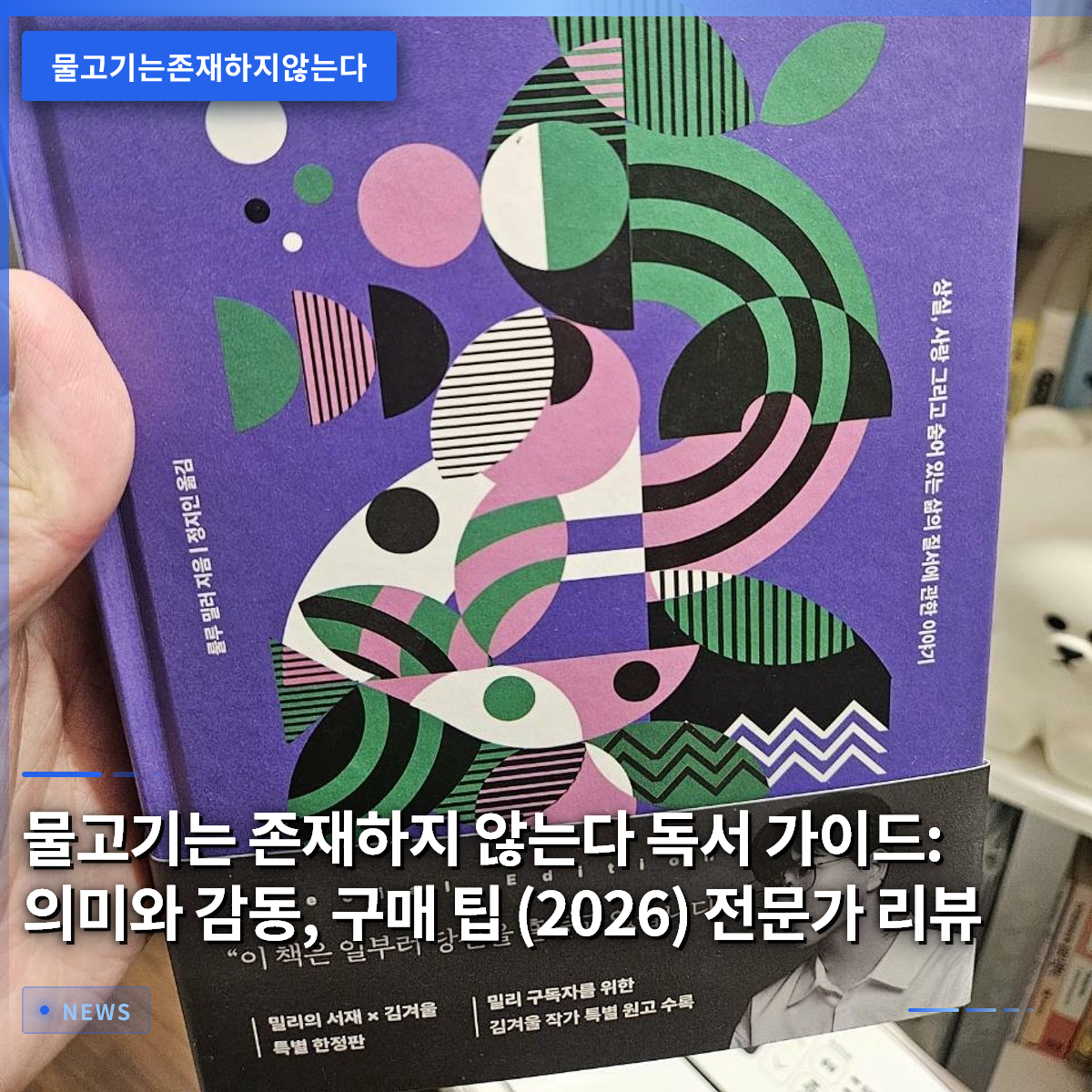
The declaration presented in the book “There Are No Fish” shakes common sense, and actually reading it reconstructs our way of thinking. This book is a metafiction created by Lulu Miller that questions existence itself. Readers imagine the absence of invisible fish through the text and, in the process, examine their own frameworks of perception. This article explores the book’s core message, an introduction to the author, reader reactions, purchasing and reading tips, and how to apply its lessons to daily life.
Reading Guide for “There Are No Fish”: Meaning, Impact, and Buying Tips (2026) Expert Review
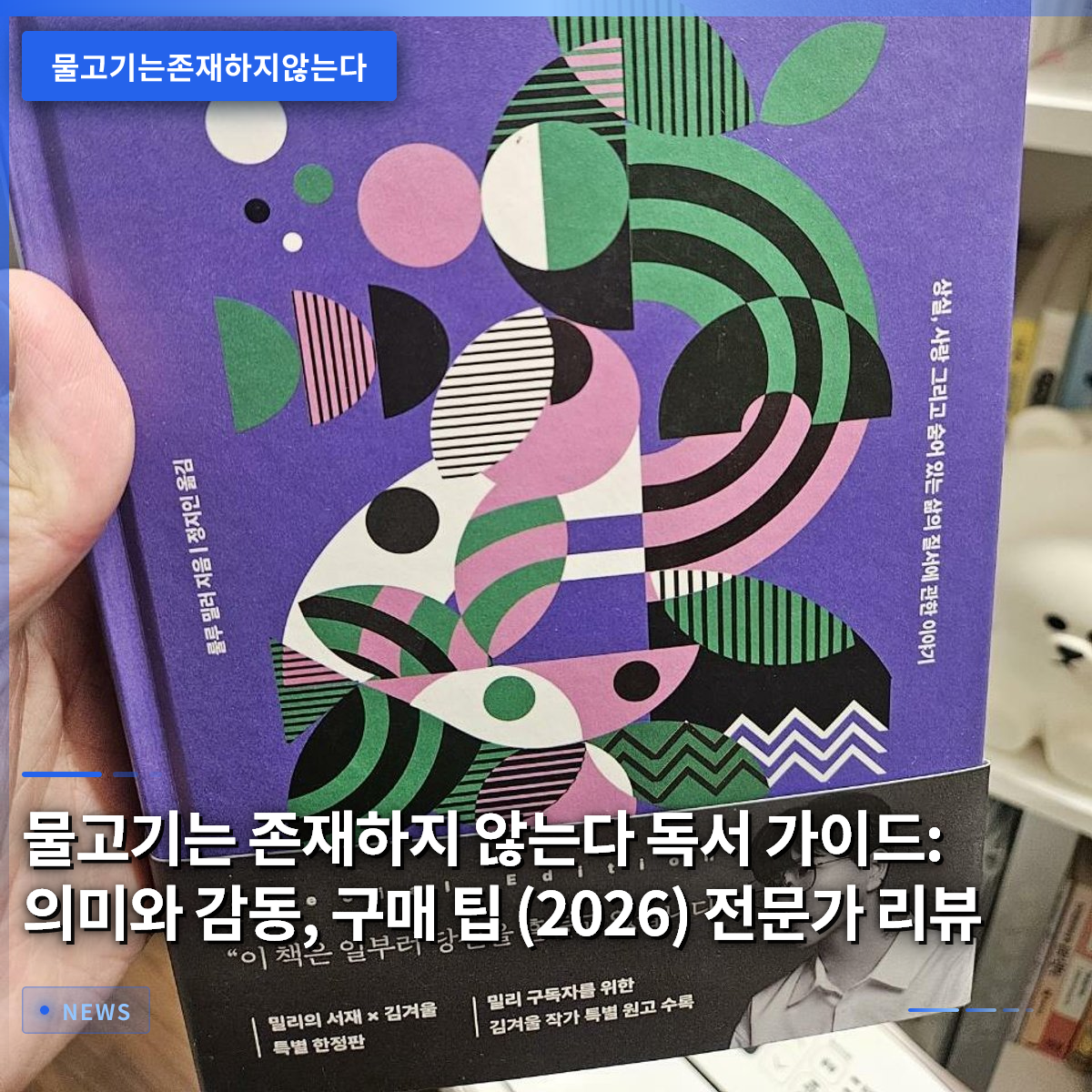
1. Existence and Perception in “There Are No Fish”

The first paragraph concisely summarizes the book’s claim that “existence depends on perception.” The author uses the absence of fish as a metaphor to emphasize that what we see is not the whole picture. Through examples in the text, readers practice imagining the invisible. Ultimately, the declaration that there are no fish is a signal urging us to look for invisible values. The second paragraph explains how this message connects to the information overload of modern society. In an era flooded with information, people tend to trust only visible data. The book goes against this trend to re-examine the meaning of “the invisible.”
The absence of fish reveals the limits of perception and urges readers to explore invisible values.
2. Author Lulu Miller and the Literary World She Created
The first paragraph introduces the background behind Lulu Miller’s publication of “There Are No Fish” in 2021. She is an experimental author who breaks existing narrative structures, having discovered metafiction through her activities in university literary clubs. After the book’s release, the literary world evaluated it as “a new attempt to question existence.” The second paragraph examines the flow of her thought in relation to her other works. As seen in “Kora and the Sun,” she blends daily life and science to develop unique imaginations. These authorial traits are woven into “There Are No Fish,” giving readers a familiar yet fresh shock.
3. Reader Reactions: Why Did It Resonate So Strongly?

The first paragraph mentions that the book recorded explosive reactions on social media and in reading groups after its publication. In particular, the book was selected for the 4th Jinshan Middle School Bibliobattle, indicating that the youth demographic empathized with the metaphor of the absence of fish. Students left comments about “the practice of finding the invisible.” The second paragraph summarizes the appreciation points of general readers. Many state that they experienced emotional liberation in the process of finding their “own fish.” There are also evaluations that it helps one accept small uncertainties in daily life.
4. Purchasing and Reading Tips: Where to Buy and How to Read
The first paragraph guides readers on purchasing channels available at bookstores nationwide and online. You can check stock at major online malls such as Kyobo Bookstore, Yes24, and Aladin, as well as large physical bookstores. If stock is low, utilizing library reservation services allows you to read it without waiting. The second paragraph suggests effective reading methods. It is good to read in short sessions of about one hour and leave notes after each chapter. Use these notes to record your thoughts on imagining the “invisible fish.” Additionally, sharing a short review on social media after reading can foster active exchange with other readers.
5. Practical Methods for Applying the “Invisible Fish” to Daily Life
The first paragraph introduces specific methods for translating the book’s philosophy into daily life. Develop the habit of thinking, “What fish might I not see today?” while drinking coffee every morning. This serves as training to acknowledge small uncertainties and explore new possibilities. The second paragraph recommends discussion activities with family and friends. After reading a page of the book, spend about 10 minutes talking about “the invisible.” This helps discover differences in perception between people. Such conversations deepen relationships while broadening the scope of thought.
6. Start Now: Creating a Reading Group
The first paragraph explains the simple procedure for organizing a reading group. Open a KakaoTalk open chat and invite interested people. At the first meeting, read the book’s preface together and share the stories of the “invisible fish” that come to mind. The second paragraph provides tips for sustaining the group. Progress through one chapter at a set time each week, and assign small tasks for each session to increase participation. Once the group becomes active, you can also collect online reviews and share them on a blog.